




The Visible Impact of CCTV
Retail loss prevention is a critical aspect of the retail industry, focusing on strategies and measures designed to minimize losses due to theft, fraud, and operational inefficiencies. The retail sector faces numerous challenges, including shoplifting, employee theft, and administrative errors, all of which can significantly impact profitability. Understanding the various facets of loss prevention is essential for retailers aiming to protect their assets and maintain a healthy bottom line.
Effective loss prevention strategies encompass a range of practices, from employee training to the implementation of advanced technology. Retailers must adopt a proactive approach, identifying potential vulnerabilities within their operations and addressing them before they lead to significant losses. This involves not only physical security measures but also fostering a culture of accountability among employees and creating an environment where theft is less likely to occur.
For reliable and professional electrical services in Sydney, trust Alpha Security Corp.
Key Takeaways
- CCTV plays a crucial role in deterring theft, shoplifting, and internal fraud in retail environments.
- Visible Impact of CCTV cameras help reduce retail losses by discouraging criminal behavior among customers and employees.
- CCTV systems aid in identifying suspects and monitoring employee activities to prevent internal theft.
- Integrating CCTV with other loss prevention strategies enhances overall retail security and customer safety.
- Advances in CCTV technology and future innovations promise improved effectiveness and return on investment for retailers.
The Role of CCTV in Retail Loss Prevention
Closed-circuit television (CCTV) systems have become an integral part of retail loss prevention strategies. These systems provide continuous surveillance of store premises, allowing retailers to monitor activities in real-time and review footage when necessary. The presence of CCTV cameras serves as a deterrent to potential thieves, as the risk of being caught on camera can discourage criminal behavior.
Moreover, CCTV systems can be tailored to meet the specific needs of a retail environment. From high-definition cameras that capture clear images to advanced analytics that can identify suspicious behavior, modern CCTV technology offers retailers a comprehensive solution for monitoring their stores. By integrating these systems with other security measures, such as alarm systems and access control, retailers can create a robust security framework that enhances overall loss prevention efforts.
The Visible Impact of CCTV in Retail Stores

The visible presence of CCTV cameras in retail stores can have a profound impact on both customer behavior and employee conduct. Shoppers are often more cautious when they know they are being monitored, which can lead to a decrease in shoplifting incidents. Additionally, employees are likely to adhere to company policies and procedures more closely when they are aware that their actions are being recorded.
Beyond deterring theft, CCTV can also enhance the overall shopping experience for customers. With improved security measures in place, shoppers may feel safer and more comfortable while browsing, leading to increased foot traffic and potentially higher sales. Retailers can leverage this positive atmosphere by promoting their commitment to customer safety through marketing efforts, further solidifying their reputation as a trustworthy establishment.
How CCTV Deters Theft and Shoplifting
CCTV systems play a crucial role in deterring theft and shoplifting within retail environments. The mere sight of cameras can dissuade potential criminals from attempting to steal merchandise, as the likelihood of being caught increases significantly. Retailers often report a noticeable decline in theft incidents after installing CCTV systems, highlighting the effectiveness of this security measure.
In addition to acting as a deterrent, CCTV can also provide valuable evidence in the event of a theft. High-quality footage can be used to identify suspects and support legal action against them. This not only helps recover stolen goods but also sends a strong message that theft will not be tolerated.
By demonstrating a commitment to security through the use of CCTV, retailers can foster a culture of respect and accountability among both customers and employees.
The Effectiveness of CCTV in Identifying Suspects
One of the most significant advantages of CCTV systems is their ability to aid in identifying suspects involved in theft or other criminal activities. In the unfortunate event of a crime occurring within a retail store, recorded footage can provide crucial information about the suspect’s appearance, clothing, and behavior.
This information can be invaluable for law enforcement agencies when investigating incidents and apprehending offenders.
Furthermore, advancements in technology have enhanced the capabilities of CCTV systems in identifying suspects. Features such as facial recognition software and motion detection analytics allow retailers to quickly pinpoint individuals who may pose a threat. By leveraging these technologies, retailers can improve their response times and increase the likelihood of recovering stolen merchandise or apprehending criminals.
The Importance of CCTV in Employee Monitoring
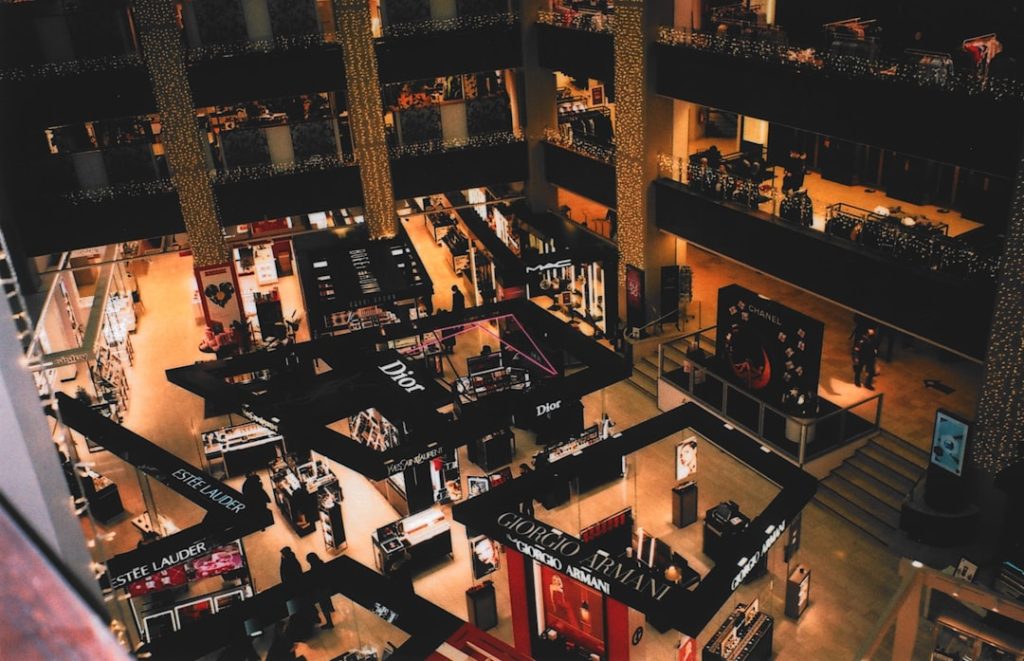
While much attention is given to external threats such as shoplifting, it is equally important for retailers to monitor internal risks posed by employees. Employee theft can account for a significant portion of retail losses, making it essential for businesses to implement measures that promote accountability among staff members. CCTV systems serve as an effective tool for monitoring employee behavior and ensuring compliance with company policies.
By observing employee interactions with customers and merchandise through CCTV footage, retailers can identify potential issues before they escalate into larger problems. This proactive approach not only helps prevent theft but also fosters a culture of transparency within the workplace.
Employees are more likely to adhere to ethical practices when they know they are being monitored, ultimately contributing to a more secure retail environment.
How CCTV Helps in Preventing Fraud and Internal Theft
CCTV systems are instrumental in preventing fraud and internal theft within retail establishments. Employees may attempt various fraudulent activities, such as returning stolen items for cash or manipulating sales transactions for personal gain. By monitoring transactions and employee interactions with customers through CCTV footage, retailers can detect suspicious behavior and take appropriate action.
In addition to deterring fraudulent activities, CCTV footage can serve as evidence during investigations into internal theft or fraud cases. Retailers can review recorded footage to identify patterns or anomalies that may indicate wrongdoing. This not only aids in addressing specific incidents but also helps retailers refine their loss prevention strategies by identifying areas for improvement.
The Impact of CCTV on Customer Safety and Security
Customer safety is paramount in the retail industry, and CCTV systems play a vital role in ensuring a secure shopping environment. By monitoring store premises, retailers can quickly respond to incidents such as altercations or emergencies, ensuring the safety of both customers and employees. The presence of CCTV cameras can also help deter criminal activities that may pose risks to shoppers.
Moreover, retailers can use CCTV footage to analyze customer behavior and preferences, allowing them to enhance the overall shopping experience. By understanding how customers navigate the store and interact with products, retailers can make informed decisions about store layout and product placement. This data-driven approach not only improves customer satisfaction but also contributes to increased sales.
The Integration of CCTV with Other Retail Loss Prevention Measures
To maximize the effectiveness of loss prevention strategies, retailers should consider integrating CCTV systems with other security measures. For instance, combining CCTV with alarm systems can create a comprehensive security framework that addresses both external and internal threats. When an alarm is triggered, surveillance footage can provide real-time insights into the situation, allowing security personnel to respond more effectively.
Additionally, integrating CCTV with access control systems can enhance security in restricted areas of the store or warehouse. By monitoring who enters and exits these areas through recorded footage, retailers can prevent unauthorized access and protect valuable assets. This holistic approach to loss prevention ensures that all aspects of security are addressed cohesively.
The Return on Investment of CCTV in Retail Loss Prevention
Investing in CCTV systems for retail loss prevention can yield significant returns for businesses over time. While the initial costs associated with purchasing and installing surveillance equipment may seem substantial, the long-term benefits often outweigh these expenses. By reducing theft incidents and improving overall security measures, retailers can protect their bottom line and enhance profitability.
Moreover, the data collected through CCTV systems can provide valuable insights into customer behavior and operational efficiency. Retailers can analyze this information to make informed decisions about inventory management, staffing levels, and marketing strategies. By leveraging these insights, businesses can optimize their operations and drive sales growth, ultimately leading to a positive return on investment.
Future Trends and Innovations in Retail Loss Prevention and CCTV Technology
As technology continues to evolve, so too do the capabilities of CCTV systems in retail loss prevention. Future trends may include advancements in artificial intelligence (AI) and machine learning algorithms that enhance surveillance capabilities by automatically detecting suspicious behavior or identifying potential threats in real-time. These innovations could revolutionize how retailers approach loss prevention by providing more proactive solutions.
Additionally, the integration of cloud-based storage solutions will allow retailers to access recorded footage from anywhere at any time, facilitating quicker responses to incidents. As consumer expectations for safety continue to rise, retailers must stay ahead of the curve by adopting cutting-edge technologies that enhance security measures while providing an exceptional shopping experience. In conclusion, retail loss prevention is an essential aspect of maintaining profitability in the retail industry.
The role of CCTV systems cannot be overstated; they serve as both a deterrent against theft and a valuable tool for monitoring employee behavior and ensuring customer safety. As technology continues to advance, retailers must remain vigilant in adopting innovative solutions that enhance their loss prevention strategies while fostering a secure shopping environment for all stakeholders involved.
In the realm of retail loss prevention, the implementation of CCTV systems has proven to be a significant deterrent against theft and fraud. For a deeper understanding of how modern security measures are evolving, you can explore the article on how business security systems are improving in 2025. This article discusses the latest advancements in security technology and their implications for businesses, making it a valuable resource for those interested in enhancing their loss prevention strategies. You can read it here: How Business Security Systems Are Improving in 2025.