



Maximizing Venue Security: The 5-Layer Approach
In today’s unpredictable environment, venue security plays a critical role in event management. Across all event types—from concerts and corporate gatherings to sporting events—protecting attendee safety remains the primary objective. Venue security involves implementing multiple strategies and measures to safeguard people and assets against potential threats.
As events increase in scale and complexity, organizations require comprehensive security frameworks capable of responding to diverse scenarios. This article examines the various components that form an effective venue security plan. The consequences of security failures at venues are substantial.
An incident can endanger attendees, damage the reputation of event organizers, and result in considerable financial consequences. For this reason, event planners, venue managers, and security professionals must understand venue security requirements thoroughly. A well-designed security strategy enables stakeholders to reduce risks and establish a safe environment for all participants.
Protect your smart home with confidence by choosing Alpha Security Corp.
Key Takeaways
- Venue security relies on a multi-layered approach to effectively protect people and property.
- The five layers include perimeter security, access control, surveillance, security personnel, and emergency response.
- Integrating advanced technology enhances monitoring and communication capabilities across all security layers.
- Regular training and coordination with local law enforcement are essential for preparedness and effective incident management.
- A comprehensive security plan combines all layers and strategies to ensure a safe and secure environment.
Understanding the 5-Layer Approach
To effectively address the myriad challenges associated with venue security, many professionals advocate for a 5-layer approach. This model provides a comprehensive framework that encompasses various aspects of security, ensuring that no stone is left unturned. Each layer serves a distinct purpose while also complementing the others, creating a cohesive security strategy that can adapt to evolving threats.
The 5-layer approach consists of perimeter security, access control, surveillance and monitoring, security personnel, and emergency response and communication. By breaking down security into these layers, organizations can identify vulnerabilities and implement targeted measures to address them. This systematic approach not only enhances overall safety but also fosters a culture of preparedness among staff and attendees alike.
Layer 1: Perimeter Security
The first layer of venue security is perimeter security, which serves as the first line of defense against potential threats. This layer involves establishing physical barriers that deter unauthorized access to the venue. Fencing, gates, and natural barriers such as landscaping can all play a role in creating a secure perimeter.
Additionally, well-lit areas around the venue can help deter criminal activity by increasing visibility. Incorporating technology into perimeter security can further enhance its effectiveness. For instance, motion sensors and alarm systems can alert security personnel to any breaches in real-time.
Furthermore, employing CCTV cameras around the perimeter allows for continuous monitoring and documentation of any suspicious activity. By investing in robust perimeter security measures, venues can significantly reduce the likelihood of unauthorized access and create a safer environment for attendees.
Layer 2: Access Control
Once the perimeter is secured, the next layer focuses on access control. This involves managing who is allowed to enter the venue and under what circumstances. Effective access control measures are essential for preventing unauthorized individuals from gaining entry and ensuring that only ticketed guests or authorized personnel are allowed inside.
Access control can take many forms, from simple ticket checks at entry points to more sophisticated biometric systems that require fingerprint or facial recognition. Additionally, employing trained personnel at entry points can help maintain order and provide assistance to guests as needed. By implementing stringent access control measures, venues can further enhance their security posture and minimize potential risks associated with unauthorized access.
Layer 3: Surveillance and Monitoring
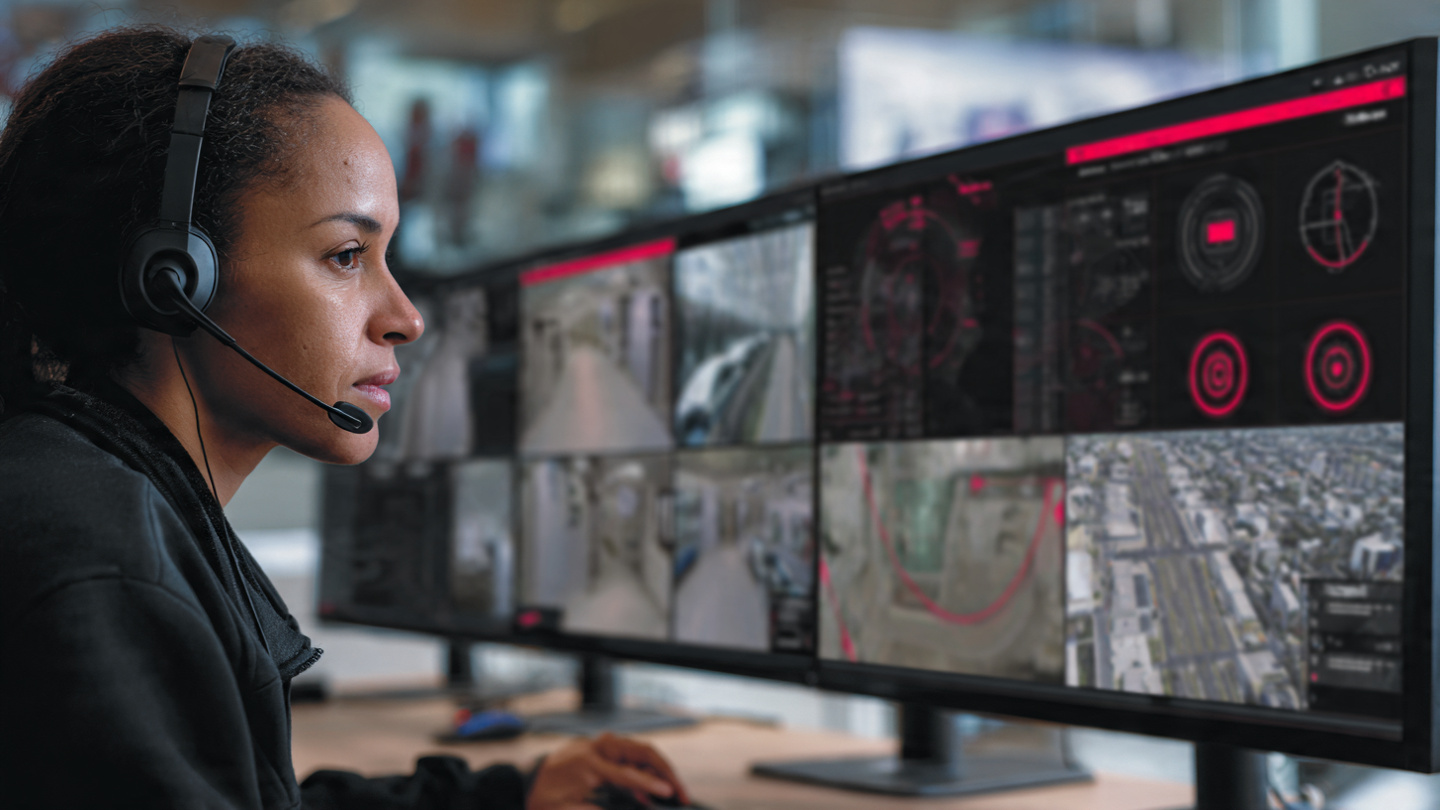
Surveillance and monitoring constitute the third layer of venue security, providing an essential means of oversight throughout the event. This layer involves the use of cameras and other monitoring technologies to keep an eye on both the interior and exterior of the venue. Continuous surveillance allows security personnel to detect potential threats in real-time and respond accordingly.
In addition to traditional CCTV systems, modern surveillance solutions may include drones or mobile monitoring units that can cover larger areas or provide aerial views of events. The integration of artificial intelligence into surveillance systems can also enhance their effectiveness by enabling automated threat detection and alerting security personnel to unusual behavior patterns. By investing in comprehensive surveillance and monitoring solutions, venues can bolster their overall security efforts and ensure a safer experience for all attendees.
Layer 4: Security Personnel

While technology plays a vital role in venue security, the presence of trained security personnel is equally important. The fourth layer focuses on deploying qualified staff who are equipped to handle various situations that may arise during an event. Security personnel serve as both a deterrent to potential wrongdoers and a source of assistance for attendees who may require help.
Training is crucial for security personnel, as they must be prepared to respond effectively to emergencies or disturbances. This includes understanding crowd management techniques, conflict resolution strategies, and emergency response protocols. By having well-trained staff on-site, venues can ensure that they are ready to address any issues that may arise swiftly and efficiently.
Layer 5: Emergency Response and Communication
The final layer of venue security revolves around emergency response and communication strategies. No matter how well-prepared an organization may be, emergencies can still occur. Therefore, having a clear plan in place for responding to various scenarios is essential for minimizing risks and ensuring the safety of attendees.
Effective communication is key during emergencies, as it allows for quick dissemination of information among staff and attendees alike. Establishing clear channels for communication—such as two-way radios for staff or public address systems for announcements—can facilitate rapid responses to incidents. Additionally, conducting regular drills and training sessions can help ensure that all personnel are familiar with emergency protocols and can act decisively when needed.
Integrating Technology for Enhanced Security
As technology continues to evolve, so too do the opportunities for enhancing venue security through innovative solutions. Integrating advanced technologies into each layer of the 5-layer approach can significantly improve overall effectiveness. For instance, utilizing cloud-based systems allows for real-time data sharing among security personnel, enabling them to make informed decisions quickly.
Moreover, leveraging mobile applications can enhance communication between staff members and facilitate incident reporting. These applications can also provide attendees with important information regarding safety protocols or emergency procedures. By embracing technology as an integral part of their security strategy, venues can create a more responsive and adaptive environment that prioritizes safety.
Training and Preparation for Security Staff
The success of any venue security plan hinges on the preparedness of its staff. Comprehensive training programs are essential for equipping security personnel with the knowledge and skills necessary to handle various situations effectively. Training should encompass not only technical skills related to surveillance and monitoring but also interpersonal skills that enable staff to interact positively with attendees.
Regular training sessions should be conducted to keep staff updated on new technologies, procedures, and best practices in venue security. Additionally, scenario-based training exercises can help staff practice their responses to potential emergencies in a controlled environment. By investing in ongoing training and preparation for security staff, venues can foster a culture of vigilance and readiness that enhances overall safety.

Collaboration with Local Law Enforcement
Collaboration with local law enforcement agencies is another critical component of an effective venue security strategy. Establishing strong relationships with law enforcement can provide venues with valuable resources and support during events. This collaboration may involve sharing information about potential threats or coordinating emergency response efforts.
Having law enforcement present at large events can serve as a deterrent to criminal activity while also providing reassurance to attendees regarding their safety. Additionally, law enforcement officers often have specialized training in handling emergencies that can complement the efforts of venue security personnel. By fostering partnerships with local law enforcement agencies, venues can enhance their overall security posture and create a safer environment for all participants.
Implementing a Comprehensive Security Plan
In conclusion, implementing a comprehensive venue security plan requires careful consideration of multiple layers of protection. From perimeter security to emergency response protocols, each component plays a vital role in safeguarding attendees and property alike. By adopting a 5-layer approach that integrates technology, training, and collaboration with local law enforcement, venues can create a robust security framework capable of addressing evolving threats.
Ultimately, prioritizing venue security not only protects individuals but also enhances the overall experience for attendees. A well-executed security plan fosters trust among participants while allowing event organizers to focus on delivering memorable experiences without compromising safety. As we navigate an increasingly complex landscape of potential threats, investing in comprehensive venue security remains an essential responsibility for all stakeholders involved in event planning and management.
In exploring the comprehensive approach to venue security, the article on The 5-layer Venue Security Stack highlights the importance of integrating various systems such as CCTV, alarms, access control systems, intercom systems, and established procedures. For a deeper understanding of how access control systems play a crucial role in enhancing security measures, you can read more in the related article on Access Control Systems. This resource provides valuable insights into the different types of access control solutions available and their significance in safeguarding commercial spaces.