



Managing Staff Doors, Visitor Entry and Restricted Areas Safely
The management of access within commercial premises in Sydney, from the control of staff entry and exit to the regulation of visitor access and the safeguarding of restricted zones, presents a complex yet critical endeavor. This article explores the multifaceted aspects of office access control in Sydney, detailing various systems and strategies available to businesses.
Access control systems are not merely a convenience; they are a fundamental component of a holistic organizational security strategy. In an era where physical security threats are increasingly prevalent, the ability to regulate who enters a facility, when they enter, and where they can go once inside is paramount. For businesses in Sydney, this translates into mitigating risks such as theft, vandalism, industrial espionage, and unauthorized access to sensitive information or equipment. The implementation of robust access control serves as a visible deterrent and a practical barrier, safeguarding assets, personnel, and proprietary data. Experience Secure, Controlled Access with a keyless electronic access control system that provides a high level of protection to your property by visiting Secure, Controlled Access.
Differentiating Physical and Logical Access Control
It is crucial to understand the distinction between physical and logical access control. Physical access control pertains to the regulation of entry to physical spaces, such as buildings, offices, server rooms, or specific departments. This is achieved through various hardware and software solutions that manage doors, gates, and other entry points. Logical access control, conversely, governs access to digital resources, including computer systems, networks, and data. While distinct, these two forms of access control often intersect, particularly in environments where physical access to IT infrastructure directly impacts logical security.
The Role of Risk Assessment
Before implementing any access control system, a thorough risk assessment is indispensable. This process involves identifying potential threats, vulnerabilities within the existing infrastructure, and the potential impact of a security breach. Factors such as the nature of the business, the value of assets, the sensitivity of data, and the specific layout of the premises all contribute to determining the appropriate level and type of access control required. For instance, a financial institution will likely have more stringent access control requirements than a retail store. The assessment should consider both internal threats (e.g., disgruntled employees) and external threats (e.g., theft, sabotage).
As licensed security solutions providers, we offer installation, programming, commissioning and maintenance of your home security system. From alarm systems through to CCTV and monitoring, we’re here to help you stay secure. While primarily focused on residential security, the principles of professional installation and ongoing support translate directly to commercial access control, ensuring optimal system performance and longevity.
In the context of enhancing office access control in Sydney, it is crucial to consider the various aspects of managing staff doors, visitor entry, and restricted areas safely. A related article that delves into the vulnerabilities businesses face regarding their security systems is available at Is Your Business Vulnerable? Common Mistakes in Business Security Systems. This resource provides valuable insights into common pitfalls that can compromise security, highlighting the importance of a comprehensive approach to access management.
Foundations of Office Access Control Systems
The bedrock of modern office access control systems lies in their ability to automate and secure entry points. These systems move beyond traditional lock-and-key mechanisms, offering greater flexibility, accountability, and real-time monitoring capabilities.
Standalone vs. Networked Systems
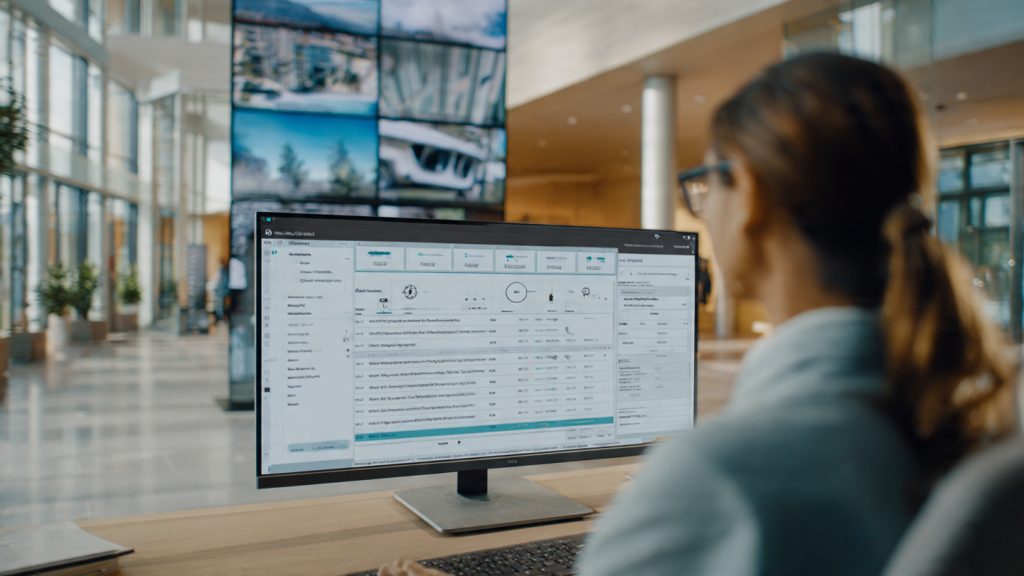
Access control systems can broadly be categorized into standalone and networked configurations. Standalone systems are typically simpler, managing a single door or a small number of doors independently. They often rely on local programming and store access data directly on the device. While cost-effective for small-scale applications, they lack centralized control and comprehensive reporting. Networked systems, in contrast, connect multiple access points to a central control unit or server. This allows for centralized management of user credentials, real-time event monitoring, and detailed audit trails. For most Sydney offices, especially those with multiple staff, visitors, or restricted areas, networked systems offer superior control and scalability.
Key Components of an Access Control System
A typical access control system comprises several key components working in concert:
- Access Control Panels/Controllers: These are the “brains” of the system, processing access requests, communicating with readers, and controlling door locks.
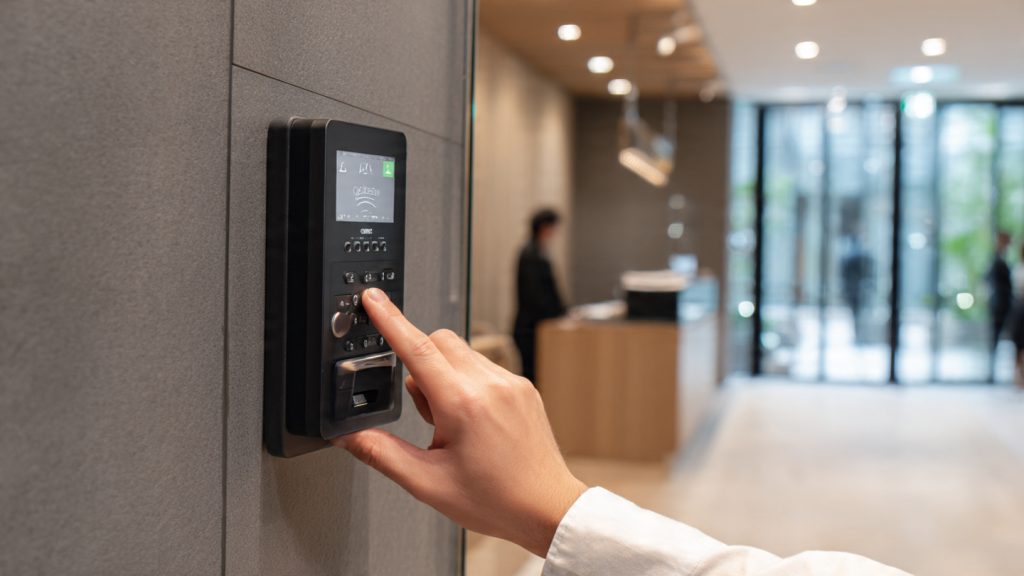
- Readers: Devices that interpret credentials (e.g., proximity cards, biometric data) presented by users.
- Credentials: Physical tokens (cards, fobs) or biometric data (fingerprints, facial recognition) that identify authorized users.
- Electronic Locks: Devices that secure doors and are controlled by the access control panel. These can include electric strikes, magnetic locks (maglocks), and electrified deadbolts.
- Sensors: Door contact sensors detect whether a door is open or closed, while request-to-exit (REX) sensors detect when someone is leaving a controlled area, preventing unwanted alarms.
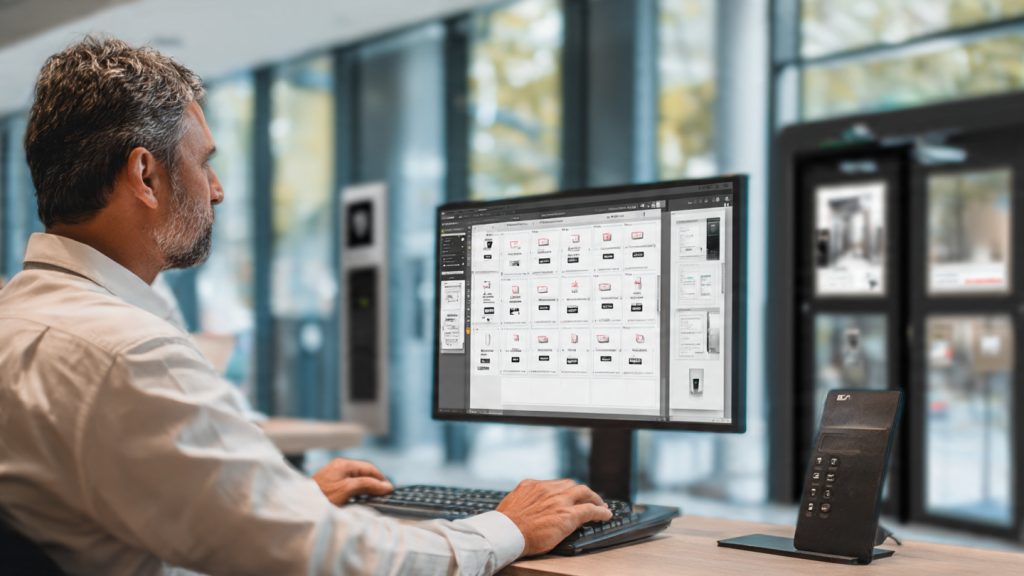
- Software: For networked systems, software provides the interface for managing users, access schedules, event logs, and generating reports.
Whether you’re in the market to upgrade your family home, improve your commercial office building, build your dream home or have an emergency electrical concern and need immediate assistance, Alpha Security Corp has the right Master Electrician for you. This highlights the critical role of expert electrical services in the installation and ongoing functionality of access control systems. Reliable power, proper wiring, and adherence to electrical safety standards are non-negotiable for a secure and functional system.
Managing Staff Doors and Internal Movement
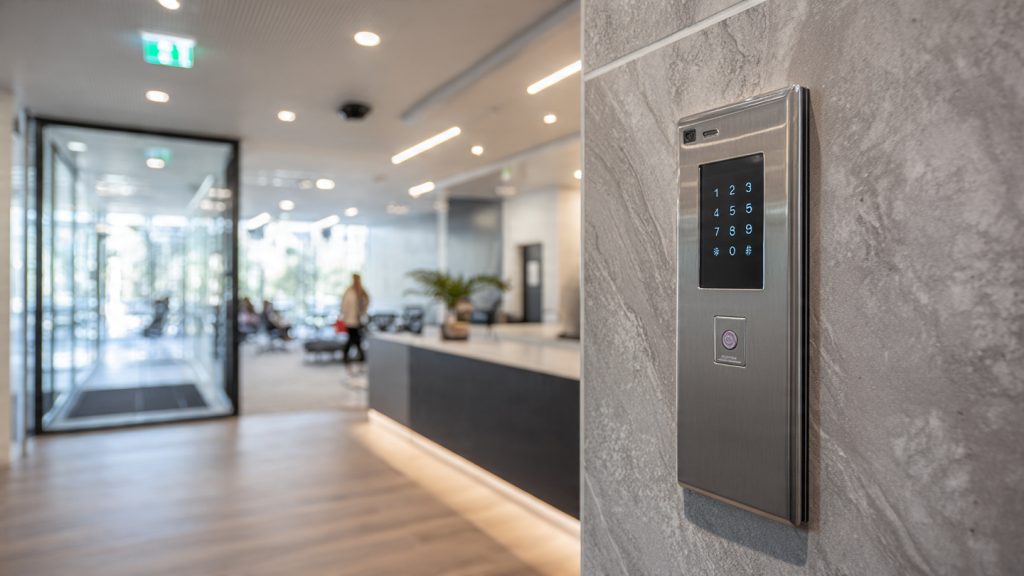
The efficient and secure management of staff access is a cornerstone of effective office operations. This involves not only preventing unauthorized entry but also facilitating smooth movement for authorized personnel and providing valuable data for operational insights.
Credential-Based Access: Cards, Fobs, and Beyond
The most common method for staff access control in Sydney offices involves credential-based systems. These typically utilize proximity cards or key fobs, which are encoded with unique identifiers. When presented to a reader, the system verifies the credential against a database of authorized users and grants or denies access accordingly.
- Proximity Cards/RFID: These cards utilize Radio-Frequency Identification (RFID) technology, allowing users to simply wave the card near a reader without physical contact. They are durable, relatively inexpensive, and widely adopted.
- Smart Cards: Offering enhanced security, smart cards can store more data, including cryptographic keys or personal identification numbers (PINs), which may be required in addition to the card for multi-factor authentication.
- Key Fobs: Functionally similar to proximity cards but in a more compact form factor, often attached to keyrings.
The selection of credentials often involves a trade-off between cost, convenience, and security. For environments requiring higher security, combining credentials with PINs or biometrics can offer a more robust solution.
Biometric Access Control for Enhanced Security
For areas requiring the highest level of security, or simply to eliminate the hassle of lost or stolen credentials, biometric access control offers a compelling alternative. Biometrics identify individuals based on unique physiological or behavioral characteristics.
- Fingerprint Scanners: One of the most popular biometric methods, fingerprint scanners are generally reliable, fast, and relatively affordable. They are suitable for controlling access to sensitive data centers, executive offices, or laboratories.
- Facial Recognition: Advanced facial recognition systems can identify individuals by analyzing unique facial features. These systems are becoming increasingly sophisticated, offering touchless access and robust security. They are particularly useful where hygiene is a concern or where hands-free operation is desirable.
- Iris/Retinal Scanners: Offering extremely high levels of accuracy, iris and retinal scanners analyze the unique patterns in the human eye. While more expensive and sometimes slower than other biometrics, they are often employed in highly sensitive government or research facilities.
While biometric systems offer superior authentication, considerations such as privacy concerns, environmental factors affecting scanner performance, and enrollment processes need to be carefully managed.
Time-Based Access and Zoned Permissions
Effective staff access control extends beyond simple yes/no entry. Modern systems allow for granular control over when and where staff can access specific areas.
- Time Schedules: Access can be restricted to specific hours, days of the week, or even during holidays. For example, cleaning staff might only have access after business hours, while general staff access is limited to core working hours.
- Zoned Permissions: Different departments or individuals can be granted access to specific “zones” within the office. An accounting team might have access to the finance department, while the marketing team does not. This “least privilege” principle limits the potential impact of a security breach by ensuring individuals only have access to what is necessary for their role.
- Anti-Passback: This feature prevents a credential from being used to grant access if it has not been registered as having exited the area. It helps prevent situations where one person gains entry and then passes their card back to another unauthorized individual.
Streamlining Visitor Entry and Management

The management of visitors presents a unique challenge for office security. While often temporary, visitors still require controlled access to ensure safety, maintain confidentiality, and protect assets.
Traditional Visitor Management vs. Integrated Systems
Historically, visitor management often involved manual sign-in sheets, paper passes, and reliance on reception staff. While functional, this method lacks efficiency, accountability, and scalability. Modern integrated visitor management systems overcome these limitations.
- Digital Sign-In Kiosks: Visitors can sign themselves in using touch-screen kiosks, entering their details, purpose of visit, and host contact. These systems often print professional visitor badges with expiry times and photos.
- Pre-Registration Portals: For planned visits, hosts can pre-register their guests, sending them email invitations with QR codes or access instructions. This expedites the check-in process and enhances efficiency.
- Automated Host Notification: Upon visitor arrival, the system can automatically notify the host via email, SMS, or an internal communication platform, minimizing wait times and improving the visitor experience.
Across the nation, security threats are increasing, and businesses are being targeted more often. As a leading commercial security business in Sydney, our team focuses on creating tailored, end-to-end security solutions designed to meet customer needs. This expertise directly informs the development of sophisticated visitor management systems that integrate seamlessly with broader access control frameworks, providing robust protection against evolving threats.
Temporary Access Provisioning
A key advantage of integrated visitor management systems is the ability to provision temporary access credentials.
- Temporary Cards/Fobs: Visitors can be issued temporary access cards or fobs that are programmed to expire at a specific time or date, or after a certain number of entries. These credentials can also be restricted to specific areas relevant to their visit.
- Mobile Credentials: Some advanced systems allow for “mobile credentials,” where a temporary access code or digital pass is sent directly to the visitor’s smartphone. This eliminates the need for physical cards and simplifies the check-in process.
- Escort Requirements: For highly sensitive areas, visitor access can be configured to require an authorized escort. The system can alert relevant personnel and track the visitor’s movement only when accompanied.
Audit Trails and Compliance
Beyond access control, visitor management systems generate invaluable data for audit trails and compliance.
- Detailed Logging: Every visitor interaction, from sign-in and sign-out times to the host visited and areas accessed, is logged. This provides a comprehensive record for security investigations or compliance audits.
- Emergency Muster Reports: In the event of an emergency, the system can quickly generate a list of all visitors currently on-site, aiding in evacuation procedures and ensuring everyone is accounted for.
- Regulatory Compliance: Many industries have specific regulatory requirements regarding visitor logging and data retention. Integrated systems help businesses meet these obligations efficiently.
In the realm of office security, effective access control is essential for ensuring the safety of staff and visitors alike. A related article discusses the importance of alarm systems in maintaining security, which complements the strategies outlined in “Office Access Control Sydney: Managing Staff Doors, Visitor Entry and Restricted Areas Safely.” For those interested in enhancing their security measures, understanding the role of alarm systems can be invaluable. You can read more about this in the article on back-to-base alarms, which provides a comprehensive overview of how these systems work and their benefits. For further insights, check out this guide.
Safeguarding Restricted Areas and Sensitive Assets
Beyond general office access, specific zones within a commercial premise demand heightened security. These restricted areas often house valuable equipment, confidential data, or critical infrastructure.
Multi-Factor Authentication (MFA)
For restricted areas, relying on a single form of authentication (e.g., a card) may not be sufficient. Multi-Factor Authentication (MFA) combines two or more independent verification methods, significantly increasing security.
- Card + PIN: Requiring both a proximity card and a unique Personal Identification Number (PIN) adds an extra layer of security, as unauthorized individuals would need both components to gain entry.
- Biometric + Card: Combining a biometric scan (e.g., fingerprint) with a proximity card provides a robust solution, verifying both “something you have” (the card) and “something you are” (your biometric data).
- Two-Factor Biometrics: In extremely high-security environments, two distinct biometric methods might be used, such as facial recognition followed by an iris scan.
The selection of MFA methods should be proportionate to the criticality of the restricted area and the potential impact of a breach.
Integration with Intrusion Detection Systems
Access control for restricted areas is significantly enhanced when integrated with intrusion detection systems (IDS).
- Alarm Triggering: If an unauthorized attempt is made to access a restricted area, or if a door is forced open, the access control system can trigger an alarm through the IDS, alerting security personnel.
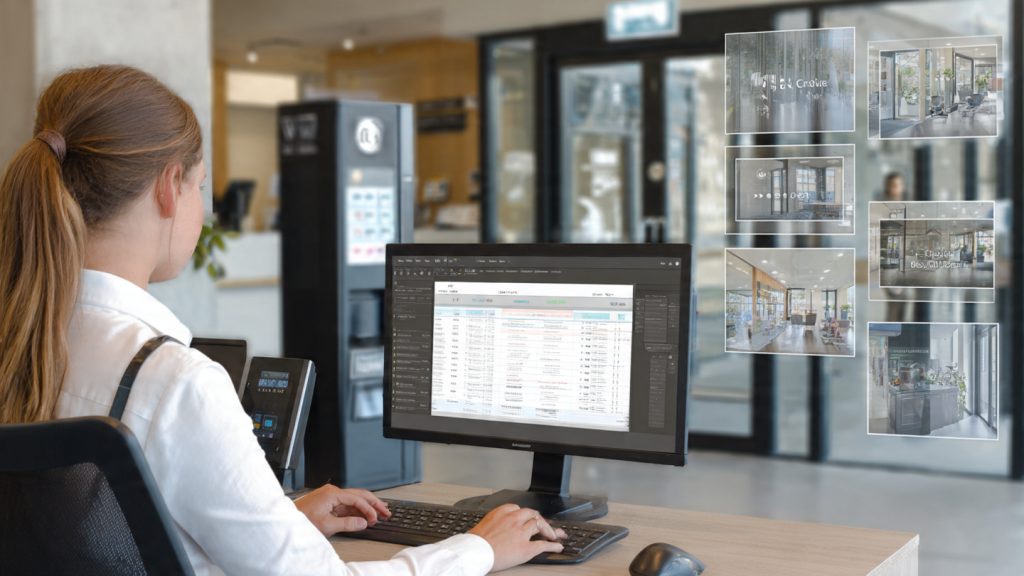
- Video Verification: Integration with CCTV systems allows for real-time video verification of alarms. When an alarm is triggered, cameras monitoring the restricted area can automatically display live footage to security operators, enabling them to assess the situation rapidly and accurately.
- Remote Lockdown Capabilities: In emergency scenarios, integrated systems can enable remote lockdown of restricted areas, preventing further unauthorized entry and containing potential threats.
Environmental Monitoring Integration
Beyond physical access, the security of sensitive assets in restricted areas often extends to environmental conditions.
- Temperature and Humidity Sensors: Server rooms or data centers require strict climate control. Integration with environmental monitoring systems can trigger alerts if temperature or humidity levels exceed critical thresholds, preventing equipment damage.
- Water Leak Detection: Sensors can detect water leaks in critical areas, protecting sensitive electronics from damage and preventing costly downtime.
- Power Monitoring: Uninterrupted power supply (UPS) and generator monitoring can be integrated, providing immediate alerts in case of power fluctuations or failures, ensuring the continuous operation of critical systems.
Data, Analytics, and Legal Considerations
The efficacy of an access control system extends beyond its physical barriers; it encompasses the data it generates, the insights it provides, and its adherence to legal and ethical frameworks.
Audit Trails and Reporting
One of the most powerful features of networked access control systems is their ability to generate comprehensive audit trails and reports.
- Event Logging: Every access attempt, whether successful or denied, is logged with a timestamp, user ID, and location. This creates an immutable record of all movement within controlled areas.
- Customizable Reports: Software allows for the generation of various reports, such as daily activity reports, reports on failed access attempts, or reports on specific user movement patterns. These reports are invaluable for forensic investigations in the event of a security incident.
- Compliance Verification: Audit trails provide critical evidence for demonstrating compliance with internal security policies, industry regulations, and legal requirements.
Integration with Other Security Systems
The true power of modern access control lies in its ability to integrate seamlessly with other security and operational systems.
- CCTV Integration: As mentioned, linking access events with video footage provides visual verification, enhancing situational awareness and aiding investigations. For instance, if an access card is used, the system can automatically display the corresponding video feed of the person using the card.
- Intrusion Alarm Systems: Integration ensures that if a door secured by access control is forced open after hours, the alarm system is immediately triggered.
- HR and Payroll Systems: For larger organizations, integrating access control with HR systems can automate the onboarding and offboarding processes for employees, ensuring access is provisioned or revoked efficiently. Integration with payroll can also facilitate accurate time and attendance tracking.
- Building Management Systems (BMS): Advanced integration with BMS can optimize energy consumption by linking access control to lighting and HVAC systems, activating them only when an area is occupied.
Adherence to Privacy Regulations
In an age of increasing data consciousness, businesses implementing access control systems, particularly those utilizing biometrics or detailed logging, must be acutely aware of privacy regulations.
- Data Protection Laws: In Australia, the Privacy Act 1988 governs the collection, use, and disclosure of personal information. Businesses must ensure their access control systems comply with these regulations, particularly concerning biometric data, which is considered sensitive information.
- Informed Consent: When collecting biometric data, obtaining informed consent from employees and visitors is often a legal and ethical requirement. Individuals should be aware of what data is being collected, how it will be used, and for how long it will be retained.
- Data Security: The data collected by access control systems, especially personal and biometric data, must be securely stored and protected against unauthorized access, modification, or disclosure. Robust encryption and access controls for the system’s backend database are crucial.
- Transparency: Clear policies regarding access control and data collection should be communicated to all stakeholders, fostering trust and ensuring transparency.
Emerging Trends and The Future of Access Control
The landscape of access control is dynamic, continually evolving with technological advancements and changing security paradigms.
Mobile and Cloud-Based Access Control
The proliferation of smartphones is driving a significant shift towards mobile credentials.
- Smartphone as a Credential: Users can unlock doors using their smartphones, often via Bluetooth Low Energy (BLE), NFC, or QR codes. This eliminates the need for physical cards and fobs, offering convenience and reducing administrative overhead.
- Cloud-Based Platforms: Cloud-hosted access control systems offer numerous advantages, including remote management, scalability, automatic updates, and reduced on-premise infrastructure costs. This allows businesses in Sydney to manage their access control from anywhere with an internet connection.
AI and Machine Learning in Security
Artificial intelligence (AI) and machine learning (ML) are beginning to revolutionize access control and broader security systems.
- Predictive Analytics: AI can analyze access patterns and identify anomalies or potential security risks before they escalate. For example, unusual access attempts by a particular user or during odd hours could trigger an alert.
- Enhanced Biometrics: AI improves the accuracy and speed of biometric authentication, making facial recognition and other biometric methods more reliable and resistant to spoofing attempts.
- Adaptive Security: AI-driven systems can adapt to changing security environments, adjusting access rules or threat responses based on real-time data and learned patterns.
Cybersecurity for Physical Access
As physical access control systems become increasingly networked and integrated, they also become potential targets for cyberattacks.
- Network Segmentation: Isolating access control networks from the main corporate network can limit the spread of potential cyber threats.
- Regular Software Updates: Keeping access control software and firmware updated is crucial to patch vulnerabilities and protect against known exploits.
- Strong Passwords and Authentication: Implementing strong password policies and multi-factor authentication for administrators of the access control system protects against unauthorized access to the system itself.
- Penetration Testing: Regular penetration tests can identify weaknesses in the network infrastructure supporting the access control system, allowing businesses to proactively address security gaps.
In conclusion, effective office access control in Sydney is a dynamic and essential aspect of modern business operations. It acts as a gatekeeper, a historian, and a guardian, ensuring the safety of personnel, the security of assets, and the integrity of operations. By embracing a combination of proven technologies, forward-thinking strategies, and an ongoing commitment to best practices, Sydney businesses can navigate the complexities of managing staff doors, visitor entry, and restricted areas safely and efficiently.