



Monitoring Centres Explained: How Signals Are Handled, Logged and Escalated During Incidents
In an age where security is paramount, monitoring centres play a crucial role in safeguarding lives and properties. These facilities serve as the nerve centre for alarm systems, ensuring that any potential threats are addressed swiftly and effectively. A monitoring centre is equipped with advanced technology and staffed by trained professionals who are dedicated to maintaining safety and security for residential and commercial properties alike. The importance of these centres cannot be overstated, as they provide a vital link between alarm systems and emergency response teams, ensuring that help is always just a signal away.
The primary function of a monitoring centre is to receive signals from various security devices, such as alarms, cameras, and sensors. When an alarm is triggered, the monitoring centre springs into action, assessing the situation and determining the appropriate response. This proactive approach not only helps in mitigating risks but also instills a sense of confidence in clients who rely on these services for their safety. With the integration of cutting-edge technology and a commitment to excellence, monitoring centres have become indispensable in the realm of security.
In addition to understanding how signals are handled, logged, and escalated during incidents, it’s essential to explore the advancements in business security systems that are expected to shape the future. A related article that delves into these improvements is titled “How Business Security Systems Are Improving in 2025.” This article discusses the latest technologies and strategies that businesses can adopt to enhance their security measures and respond more effectively to incidents. For more insights, you can read the article here: How Business Security Systems Are Improving in 2026.
How Signals are Received and Handled
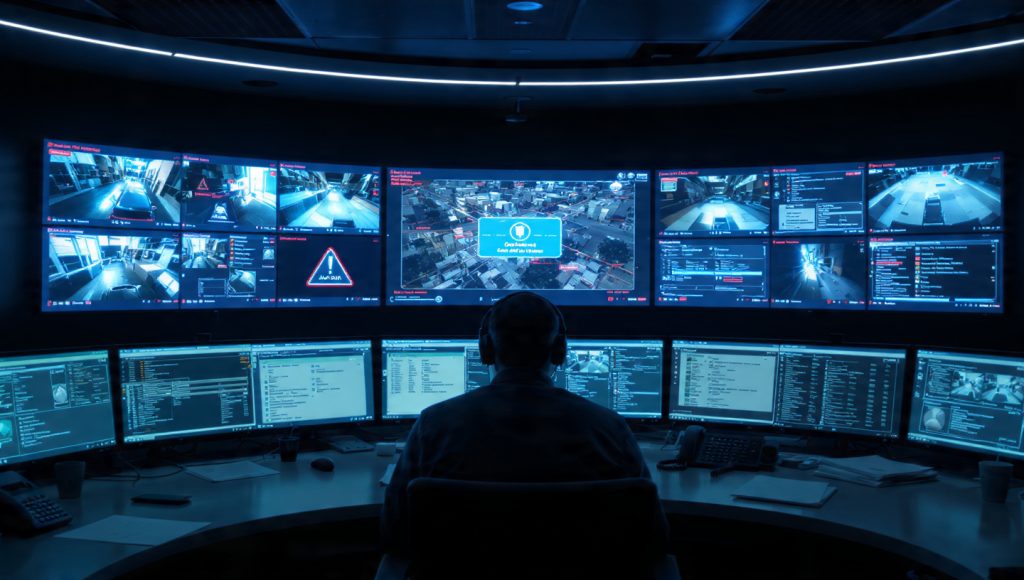
The process of receiving signals at a monitoring centre is both intricate and efficient. When an alarm is activated, it sends a signal through various communication channels, such as phone lines, internet connections, or cellular networks. The monitoring centre is equipped with sophisticated software that can instantly identify the source of the alarm and display relevant information on the operator’s screen. This immediate access to data allows operators to assess the situation quickly and accurately.
Once a signal is received, operators follow a set protocol to handle the incident. They first verify the nature of the alarm by cross-referencing it with the client’s profile and previous incidents. This verification process is crucial in determining whether the alarm is genuine or a false alarm. If the alarm is confirmed as legitimate, operators initiate the appropriate response, which may include contacting emergency services or dispatching security personnel to the location. The efficiency of this process is vital in ensuring that help arrives promptly, minimizing potential damage or harm.
Logging and Documentation of Incidents
Accurate logging and documentation of incidents are essential components of a monitoring centre’s operations. Every alarm signal received, along with the subsequent actions taken, must be meticulously recorded for future reference. This documentation serves multiple purposes: it provides a historical account of incidents for clients, aids in identifying patterns or recurring issues, and ensures compliance with regulatory requirements.
Operators utilize specialized software to log each incident in real-time, capturing details such as the time of the alarm, the type of signal received, and the response initiated. This information is invaluable for both clients and monitoring centre staff, as it allows for a comprehensive review of security measures and helps in refining response strategies. Furthermore, thorough documentation can be critical in legal situations where evidence of response times and actions taken may be required.
Escalation Process for Critical Incidents
In the event of a critical incident, the escalation process becomes paramount. Monitoring centres are equipped with protocols that dictate how to respond to various levels of emergencies. For instance, if an intrusion alarm is triggered during the night when a property is unoccupied, operators must act swiftly to assess the situation and escalate it appropriately.
The escalation process typically involves notifying higher-level management within the monitoring centre, as well as contacting local law enforcement or emergency services. Operators are trained to remain calm under pressure, ensuring that they communicate clearly and effectively with all parties involved. This structured approach not only enhances the likelihood of a successful resolution but also ensures that all necessary resources are mobilized quickly to address the situation.
In the context of understanding how signals are managed during incidents, it is also beneficial to explore the intricacies of CCTV systems and their installation, which play a crucial role in enhancing security measures. For a deeper insight into this topic, you can read about the importance of professional setups in urban environments in this article on CCTV installation in Sydney. This resource highlights how effective surveillance systems can complement monitoring centers by providing real-time visuals that aid in incident response.
Importance of Real-time Monitoring
Real-time monitoring is one of the cornerstones of effective security management. The ability to receive and respond to alarms as they occur can mean the difference between preventing a crime and dealing with its aftermath. Monitoring centres provide continuous surveillance of properties, allowing for immediate action when an alarm is triggered.
This real-time capability extends beyond just responding to alarms; it also involves ongoing assessment of security systems and potential vulnerabilities. By constantly monitoring systems, operators can identify issues before they escalate into serious problems. This proactive approach not only enhances security but also fosters trust between clients and monitoring centres, as clients know their safety is being prioritized at all times.
In the realm of incident management, understanding how signals are processed is crucial for effective response strategies. A related article that delves deeper into the intricacies of monitoring systems and their operational protocols can be found at Alpha Security Corp. This resource provides valuable insights into the processes of logging and escalating incidents, complementing the information presented in “Monitoring Centre Explained: How Signals Are Handled, Logged and Escalated During Incidents.” By exploring these interconnected topics, readers can gain a comprehensive understanding of how security incidents are managed efficiently.
Role of Technology in Signal Handling
Our company offers reliable 24/7 back-to-base alarm monitoring services to keep your property safe at all times.
Technology plays an integral role in the operations of monitoring centres. From advanced alarm systems that can differentiate between various types of threats to sophisticated software that streamlines communication between operators and emergency services, technology enhances every aspect of signal handling. The integration of artificial intelligence (AI) and machine learning algorithms has further revolutionized how signals are processed and responded to.
For instance, AI can analyze patterns in alarm signals to predict potential threats or identify false alarms more accurately. This not only improves response times but also reduces unnecessary dispatches to non-critical incidents. Additionally, advancements in video surveillance technology allow operators to visually assess situations in real-time, providing them with crucial information that can inform their response strategy.
Training and Qualifications for Monitoring Centre Staff
The effectiveness of a monitoring centre largely depends on the training and qualifications of its staff. Operators must possess a unique skill set that combines technical knowledge with strong communication abilities and crisis management skills. Comprehensive training programs are essential to ensure that staff members are well-prepared to handle various scenarios they may encounter.
Training typically includes familiarization with alarm systems, software applications used for logging incidents, and protocols for responding to emergencies. Additionally, ongoing education is crucial in keeping staff updated on new technologies and best practices in security management. By investing in their personnel’s development, monitoring centres can maintain high standards of service and ensure that their teams are equipped to handle any situation that arises.
Collaboration with Emergency Services
Collaboration with emergency services is a vital aspect of a monitoring centre’s operations. Establishing strong relationships with local law enforcement, fire departments, and medical services ensures that responses to alarms are coordinated effectively. When an incident occurs, timely communication between the monitoring centre and emergency responders can significantly impact the outcome.
Monitoring centres often have established protocols for contacting emergency services based on the nature of the incident. This collaboration not only streamlines response efforts but also fosters trust between all parties involved. Regular training exercises and communication meetings can further enhance this partnership, ensuring that everyone is on the same page when it comes to responding to emergencies.
Handling False Alarms and Non-critical Incidents
False alarms are an inevitable part of operating a monitoring centre; however, managing them effectively is crucial for maintaining operational efficiency and client satisfaction. Monitoring centres must have protocols in place for identifying false alarms quickly to avoid unnecessary dispatches to non-critical incidents.
Operators are trained to assess each situation carefully before escalating it as an emergency. If an alarm is determined to be false, operators document the incident accordingly and may follow up with clients to discuss potential causes or solutions. Educating clients about their security systems can also help reduce false alarms in the future, ultimately leading to more efficient use of resources.
Compliance and Regulatory Requirements
Compliance with regulatory requirements is essential for monitoring centres to operate legally and ethically. Various laws govern how personal data is handled, how alarms are monitored, and how incidents are reported. Monitoring centres must stay informed about these regulations to ensure they meet all necessary standards.
Regular audits and assessments can help identify areas where compliance may be lacking, allowing centres to take corrective action before issues arise. By prioritizing compliance, monitoring centres not only protect themselves from legal repercussions but also build trust with clients who expect their data and safety to be handled responsibly.
Continuous Improvement and Evaluation of Monitoring Processes
Continuous improvement is a fundamental principle in any successful monitoring centre. Regular evaluation of processes allows centres to identify strengths and weaknesses in their operations, leading to enhanced efficiency and effectiveness over time. Feedback from staff members can provide valuable insights into areas where improvements can be made.
Monitoring centres often implement performance metrics to assess their response times, accuracy in handling incidents, and overall client satisfaction. By analyzing this data regularly, centres can make informed decisions about training needs, technology upgrades, or procedural changes that will enhance their service delivery. This commitment to continuous improvement not only benefits clients but also fosters a culture of excellence within the organisation.
In conclusion, monitoring centres explained plays an indispensable role in modern security management by providing real-time surveillance, efficient signal handling, and effective collaboration with emergency services. Through advanced technology, rigorous training programs for staff, and a commitment to compliance and continuous improvement, these centres ensure that safety remains a top priority for all clients they serve. As security threats evolve, so too must monitoring centres adapt their strategies and technologies to meet these challenges head-on, ultimately enhancing peace of mind for individuals and businesses alike.