



Back-to-Base Monitoring Sydney: Alarm Verification Steps and How Response Decisions Are Made
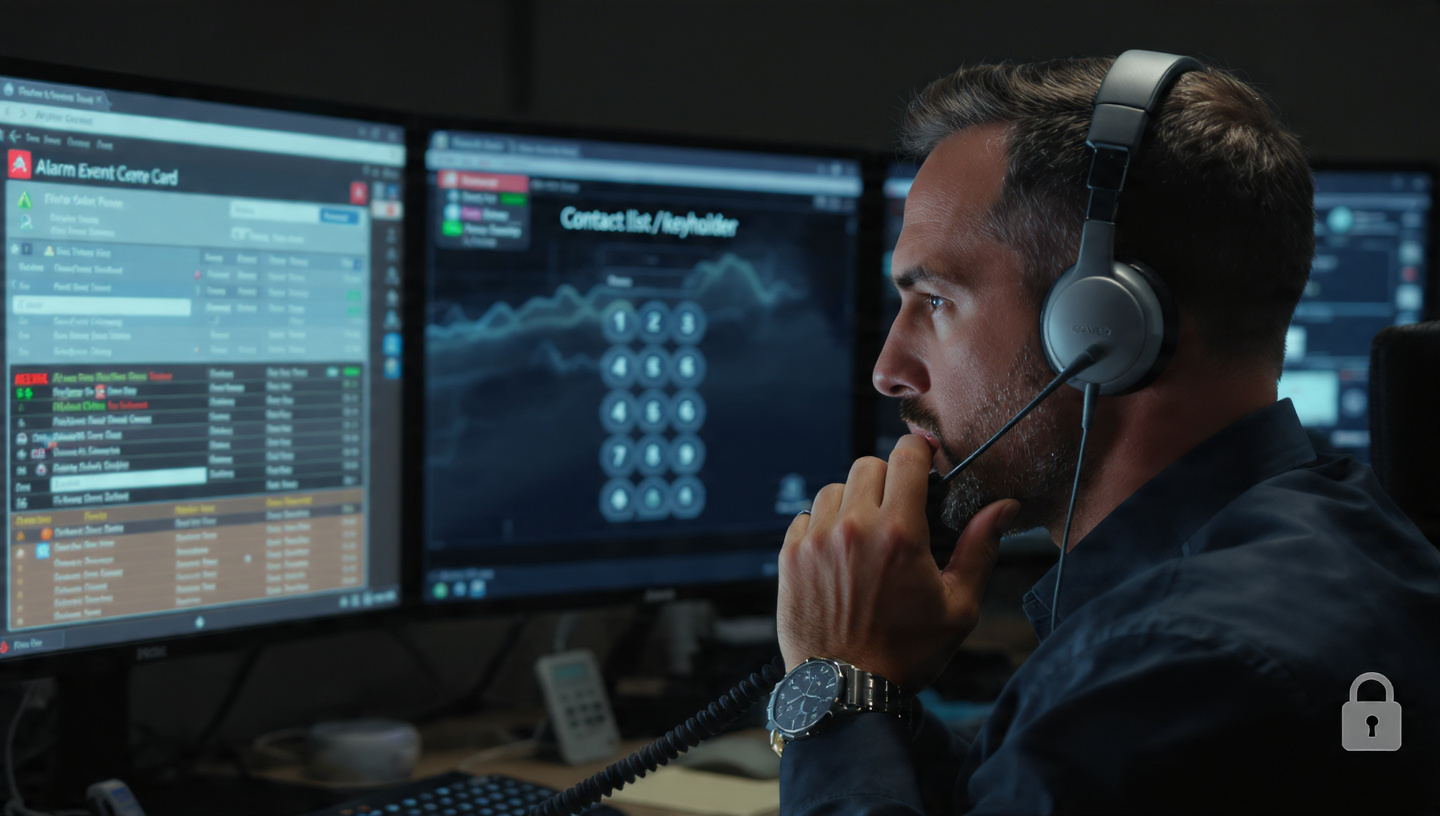
Back-to-base monitoring is a critical component of modern security systems, providing an essential layer of protection for both residential and commercial properties. This system connects alarm systems directly to a central monitoring station, often referred to as a Grade A1 monitoring center. When an alarm is triggered, the monitoring center receives an immediate notification, allowing for a swift response to potential threats. This real-time communication ensures that property owners are not left in the dark when it comes to their security, as trained professionals are constantly on alert, ready to act.
The concept of back-to-base monitoring is rooted in the need for enhanced security measures in an increasingly unpredictable world. With the rise in crime rates and the sophistication of criminal activities, traditional alarm systems that merely sound an alert are no longer sufficient. Back-to-base monitoring provides a proactive approach, where trained operators can assess the situation and determine the appropriate course of action. This level of vigilance not only deters potential intruders but also offers peace of mind to property owners, knowing that their safety is being actively monitored.
In addition to understanding the alarm verification steps and how response decisions are made in Back-to-Base Monitoring Sydney, it is essential to consider the broader context of business security. An insightful article on common mistakes in business security systems highlights vulnerabilities that many organizations face and offers practical solutions to enhance their security measures. For more information on this topic, you can read the article here: Is Your Business Vulnerable? Common Mistakes in Business Security Systems.

Importance of Alarm Verification
Alarm verification is a crucial step in the security process, serving as a safeguard against false alarms and ensuring that genuine threats are addressed promptly. In many cases, alarm systems can be triggered by non-threatening events, such as pets moving around or environmental factors like wind or rain. Without a verification process in place, these false alarms can lead to unnecessary responses from law enforcement or security personnel, wasting valuable resources and potentially desensitizing responders to actual emergencies.
The importance of alarm verification cannot be overstated, as it helps to streamline the response process and enhances overall security effectiveness. By confirming whether an alarm is legitimate before dispatching emergency services, monitoring centers can prioritize their responses and allocate resources more efficiently. This not only reduces the burden on law enforcement but also ensures that genuine threats receive the attention they require without delay. In essence, alarm verification acts as a filter, allowing for a more focused and effective security response.
Types of Alarm Verification
There are several methods of alarm verification that security companies employ to ensure that alarms are legitimate before taking action. One common approach is visual verification, which involves using video surveillance systems to confirm the presence of an intruder or other threats. This method allows monitoring personnel to assess the situation in real-time and make informed decisions about how to respond. Video verification can significantly reduce false alarms and enhance the overall effectiveness of a security system.
Another method of alarm verification is audio monitoring, which involves listening for sounds that may indicate a break-in or other emergency situations. This can include sounds such as breaking glass or voices indicating distress. Audio monitoring provides an additional layer of verification, allowing operators to gather more information about the situation before deciding on a response. By combining multiple verification methods, security companies can create a comprehensive approach that minimizes false alarms while ensuring rapid responses to genuine threats.
Verification through Video Surveillance
Video surveillance has become an integral part of modern security systems, offering a powerful tool for alarm verification. With advancements in technology, high-definition cameras can now provide clear images and video feeds that can be accessed remotely by monitoring personnel. When an alarm is triggered, operators can quickly review live footage to determine whether there is an actual threat present. This immediate access to visual information allows for informed decision-making and can significantly reduce response times.
Moreover, video surveillance systems often come equipped with features such as motion detection and night vision capabilities, further enhancing their effectiveness in verifying alarms. The ability to monitor multiple angles and areas simultaneously ensures comprehensive coverage of a property, making it difficult for intruders to evade detection. Additionally, recorded footage can serve as valuable evidence in the event of a crime, aiding law enforcement in their investigations and increasing the likelihood of apprehending suspects.
For those interested in enhancing their security measures, a related article discusses the importance of strategically positioning home security cameras to maximize their effectiveness. By understanding how to properly place these cameras, homeowners can significantly improve their surveillance capabilities, which complements the alarm verification steps outlined in the Back-to-Base Monitoring Sydney article. To learn more about optimizing your home security setup, you can read the full article on how to position your home security cameras.

Verification through Audio Monitoring
Audio monitoring is another effective method for verifying alarms and assessing potential threats. This technique involves using microphones strategically placed throughout a property to capture sounds that may indicate an emergency situation. For instance, if an alarm is triggered, operators can listen for sounds such as breaking glass, shouting, or other noises that may suggest a break-in or disturbance. This auditory information can provide critical context that visual surveillance alone may not capture.
The advantage of audio monitoring lies in its ability to detect subtle cues that may indicate danger. For example, if an intruder is attempting to gain entry into a home, the sounds of their actions can be picked up by audio devices before they even trigger an alarm. This early detection allows monitoring personnel to assess the situation more accurately and respond accordingly. By integrating audio monitoring with other verification methods, security systems can create a multi-faceted approach that enhances overall safety and reduces false alarms.
For businesses looking to enhance their security measures, understanding alarm verification steps is crucial in making informed response decisions. A related article discusses the top features of commercial alarm systems that provide total business protection, which can complement the insights found in the Back-to-Base Monitoring Sydney guide. By exploring the features outlined in this article, you can gain a deeper understanding of how effective alarm systems can contribute to a comprehensive security strategy. To learn more about these essential features, visit this article.
Verification through Motion Detection
Experience peace of mind with our 24/7 back-to-base alarm monitoring services that connect your home to Grade A1 monitoring centres for a rapid response.
Motion detection technology plays a vital role in alarm verification by identifying movement within designated areas of a property. When motion sensors are integrated into a security system, they can trigger alarms when unexpected movement is detected during specified hours or in restricted zones. This technology is particularly useful for identifying potential intruders who may be attempting to access a property without authorization.
Once motion is detected and an alarm is triggered, monitoring personnel can quickly assess the situation using video surveillance or audio monitoring tools. This combination allows for rapid verification of whether the motion was caused by an intruder or if it was simply due to environmental factors such as animals or weather conditions. By utilizing motion detection as part of a comprehensive verification strategy, security systems can effectively minimize false alarms while ensuring prompt responses to genuine threats.

Verification through Remote Access
Remote access technology has revolutionized the way property owners interact with their security systems. With mobile applications and web-based platforms, users can monitor their properties in real-time from virtually anywhere in the world. This capability not only enhances convenience but also plays a crucial role in alarm verification processes. When an alarm is triggered, property owners can receive instant notifications on their devices and access live feeds from their surveillance cameras.
This immediate access allows homeowners to verify alarms themselves before contacting authorities or security personnel. For instance, if an alarm goes off while someone is away from home, they can quickly check their video feeds to determine whether there is indeed a threat present. This level of control empowers property owners and enhances their ability to respond effectively to potential emergencies. Furthermore, remote access technology fosters greater engagement with security systems, encouraging users to stay informed about their property’s safety.
How Response Decisions Are Made
When an alarm is triggered and verified through various methods, response decisions must be made swiftly and effectively. Monitoring personnel play a crucial role in this process, utilizing their training and experience to assess the situation accurately. Factors such as the type of alarm triggered, the time of day, and any available visual or audio evidence all contribute to determining the appropriate response.
In many cases, if an alarm is verified as legitimate—such as through video footage showing an intruder—monitoring personnel will immediately contact local law enforcement or dispatch security personnel to the scene. Conversely, if the alarm appears to be false based on verification methods employed, operators may choose not to escalate the situation further. This decision-making process requires careful consideration and quick judgment to ensure that genuine threats are addressed while minimizing unnecessary responses.
Factors Considered in Response Decisions
Several factors influence how response decisions are made when an alarm is triggered. One primary consideration is the nature of the alarm itself; different types of alarms may warrant different responses based on their severity and potential risk levels. For example, a fire alarm would typically prompt immediate evacuation procedures and contact with fire services, while a burglary alarm may require verification before escalating further.
Additionally, the time of day plays a significant role in response decisions. An alarm triggered during business hours may be treated differently than one activated late at night when fewer people are present on-site. The presence of verified evidence—such as video footage showing suspicious activity—also heavily influences how operators respond. By weighing these factors carefully, monitoring personnel can make informed decisions that prioritize safety while optimizing resource allocation.
Importance of Professional Monitoring Services
Professional monitoring services are essential for ensuring effective security management across residential and commercial properties alike. These services provide round-the-clock surveillance by trained professionals who are equipped to handle various emergency situations efficiently. The expertise offered by professional monitoring teams enhances overall security effectiveness by ensuring that alarms are verified accurately and responses are executed promptly.
Moreover, professional monitoring services offer peace of mind for property owners who may not have the time or expertise to manage their security systems independently. Knowing that trained professionals are constantly monitoring their properties allows individuals to focus on other aspects of their lives without worrying about potential threats. In addition to providing immediate responses during emergencies, professional monitoring services also offer valuable insights into improving overall security strategies based on trends observed during monitoring activities.
Benefits of Back-to-Base Monitoring for Home and Business Security
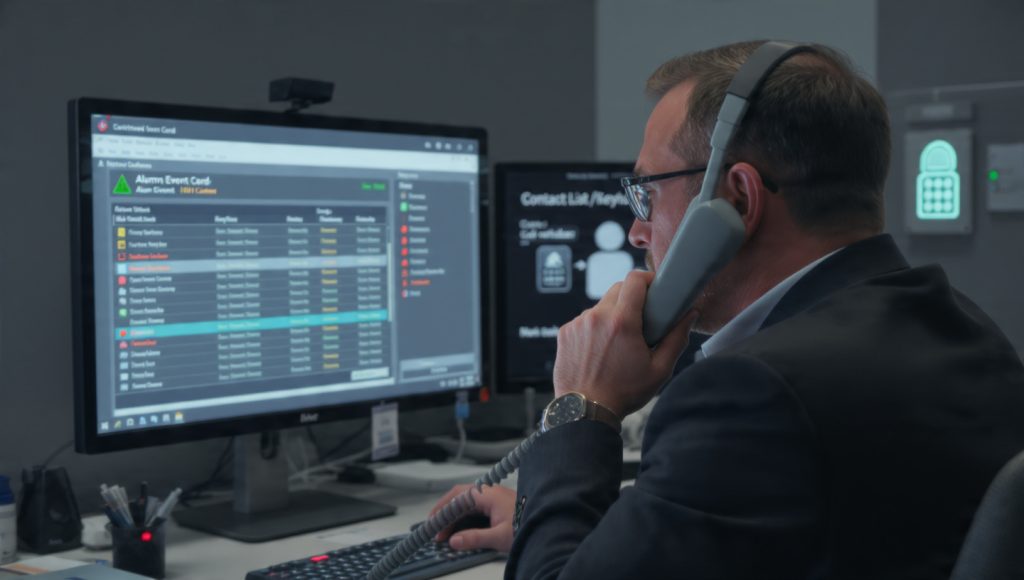
Back-to-base monitoring offers numerous benefits for both home and business security systems alike. One significant advantage is the enhanced level of protection it provides against potential threats. With constant surveillance from trained professionals at Grade A1 monitoring centers, property owners can rest assured that their safety is being prioritized at all times.
Additionally, back-to-base monitoring helps reduce false alarms through effective verification processes that utilize video surveillance, audio monitoring, motion detection technologies, and remote access capabilities. This not only minimizes unnecessary responses from law enforcement but also fosters better relationships between security providers and local authorities by ensuring that genuine emergencies receive prompt attention.
Furthermore, back-to-base monitoring systems often come equipped with advanced features such as smart home integration capabilities that allow users greater control over their properties’ safety measures—from lighting adjustments to climate control—all from one central system. This level of convenience enhances user engagement with security systems while promoting proactive measures for maintaining safety.
In conclusion, back-to-base monitoring represents a vital advancement in modern security practices that prioritizes effective response strategies while minimizing false alarms through comprehensive verification methods. By leveraging technology alongside professional expertise within this framework—property owners can enjoy enhanced peace of mind knowing they have taken proactive steps toward safeguarding what matters most: their homes and businesses alike.