


Alarm System Installation Sydney: Professional vs DIY
You’re standing in the hardware store looking at DIY alarm system boxes, thinking you could save a few hundred dollars by installing it yourself this weekend. The packaging makes it look simple—just stick sensors on doors and windows, download an app, and you’re protected, right?
Here’s the reality: security system installation isn’t like hanging a picture frame. The difference between professional installation and DIY setups often determines whether your system actually protects your property or just gives you a false sense of security.
Why Sensor Placement Makes or Breaks Your System
Professional installers spend years learning optimal sensor placement because physics and environmental factors dramatically affect performance. Place a motion sensor too close to a heat vent, and every time your heating kicks on, you’ll get false alarms. Mount it facing a window where sunlight streams through, and temperature changes will trigger constant alerts.
Height and angle matter enormously. PIR sensors have specific coverage patterns—cone-shaped detection zones that vary by model. An installer knows exactly where to mount each sensor for optimal coverage without blind spots. DIY installations frequently create gaps that experienced burglars exploit.
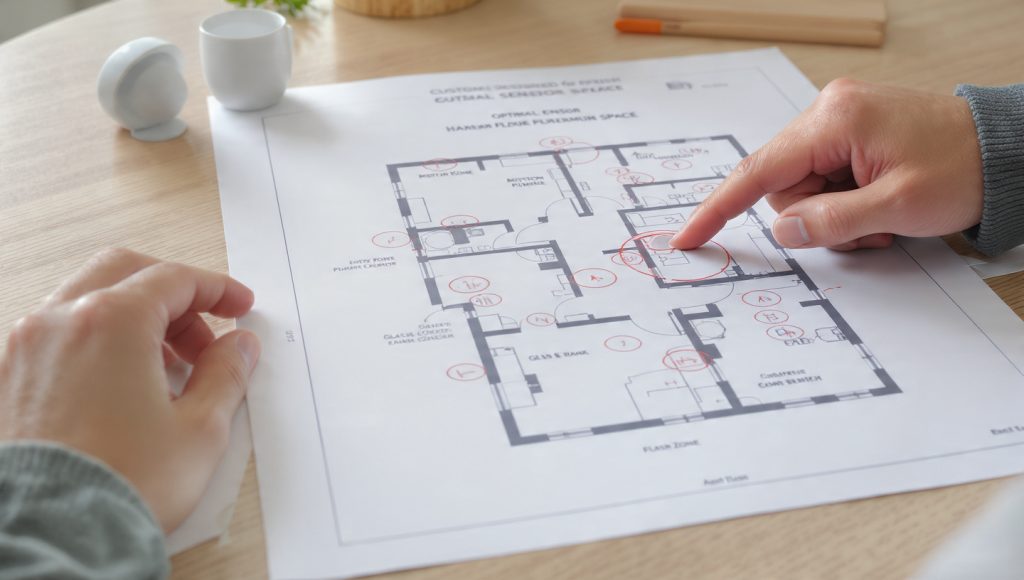
Corner placement, wall materials, ceiling height, furniture placement—all these factors influence sensor effectiveness. Professional installers conduct site surveys that account for your property’s unique characteristics. They understand how Sydney’s climate affects different sensor types and adjust placement accordingly.
The Hidden Complexity of Wireless Systems
Modern wireless alarm systems seem straightforward until you deal with signal interference, range limitations, and network security. Professional installers use spectrum analyzers to identify potential interference sources before installation.
Wi-Fi routers, cordless phones, baby monitors, even some LED lights can interfere with wireless security signals. Professionals know how to select frequencies and position devices to avoid these conflicts. DIY installers often don’t discover interference problems until their system fails at the worst possible moment.
Wireless range depends on building materials. Concrete and metal significantly reduce signal strength. Installers test signal strength throughout your property and add repeaters where necessary. DIY systems frequently have dead zones where sensors can’t communicate with the main panel.
Calibration and Sensitivity Settings
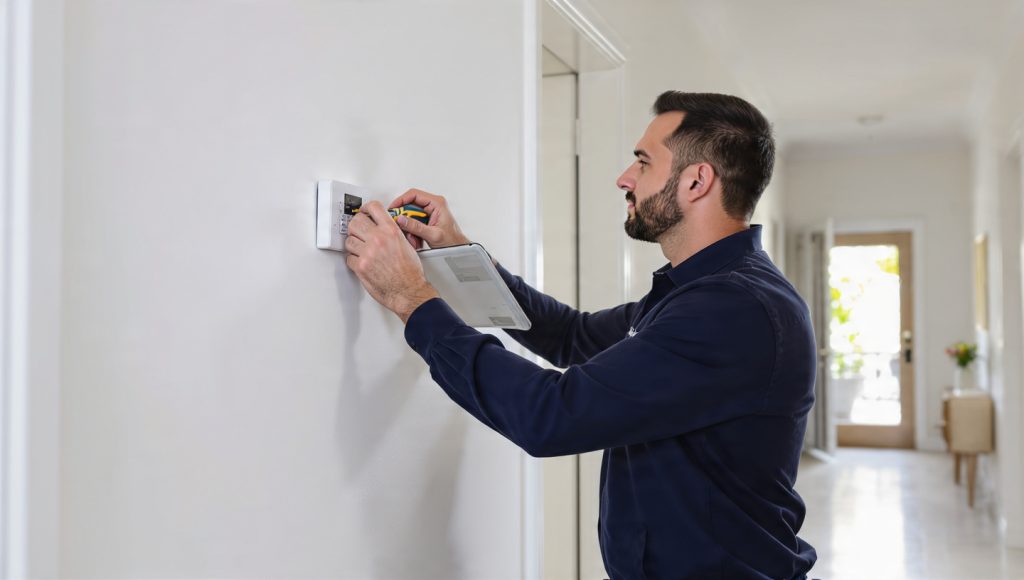
Every sensor requires precise calibration for your specific environment. Pet immunity settings need adjustment based on your animals’ size and behavior patterns. Glass break sensors require frequency calibration for your window types. Motion detectors need sensitivity adjustment for room size and typical activity patterns.
Professional installers spend considerable time fine-tuning these settings during installation and follow-up visits. They test each sensor under various conditions to ensure reliable performance. DIY users typically leave sensors at factory default settings, which rarely optimize for their actual environment.
Temperature compensation, humidity adjustment, and environmental filtering all require expertise to configure properly. These aren’t settings you adjust once—they need periodic recalibration as seasons change and your property’s conditions evolve.
Integration and System Architecture
Modern security systems integrate with cameras, smart locks, lighting, and other home automation devices. Professional installations ensure seamless integration across all platforms with reliable communication protocols.
Network security is critical—your alarm system is only as secure as its weakest connection point. Professionals implement encrypted communication, secure cloud connections, and proper network segmentation. DIY installations often leave security systems vulnerable to hacking because proper network security wasn’t configured.
Backup power systems, cellular connectivity, and redundant communication paths all require proper setup. If your internet goes down, will your alarm system still function? Professional installations include these contingencies from the start.
Compliance and Insurance Requirements
Australian Standards govern alarm system installation for good reason—improperly installed systems fail when you need them most. Professional installers hold certifications ensuring compliance with AS/NZS 2201.1 and related standards.
Insurance companies increasingly require certified professional installation to maintain coverage or receive security discounts. DIY installations may void your policy or prevent claims if a break-in occurs. The money you saved on installation could cost you thousands in denied insurance claims.
Many councils require permits and inspections for alarm systems, especially those connecting to emergency services. Professional installers handle all permitting and ensure your system meets local regulations. DIY installers often discover compliance issues only after problems occur.
The Testing and Verification Process
Professional installation includes comprehensive testing that goes beyond “does it beep.” Installers verify detection zones, test communication paths, simulate alarm conditions, and document system performance.
They test sensor patterns by walking through coverage areas, verify camera views and recording quality, ensure all entry points are properly monitored, and confirm backup systems function correctly. This testing identifies problems before your system goes live.
Follow-up visits address any issues that emerge during initial use and allow for fine-tuning based on your actual patterns. This ongoing relationship ensures optimal performance over time.
Long-Term Support and Maintenance
When your DIY system malfunctions at 2 AM, you’re on your own troubleshooting with online forums and customer service wait times. Professional installations come with ongoing support—technicians who know your specific system and can respond quickly to problems.
Maintenance requirements vary by sensor type and environmental conditions. Professionals schedule regular maintenance to clean sensors, test batteries, update firmware, and verify continued optimal performance. DIY users typically neglect maintenance until system failure occurs.
Technology evolves rapidly. Professional security companies provide upgrade paths that integrate new capabilities with your existing infrastructure. DIY systems often require complete replacement as technology advances.
The True Cost Comparison
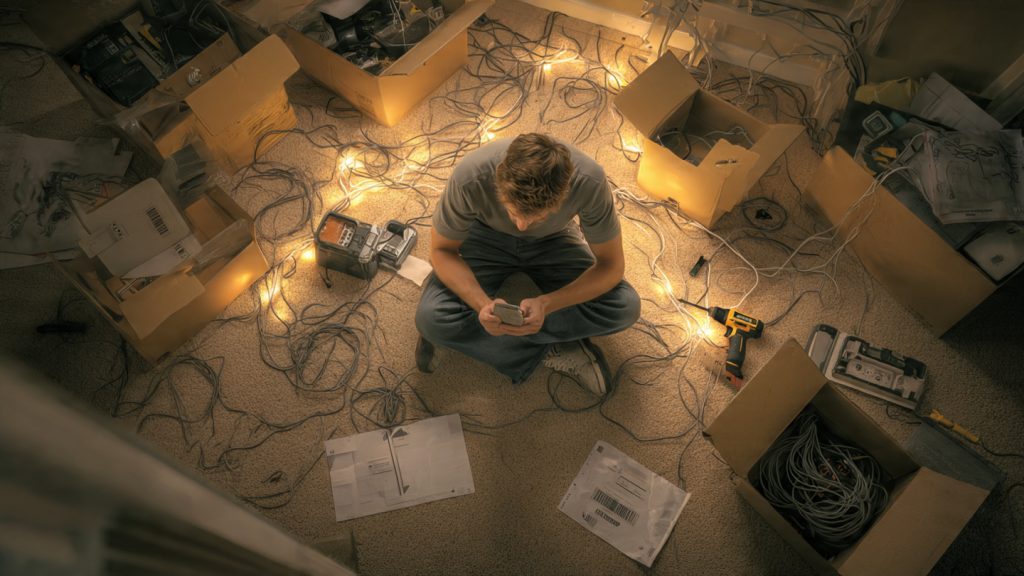
When calculating DIY versus professional installation costs, factor in more than equipment and initial installation time. Consider the value of proper placement and calibration, insurance discounts from certified installation, avoided false alarm fines, your time troubleshooting and maintaining the system, and peace of mind knowing it’s done right.
Professional installation typically pays for itself within the first year through insurance savings and avoided problems. The security performance difference is even more valuable but harder to quantify until you actually need your system to work.
Making the Right Choice
DIY security systems have their place for temporary situations or very basic needs. But if you’re serious about protecting your home or business, professional installation is a clear choice.
At Alpha Security Corp, we’ve seen countless cases where DIY installations failed during break-in attempts—sensors that didn’t trigger, cameras that weren’t recording, alarms that didn’t notify properly. These failures often cost far more than professional installation would have.
Your property deserves security that works reliably when you need it most. Professional Alarm System Installation ensures your system performs optimally from day one and continues protecting you for years to come. Don’t gamble with your security to save a few dollars—invest in protection that actually protects.
Read More: CCTV Sydney for Retail: Reduce Shrink, Prevent Disputes