


Monitored Alarm Systems Sydney
Picture this: it’s 2:30 AM on a Tuesday night, and your alarm systems just detected movement in your Sydney home’s living room. Your heart’s probably racing just thinking about it, right? But here’s the thing—most people know that a monitored alarm system “alerts someone” when it goes off, but very few understand what actually happens in those crucial first 60–120 seconds. In Sydney, where the difference between a minor incident and a major loss often comes down to rapid response, understanding how monitoring works isn’t just helpful—it’s essential.
You might be thinking, “Well, someone gets called, and then the police show up.” But there’s actually a whole choreographed sequence of events that unfolds behind the scenes, and frankly, it’s pretty impressive when you see how it all works together. This article breaks down the full journey of an alarm signal—from the moment a sensor trips to the point where a call centre operator, keyholder or police response is engaged—so you know exactly what you’re paying for when you choose a monitored system.
What Makes a Monitored Alarm Different From Your Basic Setup?
Let’s get one thing straight from the start. An unmonitored alarm is basically a really expensive noise maker that relies on local sirens and the hope that neighbours will notice and react. And let’s be honest—when was the last time you investigated a car alarm going off in your street? Exactly.
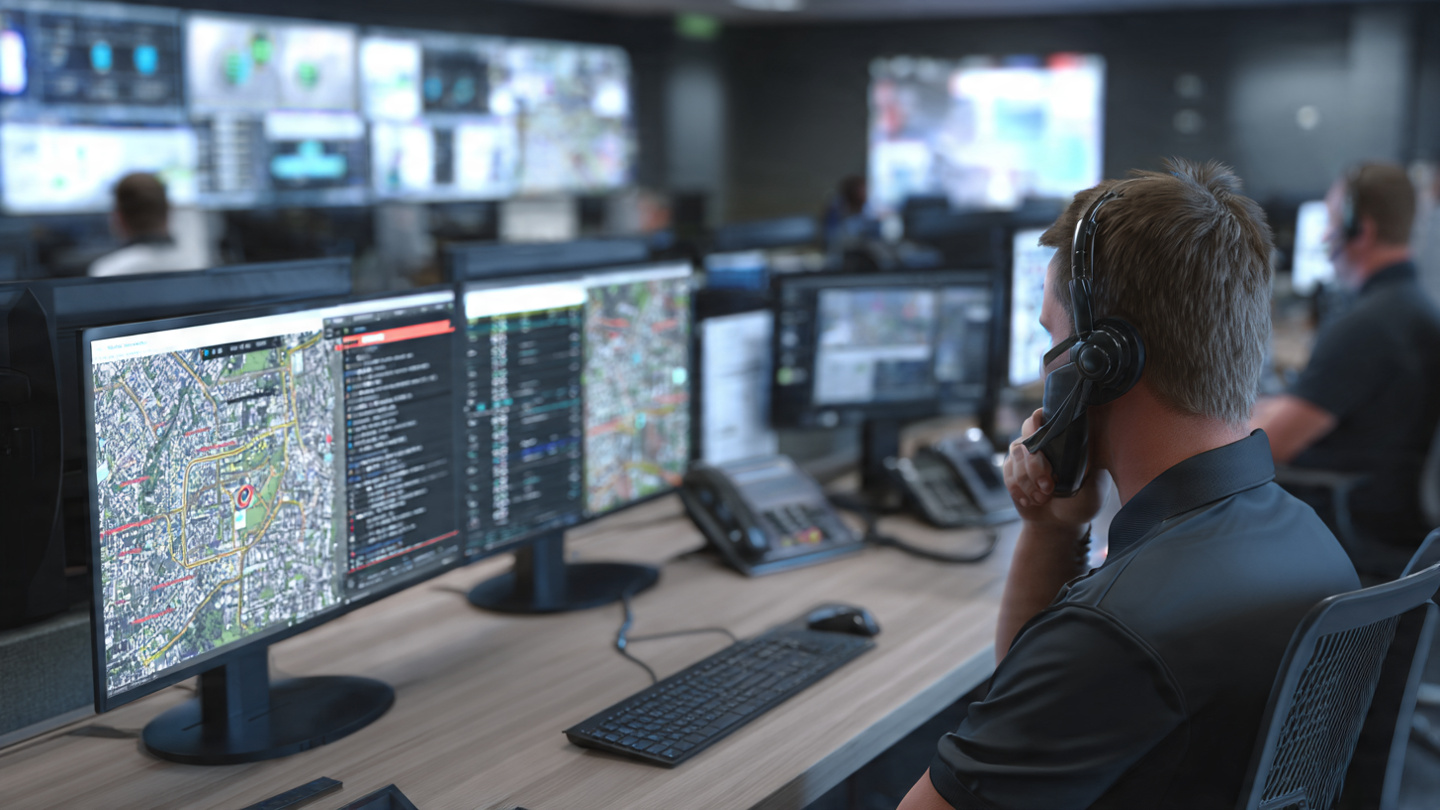
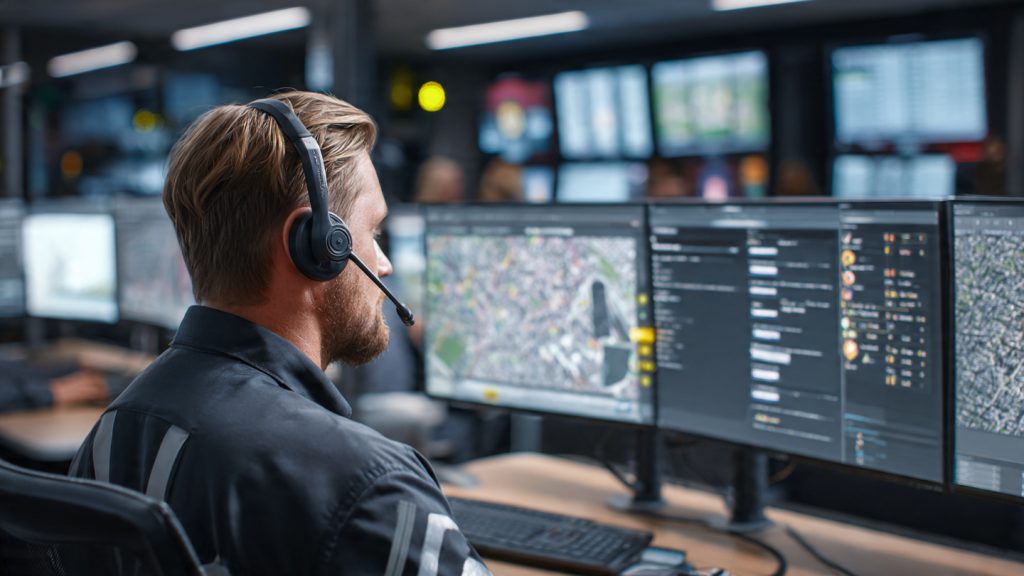
A monitored alarm, on the other hand, sends your alarm events to a professional monitoring centre that’s staffed 24/7 and follows strict procedures for response. It’s like having a security guard who never sleeps, never takes a coffee break, and never gets distracted by their phone.
Here’s what makes the difference:
Someone is always watching the system status, even when you’re fast asleep or halfway around the world on holidays. Alarm events are logged, prioritised and acted upon according to agreed rules—not left to chance. Multiple communication paths, such as IP and 4G, can be used to reach the monitoring centre, so even if one fails, you’re still covered.
For many Sydney households and almost all commercial premises, this step up from “noise only” to professionally monitored protection is what turns a security system from a deterrent into proper risk management. It’s the difference between hoping someone notices and knowing someone will respond.
The psychological impact alone is significant. Knowing that trained professionals are watching over your property provides a level of confidence that extends beyond the physical security measures. This peace of mind translates into better sleep, reduced anxiety when travelling, and the ability to focus on your business or family without constantly worrying about security threats.
Moreover, insurance companies recognise the value of monitored systems. Many insurers offer substantial discounts on premiums for properties equipped with professionally monitored alarms, often covering a significant portion of the monthly monitoring costs. This financial benefit, combined with the enhanced security, makes monitored systems an investment that pays dividends both in protection and savings.
The Building Blocks: Components of a Monitored Alarm System
Now, you might be wondering what actually makes up one of these systems. A monitored system uses the same on‑site hardware as a high‑quality standalone alarm, but adds monitoring hardware and services that turn it into something much more powerful.
The core elements include your alarm control panel, which receives sensor signals and determines when to send an alarm event. You’ve got your intrusion sensors covering doors, windows, motion detectors, glass breaks and other devices. Then there are the sirens and keypads for local notification and system control—because you still want that immediate deterrent effect.
But here’s where it gets interesting: the communicator. This is the IP or dual‑path communicator that sends alarm events to the monitoring centre. Think of it as the messenger that never gets tired or forgets to deliver important news. Finally, there’s the monitoring centre itself—an A1‑grade or similar facility staffed around the clock by professionals who know exactly what to do when your system calls for help.
Alpha Security Corp designs and installs systems ready for back‑to‑base monitoring, ensuring the panel and communicator are compatible with the monitoring platform used. It’s not just about throwing components together—it’s about creating a system that works seamlessly when you need it most.
The sophistication of modern communicators deserves special mention. Today’s devices can utilise multiple communication pathways simultaneously, including ethernet connections, Wi-Fi networks, and cellular data. This redundancy ensures that even if your internet connection fails or phone lines are cut, your alarm system maintains its lifeline to the monitoring centre. Some advanced communicators can even detect communication failures and automatically switch to backup pathways within seconds.
Environmental monitoring capabilities have also evolved significantly. Modern systems can integrate smoke detectors, carbon monoxide sensors, flood detectors, and temperature monitors. This means your monitored system isn’t just protecting against break-ins—it’s providing comprehensive property protection against a wide range of threats that could cause significant damage or endanger lives.
Step‑by‑Step: What Happens When Your Alarm Triggers
Alright, let’s walk through this process step by step. Understanding the timeline helps you see the real value of monitoring and what you can expect during an actual event. Trust me, it’s more sophisticated than you might think.
Step 1: Sensor Activation
It all starts when something happens. A door opens, a window gets forced, or a motion sensor detects movement in an armed area. The sensor immediately sends an “alarm” signal to the control panel. Now, depending on how your system’s programmed, the panel might apply entry or exit delays for designated entry points, or trigger an instant alarm for sensitive areas or panic devices.
This isn’t random—it’s all about giving you time to disarm if you’re coming home legitimately, while still protecting against genuine intrusions.
Step 2: The Control Panel Makes Its Decision
Here’s where your system gets smart. The panel checks which zone triggered, what the current arming mode is (away, stay, night), and any programmed delays and rules. It then classifies the event—burglary or intrusion, fire if smoke detectors are integrated, panic or duress, or tamper and system faults.
Think of this as your system’s brain making a quick assessment: “Is this something I need to tell the monitoring centre about right now?”
Step 3: Signal Sent to the Monitoring Centre
If the event meets the criteria for a reportable alarm, the communicator sends an encrypted signal to the monitoring centre. This signal includes your account ID identifying your premises, the event type like burglary or panic, zone number or description, and a time and date stamp.
With a reliable communicator and A1‑grade monitoring, this entire process from sensor activation to signal receipt typically happens in seconds. We’re talking faster than you can say “What was that noise?”
Step 4: Monitoring Centre Receives and Prioritises
Once received, the monitoring software logs the event and flags it to an operator according to priority categories. Highest priority goes to panic, duress, hold‑up, and fire situations. High priority covers confirmed intrusion with multiple zones or after‑hours events. Medium priority handles single zone activations in lower‑risk areas.
The operator immediately opens your account details, including contact lists, response instructions and site notes. This isn’t a generic response—it’s tailored to your specific situation and preferences.
Step 5: Verification and First Contact
Now here’s where things get really professional. To reduce false dispatches and ensure appropriate response, the operator may follow verification procedures. They might call the premises contact numbers, check for subsequent zone activations, or review notes about pets, known issues or repairs.
Who gets contacted first depends on the event type and priority, your agreed instructions, and whether there’s additional verification like CCTV available. A typical sequence might involve calling the premises or primary contact to verify, then if unanswered or confirmed as a real event, contacting nominated keyholders, and finally contacting police or patrols where applicable and authorised.
Step 6: Escalation to Emergency Services or Patrol
If the alarm is verified as a genuine emergency—or meets certain criteria for immediate escalation—the operator will call the relevant emergency services in line with local protocols and dispatch a security patrol if that service is included in your plan.
For commercial sites in Sydney, this could also involve notifying a manager or duty officer, or arranging for a guard to meet a keyholder on site. It’s all about having the right response for the right situation.
Step 7: Incident Logging and Follow‑Up
Every event, call and decision gets logged in the monitoring system. After the situation’s under control, you or your nominated contacts can request a report to see the alarm time and zone, call attempts and outcomes, and any patrol dispatch and observations.
For businesses, these logs can be crucial for internal reviews, insurance claims and compliance requirements. It’s not just about responding to the immediate threat—it’s about learning and improving for next time.
Who Actually Gets Contacted First?

This is probably the most common question Sydney homeowners and business owners ask, and honestly, it’s a good one. The answer is: it depends on your instructions and the event type. I know that might sound like a cop‑out, but hear me out.
For panic or duress alarms, there’s usually direct escalation to emergency services and key contacts according to your plan. Fire alarms, where monitored, typically trigger contact to fire services and nominated fire wardens or building managers. Intrusion alarms usually start with calling the premises or keyholder first, then escalate to police or patrols if confirmed or if no contact can be made and the risk is high.
When Alpha Security connects a new client to monitoring, the team helps you build a contact tree that reflects your risk tolerance and preferred order of contact. It’s not one‑size‑fits‑all—it’s designed around how you want your security to work.
The contact hierarchy can be surprisingly nuanced. For instance, during business hours, you might want the primary contact to be the office manager or security coordinator. After hours, weekends, and holidays, the contact priority might shift to different personnel. Some businesses establish tiered contact systems where the monitoring centre attempts to reach the first-tier contacts within a specified timeframe before escalating to second-tier contacts.
Geographic considerations also play a role in Sydney’s sprawling metropolitan area. If you have multiple keyholders, the system can be programmed to contact the one closest to the premises first, reducing response time. Advanced monitoring systems can even integrate with GPS tracking to identify which authorised personnel are nearest to the location during an emergency.
Reducing False Alarms in Monitored Systems
Let’s talk about the elephant in the room: false alarms. They have real consequences—wasted time, potential fees and complacency. Nobody wants to be the person whose system cries wolf so often that everyone stops taking it seriously.
A good monitored solution actively works to reduce these without reducing security. It starts with good system design. The combination of reed switches, PIRs, dual‑tech sensors and glass break detectors should be tailored to your property. This design is the foundation of fewer false activations.
User training and procedures are equally important. Everyone who uses the system needs to know their code and the right arming mode. Businesses need clear opening and closing procedures, and monitoring contact details must be kept up to date so operators can reach the right people quickly.
Professional maintenance is the third piece of the puzzle. Regular maintenance checks—including battery tests, sensor cleaning and communication tests—help ensure genuine alarms get through and faults don’t cause nuisance events. Alpha Security offers maintenance services that complement monitored alarm installations, keeping your system performing at its best.
Environmental factors unique to Sydney’s climate can contribute to false alarms if not properly addressed. High humidity, temperature fluctuations, and seasonal weather patterns can affect sensor performance. Professional installers understand these local conditions and select sensors and positioning strategies that minimise weather-related false alarms while maintaining security effectiveness.
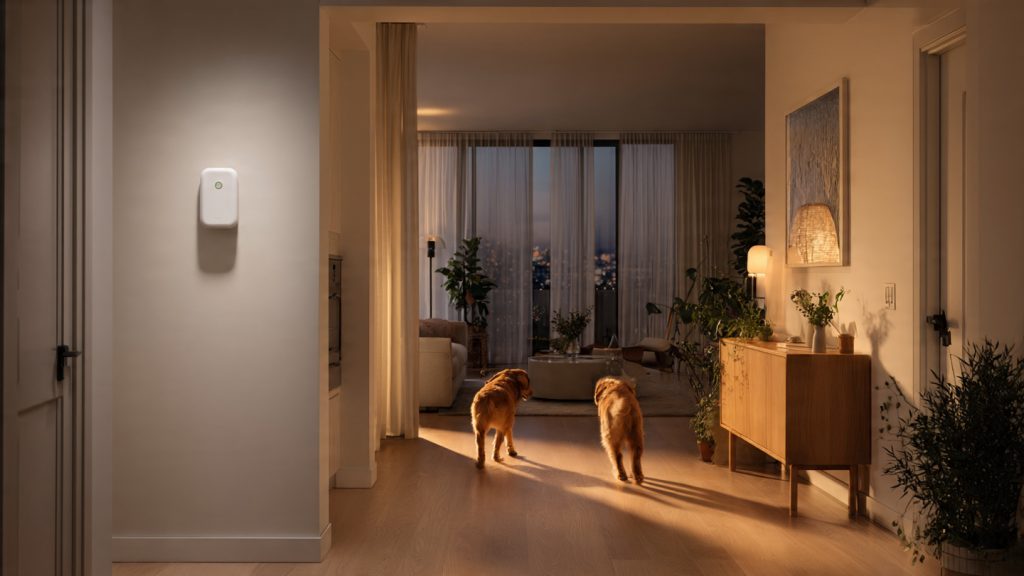
Pet-friendly motion detectors deserve special mention, as pet ownership is extremely common in Sydney households. Modern pet-immune sensors can distinguish between the heat signature and movement patterns of pets versus intruders. Proper installation height and angle adjustment ensures that your family cat or dog won’t trigger false alarms while maintaining protection against human-sized threats.
Integrating Monitoring with CCTV and Smart Devices
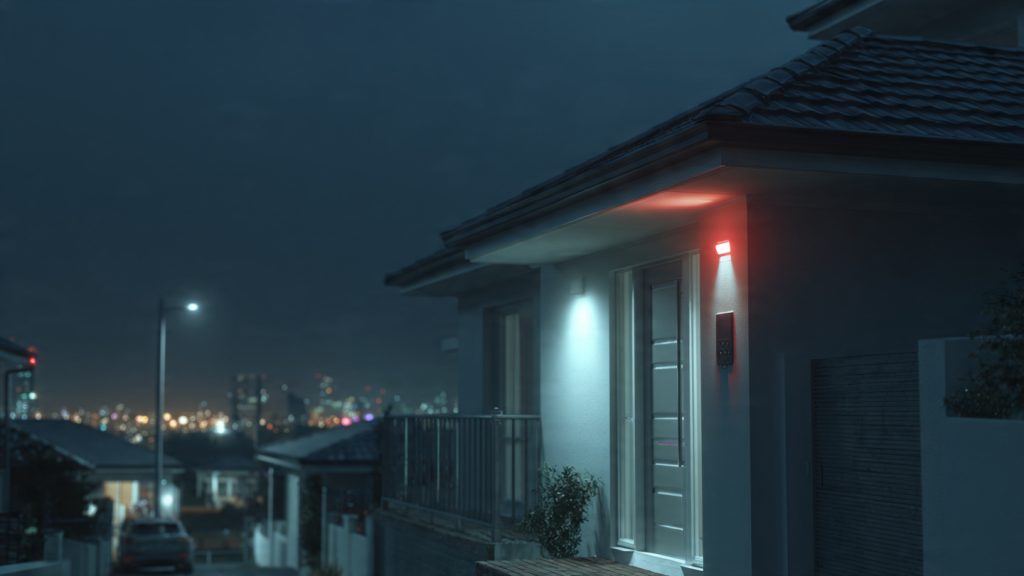
Here’s where things get really exciting. Monitored alarms become even more powerful when combined with CCTV and smart technologies. It’s like upgrading from a bicycle to a motorcycle—same destination, much better ride.
CCTV verification is a game‑changer. Cameras positioned to view key doors, hallways and external approaches allow rapid verification of events. In some cases, monitoring operators can be granted temporary access to live views during an alarm for better decision‑making, subject to your agreement of course.
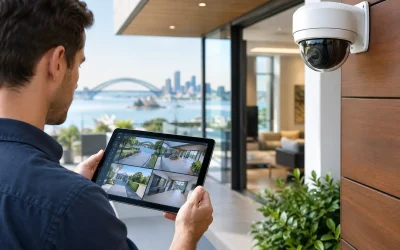
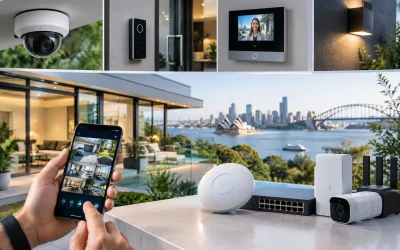
Smart notifications and remote control add another layer of convenience and security. Mobile apps can send push notifications when the system arms, disarms or goes into alarm. Smart integration allows you to arm your alarm, check cameras and control lights from your phone—whether you’re in the next room or on the other side of the world.
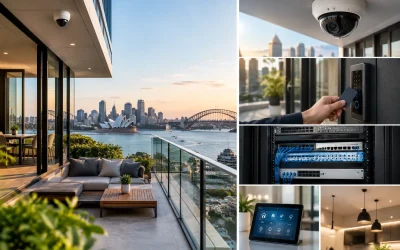
Alpha Security’s experience across alarms, CCTV and smart home solutions allows clients to benefit from integrated setups rather than standalone systems. It’s about creating a comprehensive security ecosystem, not just individual components.
Artificial intelligence and machine learning are beginning to revolutionise video verification. Advanced systems can now distinguish between different types of movement—differentiating between swaying trees, small animals, and human intruders. This technology significantly reduces false alarms while providing monitoring operators with more accurate information about the nature of detected activity.
Integration with smart home ecosystems opens up possibilities for automated responses beyond traditional security measures. When an intrusion is detected, the system can automatically turn on lights throughout the property, lock smart locks, and even adjust thermostats to indicate occupancy. These coordinated responses can deter intruders while providing additional verification information to monitoring operators.
Why Sydney Homes and Businesses Choose Alpha Security for Monitoring‑Ready Alarms
Alpha Security Corp provides certified installation of commercial and residential alarm systems built to Australian standards and designed for professional monitoring. It’s not about cutting corners or using generic solutions—it’s about doing it right the first time.
Clients benefit from tailored alarm design, not generic “one‑box” installs. There’s support for back‑to‑base monitoring with robust communicators, integration with CCTV, intercoms and smart home platforms, and ongoing service support backed by electrical expertise.
When you’re investing in security, you want to know you’re working with people who understand both the technology and your specific needs. That’s what sets professional installation apart from DIY solutions or cookie‑cutter approaches.
Take the Next Step: Move From “Noise Only” to Monitored Protection
If your current system simply makes a noise and hopes for the best, you’re leaving a lot to chance. A monitored alarm gives you a defined, repeatable response pathway every time something happens. It’s the difference between crossing your fingers and having a professional team ready to respond.
The investment in monitoring isn’t just about the monthly fee—it’s about peace of mind, faster response times, and knowing that when something goes wrong, there’s a system in place to help. For Sydney homes and businesses, where security threats are real and response times matter, that’s not just valuable—it’s essential.
Ready to upgrade your security from basic noise‑making to professional monitoring? Contact Alpha Security Corp today to discuss monitored alarm options for your Sydney home or business. Make sure that when your system triggers, the right people are contacted in the right order—every time. Don’t leave your security to chance when you can have a professional efficient alarm system watching over what matters most to you.
Read More: Choosing the Right Alarm Monitoring Service in Sydney