


Alarm Monitoring Grade A1: What “Highest Alarm Monitoring Grade” Means for Response Speed
You’ve probably seen the term “A1-grade monitoring” thrown around in security brochures and sales pitches, but what does it actually mean for your alarm system? And more importantly, how does it affect the speed and reliability of response when something goes wrong at your property?
Look, I get it. Security terminology can feel like alphabet soup sometimes. But understanding alarm monitoring grades isn’t just about technical jargon—it’s about knowing whether your security investment will actually protect you when it matters most. Let’s break down what Grade A1 monitoring really means and why it could be the difference between a quick response and a costly delay.
Understanding Alarm Monitoring Grades: The Foundation of Security Response
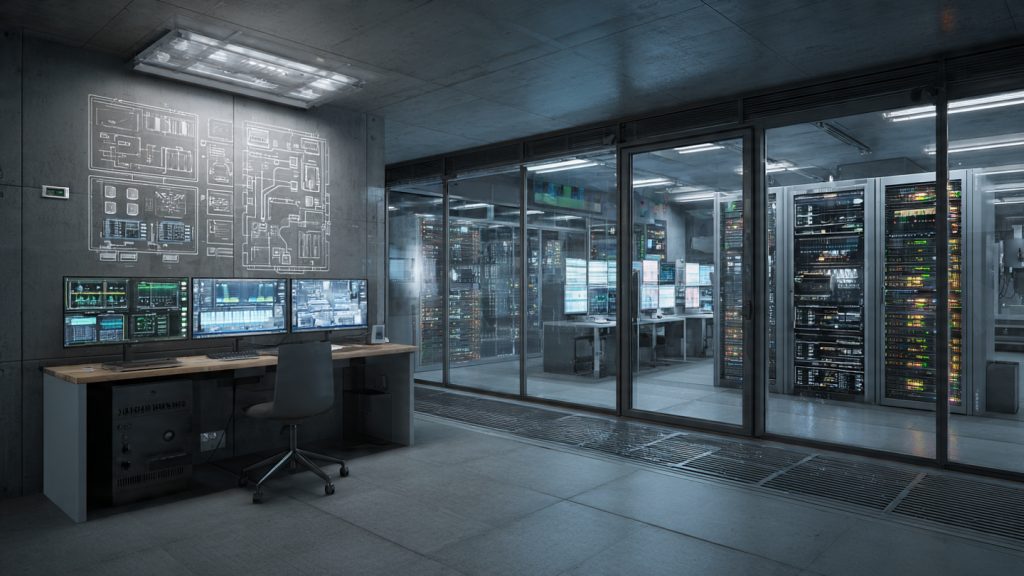
Think of alarm monitoring grades like restaurant health ratings or hotel star classifications. They’re standards that specify how monitoring centres—also called central stations—must be built, equipped, and staffed to provide a certain level of security service.
These standards aren’t just suggestions. They cover critical areas like physical security of the control room building, redundancy of power and communications, staffing levels and training requirements, and response procedures with specific performance expectations. You might be thinking, “Okay, but why should I care about what happens behind the scenes?” Here’s the thing: not all monitoring providers are created equal.
The grading system itself originated from insurance industry requirements and government regulations recognising that different levels of protection demand different levels of monitoring capability. In Australia, these standards are governed by Australian Standards AS 2201.5 and recognised by security industry bodies, ensuring consistency across providers.
What many people don’t realise is that the grade of your monitoring centre directly impacts your insurance premiums and coverage. Insurance companies understand that higher-grade monitoring translates to faster response times, reduced losses, and more successful crime prevention. This is why many commercial insurance policies specifically require A1-grade monitoring for full coverage benefits.
The difference between monitoring grades becomes especially apparent during peak periods. Lower-grade centres might struggle with high call volumes during storms or public events, leading to delayed responses when you need them most. A1-grade centres are specifically designed to maintain consistent performance regardless of external pressures.
Higher grades reflect more stringent requirements and typically correlate with better reliability and faster, more consistent response. It’s like the difference between having your emergency calls handled by a professional 911 dispatch center versus someone’s home office. The infrastructure, training, and procedures make all the difference when seconds count.
Grade A1 Monitoring: The Gold Standard Explained
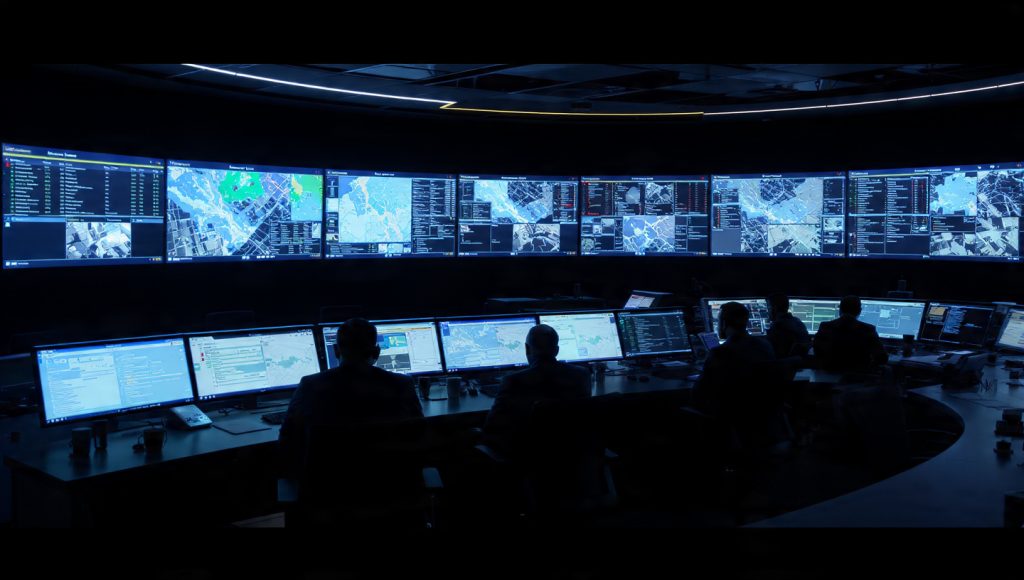
Grade A1 is widely recognised as the highest monitoring grade for alarm centres in Australia. It represents a facility that’s designed to continue operating under adverse conditions and to process alarm events quickly and accurately, no matter what’s happening in the outside world.
To achieve A1 certification, monitoring centres must undergo rigorous third-party auditing processes that examine every aspect of their operation. These audits aren’t just paperwork exercises—they involve physical inspection of facilities, testing of backup systems, verification of staff training records, and simulation of emergency scenarios to ensure the centre can perform under pressure.
The certification process typically takes months and requires substantial investment in infrastructure, training, and ongoing compliance measures. This isn’t something that can be achieved overnight or maintained without serious commitment to operational excellence.
Picture this: it’s 2 AM during a severe storm in Sydney. Power lines are down, internet connections are spotty, and emergency services are stretched thin. An A1-grade monitoring centre? It’s still running at full capacity with trained operators on duty, backup generators humming, and multiple communication paths ensuring your alarm signals get through.
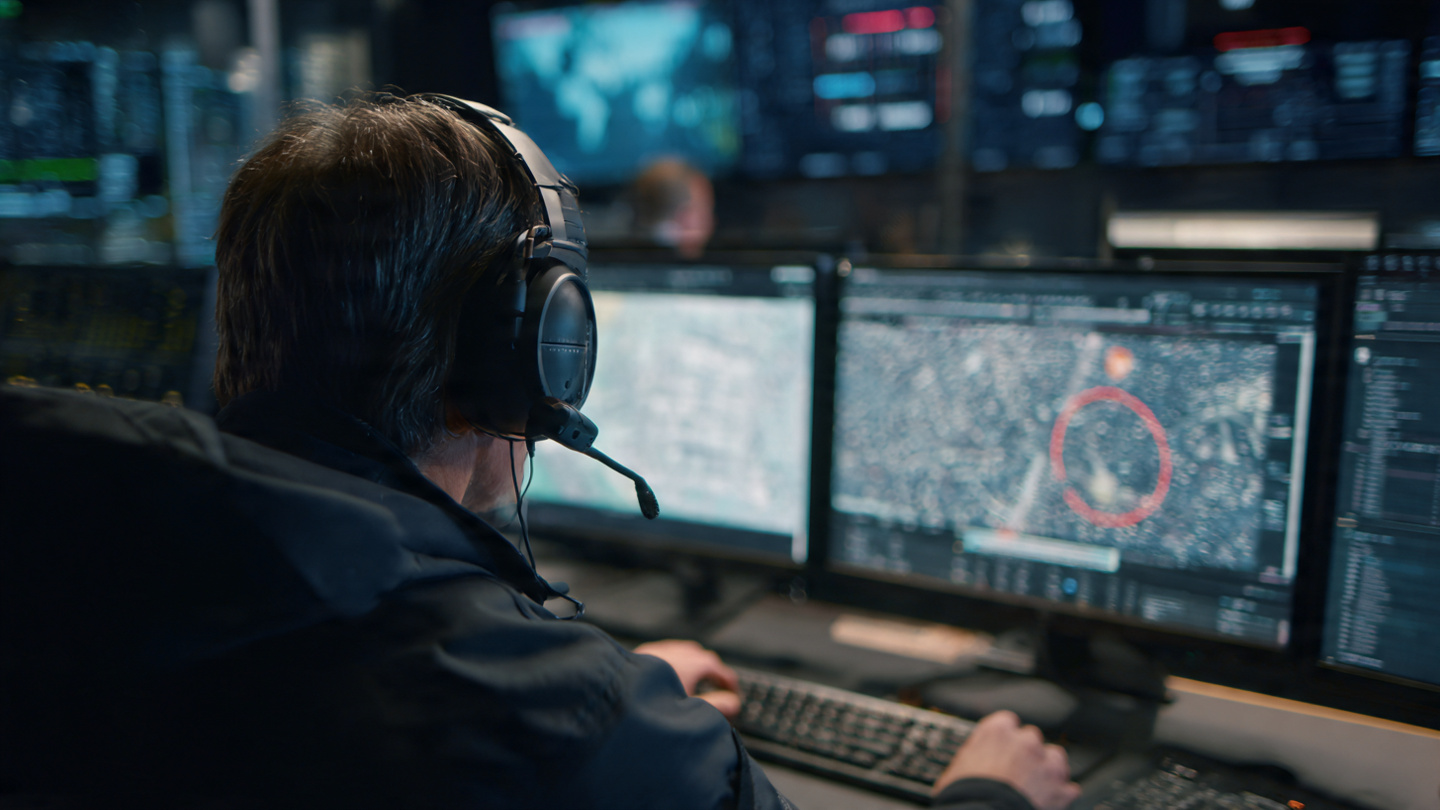
Key characteristics of A1-grade monitoring include 24/7 staffed operations with trained operators on duty at all times. We’re not talking about someone checking their phone occasionally or an automated system that might miss critical details. These are professional operators who’ve been trained to handle different types of emergencies and follow specific protocols.
These operators undergo extensive training programs covering everything from basic alarm system technology to advanced emergency response procedures. They must demonstrate competency in handling multiple simultaneous events, understanding complex alarm patterns, and making critical decisions under pressure. Regular refresher training and performance evaluations ensure skills remain sharp.
Redundant power systems are another crucial element. Backup generators and battery systems keep the centre running during outages that might last hours or even days. When your alarm system is connected to an A1-grade monitoring centre, you’re not relying on someone’s mobile phone, a single internet connection, or an office that closes at 5 PM.
Multiple communication carriers and paths ensure reliability. If one network goes down, others can carry alarm traffic. This redundancy extends to the monitoring centre’s connection to emergency services, security companies, and you as the customer.
Hardened facilities provide physical protection. These centres have access control, surveillance, and physical security measures protecting the monitoring site itself. After all, what good is a monitoring centre if it can be easily compromised?
How A1-Grade Design Dramatically Improves Response Speed
Response speed isn’t just about someone answering the phone quickly. It’s about the entire chain from signal receipt to action, and A1-grade centres excel at every link in that chain.
Faster, More Reliable Signal Handling
Because A1-grade centres use industrial-grade receivers, redundant networks, and robust software, alarm signals are processed in a consistent timeframe, even during high-volume periods. Your alarm signals are far less likely to be delayed or lost in the digital shuffle.
The technology infrastructure in A1-grade centres is designed for mission-critical operations. This means enterprise-grade servers with hot-swappable components, redundant data storage systems, and network equipment that can handle massive traffic spikes without degradation. Signal processing happens in milliseconds rather than seconds, and automated systems can pre-sort events by priority before they even reach human operators.
Advanced queue management systems ensure that high-priority events like panic alarms or confirmed intrusions jump to the front of the line, while routine maintenance signals or low-priority alerts are handled in order. This intelligent prioritisation can mean the difference between a 30-second response and a 10-minute delay during busy periods.
Operators receive clear, standardised event codes and zone information rather than vague notifications. Alarm queues are managed by priority systems, not manually sorted in a chaotic way that might leave your emergency sitting behind dozens of less urgent events.
I’ve seen too many cases where lower-grade monitoring resulted in delayed responses simply because the infrastructure couldn’t handle normal traffic, let alone emergency spikes. With A1 monitoring, that’s not a concern.
Trained Operators Following Strict Procedures
A1 facilities must demonstrate that operators follow defined procedures for different event types, and that they’re properly trained and supervised. This leads to faster identification of genuine emergencies, less time wasted on confusion or guesswork, and consistent handling of events across day, night, and weekend shifts.
Think about it this way: would you rather have your emergency handled by someone who’s been specifically trained to recognize different alarm patterns and knows exactly what steps to take, or by someone who’s figuring it out as they go?
Capacity Under Stress
Major storms, wide-area power outages, or regional incidents can cause spikes in alarm activity that would overwhelm lesser monitoring centres. A1-grade centres are designed to keep operating under those conditions and handle increased workloads without compromising response times.
For Sydney clients, this means your alarm won’t sit in a queue behind hundreds of other events with no clear process for prioritisation. Even during the busiest nights, your emergency gets the attention it deserves.
The Critical Role of Redundancy in Reliable Monitoring

An alarm system that works “most of the time” isn’t much comfort if it fails during the one event that matters most. Grade A1 monitoring improves uptime through multiple layers of redundancy that ensure your protection never has a single point of failure.
Power Redundancy That Never Sleeps
Backup batteries and generators keep servers, receivers, and operator stations running during extended outages. But it’s not just about having backup power—it’s about having backup power that’s regularly maintained and tested according to strict standards.
Regular maintenance and testing of power systems are part of the grade requirements, ensuring that when the lights go out in your neighbourhood, your monitoring centre is still watching over your property.
Communications Redundancy for Uninterrupted Connection
Multiple communication carriers and technologies connect the monitoring centre to the outside world. If one network experiences problems, others seamlessly carry alarm traffic. For your premises, using dual-path communicators—like IP plus 4G—further increases the chance that an alarm signal reaches the monitoring centre no matter what’s happening with local infrastructure.
This redundancy extends beyond just getting signals to the monitoring centre. A1-grade facilities also maintain multiple paths for contacting emergency services, keyholders, and security response teams.
Real-World Scenarios: A1 Monitoring in Action

Let me paint you a picture of how alarm Monitoring Grade A1 makes a real difference in actual emergency situations.
Scenario 1: Night-Time Break-In at a Suburban Home
It’s 2:30 AM in a quiet Sydney suburb. A burglar targets a home, attempting to pry open a rear door. This triggers the door contact and then a motion sensor inside as they enter.
With A1-grade monitoring, the alarm signals reach the centre within seconds over secure, redundant channels. Operators immediately see multiple zone activations during after-hours and treat the event as high priority. They attempt to contact the homeowner and designated keyholders, then escalate according to pre-established instructions, which may include police or security patrol response.
The homeowner doesn’t have to rely solely on neighbours hearing a siren and deciding whether to investigate—or worse, hoping their phone happens to be on and within reach to receive an app notification.
Scenario 2: After-Hours Business Activation
A commercial premises has been experiencing repeated false alarms due to aging equipment. After upgrading to a professionally installed system monitored by an A1-grade centre, the alarm design and event handling improve dramatically.
Now, genuine activations are prioritised and acted on quickly with clear protocols. Detailed logs allow management to see patterns and address specific risks proactively. The monitoring centre can coordinate with security guards and on-call managers in a structured way that ensures nothing falls through the cracks.
A1 Monitoring vs. DIY App-Based “Self Monitoring”
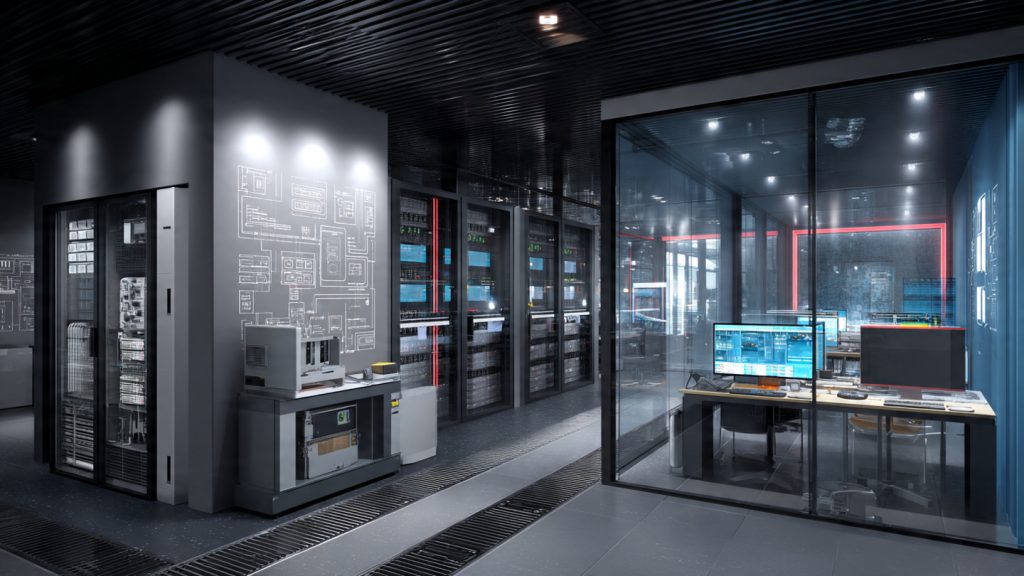
Many consumer systems rely on app notifications alone—if something happens, your phone buzzes. That’s better than nothing, but it has some pretty significant limitations that become apparent when you need your security system most.
The Limitations of Self-Monitoring
Notifications can be missed if your phone is off, out of coverage, or in “Do Not Disturb” mode. There’s no backup if you’re driving, on a plane, or overseas for business or vacation. You must personally decide whether to call police or neighbours, often with limited information about what’s actually happening at your property.
Plus, let’s be honest—how many of us have become numb to phone notifications? In our always-connected world, it’s easy for a critical security alert to get lost among dozens of other pings and buzzes.
The Advantages of A1-Grade Professional Monitoring
Dedicated operators are watching your account 24/7, ready to spring into action at a moment’s notice. Structured response plans are tailored specifically to your property and situation. Comprehensive event logs and reporting support insurance claims and incident review processes.
For homes and especially for businesses, combining app access with A1-grade monitoring gives you the convenience of self-viewing plus the resilience of a professional response layer. You get the best of both worlds—immediate awareness and professional backup.
Implementing A1-Grade Monitoring for Your Property
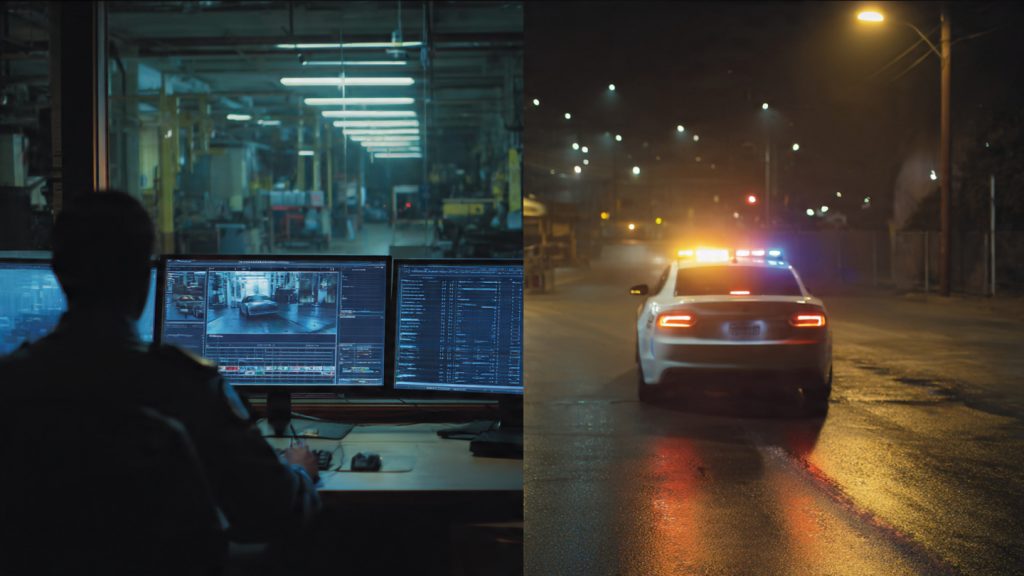
When designing and installing alarm systems, compatibility with high-grade monitoring infrastructure should be a primary consideration from day one. This means using reliable brands known for their integration capabilities and configuring systems for efficient reporting to monitoring centres.
Proper zoning and event codes ensure that monitoring operators receive clear, actionable information about what’s happening at your property. Setting up contact trees and response instructions that match your risk tolerance and operating hours is crucial for effective emergency response.
Ongoing service and maintenance keep monitored systems performing at A1 standards on your side of the connection. After all, the best monitoring centre in the world can’t help if your alarm system isn’t properly maintained and configured.
When A1-Grade Monitoring Becomes Essential
You should strongly consider A1-grade monitoring if you operate a commercial premises with valuable stock or equipment. The cost of delayed response during a break-in can far exceed the modest additional investment in professional monitoring.
If your home is frequently unoccupied due to work or travel, A1 monitoring provides peace of mind that someone is always watching, even when you can’t. For sites with safety or compliance obligations—such as healthcare facilities, childcare centres, or retail locations—professional monitoring may not just be wise, it may be required.
Insurance companies and corporate policies increasingly require documented professional monitoring for coverage or compliance. In all these cases, the cost difference between lower-grade or self-monitored solutions and A1 monitoring is usually modest compared to the risk reduction and peace of mind you gain.
Choosing the Right Partner for A1-Grade Security
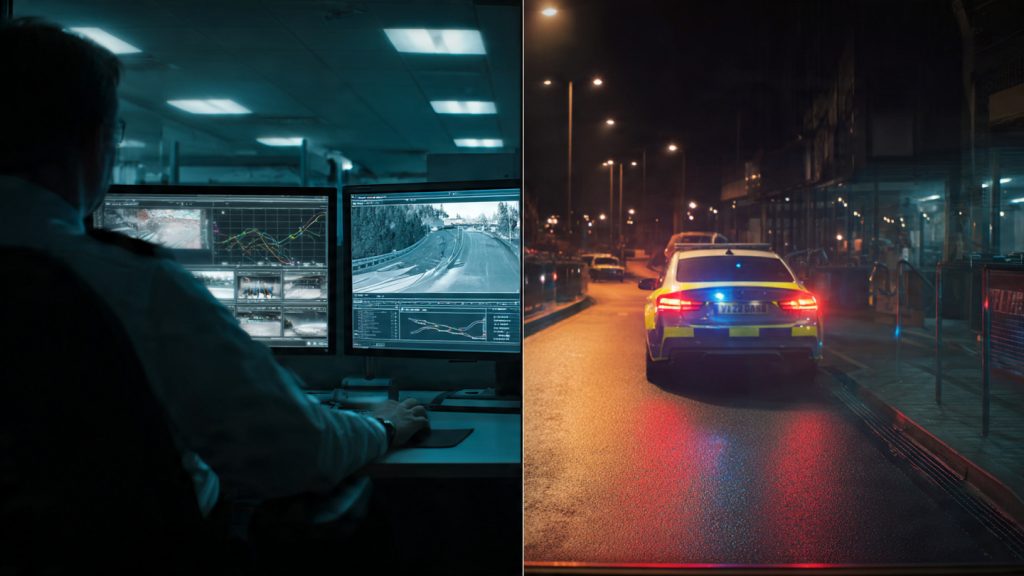
If you already have an alarm system, it may be eligible to connect to A1-grade monitoring with the right communicator and configuration updates. If you’re planning a new installation, working with experienced professionals who understand A1 integration from the ground up can save time and ensure optimal performance.
The key is finding a security partner who doesn’t just sell equipment but understands how to design systems that work seamlessly with professional monitoring infrastructure. This includes selecting appropriate hardware, configuring zones and reporting protocols, and establishing response procedures that match your specific needs.
When it comes to protecting what matters most to you, don’t settle for anything less than the highest standards. A1-grade monitoring represents the gold standard in security response—ensuring that when an alarm event occurs, it will be received, prioritised, and acted upon as quickly and reliably as possible.
Ready to upgrade your security to A1-grade monitoring standards? Contact Alpha Security Corp today to discuss how we can design and install an efficient alarm system that integrates seamlessly with professional A1-grade monitoring for your Sydney home or business. Because when seconds count, you need monitoring that never sleeps, never fails, and never compromises on your safety.