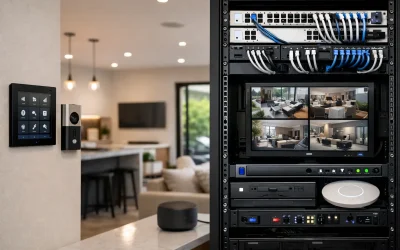




Monitoring Centre Explained:: How Signals Are Handled, Logged and Escalated During Incidents
Monitoring centre operations serve as the backbone of security management, providing a crucial link between various security systems and the response teams that act upon alerts. These centres are designed to oversee a multitude of security functions, from alarm monitoring to video surveillance, ensuring that any potential threats are identified and addressed promptly. The effectiveness of a monitoring centre can significantly influence the overall safety and security of residential and commercial properties alike. As technology continues to evolve, so too do the capabilities of these centres, allowing for more sophisticated monitoring and response strategies.
In an age where security concerns are paramount, the role of monitoring centres has never been more critical. They operate around the clock, ensuring that any incidents are detected in real-time and that appropriate measures are taken swiftly. This constant vigilance not only protects assets but also enhances peace of mind for property owners and occupants. With the integration of advanced technologies, monitoring centres can now offer tailored solutions that cater to specific needs, whether for residential homes or commercial establishments like cafes and licensed venues.
In addition to understanding how signals are handled, logged, and escalated during incidents in the Monitoring Centre, it is beneficial to explore related services that enhance security measures. For further insights, you can read about various security solutions offered by Alpha Security Corp in their article on services, which provides a comprehensive overview of how these systems work together to ensure safety and efficiency. You can find the article here: Alpha Security Services.
Signal Handling Process
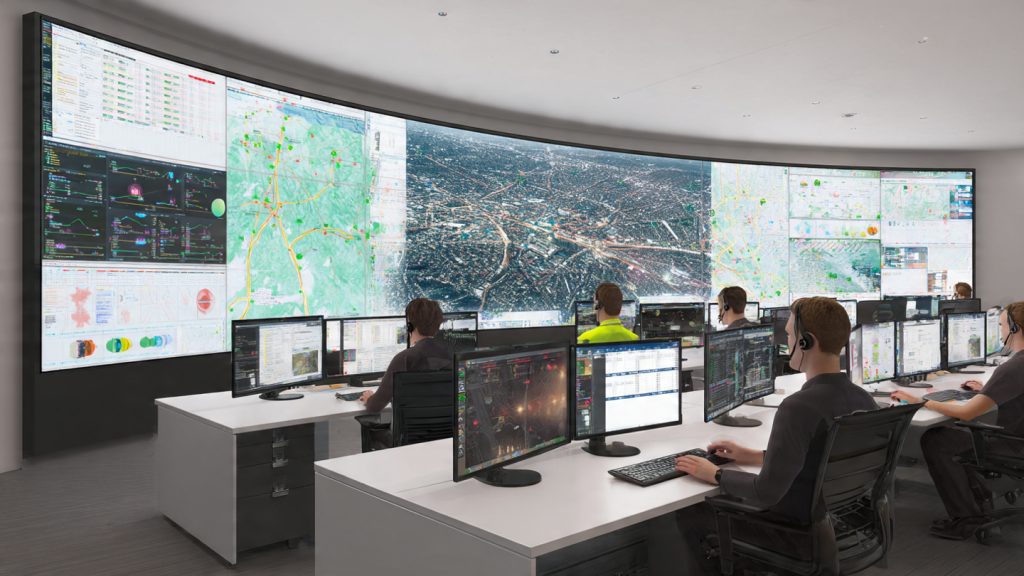
The signal handling process is a fundamental aspect of monitoring centre operations, encompassing the reception, assessment, and response to various alerts generated by security systems. When an alarm is triggered—be it from a break-in, fire, or other emergencies—the monitoring centre receives a signal that initiates a series of predefined protocols. The first step involves verifying the authenticity of the alarm to prevent false alarms from leading to unnecessary responses. This verification process may include cross-referencing with video feeds or contacting the property owner for confirmation.
Once an alarm is validated, the monitoring centre staff must act quickly to determine the appropriate response. This could involve dispatching local law enforcement, notifying emergency services, or alerting designated contacts within the property. The efficiency of this process is vital; delays can lead to escalated situations or even loss of property and life. Therefore, monitoring centres invest in training their staff to handle signals effectively, ensuring that they can make informed decisions under pressure while adhering to established protocols.
Logging and Documentation of Incidents
Logging and documentation are essential components of monitoring centre operations, providing a comprehensive record of all incidents and responses. Each alert received is meticulously logged into a system that tracks the time, nature of the incident, actions taken, and outcomes. This documentation serves multiple purposes: it aids in accountability, provides data for future analysis, and can be invaluable in legal situations where evidence is required.
Moreover, thorough documentation allows monitoring centres to identify patterns over time. By analyzing incident logs, staff can discern trends related to specific locations or types of incidents, enabling them to adjust their strategies accordingly. For instance, if a particular venue experiences frequent disturbances, additional measures can be implemented to enhance security. This proactive approach not only improves safety but also fosters trust between monitoring centres and their clients.
Escalation Procedures
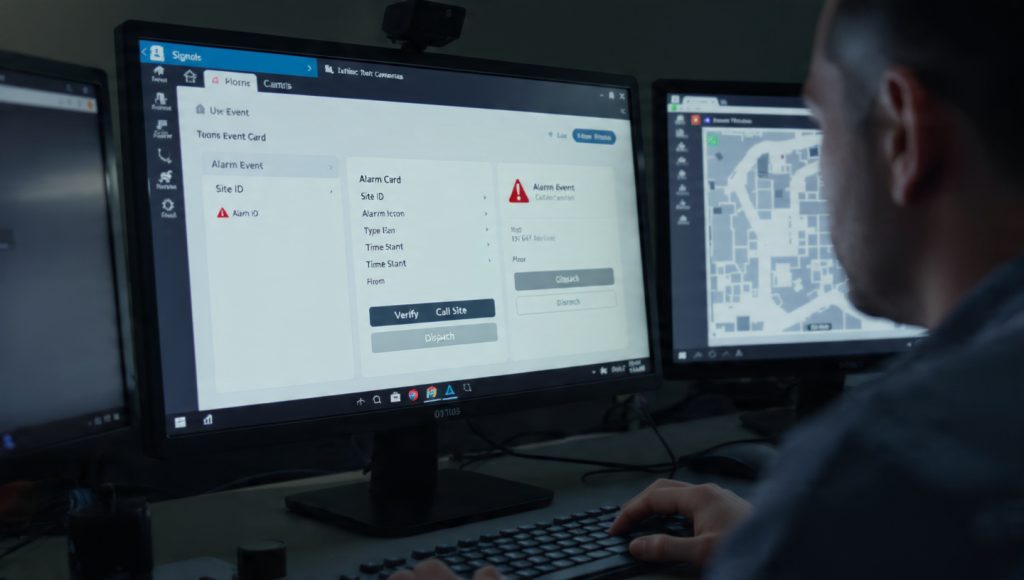
Escalation procedures are critical in ensuring that incidents are managed effectively and efficiently within monitoring centre operations. These procedures outline the steps that staff must take when an incident exceeds their initial response capabilities or requires additional resources. For example, if a security breach is confirmed at a commercial property, the monitoring centre may need to escalate the situation by contacting law enforcement or emergency services immediately.
The escalation process is designed to ensure that incidents are handled at the appropriate level, minimizing risks and maximizing safety. Each monitoring centre typically has a tiered system in place that dictates how incidents should be escalated based on their severity. This structured approach not only streamlines communication but also ensures that all team members are aware of their roles during an incident. By having clear escalation procedures in place, monitoring centres can respond more effectively to emergencies and mitigate potential damage.
In the context of understanding how incidents are managed within a monitoring centre, it is beneficial to explore related topics such as the features of effective home security systems. These systems play a crucial role in ensuring that signals are promptly handled, logged, and escalated during incidents. For more insights on this subject, you can read about the essential features to look for in home security systems in Australia by visiting this article. This information can provide a broader perspective on the importance of reliable monitoring in enhancing security measures.
Role of Monitoring Centre Staff
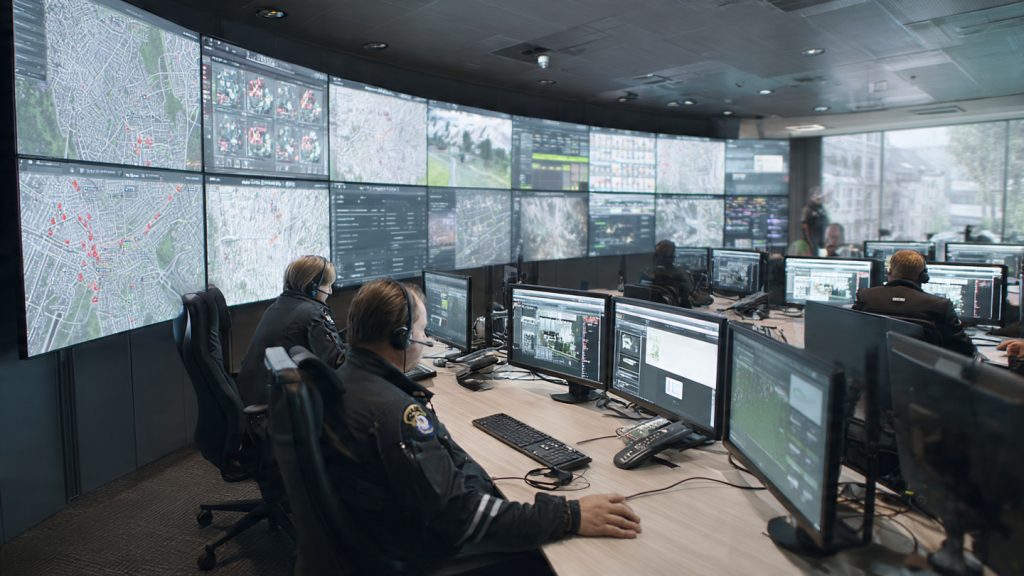
The staff at a monitoring centre play a pivotal role in maintaining security and responding to incidents. Their responsibilities extend beyond merely monitoring alarms; they are trained professionals equipped with the skills necessary to assess situations critically and make quick decisions. Each team member must possess a deep understanding of the systems in place and be familiar with the protocols for various types of incidents.
In addition to technical skills, effective communication is paramount for monitoring centre staff. They must relay information clearly and concisely to emergency responders while also keeping clients informed about ongoing situations. This dual communication stream is essential for ensuring that all parties are aligned and can act swiftly when necessary. Furthermore, continuous training and development are vital for staff members to stay updated on new technologies and best practices in incident management.
In the context of understanding how signals are managed during incidents, the article on the various solutions offered by Alpha Security provides valuable insights into the broader framework of incident response. By exploring the different systems in place, readers can gain a clearer picture of how monitoring centres operate effectively. For more detailed information, you can refer to the solutions page, which outlines the technologies and strategies that enhance signal handling and escalation processes.
Importance of Real-Time Monitoring
Click here to SECURE YOUR Smart Home with the latest technology and comprehensive protection.
Real-time monitoring is at the heart of effective security management within monitoring centres. The ability to observe events as they unfold allows for immediate action in response to potential threats. This proactive approach significantly reduces response times compared to traditional methods where alerts may be delayed or overlooked. Real-time monitoring not only enhances safety but also serves as a deterrent against criminal activity; knowing that a property is under constant surveillance can discourage potential intruders.
Moreover, real-time data collection enables monitoring centres to provide clients with valuable insights into their security systems’ performance. By analyzing live feeds and alerts, staff can identify vulnerabilities or areas for improvement within a client’s security setup. This ongoing assessment fosters a culture of continuous improvement, ensuring that security measures evolve alongside emerging threats.
Technology and Tools Used in Monitoring Centre Operations
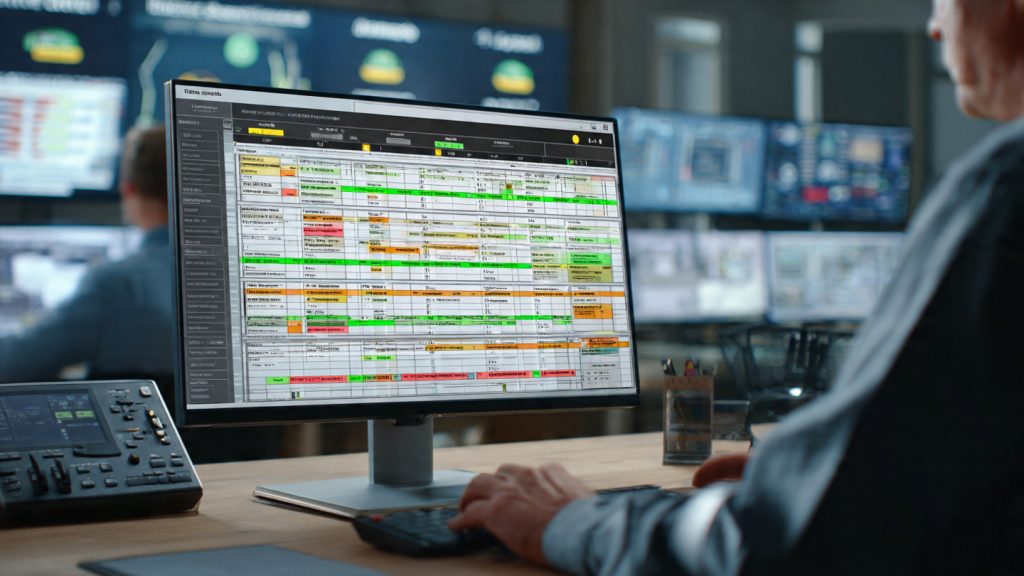
The landscape of monitoring centre operations has been transformed by advancements in technology. Modern centres utilize an array of tools designed to enhance their capabilities and improve incident response times. Centralized software platforms allow for seamless integration of various security systems, including alarms, cameras, and access control systems. This integration enables staff to monitor multiple feeds from one interface, streamlining their workflow and enhancing situational awareness.
In addition to software solutions, hardware advancements have also played a significant role in improving monitoring centre operations. High-definition cameras equipped with night vision capabilities provide clearer images for staff to assess incidents accurately. Furthermore, mobile applications allow for remote access to monitoring systems, enabling staff to respond quickly even when they are not physically present at the centre. These technological innovations not only improve efficiency but also enhance the overall effectiveness of security management.
Best Practices for Effective Incident Management
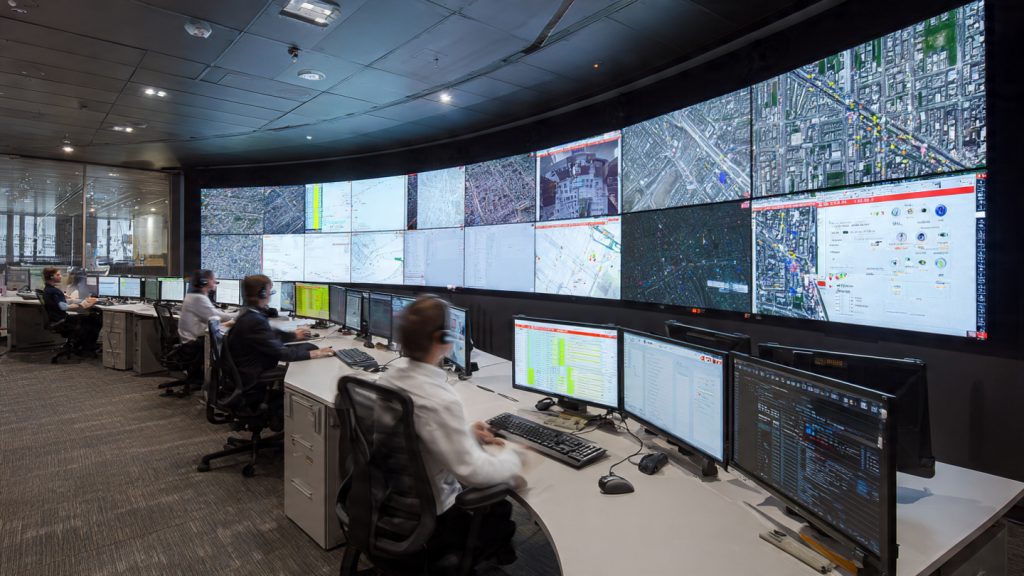
Implementing best practices for incident management is essential for ensuring that monitoring centres operate at peak efficiency. One key practice is regular training for staff members on both technical skills and emergency response protocols. Continuous education helps staff stay informed about new technologies and evolving threats while reinforcing their ability to respond effectively under pressure.
Another best practice involves conducting regular drills and simulations to prepare staff for various scenarios they may encounter. These exercises help identify potential weaknesses in response strategies and allow teams to refine their processes accordingly. Additionally, fostering open communication among team members encourages collaboration and ensures that everyone is on the same page during an incident.
Finally, maintaining strong relationships with local law enforcement and emergency services is crucial for effective incident management. By establishing clear lines of communication and understanding each other’s protocols, monitoring centres can enhance their response capabilities significantly. This collaborative approach not only improves safety outcomes but also builds trust within the community.
In conclusion, monitoring centre operations play an indispensable role in modern security management. From signal handling processes to real-time monitoring technologies, these centres are equipped to respond swiftly and effectively to incidents as they arise. By adhering to best practices and continuously evolving their strategies, monitoring centres can ensure that they remain at the forefront of security solutions for both residential and commercial clients alike.