


Access Control for Strata Buildings Sydney: Lobbies, Garages, Shared Doors and Audit Trails
Access Control for Strata Buildings Sydney: Lobbies, Garages, Shared Doors and Audit Trails
Strata buildings in Sydney, encompassing a diverse range of residential and commercial properties, present unique challenges and opportunities for robust security infrastructure. Unlike single-occupancy dwellings, strata properties are characterized by shared spaces, multiple occupants, and a complex management structure. This necessitates a comprehensive approach to access control, moving beyond traditional lock-and-key systems to sophisticated electronic solutions that enhance security, convenience, and accountability. This article examines the critical role of access control within Sydney’s strata buildings, focusing on its application in lobbies, garages, shared doors, and the invaluable function of audit trails. Experience Secure, Controlled Access with a keyless electronic access control system that provides a high level of protection to your property by visiting Secure, Controlled Access.
Sydney’s urban sprawl and increasing density have led to a proliferation of strata-titled properties, from high-rise apartment complexes to multi-unit commercial buildings. This proliferation has inherently altered the security landscape. Whereas previously individual unit owners were solely responsible for their immediate property’s security, strata management now bears collective responsibility for shared common areas. This collective responsibility extends to mitigating risks such as unauthorized entry, theft, vandalism, and ensuring the safety of residents and visitors. Traditional security measures, often reactive and limited in scope, are proving inadequate against contemporary threats.
The Limitations of Conventional Lock-and-Key Systems
Conventional lock-and-key systems, while seemingly straightforward, present numerous drawbacks in a strata environment. The physical distribution of keys, potential for duplication, and the logistical nightmare of rekeying when a key is lost or a resident moves out all contribute to inherent vulnerabilities. In a building with dozens or hundreds of residents, managing physical keys becomes an insurmountable task, creating significant security gaps. Furthermore, these systems offer no record of entry or exit, rendering accountability impossible in the event of an incident.
The Rise of Electronic Access Control
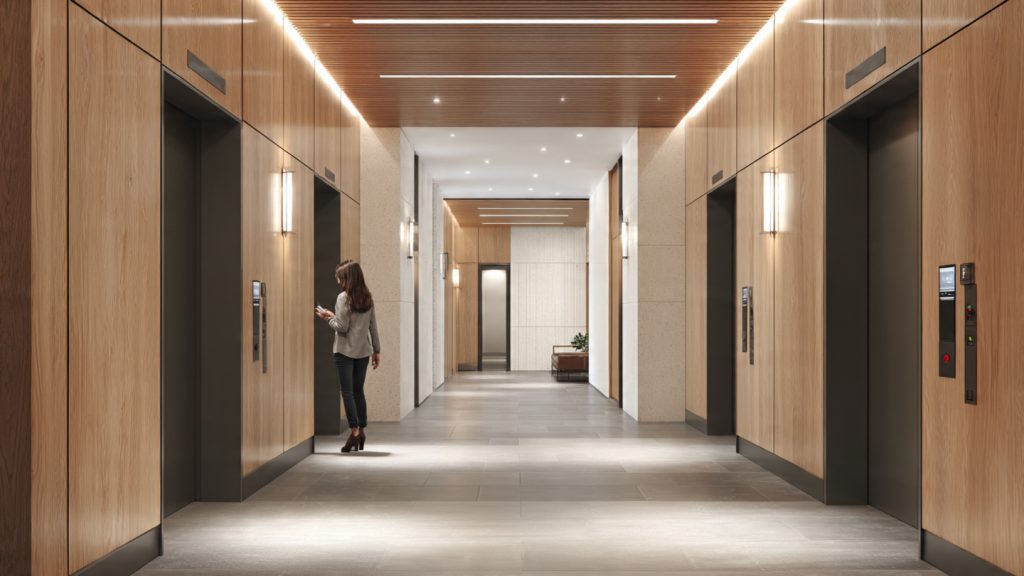
Electronic access control systems offer a paradigm shift in strata security. By replacing physical keys with digital credentials such as key cards, fobs, biometric data, or smartphone applications, these systems overcome the limitations of their predecessors. They provide granular control over who can access which areas, at what times, and record every entry and exit event. This shift from physical to digital control is not merely an upgrade; it is a fundamental re-imagining of how security is managed in a shared living or working environment.
For those interested in enhancing security measures in strata buildings, a related article on the importance of access control systems can be found at Alpha Security Corp. This resource provides valuable insights into managing lobbies, garages, shared doors, and maintaining audit trails, ensuring that residents feel safe and secure in their living environments.
Residential Security: Keeping Trouble at Bay
As licensed security solutions providers, we understand the paramount importance of safeguarding your home. We offer installation, programming, commissioning and maintenance of your home security system. From alarm systems through to CCTV and monitoring, we’re here to help you stay secure. For strata residents, this translates to a secure living environment where peace of mind is not a luxury, but a standard.
Securing the Building’s Heart: Lobbies and Entrances
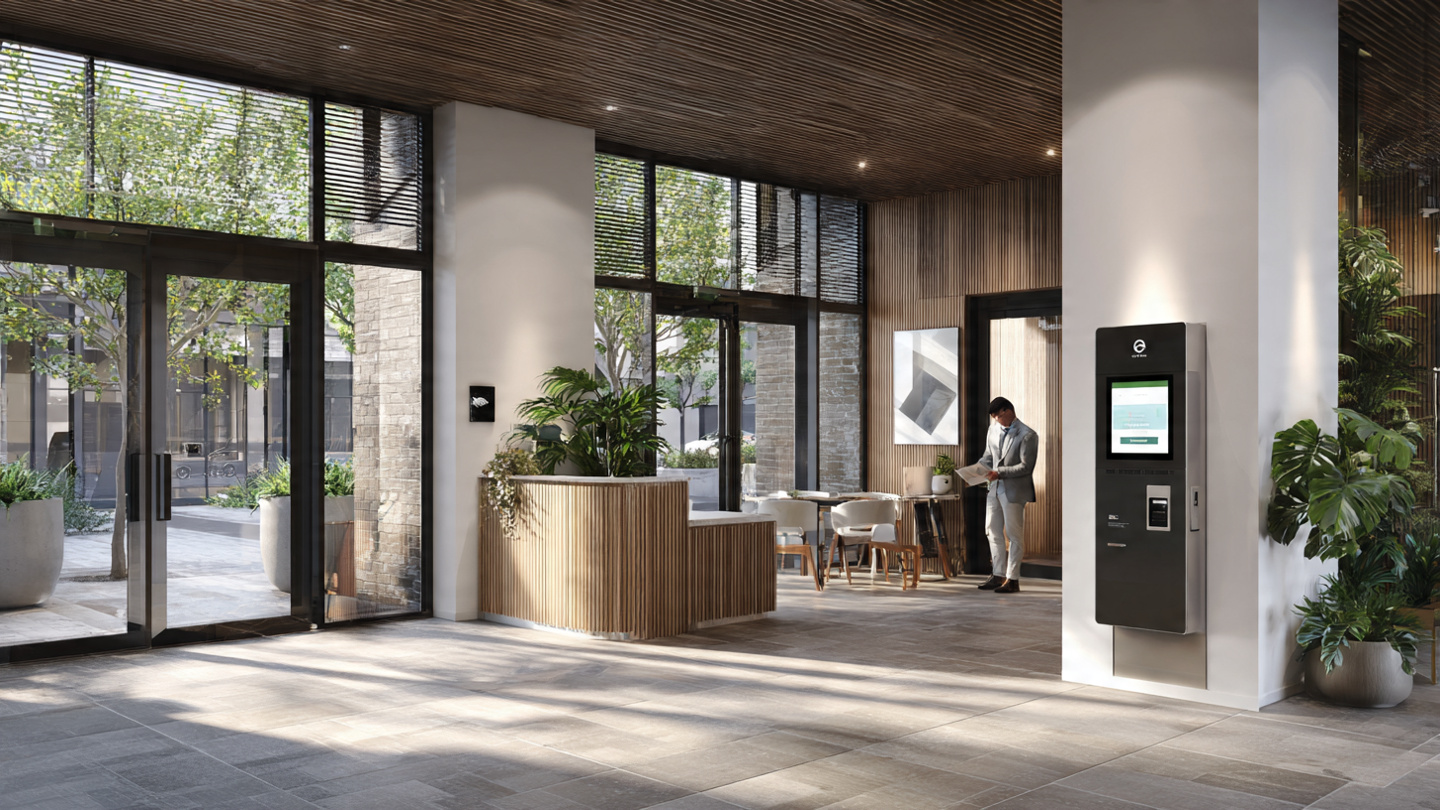
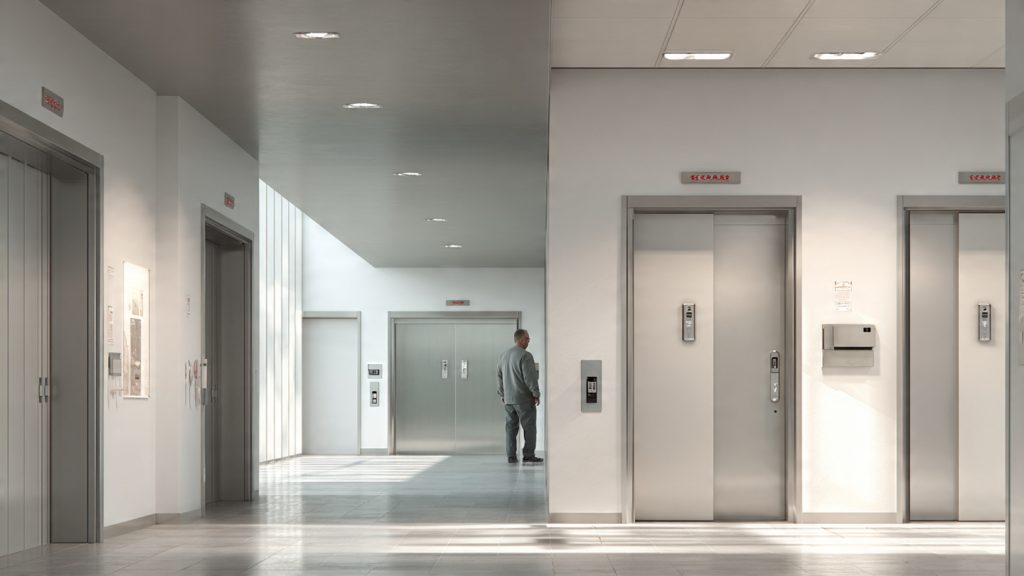
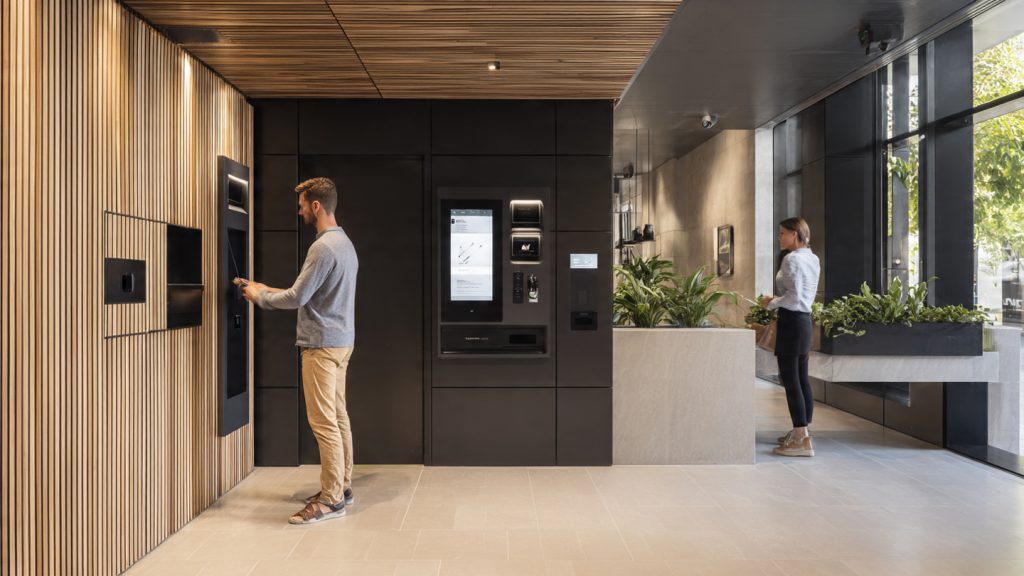
The lobby of a strata building serves as its primary entry point and often its first impression. It is the gatekeeper, the literal and metaphorical threshold between the public and private spaces of the building. Consequently, securing this area is paramount. Access control systems in lobbies typically involve card readers, intercoms with video capabilities, and often integration with concierge services.
Key Card and Fob Systems
Key card and fob systems are a common and effective solution for lobby access. Each resident or authorized visitor is issued a unique credential that grants them entry. These systems can be programmed to restrict access based on specific timings or individual permissions. For instance, a resident’s fob might only grant access to their specific floor and the common amenities, while a maintenance worker’s card could be active only during designated work hours.
Video Intercoms and Visitor Management
Modern video intercom systems allow residents to visually verify visitors before granting them access. These systems often integrate with smartphone applications, enabling residents to remotely open the door for guests, even when they are not physically present in the building. Some advanced systems also include visitor management software, allowing building management to pre-register guests or issue temporary access codes, further enhancing security and streamlining entry.
Integration with Concierge and Security Personnel
In larger strata buildings, access control in the lobby is often integrated with a concierge desk or on-site security personnel. This human element provides an additional layer of verification and a point of contact for residents and visitors. The electronic system assists the personnel by providing real-time data on who is attempting entry and flagging any unauthorized attempts.
Fortifying the Perimeter: Garage Access and Parking Security
Garages and parking facilities within strata buildings are particularly vulnerable areas. They are often targets for vehicle theft, break-ins, and can serve as discreet entry points for unauthorized individuals. Effective access control in these areas is crucial for protecting residents’ vehicles and preventing illicit access to the building’s interior.
Boom Gates and RFID Readers
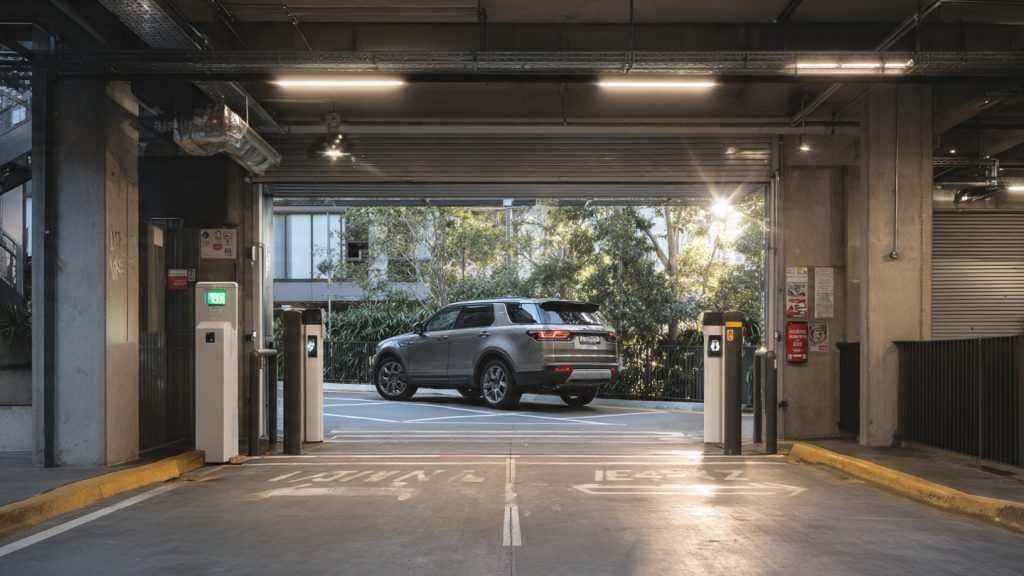
Boom gates, controlled by RFID (Radio-Frequency Identification) readers, are a common solution for vehicle access. Residents are issued RFID tags that are affixed to their vehicles, automatically raising the boom gate upon approach. This method is seamless and eliminates the need for manual intervention.
Pedestrian Access Control in Garages
While boom gates manage vehicle entry, separate access control systems are essential for pedestrian entry points within garages. Card readers or biometric scanners at garage access doors prevent unauthorized individuals from circumventing main lobby security measures by walking into the building from the parking levels.
CCTV Integration
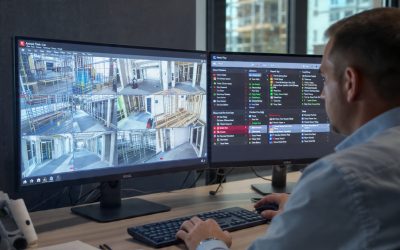
The integration of CCTV cameras is critically important in garage areas. Monitoring these spaces deters criminal activity and provides valuable forensic evidence in the event of an incident. Modern CCTV systems can be integrated with access control, triggering recordings when an access event occurs or when suspicious activity is detected.
Controlling Connectivity: Shared Doors and Common Areas
Strata buildings feature numerous shared doors and common areas, including gyms, swimming pools, communal lounges, storage rooms, and utility closets. Effective access control for these spaces ensures that they are only used by authorized individuals, preventing misuse, vandalism, and minimizing operational costs.
Time-Based Access for Amenities
Access control systems allow building management to configure time-based access for amenities. For instance, a gym might only be accessible between 6 AM and 10 PM, or a communal lounge might have restricted hours to prevent late-night disturbances. This flexibility optimizes resource utilization and maintains order within the building.
Individualized Access Permissions
Specific common areas, such as storage units or bike rooms, can have individualized access permissions. Residents might only have access to their assigned storage locker, preventing unauthorized access to other residents’ property. Similarly, cleaning staff or maintenance personnel can be granted temporary or recurring access to utility rooms as needed.
Enhanced Safety in Restricted Areas
Access control for areas like plant rooms, electrical cupboards, or rooftop access points is not just about security but also safety. Restricting access to these potentially hazardous zones to only authorized and trained personnel prevents accidents and ensures compliance with occupational health and safety regulations.
Commercial Security: Protecting Businesses and Assets

Across the nation, security threats are increasing, and businesses are being targeted more often. As a leading commercial security business in Sydney, our team focuses on creating tailored, end-to-end security solutions designed to meet customer needs. This expertise extends seamlessly to commercial strata buildings, where the security stakes are often even higher due to valuable assets, sensitive data, and the presence of numerous employees and clients.
Tailored Solutions for Diverse Commercial Needs
Commercial strata buildings house a variety of businesses, each with unique security requirements. An access control system must be flexible enough to accommodate these diverse needs, from individual office suites to shared co-working spaces and retail outlets.
Multi-Tenant Access Management
A sophisticated access control system can manage access for multiple tenants within a single commercial strata building. Each business can have its own customized access rules for its employees, while also integrating with the overall building’s common area access protocols. This prevents a “one-size-fits-all” approach that might compromise individual tenant security.
Integration with Other Business Systems
In a commercial context, access control can be integrated with other business systems, such as time and attendance software, HR platforms, and even building management systems. This integration streamlines operations, automates administrative tasks, and provides a comprehensive overview of security and operational data.
Protecting Sensitive Areas
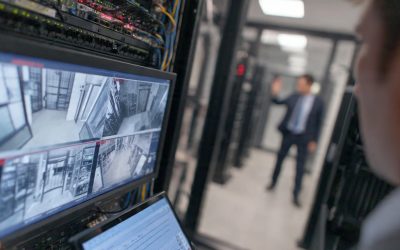
Within commercial strata units, certain areas may hold sensitive information or valuable assets, such as server rooms, data centers, or high-value storage. Biometric access control, such as fingerprint or facial recognition, offers a higher level of security for these critical zones, restricting entry to only a very select group of individuals.
The Unseen Guardian: The Power of Audit Trails
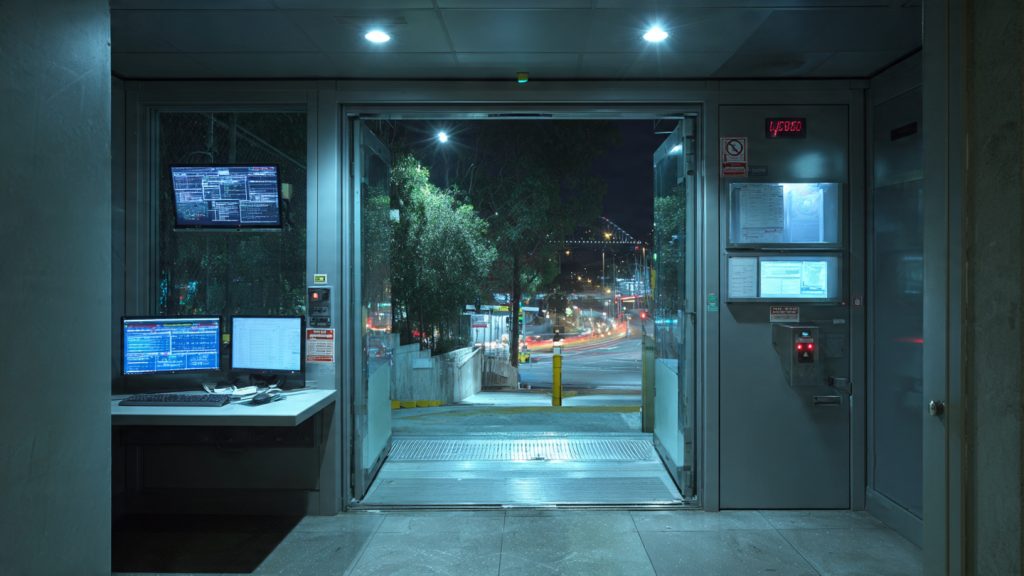
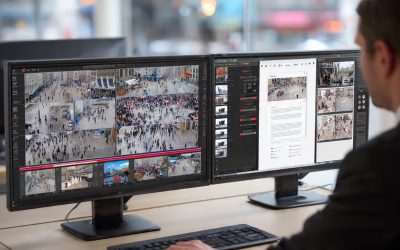
Perhaps the most understated yet powerful feature of electronic access control systems is the audit trail. An audit trail is a chronological record of every access event – who entered, where, and when. This meticulous logging transforms the security landscape from a reactive guessing game to an informed, proactive, and accountable system.
Unraveling Security Incidents
In the unfortunate event of a security breach, theft, or vandalism, the audit trail acts as an invaluable investigative tool, a digital breadcrumb trail. It provides law enforcement and building management with precise data on who was in the vicinity at the time of the incident, significantly narrowing down suspects and aiding in resolving the issue. Without an audit trail, such investigations often become a protracted and difficult process, relying on eyewitness accounts that are often unreliable.
Monitoring Access and Activity Patterns
Beyond incident response, audit trails provide valuable insights into access patterns and usage. Building management can analyse these logs to identify peak usage times for amenities, detect unusual or suspicious access attempts, or confirm the presence of staff or contractors at specific locations and times. This data can inform operational decisions, improve resource allocation, and proactively address potential security weaknesses.
Ensuring Accountability and Compliance
Audit trails foster accountability among residents, staff, and contractors. Knowing that every access event is recorded can deter unauthorized actions and promote responsible behaviour. Furthermore, for commercial strata, audit trails are often essential for compliance with various industry regulations and data protection standards, providing a verifiable record of access to sensitive areas.
Flexibility and Customization of Reporting
Modern access control systems offer sophisticated reporting capabilities, allowing building management to generate customized reports based on specific criteria. This could include reports on all entries into a particular common area within a defined timeframe, or a list of all individuals who accessed a restricted zone. This flexibility makes the vast amount of data contained within the audit trail manageable and highly useful.
For those interested in enhancing security measures in strata buildings, a related article discusses the importance of back-to-base monitoring systems. This approach is crucial for ensuring comprehensive protection in shared spaces such as lobbies, garages, and other communal areas. By implementing effective access control strategies, residents can feel more secure in their living environment. To learn more about these essential security measures, you can read the article on apartment security here.
Electrical Services: The Foundation of Modern Security
Whether you’re in the market to upgrade your family home, improve your commercial office building, build your dream home or have an emergency electrical concern and need immediate assistance, Alpha Security Corp has the right Master Electrician for you. This underscores a crucial point: robust access control systems are inextricably linked to reliable electrical infrastructure. An advanced access control system is only as good as the power it receives.
Ensuring System Reliability and Uptime
Access control systems rely on a stable and consistent power supply. Electrical faults or power outages can render these systems inoperable, creating significant security vulnerabilities. Professional electrical services ensure that the system is properly wired, has adequate power backups (such as uninterruptible power supplies or UPS), and is regularly maintained to prevent unexpected downtown.
Integration with Building Management Systems
Modern strata buildings often integrate various systems – access control, fire alarms, HVAC, lighting – into a comprehensive building management system (BMS). A Master Electrician ensures seamless integration, proper wiring, and compatibility between these diverse electrical components, allowing for more efficient operation and integrated security responses.
Emergency Electrical Concerns and Security
In an emergency, such as a power surge or a localized electrical failure, immediate response from a qualified electrician is paramount. A downed access control system, particularly during off-hours, can expose the entire building to risk. Reliable emergency electrical services ensure that security systems are restored quickly, minimizing any window of vulnerability.
Conclusion: The Integrated Security Ecosystem for Strata Buildings
Access control for strata buildings in Sydney is no longer a luxury but a fundamental necessity. From the inviting yet secure lobby to the fortified garage, the flexible access to shared amenities, and the irrefutable evidence provided by audit trails, electronic access control systems create an integrated security ecosystem. This system, underpinned by professional electrical services, offers a multifaceted defence against evolving threats, ensuring the safety, convenience, and peace of mind of all residents and commercial tenants. By treating access control not as a collection of disparate components, but as a cohesive, intelligent network, Sydney’s strata buildings can maintain their status as secure and desirable places to live and work. The metaphor of a digital guardian, silently overseeing every threshold and recording every interaction, aptly describes the profound impact of these systems on urban security.