


Access Control Sydney
Access control systems are essential components of modern security infrastructure, designed to regulate who can enter or exit a facility or specific areas within it. These systems serve as a barrier against unauthorized access, ensuring that only individuals with the appropriate permissions can gain entry. The fundamental principle behind access control is the authentication of users, which can be achieved through various methods such as passwords, biometric scans, key cards, or mobile credentials.
The evolution of access control systems has been driven by technological advancements, leading to more sophisticated and user-friendly solutions that cater to diverse security needs. The significance of access control systems extends beyond mere physical security; they also play a crucial role in data protection and compliance with regulatory standards. For instance, organizations handling sensitive information must implement stringent access controls to safeguard against data breaches and unauthorized disclosures.
In addition to protecting physical assets, access control systems can help organizations maintain a detailed audit trail of who accessed specific areas and when, which is invaluable for investigations and compliance audits. As businesses increasingly recognize the importance of security in their operations, the demand for robust access control solutions continues to grow. Our Story can be found at https://alphasecuritycorp.com.au/about-us/.
Key Takeaways
- Access control systems are designed to manage and monitor who has access to a specific area or resource within a facility.
- Types of access control hardware include keypads, card readers, biometric scanners, and electronic locks.
- Factors to consider when choosing access control hardware include the level of security needed, the size and layout of the facility, and the number of users.
- Proper installation and regular maintenance of access control hardware are essential for ensuring optimal performance and security.
- The benefits of access control systems in Sydney include improved security, increased control over access, and the ability to integrate with other security systems.
Types of Access Control Hardware
Access control hardware encompasses a wide range of devices that facilitate the authentication and authorization processes. One of the most common types is the card reader, which can be magnetic stripe, proximity, or smart card readers. Magnetic stripe readers are often used in traditional key card systems, where users swipe a card to gain access.
Proximity readers, on the other hand, allow users to simply hold their card near the reader for authentication, providing a more convenient experience. Smart card readers utilize advanced technology that can store encrypted data, enhancing security and enabling multi-factor authentication. Another critical component of access control hardware is biometric scanners.
These devices authenticate users based on unique physical characteristics such as fingerprints, facial recognition, or iris patterns. Biometric systems are increasingly popular due to their high level of security; they are difficult to replicate or forge compared to traditional key cards or PIN codes. Additionally, biometric systems can streamline the access process by eliminating the need for users to carry physical credentials.
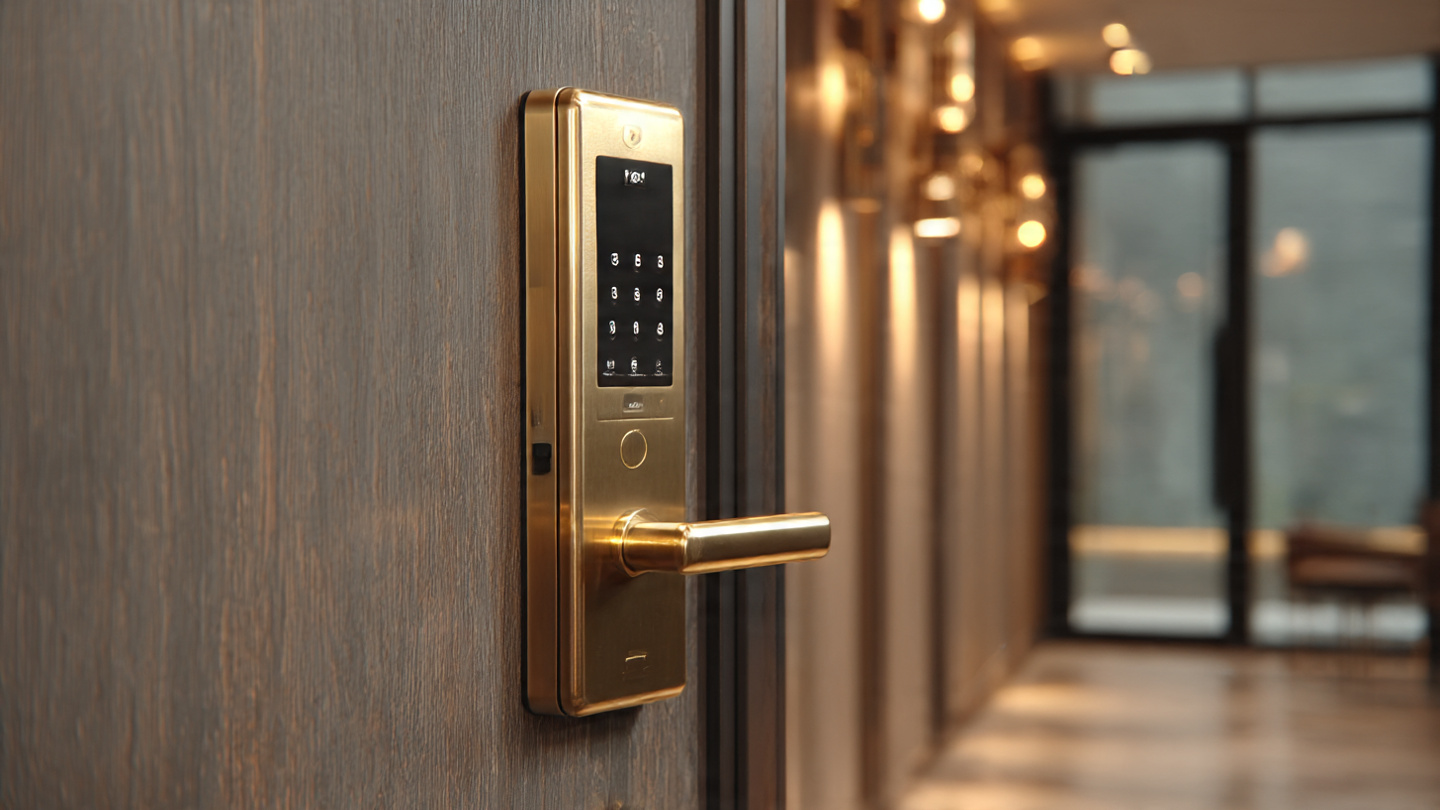
Other hardware components include electric locks, which can be integrated with access control systems to provide secure locking mechanisms that can be remotely managed and monitored.
Factors to Consider When Choosing Access Control Hardware

Selecting the right access control hardware requires careful consideration of several factors to ensure that the system meets the specific needs of an organization. One of the primary considerations is the level of security required. Organizations must assess their risk profile and determine whether they need basic access control or a more advanced system that incorporates biometric authentication or multi-factor authentication.
For example, a financial institution may require higher security measures compared to a retail store due to the sensitive nature of the data they handle. Another important factor is scalability. As organizations grow and evolve, their access control needs may change.
It is essential to choose hardware that can easily accommodate future expansions or modifications without requiring a complete system overhaul. This includes considering the number of users, locations, and types of access points that may need to be managed over time. Additionally, compatibility with existing security infrastructure is crucial; organizations should ensure that new hardware can integrate seamlessly with current systems such as surveillance cameras or alarm systems.
Installation and Maintenance of Access Control Hardware
The installation of access control hardware is a critical phase that requires careful planning and execution. Proper installation ensures that the system functions effectively and provides the intended level of security. Organizations often engage professional installers who have experience with various types of access control systems.
The installation process typically involves assessing the layout of the facility, determining optimal locations for readers and locks, and ensuring that wiring and power sources are appropriately configured. Additionally, installers must consider factors such as network connectivity for systems that rely on cloud-based management. Maintenance is equally important in ensuring the longevity and reliability of access control hardware.
Regular maintenance checks can help identify potential issues before they escalate into significant problems. This includes inspecting hardware components for wear and tear, updating software to patch vulnerabilities, and testing backup power supplies for electronic locks. Organizations should also establish protocols for responding to security breaches or malfunctions, ensuring that they can quickly restore functionality and maintain security integrity.
Benefits of Access Control Systems in Sydney
In Sydney, access control systems offer numerous benefits that enhance both security and operational efficiency for businesses across various sectors. One significant advantage is the ability to manage access permissions dynamically. Organizations can easily grant or revoke access rights based on changing roles or employment status without needing to reissue physical keys or cards.
This flexibility is particularly beneficial in industries with high employee turnover or temporary staff, allowing businesses to maintain tight security without administrative burdens. Moreover, access control systems contribute to improved safety by restricting access to sensitive areas such as server rooms or laboratories. By limiting entry to authorized personnel only, organizations can mitigate risks associated with theft, vandalism, or workplace accidents.
Additionally, many modern access control systems come equipped with features such as real-time monitoring and alerts, enabling security personnel to respond promptly to unauthorized access attempts or suspicious activities. This proactive approach not only enhances security but also fosters a safer working environment for employees.
Integrating Access Control Hardware with Other Security Systems
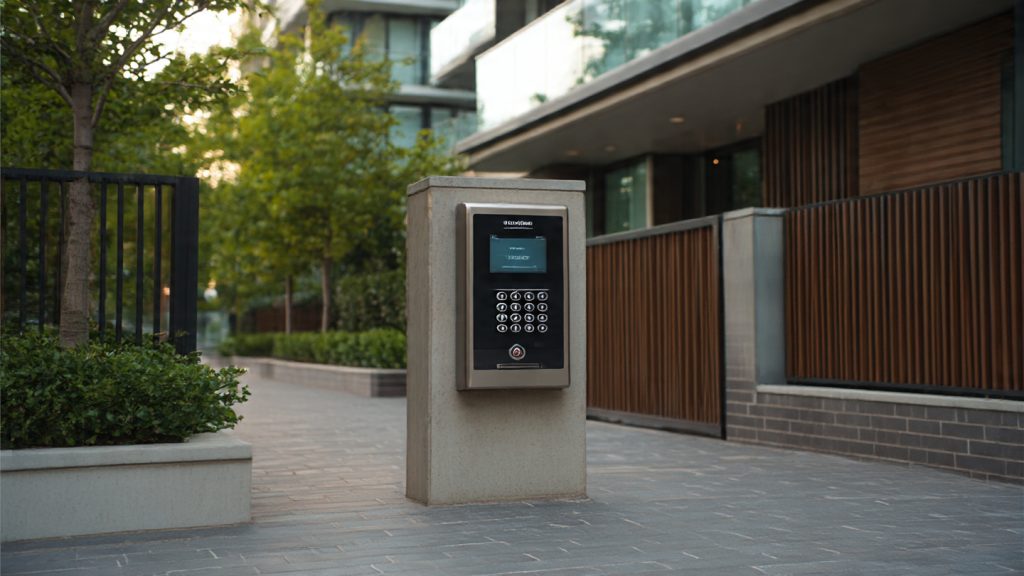
The integration of access control hardware with other security systems is a growing trend that enhances overall security effectiveness. By combining access control with video surveillance systems, organizations can create a comprehensive security solution that provides real-time monitoring and incident response capabilities. For instance, when an unauthorized access attempt is detected by an access control system, it can trigger cameras in the vicinity to start recording, allowing security personnel to review footage and take appropriate action.
Additionally, integrating access control with alarm systems can further bolster security measures. In the event of a breach or tampering with an access point, alarms can be activated automatically, alerting security teams or law enforcement agencies immediately. This interconnected approach not only streamlines security operations but also provides valuable data for investigations and audits.
Organizations in Sydney are increasingly recognizing the benefits of such integrations as they seek to enhance their security posture in an ever-evolving threat landscape.
Choosing the Right Access Control Provider in Sydney
Selecting an appropriate access control provider is crucial for organizations looking to implement effective security solutions in Sydney. When evaluating potential providers, it is essential to consider their experience and expertise in the field of access control systems. A reputable provider should have a proven track record of successful installations across various industries and be able to demonstrate their knowledge of current technologies and best practices.
Customer support is another vital aspect when choosing an access control provider. Organizations should seek providers that offer comprehensive support services, including installation assistance, training for staff on system usage, and ongoing maintenance options. Additionally, it is beneficial to read customer reviews and testimonials to gauge the provider’s reliability and responsiveness in addressing issues that may arise post-installation.
A strong partnership with a trusted provider can significantly impact the effectiveness of an organization’s access control strategy.
Future Trends in Access Control Hardware
The landscape of access control hardware is continuously evolving as technology advances and new threats emerge. One notable trend is the increasing adoption of mobile credentials, allowing users to gain access through smartphones instead of traditional key cards or fobs. This shift not only enhances convenience but also leverages existing technology that many individuals already carry daily.
Mobile credentials can also incorporate additional layers of security through biometric authentication features available on smartphones. Another emerging trend is the integration of artificial intelligence (AI) into access control systems. AI-powered solutions can analyze user behavior patterns and detect anomalies that may indicate potential security threats.
For example, if an employee attempts to access restricted areas at unusual times or from different locations than usual, AI algorithms can flag these activities for further investigation. This proactive approach enables organizations to stay ahead of potential risks while optimizing their security measures. As organizations in Sydney continue to prioritize security in an increasingly digital world, staying informed about these trends will be essential for maintaining effective access control strategies that adapt to evolving challenges and technologies.