


Access Control System Installation: A Project Management Guide
In today’s world, where security is a top priority, implementing an effective access control system is essential. Whether you’re managing a bustling office complex or a secure residential building, ensuring that only authorized individuals can access certain areas is a must. Let’s dive into the essentials of access control system installation, with a few tips and tricks that might just make your life a whole lot easier.
Why Access Control Systems Matter
Think about it. Every time you swipe your card or punch in a code to get into a building, you’re relying on an access control system. These systems aren’t just about keeping the wrong people out; they’re about allowing the right people in. Our electronic access control systems ensure that only people authorized with the correct clearance can enter restricted areas. From residential to commercial security systems, we customize and integrate advanced access control systems Sydney residents and businesses have relied on for over 15 years.
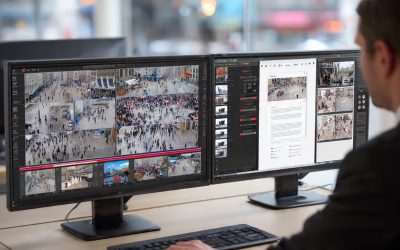
Access control systems are more than just security measures; they are integral components of modern security infrastructure. They help manage and monitor the flow of people in and out of premises, providing detailed logs that can be crucial during audits or investigations. Additionally, these systems can be integrated with other security measures such as surveillance cameras and alarm systems, creating a comprehensive security network that enhances the safety and security of your facilities. This integration not only ensures that unauthorized access is prevented but also provides a full record of who accessed which area and when. Such detailed tracking is invaluable for maintaining high-security environments, reducing the risks of internal and external threats.
Planning Your Project
The first step in any successful access control system installation is planning. You need to know what you’re getting into before you start. It’s like building a house; you wouldn’t start laying bricks without a blueprint. Similarly, you need a clear plan for your access control system.
Consider the size of the building, the number of entry points, and the level of security required. Do you need multi-factor authentication, or will a simple key card system suffice? These are the kinds of questions you should be asking yourself.
Moreover, during the planning phase, it’s crucial to consider future scalability. Will your access control system be able to grow with your organization? Installing a system that can accommodate future expansions or integrate new technologies without requiring a complete overhaul can save substantial time and resources in the long run. Additionally, budget constraints should be carefully evaluated against the security requirements to ensure that the chosen system provides the best value while meeting all necessary security standards.
Choosing the Right Technology
Not all access control systems are created equal. The technology you choose should match your security needs and the specific requirements of your project. For high-security environments, multi-factor authentication might be necessary. This can include something you know (a password), something you have (a card), and something you are (a fingerprint). Our team works with you to recommend the right mix of technology and features that best suit your needs.
Choosing the right technology also involves considering user convenience and system usability. For instance, biometric systems offer high security but can be seen as intrusive or inconvenient by some users. On the other hand, card-based systems are user-friendly but may not offer the same level of security. Balancing security with ease of use is key to ensuring both compliance and user satisfaction. Additionally, you might want to consider technologies that offer mobile integration, allowing users to gain access using their smartphones, which adds a layer of convenience and modern functionality to your access control system.
Installation Process
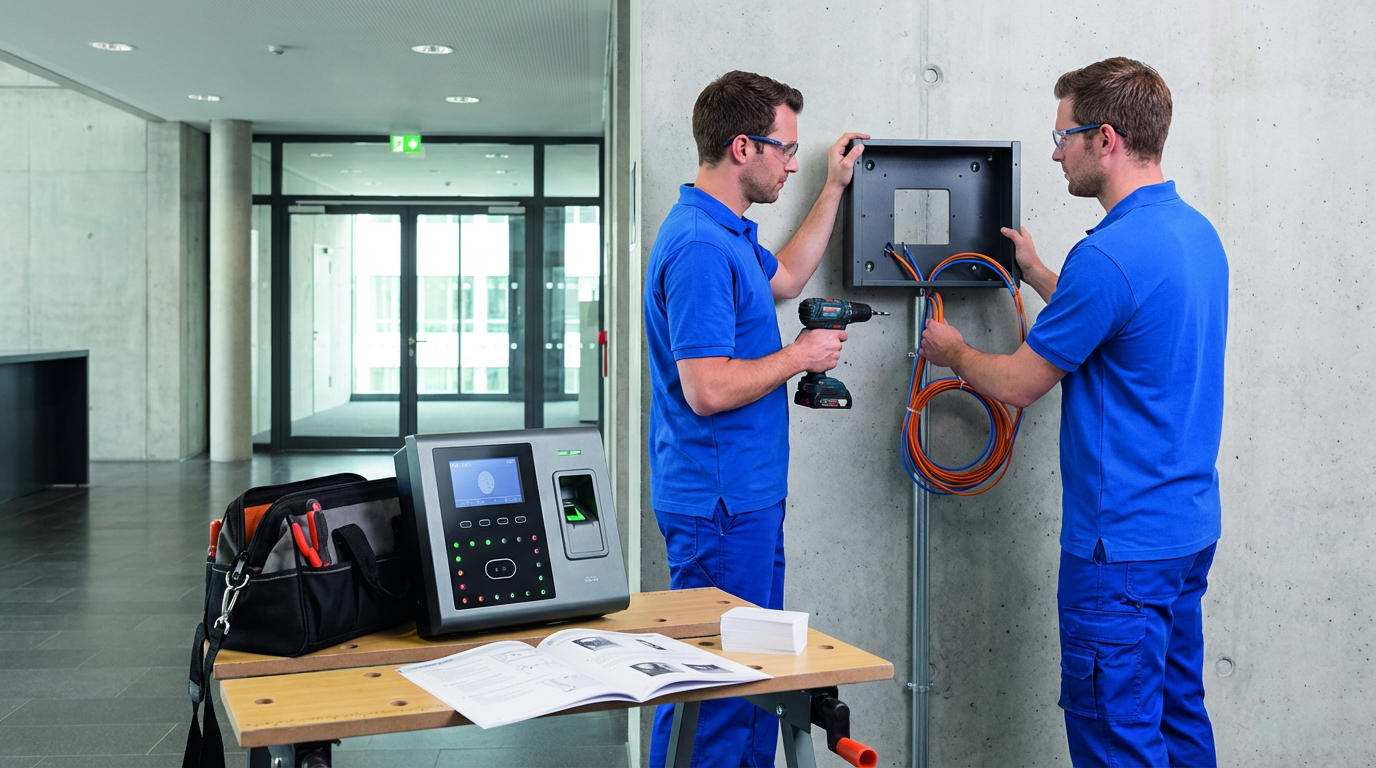
Once you’ve planned and chosen your technology, it’s time to get down to the nitty-gritty – the installation. This is where the rubber meets the road. It’s crucial to follow the manufacturer’s instructions to the letter and ensure all components are properly integrated.
One thing to keep in mind is the importance of testing. You wouldn’t drive a car off the lot without making sure it runs smoothly, right? The same goes for your access control system. Thorough testing ensures everything works as expected and helps identify any bugs before they become a problem.
The installation process should also include setting up backup and recovery options. Ensuring that your access control system has a robust backup solution in place is critical to maintaining security in case of system failures or data breaches. Additionally, having a well-documented procedure for system recovery can minimize downtime and ensure that your facility remains secure at all times. Collaborating with professional installers can help in executing a flawless installation, as they bring experience and expertise to the table, ensuring that all components are correctly installed and configured.
Training and Support
You might have the fanciest, most high-tech system around, but if no one knows how to use it, it’s just a fancy doorstop. Training your staff or residents on how to use the system effectively is crucial. Make sure everyone knows how to operate it, troubleshoot common issues, and who to contact for support.
Speaking of support, having a reliable support system in place is vital. Whether it’s in-house or through a third party, knowing that help is just a phone call away can be incredibly reassuring.
Investing in comprehensive training programs can significantly enhance the efficacy of your access control system. Training should not only cover the basic operations but also include emergency procedures and responses to potential security breaches. Regular refresher courses can help keep everyone up to speed with any updates or changes to the system. Furthermore, a strong support system ensures that any issues are resolved promptly, minimizing disruptions and maintaining the integrity of the security system.
Maintenance and Upgrades
Like any other piece of technology, access control systems require regular maintenance and occasional upgrades. It’s not a “set it and forget it” kind of deal. Regularly check for software updates, inspect hardware for wear and tear, and be proactive in addressing any issues that arise.
Upgrades might not be necessary right away, but as technology evolves, you might find that your system could benefit from new features or enhancements. Staying ahead of the curve can help you maintain the highest level of security.
Establishing a regular maintenance schedule is essential to prolong the lifespan of your access control system and ensure it operates at peak performance. Routine inspections can identify potential issues before they escalate, saving time and resources in the long run. Additionally, as cyber threats become more sophisticated, keeping your software up-to-date is crucial to protecting against vulnerabilities. Proactively seeking out upgrades and new technologies can enhance your security posture and ensure your system remains robust and resilient against emerging threats.
Real-Life Example: A Successful Installation
Let me tell you about a project we worked on recently in Sydney. It was a commercial office building with multiple tenants. Each tenant needed different levels of access, and some areas required higher security than others. Our team worked closely with the building management to design a customized system that met all their needs.
We installed a multi-factor authentication system at the main entrance, ensuring that only authorized personnel could enter. For the individual offices, we used a combination of key card and PIN entry. The result? A seamless, efficient, and highly secure system that gave everyone peace of mind.
This project highlighted the importance of a tailored approach to access control systems. By understanding the specific needs and security requirements of each tenant, we were able to design a system that provided flexibility and security. The collaborative effort between our team and the building management ensured that the system was not only effective but also user-friendly, facilitating smooth operation and compliance. This successful implementation serves as a model for future projects, demonstrating that with the right planning and execution, access control systems can significantly enhance security and operational efficiency.
Conclusion: The Importance of a Tailored Approach
When it comes to access control systems, one size definitely does not fit all. It’s crucial to tailor your system to the specific needs of your building and its occupants. By taking the time to plan, choose the right technology, and provide proper training and support, you can create a system that not only meets your security needs but exceeds them.
And remember, whether you’re in Sydney or anywhere else, the right access control system can make all the difference. So, let’s get the ball rolling and ensure your property is as secure as possible.
Ultimately, investing in a customized access control system is an investment in the safety and security of your premises. By adopting a comprehensive and forward-thinking approach, you can create a secure environment that adapts to changing needs and technological advancements. Whether you’re seeking to protect sensitive data, ensure the safety of employees, or simply maintain peace of mind, a well-implemented access control system is an essential component of modern security infrastructure. So, take the first step towards enhanced security today and experience the difference that a tailored access control solution can make.
Read More: Cloud-Based Access Control: The Future of Remote Security Management