




Alarm Response Planning:Creating Contacts, Escalation Rules and Site Instructions for Monitoring
In today’s world, where security threats are ever-present, alarm response planning has become a critical component of any comprehensive security strategy. Alarm response planning involves creating a structured approach to how an organization or individual will react when an alarm is triggered. This planning is essential not only for protecting physical assets but also for ensuring the safety of personnel and maintaining business continuity. A well-thought-out alarm response plan can significantly reduce response times, minimize potential damages, and enhance overall safety.
Moreover, alarm response planning fosters a proactive security culture within an organization. By establishing clear protocols and procedures, employees are more likely to feel empowered and prepared to act in the event of an emergency. This preparedness can lead to quicker decision-making and a more coordinated response, ultimately mitigating risks associated with security breaches. In essence, alarm response planning is not just about reacting to alarms; it is about creating a comprehensive framework that prioritizes safety and security at all levels.
In the realm of alarm response planning, understanding the importance of effective communication and clear procedures is crucial. A related article that delves into enhancing home security systems can provide valuable insights into how to create a robust response strategy. For more information on upgrading your home security system and ensuring that your alarm response is efficient and effective, you can read the article here: Do You Need to Upgrade Your Home Security System?. This resource offers practical tips that can complement your planning efforts.
Creating a Comprehensive List of Contacts for Alarm Response
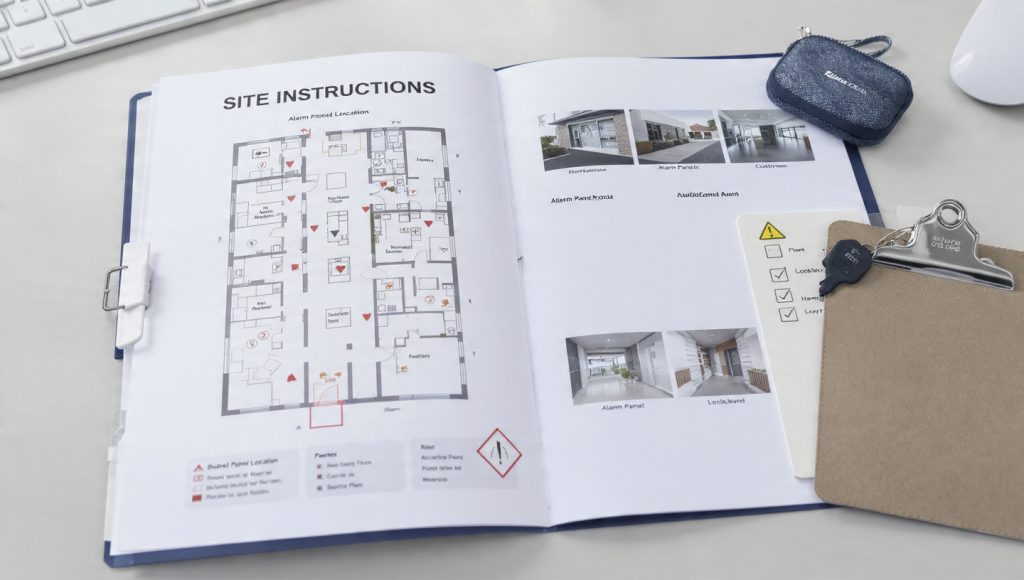
A crucial step in alarm response planning is the creation of a comprehensive list of contacts that will be involved in the response process. This list should include key personnel within the organization, such as security managers, facility managers, and emergency response teams. Additionally, it should encompass external contacts, including local law enforcement, fire departments, and emergency medical services. Having a well-defined list ensures that the right individuals are notified promptly when an alarm is triggered, facilitating a swift and effective response.
When compiling this list, it is essential to consider various factors such as availability and expertise. For instance, certain individuals may be more suited to handle specific types of emergencies, such as medical incidents or fire alarms. Furthermore, contact information should be kept up-to-date to avoid delays in communication during critical moments. Regularly reviewing and updating this contact list will ensure that it remains relevant and effective, ultimately enhancing the overall alarm response strategy.
Establishing Escalation Rules for Alarm Response
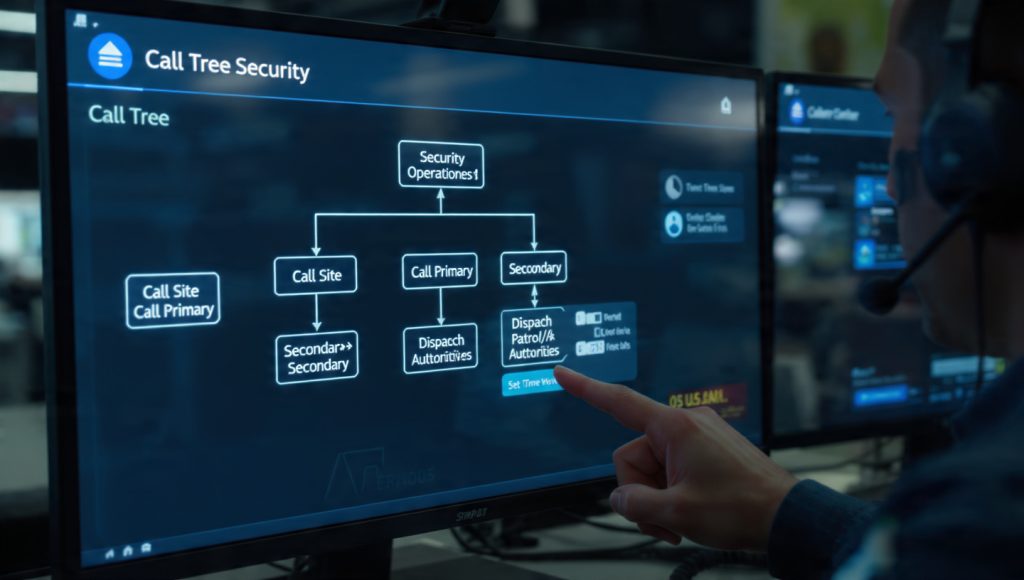
Establishing clear escalation rules is vital for ensuring that alarm responses are handled efficiently and effectively. Escalation rules dictate how responses should progress based on the severity of the alarm or incident. For example, a minor alarm may only require notification of on-site personnel, while a more serious situation may necessitate immediate contact with law enforcement or emergency services. By defining these rules in advance, organizations can streamline their response processes and avoid confusion during high-pressure situations.
Additionally, escalation rules should be communicated clearly to all relevant personnel. Training sessions can be conducted to ensure that everyone understands their roles and responsibilities in the event of an alarm activation. This clarity not only enhances the speed of the response but also fosters a sense of accountability among team members. When everyone knows what to do and when to escalate an issue, the likelihood of a successful resolution increases significantly.
Setting Up Site Instructions for Monitoring
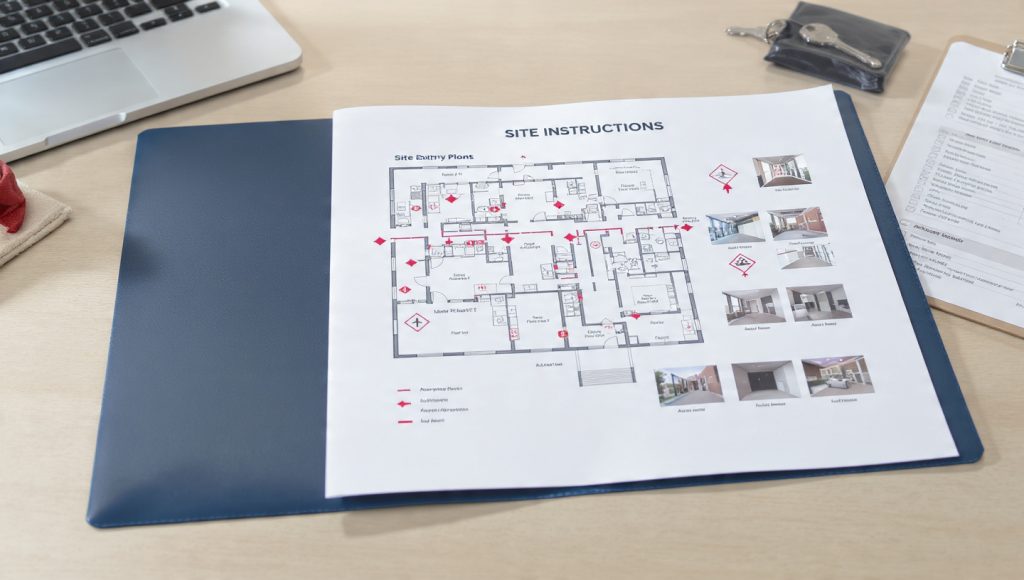
Site instructions play a crucial role in alarm response planning by providing detailed guidelines on how to monitor and respond to alarms at specific locations. These instructions should outline the unique characteristics of each site, including potential vulnerabilities, access points, and emergency procedures. By tailoring site instructions to individual locations, organizations can ensure that responders are well-prepared to handle any situation that may arise.
In addition to outlining procedures for responding to alarms, site instructions should also include information on how to access relevant systems and technologies. This may involve providing login credentials for monitoring software or detailing how to operate specific security equipment. By equipping responders with the necessary knowledge and tools, organizations can enhance their ability to respond effectively to alarms and minimize potential risks.
In the realm of alarm response planning, understanding the importance of creating comprehensive contacts, escalation rules, and site instructions is crucial for effective monitoring. A related article that delves deeper into enhancing residential security can be found at Alpha Security, which offers valuable insights and strategies to ensure your home is well-protected. By integrating these elements into your security protocol, you can significantly improve your response times and overall safety.
Utilizing Technology for Efficient Alarm Response
Incorporating technology into alarm response planning can significantly enhance efficiency and effectiveness. Modern security systems offer a range of features that can streamline the response process, such as real-time alerts, remote monitoring capabilities, and automated reporting tools. By leveraging these technologies, organizations can ensure that they are well-equipped to handle any alarm situation that may arise.
For instance, integrating smart home technology into residential security systems allows homeowners to monitor their properties remotely through mobile applications. This level of control enables individuals to assess situations in real-time and make informed decisions about whether to escalate the response or take other actions. Furthermore, advanced video surveillance systems can provide valuable visual information during an incident, aiding responders in understanding the nature of the alarm and determining the appropriate course of action.
Training and Communication for Effective Alarm Response

Our company offers reliable 24/7 back-to-base alarm monitoring services to keep your property safe at all times.
Effective training and communication are paramount for successful alarm response planning. All personnel involved in the response process should receive comprehensive training on alarm protocols, escalation procedures, and site-specific instructions. Regular drills and simulations can help reinforce this training and ensure that everyone is familiar with their roles during an actual incident. By investing in training, organizations can cultivate a culture of preparedness that empowers employees to act confidently in emergencies.
Communication is equally important in alarm response planning. Establishing clear lines of communication among team members ensures that information flows smoothly during an incident. Utilizing communication tools such as two-way radios or mobile apps can facilitate real-time updates and coordination among responders. Additionally, regular meetings can be held to discuss any changes to protocols or address concerns related to alarm responses. By fostering open communication channels, organizations can enhance collaboration and improve overall response effectiveness.
Integrating Alarm Response Planning with Security Protocols
Integrating alarm response planning with broader security protocols is essential for creating a cohesive security strategy. Alarm responses should align with existing security measures, such as access control systems and surveillance protocols. This integration ensures that all aspects of security work together seamlessly to protect assets and personnel effectively.
For example, if an alarm is triggered due to unauthorized access at a facility, the response plan should include steps for verifying the identity of individuals on-site through access control logs or surveillance footage. By aligning alarm responses with security protocols, organizations can create a comprehensive approach that addresses potential threats from multiple angles. This holistic strategy not only enhances security but also fosters a sense of confidence among employees and stakeholders.
Addressing Potential Challenges in Alarm Response
While alarm response planning is crucial for enhancing security, it is essential to recognize and address potential challenges that may arise during implementation. One common challenge is the possibility of false alarms, which can lead to complacency among responders or unnecessary strain on emergency services. To mitigate this issue, organizations should invest in high-quality alarm systems that minimize false triggers and conduct regular maintenance checks.
Another challenge is ensuring that all personnel are adequately trained and informed about their roles in the response process. Inadequate training can lead to confusion during emergencies and hinder effective responses. To overcome this challenge, organizations should prioritize ongoing training initiatives and provide resources that keep employees informed about any changes to protocols or procedures.
Reviewing and Updating Alarm Response Plans Regularly
Alarm response plans should not be static documents; they require regular reviews and updates to remain effective in an ever-changing security landscape. Organizations should schedule periodic assessments of their alarm response plans to identify areas for improvement or adjustments based on new threats or changes in operations. This proactive approach ensures that plans remain relevant and effective over time.
Additionally, feedback from personnel involved in alarm responses can provide valuable insights into potential improvements. After each incident or drill, conducting debriefing sessions allows teams to discuss what worked well and what could be enhanced in future responses. By fostering a culture of continuous improvement, organizations can refine their alarm response strategies and better prepare for future challenges.
Collaborating with Local Authorities for Alarm Response
Collaboration with local authorities is a vital aspect of effective alarm response planning. Establishing relationships with local law enforcement agencies, fire departments, and emergency medical services can enhance coordination during incidents. By sharing information about alarm systems and response protocols with these agencies, organizations can ensure that responders are well-prepared when they arrive on-site.
Furthermore, involving local authorities in training exercises or drills can foster better communication and understanding between organizations and emergency services. This collaboration not only improves response times but also builds trust within the community regarding safety measures in place. By working together with local authorities, organizations can create a more robust alarm response framework that benefits everyone involved.

Implementing Best Practices for Alarm Response Planning
To maximize the effectiveness of alarm response planning, organizations should implement best practices that have been proven successful across various industries. These practices include conducting thorough risk assessments to identify vulnerabilities, establishing clear communication channels among responders, and utilizing technology to enhance monitoring capabilities.
Additionally, organizations should prioritize employee engagement by involving them in the development of alarm response plans. Soliciting input from staff members who will be directly impacted by these plans fosters a sense of ownership and accountability among employees. By implementing these best practices, organizations can create a comprehensive alarm response strategy that not only protects assets but also promotes a culture of safety and preparedness throughout the organization.
In conclusion, alarm response planning is an essential component of any effective security strategy. By understanding its importance, creating comprehensive contact lists, establishing escalation rules, setting up site instructions, utilizing technology, training personnel effectively, integrating with security protocols, addressing challenges proactively, reviewing plans regularly, collaborating with local authorities, and implementing best practices, organizations can enhance their ability to respond effectively to alarms and protect what matters most.