




Alarm Systems Sydney: The Role of Intrusion Sensors in Stopping Break‑Ins (Without Constant False Alarms)
Why Smart Sensors Matter in Sydney
Let’s be honest—nobody wants to be that neighbor whose alarm goes off every time a possum decides to take a midnight stroll across their roof. But here’s the thing: in Sydney, where break-ins and attempted burglaries have become increasingly common across suburbs from Parramatta to Bondi, having a reliable alarm system isn’t just nice to have anymore. It’s essential.
Recent statistics show that residential break-ins occur every 2.5 minutes across Australia, with Sydney’s outer suburbs being particularly targeted. The problem? Many homeowners and business owners are stuck with cheap alarm systems that either miss genuine intrusions or cry wolf so often that everyone—including the monitoring company—starts ignoring them.
That’s where smart intrusion detection sensors come into play. These aren’t your grandfather’s basic door alarms. We’re talking about sophisticated devices that can tell the difference between your cat jumping off the kitchen counter and someone actually trying to break into your home. The key is understanding how these systems work and why proper sensor selection makes all the difference between peace of mind and constant frustration.
You might be thinking, “Surely all alarm systems are pretty much the same?” Well, that’s where you’d be wrong. The difference between a basic system and a professionally designed one is like comparing a bicycle to a Tesla. Both will get you from point A to point B, but the experience—and the reliability—are worlds apart.
Sydney’s unique environment presents specific challenges that generic alarm systems simply can’t handle effectively. The coastal humidity in eastern suburbs like Coogee and Maroubra can wreak havoc on poorly designed sensors, while the extreme heat of western Sydney summers in areas like Penrith and Blacktown can cause thermal sensors to malfunction. Add in the city’s diverse wildlife—from possums and fruit bats to the occasional monitor lizard—and you’ve got a recipe for false alarm disasters with inferior equipment.
The geography of Sydney also plays a crucial role in sensor selection. Properties built on the steep terrain of suburbs like Leura or Katoomba require different mounting strategies than flat coastal developments. Heritage homes in Paddington with their ornate ironwork and multiple levels present unique challenges, while modern apartments in Pyrmont might need sensors that can handle the electromagnetic interference from nearby electronic devices.
What an Intrusion Detection System Actually Does

Before we dive into the nitty-gritty of sensors, let’s get clear on what a modern alarm systems actually involves. You’ve got your control panel—think of it as the brain of the operation. Then there are the sensors scattered around your property, acting like electronic sentries. Add in some sirens to make noise when needed, and if you’re smart, you’ll have professional monitoring backing it all up.
Now, here’s where it gets interesting. Residential requirements in Sydney are quite different from commercial ones. Your average family home in Castle Hill needs different protection than a warehouse in Alexandria or a retail shop in Newtown. The sensors that work perfectly for a single-story brick home might be completely wrong for a multi-level terrace with timber floors and high ceilings.
Commercial properties face their own challenges. You might be dealing with loading docks, multiple entry points, valuable inventory, and staff who need different access levels. The sensor strategy for a small office in the CBD is worlds apart from what you’d need for a manufacturing facility in Blacktown.
It’s easy as pie to assume that more sensors equals better protection, but that’s not always the case. Sometimes, it’s about having the right sensors in the right places. A well-placed dual-tech sensor can outperform three basic PIR sensors that are poorly positioned.
Modern intrusion detection systems also integrate seamlessly with other security technologies. CCTV cameras can be programmed to automatically focus on areas where sensors have been triggered, while smart lighting systems can flood detected intrusion zones with bright light to deter criminals and assist responding security personnel. Some advanced systems even connect with smart home automation, allowing sensors to trigger specific responses like locking down certain areas or activating emergency lighting throughout the property.
The communication pathways between sensors and monitoring stations have evolved dramatically too. While older systems relied solely on landline connections that could be easily cut, today’s systems use multiple communication methods including cellular networks, internet connections, and radio frequencies. This redundancy ensures that even if criminals attempt to disable one communication method, alerts still reach the monitoring station and property owners.
Types of Intrusion Detection Sensors

Let’s talk about the stars of the show—the sensors themselves. First up are door and window reed switches. These little devices are your first line of defense, creating what we call perimeter protection. They’re simple but effective: when a door or window opens, the magnetic connection breaks, and boom—the system knows something’s happening.
Then you’ve got PIR motion sensors. These detect body heat and movement, and they’re probably what most people picture when they think “alarm sensor.” But here’s where things get sophisticated. Dual-tech sensors combine PIR with microwave technology, which means they’re looking for both heat signatures and actual movement. This combination dramatically reduces false alarms while maintaining sensitivity to real threats.
Glass break detectors are particularly clever. They listen for the specific frequency of breaking glass—not just any loud noise, but the actual sound signature of someone smashing a window. For Sydney properties with lots of glass doors opening onto decks or courtyards, these can be game-changers.
For outdoor protection, you’re looking at beam sensors and perimeter detectors. These create invisible barriers across driveways, around pools, or along fence lines. They’re perfect for catching someone before they even reach your building. Commercial properties often use these to protect loading areas or parking lots.
There’s something almost sci-fi about watching these sensors work. You can’t see the beams, but they’re there, silently standing guard 24/7. And when something interrupts them? That’s when the magic—or in this case, the alarm—happens.
Vibration sensors represent another sophisticated category, particularly useful for protecting safes, filing cabinets, or detecting attempts to break through walls or windows. These sensors can distinguish between normal building settling, traffic vibrations, and the specific patterns created by drilling, cutting, or impact attempts. For heritage buildings in areas like The Rocks or older commercial buildings in Surry Hills, vibration sensors can detect structural intrusion attempts without requiring major modifications to the building fabric.
Photoelectric beam sensors create invisible walls of protection and are particularly effective for large open areas or perimeter protection. Unlike PIR sensors that detect heat signatures, beam sensors detect any interruption of their invisible light beam, making them ideal for detecting intruders regardless of weather conditions or temperature variations. Advanced beam sensors can even be programmed to ignore small interruptions (like birds flying through) while triggering on larger objects.
How Smart Sensor Design Reduces Break-Ins

Here’s where the magic happens—layered protection. Instead of relying on a single motion sensor in your hallway, smart design creates multiple detection zones. Someone trying to break in hits your perimeter sensors first, then triggers internal sensors if they somehow get past the first layer.
Think about it this way: early detection at entry points gives you and the monitoring company precious time to respond. By the time someone’s wandering around inside your property, it might already be too late. But catch them at the window or door? That’s when you can prevent the break-in entirely.
There’s also a psychological element here. Visible sensors, especially outdoor ones, act as serious deterrents. Most opportunistic thieves will move on to an easier target when they spot professional-grade detection equipment. The siren alone—that ear-piercing wail that kicks in immediately—is often enough to send intruders running.
I’ve heard stories from security professionals about would-be burglars who’ve literally turned around and walked away after spotting well-positioned sensors. It’s like putting up a “Beware of Dog” sign, except this dog never sleeps and never gets distracted by a juicy bone.
The concept of “security in depth” applies perfectly to sensor design. Each layer serves a specific purpose: perimeter sensors detect approach and entry attempts, internal sensors confirm unauthorized presence, and specialized sensors protect high-value areas or assets. This layered approach means that even if criminals defeat one detection method, multiple backup systems are still in place.
Smart sensor networks also enable what security professionals call “intelligent zoning.” Different areas of a property can have different sensitivity levels and response protocols. For instance, sensors protecting a jewelry store’s display area might trigger immediate high-priority alerts, while sensors in a staff break room might have delayed responses to account for authorized after-hours access. This granular control reduces false alarms while ensuring critical areas receive maximum protection.
How Correct Sensor Selection Reduces False Alarms
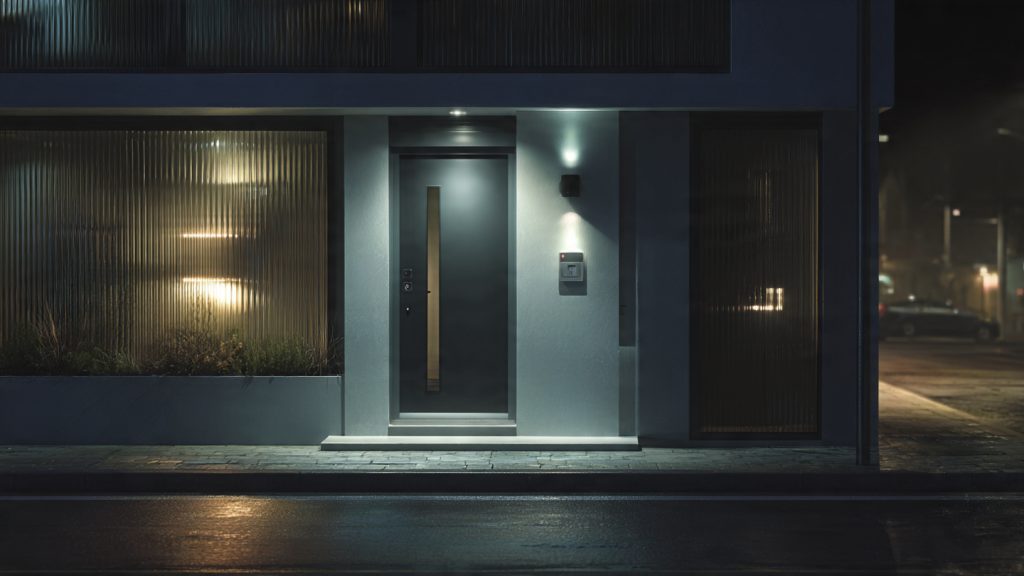
Now, let’s address the elephant in the room—false alarms. Nothing kills confidence in your security system faster than having it go off because your Golden Retriever decided to check out that noise in the kitchen at 3 AM.
Pet-friendly PIR sensors are specifically designed to ignore animals under a certain weight, typically around 25 kilograms. But it’s not just about the sensor itself—mounting height matters enormously. Install a standard PIR too low, and even a large cat might trigger it. Mount it correctly, and your pets can roam freely while the system still catches human-sized intruders.
Location is everything. You’d be amazed how many false alarms come from sensors placed near air-conditioning vents, flowing curtains, or windows where direct sunlight creates heat signatures that confuse PIR sensors. A professional installer knows to avoid these trouble spots.
For challenging environments like garages, warehouses, or rooms with high ceilings and lots of metal, dual-tech sensors are often the answer. The combination of PIR and microwave technology means both detection methods need to trigger simultaneously for an alarm. This virtually eliminates environmental false alarms while maintaining excellent detection capability.
You’re gonna love this: some of the newer sensors are so smart they can actually learn your patterns. They know when the family usually comes home, when the cleaning lady arrives, and even when the cat typically does his midnight prowl. It’s like having a security guard who actually pays attention.
Environmental factors unique to Sydney require special consideration in sensor selection. The city’s notorious wind patterns, particularly the strong westerlies that can rattle windows and move outdoor objects, need to be accounted for when positioning external sensors. Coastal properties must deal with salt air that can corrode inferior equipment and affect sensor performance over time.
Temperature fluctuations also play a significant role in false alarm prevention. Sydney’s climate can see dramatic temperature swings, particularly during spring and autumn. PIR sensors that aren’t properly calibrated for these variations might trigger when heating or cooling systems create unexpected thermal patterns. Professional-grade sensors include temperature compensation features that automatically adjust sensitivity based on ambient conditions.
Placement Examples for Sydney Homes and Businesses
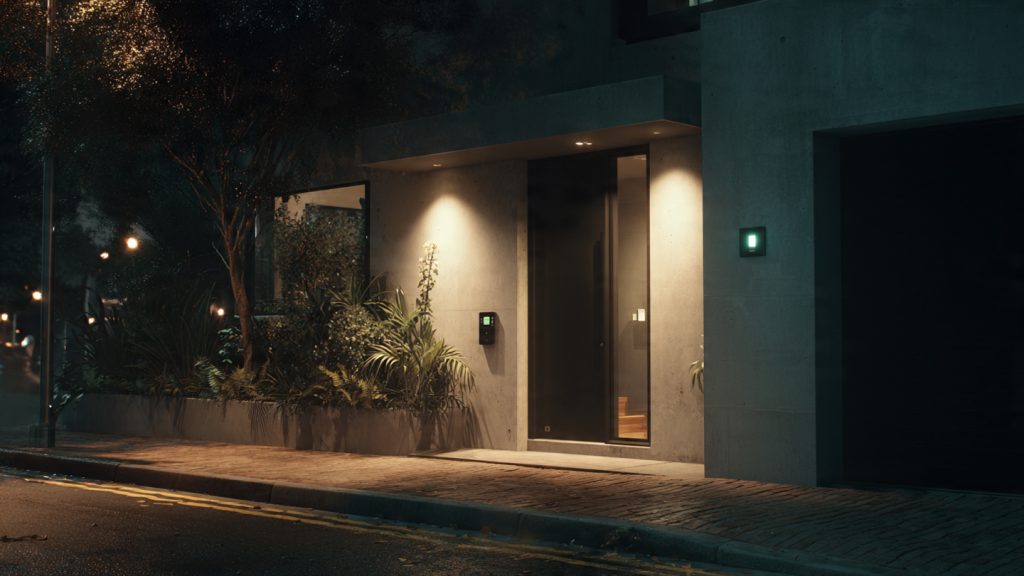
Let’s get practical with some real-world scenarios. Take a typical single-story home in western Sydney—maybe Blacktown or Mount Druitt. You’d start with reed switches on all accessible doors and windows. A couple of PIR sensors covering main living areas and hallways. Maybe a glass break detector if there’s a large sliding door to the backyard. For the garage, a dual-tech sensor handles temperature fluctuations and potential interference from the car.
Multi-storey homes in areas like the North Shore present different challenges. You might need sensors on upper-level windows that could be accessed via balconies or nearby trees. Staircases become critical detection points—catch someone on the stairs, and you know they’re definitely not supposed to be there.
For a small retail shop, you’re looking at comprehensive coverage. Reed switches on all entry points, motion sensors covering the shop floor and stockroom, and potentially beam sensors creating invisible barriers around high-value displays. An office might focus more on after-hours protection with perimeter sensors and strategic motion detectors in key areas.
Warehouses are a whole different ball game. You need outdoor perimeter protection, sensors on loading docks, and internal coverage that won’t be triggered by normal air movement in large spaces. This is where professional assessment becomes crucial—there’s no one-size-fits-all solution.
Programming and User Education to Keep False Alarms Low
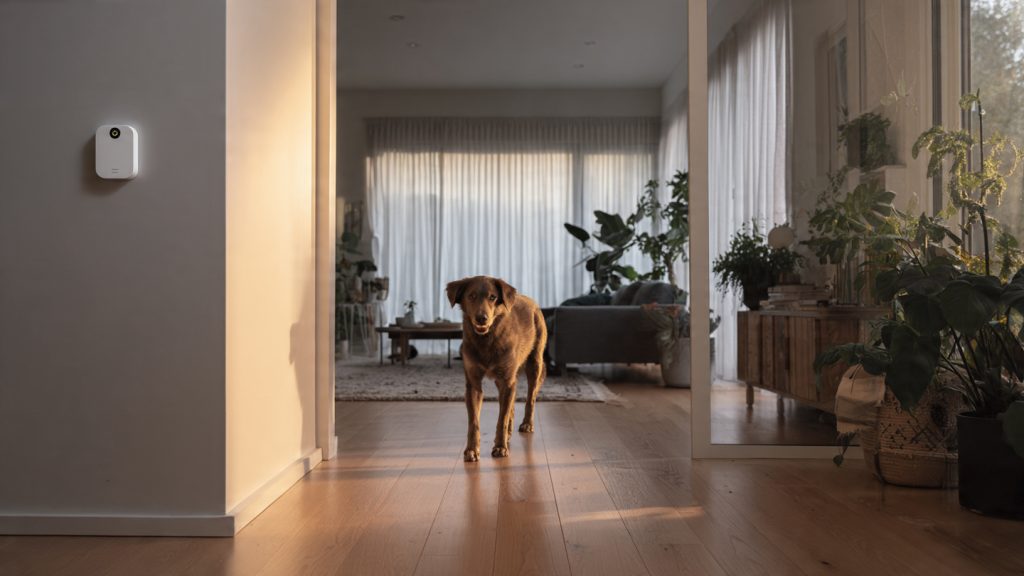
Even the best sensors won’t help if your system isn’t programmed correctly or if users don’t understand how to operate it properly. Entry and exit delays need to be realistic—long enough that you can get in and disarm the system without rushing, but not so long that an intruder could disable it.
Stay and away modes are brilliant features that many people underuse. Away mode activates all sensors when nobody’s home. Stay mode might only activate perimeter sensors and certain internal zones, allowing you to move around freely while still protecting entry points.
User education is absolutely critical. Everyone who uses the system needs to understand proper arming and disarming procedures. They should know their personal codes and understand duress codes—special codes that silently alert monitoring stations that something’s wrong even while appearing to disarm the system normally.
Here’s something most people don’t know: the majority of false alarms aren’t caused by faulty sensors—they’re caused by user error. Someone forgets to disarm the system before opening a door, or they don’t realize that the cleaning lady changed her schedule. Proper education eliminates about 80% of these issues.
Why Professional Installation by Alpha Security Matters

Here’s the reality—DIY alarm systems might seem appealing, but proper installation involves way more than just sticking sensors on walls. There are compliance requirements, cabling considerations, device selection based on specific environmental factors, and integration with professional monitoring services.
At Alpha Security, we don’t just install cookie-cutter systems. Every property gets a thorough assessment. We look at entry points, traffic patterns, environmental factors, and specific security concerns. A waterfront property in Manly has different requirements than a suburban home in Campbelltown or a commercial building in Parramatta.
Our technicians understand Sydney’s unique challenges—the humidity that can affect certain sensors, the wildlife that might trigger outdoor detectors, and the architectural styles that require specific mounting techniques. We also handle the integration with monitoring services, ensuring that when an alarm triggers, the right people know about it immediately.
There’s something to be said for experience. Our team has seen every type of property, every kind of challenge, and every possible way things can go wrong. That knowledge translates into systems that actually work when you need them most.
Think of it this way: you wouldn’t perform surgery on yourself just because you watched a YouTube video, right? The same principle applies to security systems. The stakes might not be life-and-death, but your property, your family, and your peace of mind are certainly worth professional attention.
Ready to Upgrade Your Security?
If you’re tired of false alarms or worried that your current system isn’t providing adequate protection, it’s time for a professional assessment. Alpha Security offers free on-site evaluations throughout Sydney, where we’ll examine your property, discuss your specific needs, and design a sensor layout that provides comprehensive protection without the hassle of constant false alarms.
Don’t wait until you become another break-in statistic. The best time to install a proper security system was yesterday. The second-best time is right now. Contact Alpha Security today to book your free assessment and discover how modern intrusion detection sensors can provide the peace of mind you deserve.
Your property, your family, and your business deserve protection that actually works. Let’s get the ball rolling on creating a security solution that’s tailored specifically for your needs. Because when it comes to protecting what matters most, there’s no room for compromise.
Read More: Choosing the Right Alarm Monitoring Service in Sydney