


Alarm Systems Sydney: How Intrusion Detection Sensors Reduce Break-Ins and False Alarms
You know that sinking feeling when you’re lying in bed at 2 AM and hear something that doesn’t quite sound right? Maybe it’s just the wind, or perhaps it’s something more concerning. In Sydney, thousands of homes and businesses fall victim to robberies and burglars daily, and that nagging worry about security is something most of us can relate to. Nothing wards off potential intruders than a professionally installed, competent, efficient alarm system.
The thing is, modern alarm systems have come a long way from those basic setups that seemed to go off every time a cat walked past. Today’s intrusion detection sensors are sophisticated pieces of technology that can actually distinguish between genuine threats and false alarms. And honestly, that’s a game-changer for anyone serious about protecting their property.
Understanding Modern Intrusion Detection Technology
Let’s talk about what makes today’s alarm systems so much smarter than their predecessors. You’ve worked hard to build your house and acquire your most memorable and valued possessions, so it makes sense to understand exactly how these systems protect what matters most to you.
Modern intrusion detection sensors work on multiple levels of verification. Instead of relying on a single trigger point, they use what’s called “dual technology” or even “triple verification” systems. Think of it like having multiple witnesses to confirm what’s actually happening in your space.
Passive infrared (PIR) sensors detect heat signatures and movement patterns. But here’s where it gets interesting – they’re now programmed to recognize the difference between a person’s movement and, say, a curtain swaying in the breeze. The technology has become so refined that it can even distinguish between different types of movement patterns.
Microwave sensors emit radio waves and detect changes in the frequency when those waves bounce back. When combined with PIR technology, you get a system that’s incredibly accurate. It’s like having two different security guards watching the same area, each with their own specialized skills.
The Evolution of Sensor Technology in Sydney’s Climate
Sydney’s unique environmental conditions present specific challenges that modern sensor technology has evolved to address. The city’s coastal location means dealing with salt air, humidity fluctuations, and dramatic temperature changes throughout the day. Traditional sensors often struggled with these conditions, leading to frequent malfunctions and false readings.
Contemporary sensor systems are engineered with weather-resistant housings and advanced filtering algorithms that compensate for environmental factors. For instance, humidity sensors now work in conjunction with motion detectors to adjust sensitivity levels automatically. During Sydney’s notorious summer storms, when temperature and humidity can change rapidly, these smart adjustments prevent the system from interpreting environmental shifts as security threats.
The coastal winds that sweep through Sydney suburbs have historically been a major cause of false alarms. Modern sensors now incorporate wind-speed data and can distinguish between movement caused by natural air currents and actual human activity. This is particularly important for properties near the harbor or elevated areas where wind patterns are more pronounced.
The False Alarm Problem and Its Real-World Impact
You might be thinking, “Why should I care about false alarms as long as the real threats are caught?” Well, here’s the thing – false alarms are more than just an annoyance. They’re actually a significant problem that affects everyone involved.
In Sydney alone, police respond to thousands of false alarms each year. That’s time and resources that could be better spent on actual emergencies. Some areas have even implemented fines for excessive false alarms, which means poor system design could literally cost you money.
But beyond the financial implications, there’s the human factor. When your alarm goes off at 3 AM because a spider walked across a sensor, you’re not just losing sleep – you’re potentially desensitizing yourself and your neighbors to future alarms. It’s like the boy who cried wolf, except the consequences are much more serious.
False alarms also put unnecessary strain on emergency response teams. Every time they respond to a false alarm, they’re not available for genuine emergencies. It’s a ripple effect that impacts the entire community’s safety network.
Advanced Analytics and Machine Learning Applications
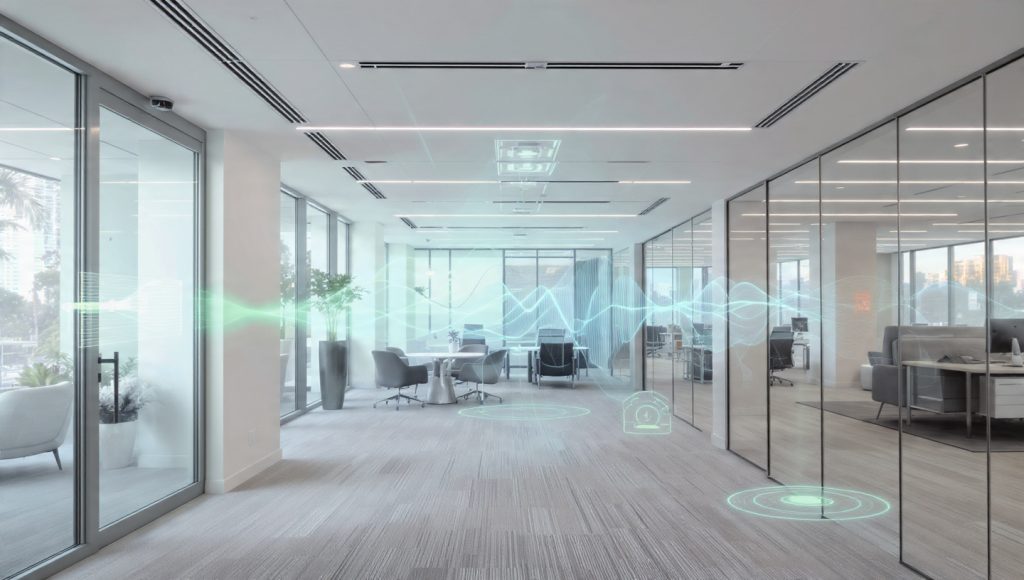
The integration of artificial intelligence into modern alarm systems represents perhaps the most significant advancement in security technology. These systems don’t just detect motion or sound; they analyze patterns, learn behaviors, and make intelligent decisions about threat assessment.
Machine learning algorithms process thousands of data points every second, creating detailed behavioral baselines for your property. They learn when you typically arrive home from work, how your pets move through the house, and even seasonal patterns like how tree shadows shift across windows throughout the year. This accumulated knowledge allows the system to identify anomalies with remarkable precision.
Video analytics have become particularly sophisticated, with systems capable of recognizing human forms, distinguishing between adults and children, and even identifying suspicious behaviors like loitering or attempting to conceal one’s identity. Some advanced systems can detect when someone is carrying tools commonly used in break-ins or moving in patterns consistent with surveillance activities.
The beauty of these AI-driven systems lies in their continuous improvement. Each interaction, whether a genuine alarm or a false positive, provides additional training data that enhances the system’s accuracy. Over time, your security system becomes uniquely calibrated to your specific environment and lifestyle.
How Smart Sensors Differentiate Between Threats and Non-Threats
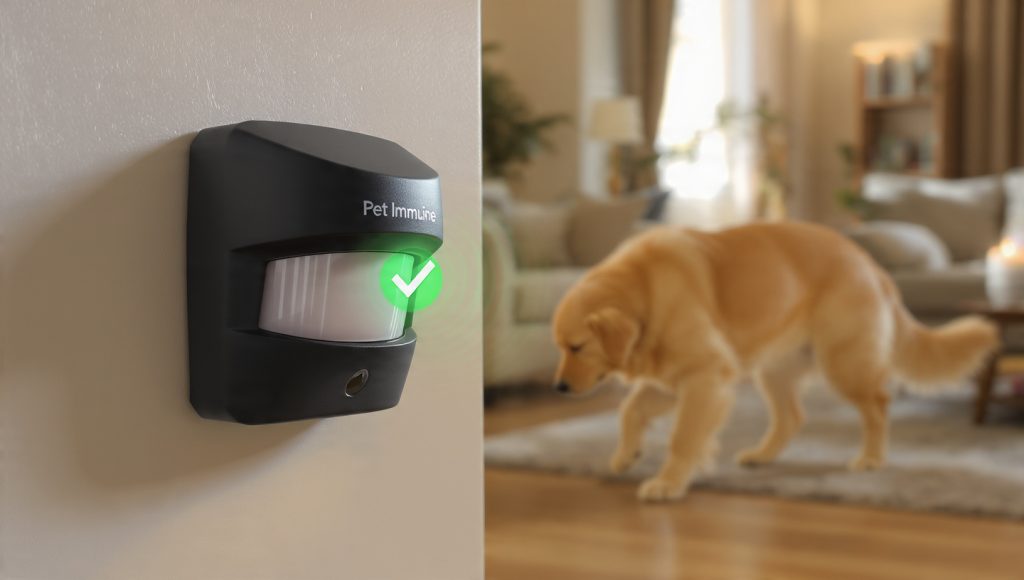
So how exactly do modern sensors avoid these false alarms while still catching the real bad guys? It’s actually pretty fascinating when you dig into the technology.
Advanced PIR sensors now use something called “pattern recognition algorithms.” They learn the normal patterns of your space – how shadows move throughout the day, where pets typically walk, even how temperature changes affect the environment. Over time, the system builds a profile of what’s normal for your specific location.
Pet immunity is another major breakthrough. If you’ve got a dog or cat, older systems would go off constantly. Modern sensors can be calibrated to ignore animals up to a certain weight and movement pattern. They look at factors like height, speed of movement, and heat signature to determine whether they’re dealing with Fluffy or a potential intruder.
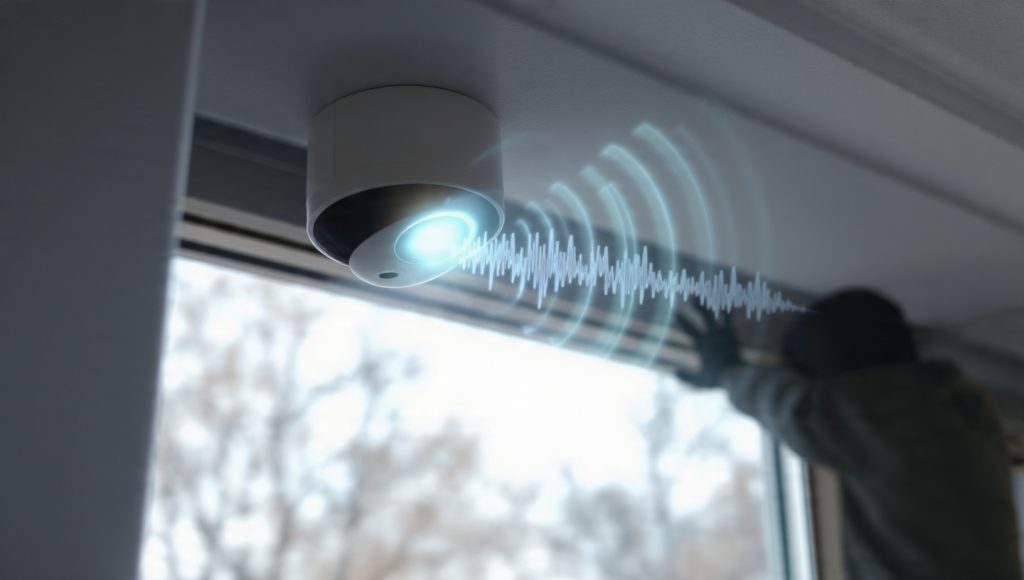
Glass break sensors have also become incredibly sophisticated. Instead of just detecting any loud noise, they analyze the specific frequency pattern of breaking glass. They can tell the difference between a window breaking and, say, a book falling off a shelf. Some even distinguish between different types of glass – tempered, laminated, or standard window glass.
Door and window sensors now use magnetic field analysis combined with vibration detection. They don’t just detect when a door opens; they can sense when someone’s trying to force it open versus normal operation. It’s like having a sensor that understands intent, not just action.
Wireless Technology and Network Security
The shift toward wireless sensor networks has revolutionized alarm system installation and reliability. Modern wireless sensors use encrypted communication protocols that are virtually impossible to jam or intercept, addressing one of the primary vulnerabilities of older systems.
These wireless networks operate on multiple frequency bands simultaneously, ensuring communication redundancy. If one frequency is compromised or experiences interference, the system automatically switches to alternative channels. This mesh network approach means that even if individual sensors lose connection temporarily, the overall system integrity remains intact.
Battery technology has also advanced significantly, with many wireless sensors now operating for years on a single battery charge. Smart power management systems monitor battery levels across all devices and provide advance warning when replacements are needed, preventing unexpected system failures.
The integration of cellular backup systems ensures that your alarm system remains operational even if your internet connection fails. These systems can switch seamlessly between Wi-Fi, ethernet, and cellular connections, maintaining constant communication with monitoring centers regardless of local network issues.
Real-World Benefits of Advanced Detection Systems
Let me share what this technology means in practical terms. We believe security systems aren’t just there to record crime but rather to prevent crime from happening. Your house is unique, and so should your security system.
First off, you’re gonna sleep better. When you know your system can distinguish between your teenager sneaking in past curfew and an actual break-in attempt, you’re not jumping out of bed every time the system makes a sound. The peace of mind factor alone is worth the investment.
From a prevention standpoint, visible security systems with advanced sensors act as a serious deterrent. Experienced burglars know the difference between a basic alarm and a sophisticated detection system. They’re much more likely to move on to an easier target when they see professional-grade equipment.
Insurance companies are catching on too. Many providers offer significant discounts for homes and businesses with professionally installed, monitored alarm systems. The reduction in false alarms means lower costs for everyone in the insurance pool, and those savings get passed along to you.
For businesses, the benefits extend beyond just security. Advanced systems can provide valuable data about foot traffic patterns, after-hours activity, and even help with energy management by integrating with lighting and HVAC systems.
Specialized Sensors for Different Environments
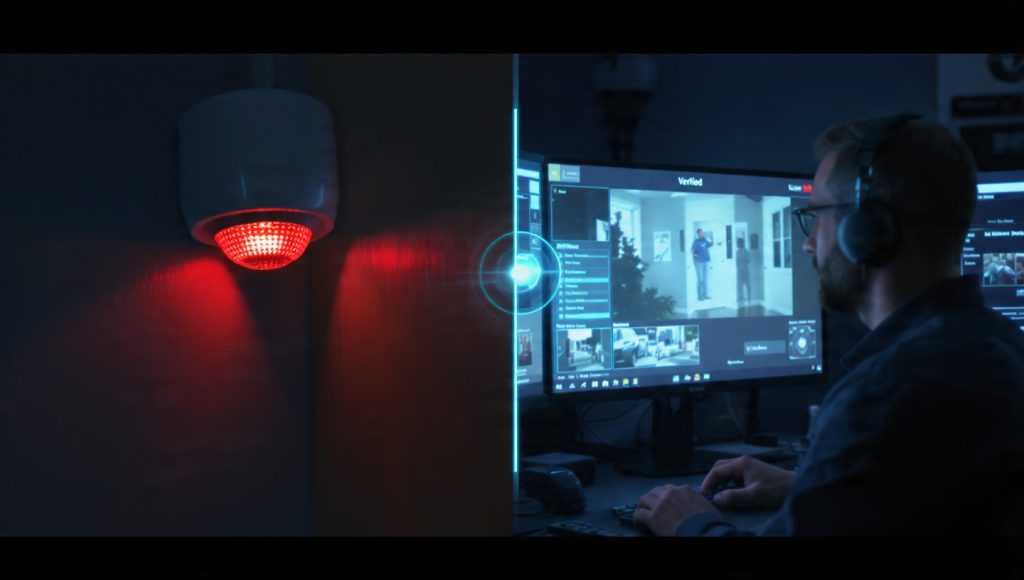
Not all sensors are created equal, and different environments require specialized detection technologies. Understanding these variations can help you make informed decisions about your security setup.
Outdoor sensors face unique challenges, including weather resistance, wildlife interference, and varying lighting conditions. Modern outdoor PIR sensors use advanced filtering to distinguish between human movement and animals, while also compensating for temperature variations that can affect detection accuracy. Some incorporate light sensors that automatically adjust sensitivity based on ambient lighting conditions.
For indoor applications, ceiling-mounted sensors provide comprehensive room coverage while remaining discreet. These sensors can monitor entire rooms from a single point, using advanced algorithms to track multiple movement patterns simultaneously. They’re particularly effective in open-plan spaces where traditional wall-mounted sensors might miss certain angles.
Perimeter protection sensors have evolved to include fiber optic cables that can detect fence climbing or cutting, ground sensors that respond to footsteps, and beam-break systems that create invisible barriers across entry points. These systems can differentiate between small animals, weather effects, and human intrusion attempts.
Integration with Smart Home Technology
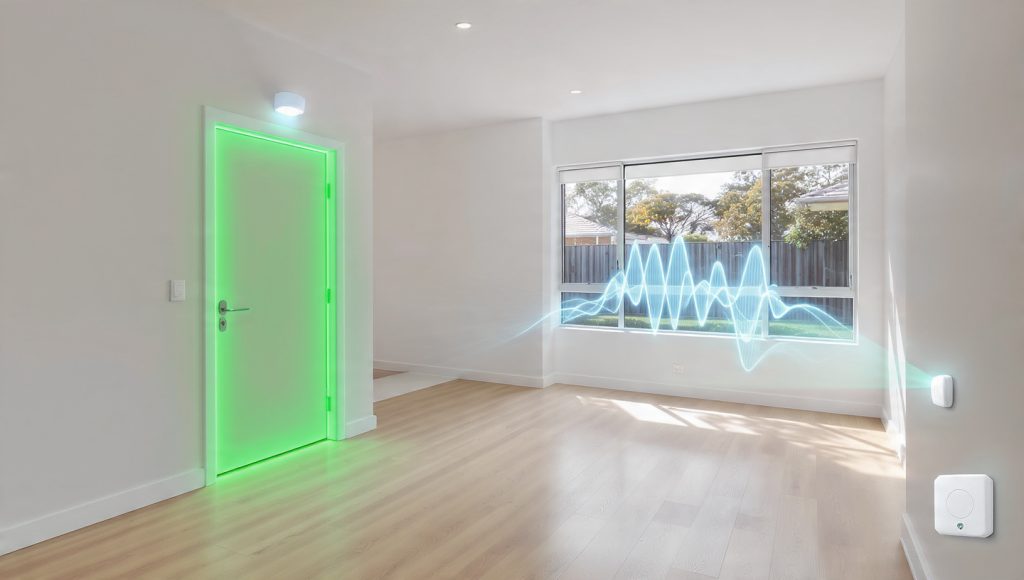
Here’s where things get really exciting – modern alarm systems don’t operate in isolation anymore. They’re designed to integrate seamlessly with your existing smart home setup.
Imagine this scenario: your intrusion detection system recognizes unusual activity in your backyard. Instead of just sounding an alarm, it automatically turns on exterior lights, starts recording on security cameras, sends you a smartphone notification with live video, and can even communicate with your smart locks to ensure all entry points are secured.
The integration possibilities are practically endless. Your system can work with smart thermostats to simulate occupancy when you’re away, coordinate with automated blinds to maintain privacy during security events, and even integrate with voice assistants for hands-free control.
What’s particularly clever about modern systems is their ability to learn and adapt. Machine learning algorithms analyze patterns over time and continuously improve the system’s accuracy. It’s like having a security system that gets smarter the longer you use it.
Professional Installation vs. DIY: Why It Matters

Now, you might be tempted to save some money and install a system yourself. I get it – there are plenty of DIY options available, and some of them look pretty appealing on paper. But here’s the reality: proper sensor placement and calibration make all the difference between an effective security system and an expensive annoyance.
Professional installers understand the nuances of different sensor technologies and how environmental factors affect their performance. They know that a PIR sensor placed too close to a heating vent will give false readings, or that certain types of flooring can affect vibration sensors.
There’s also the matter of compliance with local regulations and insurance requirements. Professional installations typically come with certifications that DIY systems can’t provide. Certified Australian Standards ensure that your system meets all legal requirements and performs at the level you expect.
Choosing the Right System for Your Sydney Property
Every property is different, and what works perfectly for your neighbor might not be the best solution for your situation. Protect your home and business with comprehensive solutions designed for both residential and commercial security systems.
For residential properties, consider factors like property size, number of entry points, presence of pets, and your lifestyle patterns. A family with young children will have different needs than empty nesters or young professionals.
Commercial properties require additional considerations. You’re dealing with multiple access points, varying occupancy patterns, valuable inventory or equipment, and often complex layouts. The sensor technology needs to account for normal business operations while still detecting unauthorized access.
Location within Sydney also matters. Properties in high-crime areas might benefit from more comprehensive coverage and faster response times, while suburban homes might focus more on perimeter protection and family-friendly features.
The Future of Intrusion Detection
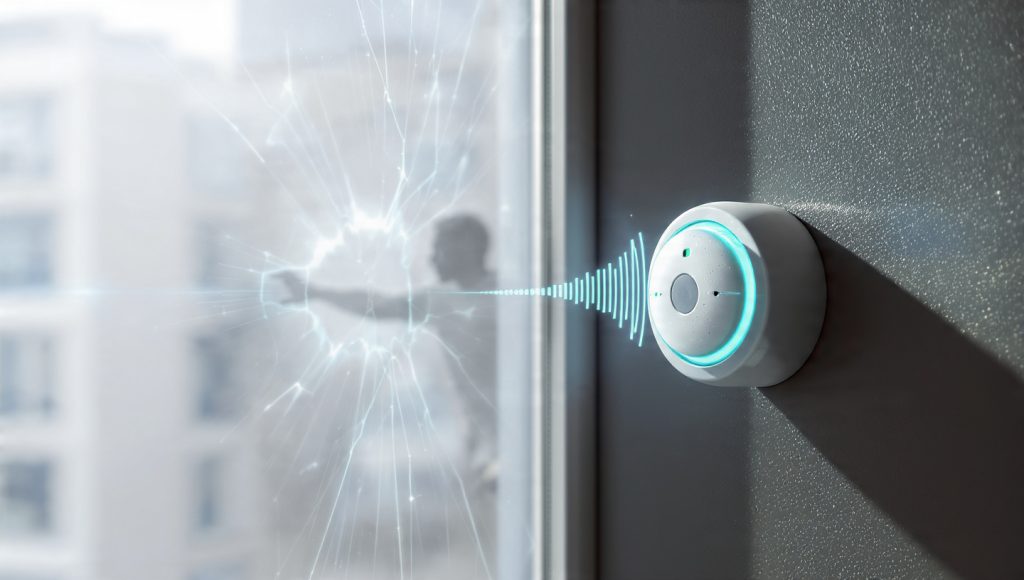
Looking ahead, the technology is only getting more impressive. Artificial intelligence and machine learning are making systems even more accurate at distinguishing between legitimate threats and false alarms.
We’re seeing the development of sensors that can detect not just movement, but behavioral patterns. Future systems might be able to recognize when someone is moving through your space in a way that suggests they’re searching for valuables versus just passing through normally.
Biometric integration is another frontier. Systems that can recognize authorized individuals and automatically adjust security levels accordingly. Imagine a system that knows when you’re home and adjusts its sensitivity accordingly, then automatically increases protection when you’re away.
Making the Investment Decision
At the end of the day, investing in a quality intrusion detection system is about more than just protecting your stuff – though that’s certainly important. It’s about creating an environment where you and your family can feel truly secure.
In an era marked by uncertainty and high-crime, Alpha Security Corp has you covered. Peace of mind is our priority. When you’re choosing a security system, you’re not just buying equipment; you’re investing in your family’s safety and your own peace of mind.
The technology exists today to dramatically reduce both break-ins and false alarms. The key is working with professionals who understand how to properly implement and configure these advanced systems for your specific needs.
Don’t wait until after something happens to wish you’d invested in better security. The best time to install a comprehensive intrusion detection system is before you need it. Because when it comes to protecting what matters most, you really can’t put a price on peace of mind.
Read More: CCTV Sydney for Retail: Reduce Shrink, Prevent Disputes