



Alarms That Matter: Designing Detection That Matches Real Venue Risks
In an increasingly unpredictable world, the significance of venue-specific alarms cannot be overstated. These systems are designed to cater to the unique needs of various environments, ensuring that security measures are not only effective but also appropriate for the specific risks associated with each venue. Whether it’s a bustling shopping mall, a quiet residential neighborhood, or a high-stakes corporate office, the right alarm system can mean the difference between safety and vulnerability. By understanding the importance of these tailored solutions, stakeholders can make informed decisions that enhance security and protect lives.
Moreover, venue-specific alarms serve as a proactive measure against potential threats. They are not merely reactive tools that respond to incidents; instead, they are integral components of a comprehensive security strategy. By assessing the unique characteristics of a venue, including its layout, foot traffic, and potential vulnerabilities, security professionals can design alarm systems that effectively deter criminal activity and provide timely alerts in case of emergencies. This proactive approach fosters a sense of safety among patrons and employees alike, ultimately contributing to a more secure environment.
In the context of enhancing security measures, the article “Back to Base Monitoring: Commercial Security Alarm Response Explained” provides valuable insights that complement the themes discussed in “Alarms That Matter: Designing Detection That Matches Real Venue Risks.” This related piece delves into the importance of effective monitoring systems and how they can be tailored to address specific security challenges faced by various venues. For more information, you can read the article here: Back to Base Monitoring: Commercial Security Alarm Response Explained.
Identifying the Unique Risks of Different Venues
Every venue presents its own set of risks and challenges that must be carefully evaluated to ensure effective security measures are in place. For instance, a retail store may face threats such as shoplifting or vandalism, while a concert venue might be more concerned with crowd control and emergency evacuations. Understanding these unique risks is crucial for developing an effective alarm system that addresses specific vulnerabilities. Security professionals must conduct thorough risk assessments to identify potential threats and prioritize them based on their likelihood and potential impact.
In addition to physical threats, venues may also face risks related to data security and privacy breaches. For example, corporate offices that handle sensitive information must implement alarm systems that not only protect physical assets but also safeguard digital data. This multifaceted approach to risk identification ensures that all potential vulnerabilities are addressed, allowing for a comprehensive security strategy that encompasses both physical and digital realms.
Designing Alarms for Maximum Effectiveness
The design of an alarm system plays a pivotal role in its overall effectiveness. A well-designed alarm system should integrate seamlessly with the venue’s architecture and operational procedures while providing maximum coverage and responsiveness. This involves selecting the right types of sensors, cameras, and monitoring systems that align with the specific needs of the venue. For instance, motion detectors may be ideal for areas with high foot traffic, while glass break sensors could be more suitable for locations with large windows.
Furthermore, the placement of alarm components is critical to their effectiveness. Security professionals must consider factors such as sightlines, potential obstructions, and areas of high vulnerability when determining where to install sensors and cameras. A thoughtfully designed alarm system not only enhances security but also minimizes false alarms, which can lead to complacency among staff and law enforcement. By prioritizing effective design principles, stakeholders can ensure that their alarm systems provide reliable protection against potential threats.
The Role of Technology in Venue-Specific Alarms
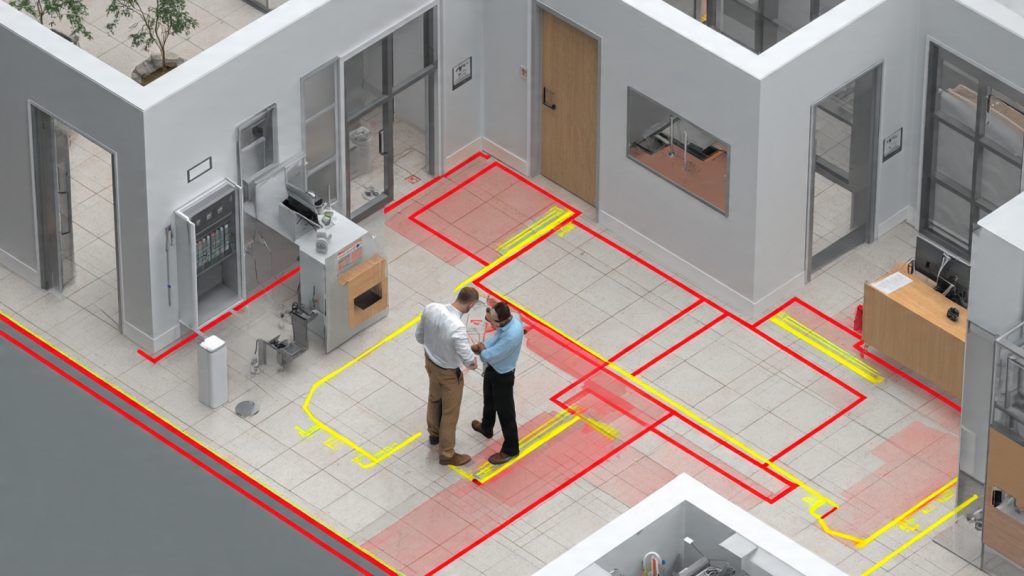
Technology has revolutionized the landscape of security systems, enabling the development of advanced venue-specific alarms that offer enhanced functionality and reliability. Modern alarm systems leverage cutting-edge technologies such as artificial intelligence, machine learning, and cloud computing to improve their performance and adaptability. For example, AI-powered surveillance cameras can analyze real-time footage to detect unusual behavior or identify potential threats, allowing for quicker response times.
Additionally, the integration of smart technology into alarm systems allows for remote monitoring and control. Venue managers can access their security systems from anywhere in the world through mobile applications or web interfaces, providing them with real-time updates and alerts. This level of connectivity not only enhances situational awareness but also empowers stakeholders to respond swiftly to incidents as they unfold. As technology continues to evolve, venue-specific alarms will become even more sophisticated, offering unparalleled levels of security.
In the context of enhancing security measures, the article “Choosing the Right Security Monitoring Service: What to Look For” offers valuable insights that complement the discussion in Alarms That Matter: Designing Detection That Matches Real Venue Risks. By understanding the various options available for security monitoring, venue managers can better align their alarm systems with the specific risks they face. This connection underscores the importance of selecting a monitoring service that not only responds effectively to alarms but also integrates seamlessly with the overall security strategy. For more information, you can read the full article here.
Tailoring Alarms to Address Potential Threats
| Metric | Description | Example Value | Relevance to Venue Risk |
|---|---|---|---|
| False Alarm Rate | Percentage of alarms triggered without actual threat | 5% | Lower rates reduce unnecessary disruptions and maintain trust |
| Detection Accuracy | Proportion of true threats correctly identified | 92% | High accuracy ensures real risks are promptly addressed |
| Response Time | Average time from alarm to action | 30 seconds | Faster response mitigates potential damage or harm |
| Alarm Sensitivity | Threshold level for triggering alarms | Medium | Balanced sensitivity reduces false alarms while detecting real threats |
| Environmental Adaptability | System’s ability to adjust to venue-specific conditions | High | Customization improves detection relevance and reduces noise |
| Integration with Venue Systems | Compatibility with existing security and communication tools | Full | Ensures seamless operation and coordinated response |
Tailoring alarms to address potential threats is essential for maximizing their effectiveness in any given venue. This involves customizing alarm settings based on the specific risks identified during the assessment phase. For instance, a high-end jewelry store may require more sensitive motion detectors and glass break sensors compared to a general retail outlet due to the higher value of its inventory. By customizing alarm parameters, security professionals can ensure that the system is fine-tuned to respond appropriately to different types of threats.
Moreover, tailoring alarms also extends to user training and operational protocols. Staff members should be educated on how to interact with the alarm system effectively, including how to respond in case of an alert or emergency situation. This training ensures that everyone involved understands their roles and responsibilities in maintaining security within the venue. By fostering a culture of vigilance and preparedness, venues can significantly enhance their overall security posture.
In the context of enhancing safety measures, the article on hotel access control systems provides valuable insights into how these technologies contribute to guest security and overall business safety. By integrating advanced access control with alarm systems, venues can better address specific risks and ensure a safer environment. For more information on this topic, you can read the article here: hotel access control systems. This synergy between alarm design and access management is crucial for effectively mitigating potential threats in various settings.
Considerations for High-Risk Venues
Don’t sacrifice safety for smarts when choosing the best security system for your smart home.
High-risk venues require special attention when it comes to alarm design and implementation. These locations may include banks, government buildings, or large public events where the potential for threats is elevated. In such cases, security professionals must adopt a multi-layered approach that combines various security measures alongside venue-specific alarms. This may involve integrating access control systems, surveillance cameras, and on-site security personnel to create a comprehensive security framework.
Additionally, high-risk venues often necessitate regular drills and simulations to prepare staff for potential emergencies. These exercises help ensure that everyone is familiar with alarm protocols and knows how to respond effectively in high-pressure situations. By prioritizing preparedness in high-risk environments, stakeholders can mitigate potential threats and enhance overall safety for patrons and employees alike.
Balancing Security and Privacy in Alarm Design
While security is paramount in designing venue-specific alarms, it is equally important to consider privacy concerns. Striking a balance between effective surveillance and respecting individuals’ rights is essential for maintaining public trust. Alarm systems should be designed with transparency in mind, ensuring that patrons are aware of surveillance measures in place while also safeguarding their personal information.
To achieve this balance, security professionals can implement measures such as signage indicating the presence of surveillance cameras or establishing clear policies regarding data retention and access. Additionally, utilizing technology that anonymizes data collected by surveillance systems can further enhance privacy while still providing valuable insights for security purposes. By prioritizing both security and privacy in alarm design, venues can foster a safe environment without compromising individual rights.
Training and Education for Effective Alarm Response
Training and education play a crucial role in ensuring effective alarm response within any venue. Staff members must be well-versed in the operation of alarm systems and understand how to respond appropriately in case of an alert. Regular training sessions should be conducted to familiarize employees with alarm protocols, emergency procedures, and communication strategies during incidents.
Moreover, ongoing education is essential for keeping staff updated on new technologies and evolving threats. As security measures continue to advance, it is vital for employees to stay informed about best practices and emerging trends in alarm response. By investing in training and education programs, venues can empower their staff to act decisively during emergencies, ultimately enhancing overall safety.
The Impact of Venue-Specific Alarms on Public Safety
The implementation of venue-specific alarms has a profound impact on public safety across various environments. By deterring criminal activity and providing timely alerts during emergencies, these systems contribute significantly to creating safer spaces for individuals to gather and engage in activities. The presence of visible security measures often acts as a deterrent for potential wrongdoers, reducing the likelihood of incidents occurring in the first place.
Furthermore, effective alarm systems can facilitate quicker response times from law enforcement or emergency services during critical situations. When alarms are designed with clear communication protocols and integrated monitoring systems, first responders can receive real-time information about incidents as they unfold. This level of coordination enhances public safety by ensuring that help arrives promptly when needed most.
Case Studies: Successful Implementation of Venue-Specific Alarms
Examining case studies of successful implementation can provide valuable insights into the effectiveness of venue-specific alarms across different environments. For instance, a major sports stadium may have integrated advanced surveillance technology with crowd management systems to enhance safety during large events. By tailoring their alarm systems to address specific risks associated with large gatherings—such as crowd surges or unauthorized access—venue managers can create a safer experience for attendees.
Another example could involve a corporate office building that implemented a comprehensive access control system alongside its alarm infrastructure. By restricting entry points and monitoring employee movements through keycard access systems integrated with alarms, the organization was able to significantly reduce unauthorized access incidents while ensuring employee safety during emergencies.
The Future of Venue-Specific Alarms: Innovations and Trends
As technology continues to evolve at an unprecedented pace, the future of venue-specific alarms promises exciting innovations and trends that will further enhance security measures across various environments. One notable trend is the increasing integration of artificial intelligence into alarm systems, allowing for more sophisticated threat detection capabilities. AI algorithms can analyze patterns in real-time data to identify anomalies or suspicious behavior that may indicate potential threats.
Additionally, advancements in IoT (Internet of Things) technology are paving the way for smarter alarm systems that can communicate seamlessly with other devices within a venue’s ecosystem. This interconnectedness allows for greater automation and efficiency in responding to incidents while providing valuable insights into overall security performance.
In conclusion, venue-specific alarms play an essential role in enhancing safety across diverse environments by addressing unique risks through tailored solutions. As technology continues to advance and public safety concerns evolve, stakeholders must remain vigilant in adapting their security measures accordingly—ensuring that venues remain secure havens for all who enter them.