


An Integrated Approach to Security: Unifying CCTV and Access Control
In today’s rapidly evolving world, the need for robust security measures has never been more critical. Integrated security systems represent a holistic approach to safeguarding assets, people, and information. These systems combine various security components—such as surveillance cameras, access control mechanisms, and alarm systems—into a cohesive framework that enhances overall security effectiveness.
By integrating these elements, organizations can streamline their security operations, reduce vulnerabilities, and respond more effectively to potential threats. The importance of integrated security systems extends beyond mere protection; they also foster a sense of safety and confidence among employees, customers, and stakeholders. When individuals feel secure in their environment, productivity often increases, and businesses can thrive.
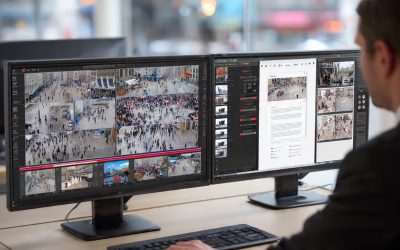
Moreover, integrated systems allow for real-time monitoring and data analysis, enabling organizations to make informed decisions regarding their security strategies. As threats become more sophisticated, the need for a comprehensive security solution that adapts to changing circumstances is paramount.
Key Takeaways
- Integrated security systems combine CCTV and access control to provide comprehensive protection.
- Unifying these systems enhances real-time monitoring and incident response capabilities.
- Access control manages entry permissions while CCTV offers visual verification, improving security accuracy.
- Effective integration boosts operational efficiency by streamlining security management processes.
- Emerging technologies and best practices are driving the future evolution of integrated security solutions.
The Benefits of Unifying CCTV and Access Control
The unification of CCTV and access control systems offers numerous advantages that significantly enhance security measures. One of the primary benefits is the ability to monitor and control access points in real-time. By integrating these two systems, organizations can ensure that only authorized personnel gain entry to sensitive areas while simultaneously recording video footage of all activities.
This synergy not only deters unauthorized access but also provides valuable evidence in case of security breaches. Additionally, unified systems facilitate improved incident response. When an access control event occurs—such as a door being forced open—CCTV cameras can automatically focus on that area, providing live footage to security personnel.
This immediate access to visual information allows for quicker decision-making and more effective responses to potential threats. Furthermore, the integration of these systems can lead to cost savings by reducing the need for separate monitoring stations and personnel dedicated to each system. Learn more about how Alpha Security Corp simplifies security solutions for their clients.
How Integrated Security Systems Enhance Overall Security Measures
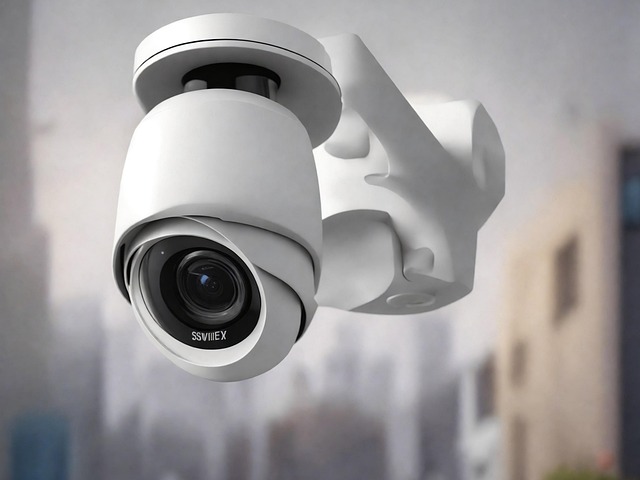
Integrated security systems enhance overall security measures by creating a comprehensive framework that addresses various vulnerabilities. By combining multiple security technologies, organizations can develop a layered defense strategy that is more resilient against potential threats. For instance, if one component fails or is compromised, other layers can still provide protection, ensuring that security is not solely reliant on a single system.
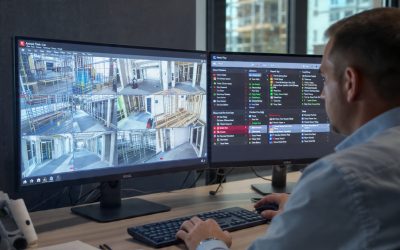
Moreover, integrated systems enable centralized management of security operations. Security personnel can monitor all aspects of the security infrastructure from a single interface, allowing for more efficient oversight and quicker response times. This centralization also simplifies the process of updating and maintaining security protocols, as changes can be implemented across all integrated components simultaneously.
As a result, organizations can adapt their security measures to evolving threats without significant disruptions.
The Role of CCTV in Integrated Security Systems
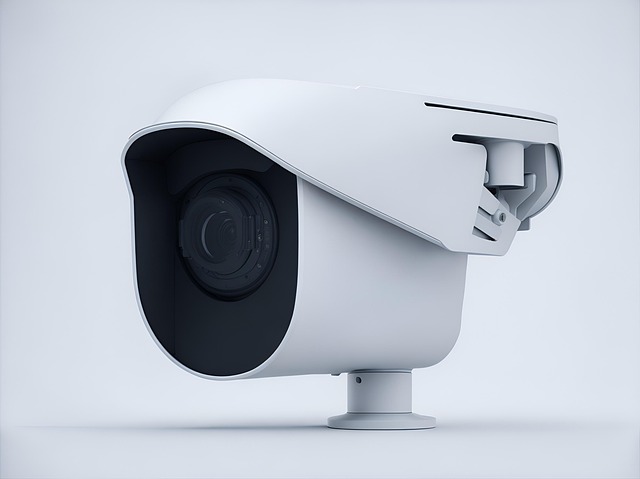
CCTV plays a pivotal role in integrated security systems by providing visual surveillance that complements other security measures. The presence of cameras acts as a deterrent to potential intruders while also capturing critical evidence in the event of an incident. Modern CCTV systems are equipped with advanced features such as high-definition video quality, night vision capabilities, and motion detection, which enhance their effectiveness in monitoring premises.
In an integrated system, CCTV cameras can be programmed to work in conjunction with access control mechanisms. For example, when an individual swipes their access card at a secure entry point, the corresponding camera can automatically begin recording. This synchronization ensures that there is a visual record of who accessed specific areas and when, which is invaluable for investigations and audits.
Additionally, the integration of CCTV with other technologies—such as alarm systems—can trigger alerts when suspicious activity is detected, further bolstering security measures.
The Role of Access Control in Integrated Security Systems
Access control is another critical component of integrated security systems, serving as the first line of defense against unauthorized entry. By regulating who can enter specific areas within a facility, access control systems help protect sensitive information and assets from potential threats. These systems can range from simple keycard access to sophisticated biometric scanners that verify an individual’s identity based on unique physical characteristics.
In an integrated environment, access control systems work seamlessly with CCTV and other security technologies to create a comprehensive security solution. For instance, when an access control event occurs—such as an unauthorized entry attempt—the system can trigger alarms and alert security personnel while simultaneously capturing video footage of the incident. This level of integration not only enhances security but also provides valuable insights into patterns of behavior that may indicate potential risks.
Key Considerations When Integrating CCTV and Access Control Systems
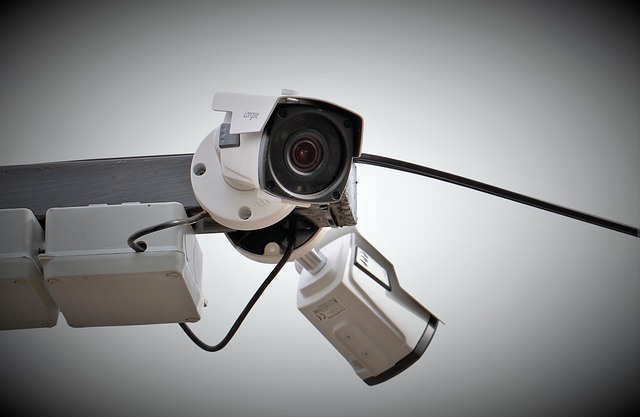
When integrating CCTV and access control systems, several key considerations must be taken into account to ensure a successful implementation. First and foremost is the compatibility of the technologies involved. Organizations should assess whether their existing systems can be integrated with new components or if a complete overhaul is necessary.
Choosing compatible technologies will minimize disruptions during the integration process and ensure seamless communication between systems. Another important consideration is the scalability of the integrated system. As organizations grow and evolve, their security needs may change.
Therefore, it is essential to select solutions that can be easily expanded or upgraded without requiring significant investments in new infrastructure. Additionally, organizations should prioritize user training to ensure that personnel are well-versed in operating the integrated system effectively. Proper training will maximize the benefits of integration and enhance overall security operations.
The Impact of Integrated Security Systems on Operational Efficiency
Integrated security systems have a profound impact on operational efficiency within organizations. By consolidating various security functions into a single platform, businesses can streamline their operations and reduce redundancies. This consolidation allows security personnel to focus on monitoring and responding to incidents rather than managing multiple disparate systems.
Furthermore, integrated systems facilitate data sharing and analysis across different departments within an organization. For example, insights gained from CCTV footage can inform access control policies or help identify areas where additional security measures may be needed. This collaborative approach fosters a culture of proactive security management that ultimately enhances overall operational efficiency.
Addressing Potential Challenges in Integrating CCTV and Access Control
While integrating CCTV and access control systems offers numerous benefits, it is not without its challenges. One common issue is the potential for technical difficulties during the integration process. Organizations may encounter compatibility issues between different technologies or face challenges in configuring systems to work together seamlessly.
To mitigate these risks, it is advisable to work with experienced professionals who specialize in integrated security solutions. Another challenge lies in addressing privacy concerns associated with surveillance technologies. Organizations must navigate the delicate balance between ensuring safety and respecting individuals’ rights to privacy.
Implementing clear policies regarding data collection, storage, and usage is essential to maintain transparency and build trust among employees and customers alike.
Best Practices for Implementing Integrated Security Systems
To maximize the effectiveness of integrated security systems, organizations should adhere to best practices during implementation. First and foremost, conducting a thorough risk assessment is crucial to identify vulnerabilities and determine which components are necessary for an effective integrated solution. This assessment should involve input from various stakeholders within the organization to ensure that all perspectives are considered.
Additionally, organizations should prioritize ongoing maintenance and support for their integrated systems. Regular updates and system checks will help identify potential issues before they escalate into significant problems. Furthermore, fostering a culture of security awareness among employees through training programs will empower them to recognize potential threats and respond appropriately.
The Future of Integrated Security Systems: Emerging Technologies and Trends
As technology continues to advance at a rapid pace, the future of integrated security systems looks promising. Emerging technologies such as artificial intelligence (AI) and machine learning are poised to revolutionize how organizations approach security management. These technologies can analyze vast amounts of data from various sources—such as CCTV footage and access logs—to identify patterns and predict potential threats before they occur.
Additionally, the rise of cloud-based solutions offers organizations greater flexibility in managing their integrated security systems. Cloud technology enables remote monitoring and management from anywhere in the world while providing scalable storage options for video footage and data analysis. As these trends continue to evolve, organizations must remain adaptable and open to incorporating new technologies into their integrated security strategies.
Case Studies: Successful Implementations of Integrated CCTV and Access Control Systems
Numerous organizations have successfully implemented integrated CCTV and access control systems to enhance their security measures significantly. For instance, a large financial institution faced challenges related to unauthorized access attempts at its facilities. By integrating advanced access control mechanisms with high-definition CCTV cameras, the institution was able to monitor entry points effectively while deterring potential intruders through visible surveillance.
Another case study involves a retail chain that sought to reduce theft and improve customer safety within its stores. By implementing an integrated system that combined real-time video monitoring with access control at stockrooms, the chain was able to identify suspicious behavior quickly while ensuring that only authorized personnel accessed sensitive areas. The result was a marked decrease in theft incidents and an overall improvement in customer satisfaction.
In conclusion, integrated security systems represent a vital component of modern organizational safety strategies. By unifying CCTV and access control technologies, businesses can enhance their overall security measures while improving operational efficiency. As technology continues to evolve, organizations must remain proactive in adopting new solutions that address emerging threats while fostering a culture of safety among employees and stakeholders alike.
In exploring the topic of integrated security solutions, the article on Access Control Systems provides valuable insights into how these systems can work in tandem with CCTV to enhance overall security. By unifying these technologies, businesses can create a more robust security framework that not only monitors access points but also records and analyzes footage for improved safety and response times.