



Back-to-Base Monitoring
Back-to-Base monitoring, often referred to as alarm monitoring, represents a cornerstone of modern security infrastructure, particularly within metropolitan areas like Sydney. It functions as a constant, vigilant overseer, ensuring that security breaches or emergencies are detected and responded to promptly. This article delves into the intricacies of back-to-base monitoring, exploring its operational mechanisms, its integral role in contemporary security strategies, and the compelling necessity for its adoption in both residential and commercial contexts.
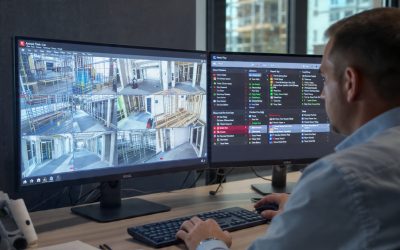
At its core, Back-to-Base Monitoring Sydney is a communication pathway between a security system installed on a property and a central monitoring station. When an alarm event occurs – be it an intruder detection, a smoke alarm activation, or a panic button press – a signal is instantaneously transmitted to this monitoring station. This station, staffed by trained security professionals, then initiates a predefined response protocol. Enhance your home safety with Alpha Security Corp’s tailored residential security systems designed to keep you protected around the clock.
How the System Operates
The operational cycle of a back-to-base monitoring system begins with the activation of a sensor. These sensors can take various forms, including passive infrared (PIR) motion detectors, door and window contact switches, glass-break detectors, or even more sophisticated analytical CCTV systems. Upon detection of an anomaly, the security control panel, which serves as the brain of the system, processes this information.
Subsequently, the control panel transmits a digital signal to the monitoring station. This transmission can occur through several mediums:
- PSTN (Public Switched Telephone Network): Traditional landline connections have historically been a common method. While reliable, they are susceptible to line cuts, which can compromise security.
- GSM/GPRS (Global System for Mobile Communications/General Packet Radio Service): Utilizing cellular networks, these methods offer a more resilient transmission pathway, as they are not dependent on physical lines. They can also provide a secondary communication channel if the primary (PSTN) fails.
- IP (Internet Protocol): Increasingly prevalent, IP-based monitoring leverages an internet connection. This offers high speed and can be cost-effective, though it requires a stable internet service.
- Dual-Path Communication: For enhanced reliability, many systems employ dual-path monitoring, utilizing two distinct communication methods simultaneously. This redundancy ensures that if one path is compromised, the other can still transmit signals.
Upon receiving the signal, the monitoring station’s software logs the event, identifying the specific alarm type, the location, and the client account. Trained operators then verify the alarm (where possible, such as through video verification) and initiate the predetermined response.

Components of a Monitored Security System
A comprehensive back-to-base monitoring system is an intricate network of interconnected components, each playing a crucial role in maintaining security.
- Control Panel: The central hub that receives inputs from sensors, processes data, and transmits alerts to the monitoring station. It also manages the system’s arming and disarming.
- Sensors: Devices designed to detect specific events, such as motion, forced entry, or environmental changes (e.g., smoke, carbon monoxide).
- Keypads/Control Interfaces: Allow users to arm/disarm the system, check its status, and interact with various functions.
- Sirens/Strobes: Audible and visual deterrents designed to attract attention and disorient intruders.
- Communication Devices: Modems, cellular communicators, or IP modules that facilitate the transmission of alarm signals to the monitoring station.
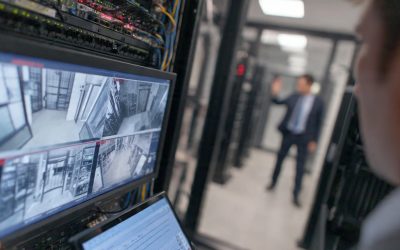
- Monitoring Station: A manned facility equipped with specialized software and trained personnel to receive, interpret, and respond to alarm signals 24/7.
For those interested in understanding the intricacies of Back-to-Base Monitoring in Sydney, it’s also essential to consider the broader context of business security. A related article titled “Is Your Business Vulnerable? Common Mistakes in Business Security Systems” provides valuable insights into frequent pitfalls that businesses encounter when implementing security measures. This resource can help you identify vulnerabilities and enhance your overall security strategy. You can read the article here: Is Your Business Vulnerable? Common Mistakes in Business Security Systems.
Residential Security: Keeping Trouble at Bay
For homeowners in Sydney, back-to-base monitoring is not merely an optional extra; it is a fundamental pillar of residential security. The peace of mind it offers extends beyond the physical property, encompassing the well-being of its occupants.
We can help you keep trouble at bay. As licensed security solutions providers, we offer installation, programming, commissioning and maintenance of your home security system. From alarm systems through to CCTV and monitoring, we’re here to help you stay secure.
Deterring Intruders and Mitigating Risks
The visible presence of an alarm system, particularly one known to be back-to-base monitored, acts as a significant deterrent to opportunistic criminals. Knowing that a silent alarm will instantly alert professionals, rather than just triggering a local siren, makes a property a less attractive target. If an intrusion does occur, the rapid response facilitated by monitoring can significantly reduce property loss and damage.
Consider the metaphor of a fence. A fence provides a physical barrier, but without a gatekeeper, its effectiveness is limited. Back-to-base monitoring is that ever-vigilant gatekeeper, ensuring that any attempt to breach the fence is immediately met with a decisive countermeasure.
Beyond Burglary: Comprehensive Home Protection
While often associated with intrusion detection, residential back-to-base monitoring extends its protective umbrella to a range of other emergencies.
- Smoke and Fire Detection: Integrated smoke and heat detectors can transmit fire alarms to the monitoring station. This is critical, as it ensures emergency services are dispatched even if occupants are asleep or away from home, potentially saving lives and property.
- Environmental Monitoring: Systems can be configured to detect carbon monoxide leaks, water leaks (e.g., burst pipes in a distant part of the house), or extreme temperature fluctuations, allowing for early intervention to prevent significant damage.
- Medical and Panic Alarms: For those with elderly residents, individuals with medical conditions, or those living alone, personal panic buttons or medical alert pendants can directly signal the monitoring station for immediate assistance in an emergency.
Commercial Security: Protecting Assets and Operations

The stakes in commercial security are often considerably higher, encompassing not just physical assets but also intellectual property, sensitive data, and business continuity. In Sydney’s bustling commercial landscape, back-to-base monitoring is an indispensable component of a layered security strategy.
Across the nation, security threats are increasing, and businesses are being targeted more often. As a leading commercial security business in Sydney, our team focuses on creating tailored, end-to-end security solutions designed to meet customer needs.
Mitigating Business Risks and Financial Losses
For businesses, the cost of a security breach can be substantial, extending beyond stolen goods to include business downtime, loss of reputation, legal liabilities, and compromised data. Back-to-base monitoring acts as a critical line of defense, minimizing these risks.
- Rapid Incident Response: A monitored alarm ensures that security professionals are aware of an incident within seconds, allowing them to contact key holders, dispatch security patrols, or alert emergency services. This rapid response can prevent a minor incident from escalating into a major disaster.
- Insurance Benefits: Many insurance providers offer reduced premiums for businesses that implement back-to-base monitored security systems, recognizing the reduced risk profile.
- Compliance and Regulation: Certain industries and businesses may have regulatory requirements for specific levels of security, for which back-to-base monitoring is often a prerequisite.
Tailored Solutions for Diverse Commercial Needs
Commercial entities vary widely in their security requirements, from small retail outlets to large industrial complexes and corporate offices. A “one-size-fits-all” approach is rarely effective.
- Integrated Solutions: Modern commercial security systems often integrate intrusion detection with access control, CCTV, and even building management systems. Back-to-base monitoring acts as the overarching intelligence, correlating events from these disparate systems to provide a holistic security picture.
- Video Verification: For commercial premises, video verification is particularly valuable. When an alarm triggers, operators can instantly access live or recorded video feeds to visually confirm the nature of the event, reducing false alarms and ensuring a more appropriate response.
- Opening/Closing Reports: For businesses with multiple employees or varying operating hours, back-to-base monitoring can provide detailed reports on when the system is armed and disarmed, helping to track activity and identify unusual patterns.
Electrical Services: Powering Your Security

The effectiveness of any security system, particularly one relying on continuous monitoring, is intrinsically linked to the reliability of its electrical infrastructure. Without a robust and well-maintained power supply, even the most sophisticated security technology can be rendered inert.
Whether you’re in the market to upgrade your family home, improve your commercial office building, build your dream home or have an emergency electrical concern and need immediate assistance, Alpha Security Corp has the right Master Electrician for you.
Integrating Security with Electrical Infrastructure
Security system installation is not a standalone task; it requires careful integration with a property’s electrical system. This ensures not only functional operation but also adherence to safety standards.
- Dedicated Circuits: For critical security components, dedicated electrical circuits can prevent power fluctuations or outages from affecting their operation. Backup battery systems are also essential for maintaining functionality during power cuts.
- Wiring and Cabling: The proper installation of wiring and cabling for sensors, cameras, and control panels is paramount. Poorly installed wiring can lead to system failures, false alarms, or even create fire hazards.
- Surge Protection: Protecting security equipment from power surges, which can result from lightning strikes or grid fluctuations, is crucial for longevity and reliability.
Emergency Electrical Support for Uninterrupted Security
Even with the best planning, electrical issues can arise. For properties relying on continuous back-to-base monitoring, an electrical fault can directly compromise security.
- Rapid Response: Access to qualified electricians for emergency repairs ensures that any power-related issues affecting the security system are addressed promptly, minimizing downtime and vulnerability.
- Preventative Maintenance: Regular electrical maintenance can identify and rectify potential problems before they lead to system failures, ensuring the continuous operational integrity of the security infrastructure.
- Upgrades and Modernization: As properties age or business needs evolve, electrical systems may require upgrades to support new security technologies or increased power demands. Master electricians can provide expert assessment and implementation.
If you’re interested in understanding more about the evolving landscape of security solutions, you might find the article on top security solutions in 2025 particularly insightful. It discusses innovative technologies and strategies that are shaping the future of security, complementing the insights provided in “Back-to-Base Monitoring Sydney: What It Is, How It Works, and When You Need It Most.” For a deeper dive into these advancements, you can read the article here.

The Necessity of Back-to-Base Monitoring in Modern Sydney
In the contemporary urban landscape of Sydney, where population density, property values, and diverse economic activities converge, the necessity of back-to-base monitoring transcends mere convenience. It is a strategic imperative for safety, asset protection, and peace of mind.
Beyond DIY: The Value of Professional Monitoring
While various DIY smart home security solutions offer local alerts, they lack the crucial element of professional, 24/7 human intervention that back-to-base monitoring provides. A local siren might deter an untrained intruder, but it cannot dispatch emergency services, verify an alarm, or provide a coordinated response when you are away or unable to act.
Think of it as the difference between a smoke detector that simply beeps and one that automatically calls the fire department. One informs you; the other takes action on your behalf, especially when you are incapacitated or absent.
Adapting to Evolving Threat Landscapes
Security threats are not static; they evolve with technology and criminal ingenuity. Back-to-base monitoring services, particularly those provided by reputable security companies, continuously adapt their protocols and technologies to counter emerging threats. This includes adopting advanced analytics, video verification techniques, and integrated security platforms that offer a more robust defense against increasingly sophisticated risks.
Cost-Benefit Analysis and ROI
When evaluating the investment in back-to-base monitoring, it is essential to conduct a comprehensive cost-benefit analysis. While there are recurring monitoring fees, these are often outweighed by:
- Reduced financial losses from theft, vandalism, and property damage.
- Protection of life and limb through rapid response to medical and fire emergencies.
- Lower insurance premiums.
- Enhanced business continuity and reduced downtime.
- Invaluable peace of mind for residents and business owners.
In essence, back-to-base monitoring acts as a critical safety net, providing a proactive and responsive layer of security that local alarms alone cannot offer. For anyone in Sydney considering their security posture, understanding and implementing back-to-base monitoring is not merely an option, but a prudent and necessary decision in an increasingly complex world.