


System Health Checks
In today’s fast-paced world, the significance of regular system health checks cannot be overstated. As technology continues to evolve, so do the threats that target our homes and businesses. In Sydney, where thousands of homes and businesses fall victim to robberies and burglaries daily, ensuring that your security systems are functioning optimally is paramount.
A well-maintained security system not only protects your property but also provides peace of mind, allowing you to focus on what truly matters in your life or business. Regular health checks serve as a proactive measure to identify vulnerabilities before they can be exploited by potential intruders. Moreover, regular system health checks are essential for maintaining the integrity of your security infrastructure.
Just as you would routinely check your car’s engine or your home’s plumbing, your security system requires the same level of attention. These checks help ensure that all components are working harmoniously, reducing the risk of system failures during critical moments. By investing time and resources into regular assessments, you can enhance the longevity of your security systems and ensure that they remain effective in deterring crime. Maintenance of your infrastructure is vital, as a failure to operate it could potentially leave your system inoperable or vulnerable to attack.
Key Takeaways
- Regular system health checks are important for maintaining the performance and reliability of a system
- Key components of a system health check include hardware, software, network, security, and performance monitoring
- Common issues detected during system health checks include hardware failures, software bugs, security vulnerabilities, and network congestion
- Best practices for conducting system health checks include scheduling regular checks, documenting findings, and implementing recommended fixes
- Tools and resources for system health checks include monitoring software, diagnostic tools, and online resources for troubleshooting and best practices
Key Components of a System Health Check
A comprehensive system health check involves several key components that work together to ensure the overall functionality of your security system. First and foremost, it is crucial to evaluate the physical condition of all hardware components, including cameras, sensors, alarms, and control panels. Inspecting these elements for wear and tear, damage, or obstructions can help identify potential issues that may compromise the system’s effectiveness.
For instance, a camera lens covered in dirt or debris may not capture clear footage, rendering it useless in the event of a break-in. In addition to hardware inspections, software assessments are equally important. This includes checking for updates to firmware and software applications that control your security system.
Outdated software can leave your system vulnerable to cyber threats, making it essential to keep everything up to date. Furthermore, reviewing user access levels and permissions ensures that only authorized individuals have control over the system, minimizing the risk of internal breaches. By addressing both hardware and software components during a health check, you can create a robust security framework that stands up to various threats.
Common Issues Detected During System Health Checks
During routine system health checks, several common issues may be detected that could compromise the effectiveness of your security system. One prevalent problem is connectivity issues, which can arise from faulty wiring or interference from other electronic devices. If your security cameras or alarms are not communicating effectively with the central control unit, it could lead to blind spots in surveillance or delayed alerts during emergencies.
Identifying and rectifying these connectivity problems is crucial for maintaining a reliable security network. Another frequent issue is battery failure in wireless devices. Many modern security systems rely on battery-powered sensors and cameras for flexibility and ease of installation.
However, if these batteries are not regularly checked and replaced when necessary, it can lead to unexpected failures during critical moments. Additionally, false alarms caused by malfunctioning sensors can create unnecessary panic and desensitize occupants to genuine threats. By addressing these common issues during health checks, you can ensure that your security system operates smoothly and effectively.
Best Practices for Conducting System Health Checks
To maximize the effectiveness of system health checks, it is essential to follow best practices that streamline the process and ensure thorough evaluations. First and foremost, creating a checklist tailored to your specific security system can help ensure that no component is overlooked during inspections. This checklist should include items such as camera angles, sensor placements, battery levels, and software updates.
By systematically going through each item on the list, you can maintain consistency in your evaluations. Additionally, scheduling regular health checks at predetermined intervals is vital for maintaining an effective security system. Depending on the complexity of your setup and the level of risk associated with your property, these checks may need to occur monthly, quarterly, or biannually.
Keeping a record of past health checks can also provide valuable insights into recurring issues or trends that may require further attention. By adhering to these best practices, you can create a proactive approach to security maintenance that minimizes risks and enhances overall safety.
Tools and Resources for System Health Checks
When conducting system health checks, utilizing the right tools and resources can significantly enhance the efficiency and accuracy of the process. For hardware inspections, basic tools such as screwdrivers, multimeters, and cleaning supplies are essential for assessing physical components. Additionally, specialized tools like thermal cameras can help identify overheating devices or electrical issues that may not be visible to the naked eye.
On the software side, various diagnostic tools are available to assess the performance of your security system’s software components. These tools can help identify outdated firmware versions, detect vulnerabilities, and provide recommendations for updates or patches. Furthermore, online resources such as manufacturer manuals and troubleshooting guides can offer valuable insights into common issues and their resolutions.
By leveraging these tools and resources during health checks, you can ensure a thorough evaluation of your security systems.
Benefits of Outsourcing System Health Checks to Professionals
While conducting regular system health checks is essential for maintaining security systems, outsourcing this task to professionals can offer numerous benefits. First and foremost, professional technicians possess specialized knowledge and experience that allows them to identify potential issues more effectively than an untrained individual might. Their expertise enables them to conduct thorough evaluations while adhering to industry best practices.
Additionally, outsourcing health checks frees up valuable time for homeowners and business owners who may already be stretched thin with other responsibilities. By entrusting this task to professionals, you can focus on running your business or enjoying your home without worrying about the intricacies of security maintenance. Furthermore, many professional services offer ongoing support and monitoring options that provide an added layer of protection against potential threats.
Security System Check Sydney: Tips for Ensuring a Secure System
For residents and business owners in Sydney looking to enhance their security systems, there are several tips to consider when conducting system checks. First and foremost, ensure that all entry points are adequately secured with high-quality locks and reinforced doors or windows. This physical barrier serves as the first line of defense against intruders.
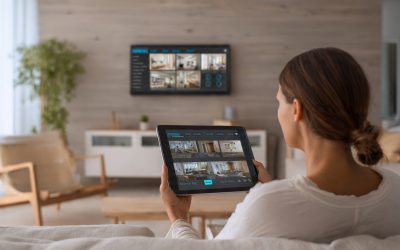
Additionally, consider integrating smart technology into your security system for added convenience and control. Smart cameras and alarms allow you to monitor your property remotely through mobile applications, providing real-time alerts in case of suspicious activity. Regularly updating passwords for your security system is also crucial in preventing unauthorized access.
Lastly, engage with local law enforcement or community watch programs to stay informed about crime trends in your area. This information can help you tailor your security measures based on specific threats facing your neighborhood. By implementing these tips during system checks, you can create a more secure environment for yourself and your loved ones.
Future Trends in System Health Checks
As technology continues to advance at an unprecedented pace, the future of system health checks is likely to evolve significantly. One emerging trend is the integration of artificial intelligence (AI) into security systems. AI-powered analytics can enhance monitoring capabilities by identifying unusual patterns or behaviors that may indicate potential threats.
This technology allows for more proactive responses to security breaches before they escalate into serious incidents. Moreover, cloud-based solutions are becoming increasingly popular for managing security systems remotely. These platforms enable users to access their systems from anywhere in the world while providing real-time updates on performance metrics and alerts.
As more individuals embrace smart home technology, the demand for seamless integration between various devices will drive innovation in system health checks. In conclusion, regular system health checks are vital for maintaining effective security systems in both residential and commercial settings. By understanding their importance, key components, common issues detected during evaluations, best practices for conducting checks, available tools and resources, benefits of outsourcing to professionals, tips for ensuring secure systems in Sydney, and future trends in this field, individuals can take proactive steps toward safeguarding their homes and businesses against potential threats.
Protecting what matters most should always be a priority; after all, peace of mind is invaluable in an era marked by uncertainty and high crime rates.

When considering the best practices for system health checks, it’s essential to also understand the broader context of security systems, particularly in commercial settings. A related article that delves into this topic is “Top Features of Commercial Alarm Systems for Total Business Protection.” This article provides insights into the critical components that ensure the safety and security of business environments, which is a crucial aspect of maintaining overall system health. For more information, you can read the full article by clicking on this link: Top Features of Commercial Alarm Systems for Total Business Protection.