


Biometric Access Control Sydney: Pros, Cons and Uses
Biometric access control systems have emerged as a revolutionary approach to security management, leveraging unique biological traits to authenticate individuals. Unlike traditional methods such as passwords or keycards, which can be lost, stolen, or forgotten, biometric systems utilize physical characteristics like fingerprints, facial recognition, iris patterns, and voice recognition to grant access. This technology has gained significant traction in various sectors, including corporate environments, educational institutions, and government facilities, particularly in urban centers like Sydney. As the demand for enhanced security measures continues to rise, biometric access control presents a compelling solution that combines convenience with advanced security features.
In Sydney, the adoption of biometric access control is not merely a trend but a response to the growing need for robust security solutions. With an increasing population and a corresponding rise in urban crime rates, businesses and organizations are seeking innovative ways to protect their assets and ensure the safety of their personnel. Biometric systems offer a level of security that is difficult to breach, making them an attractive option for those looking to safeguard sensitive information and physical spaces. As technology continues to evolve, the integration of biometric access control into everyday security practices is likely to become more prevalent.
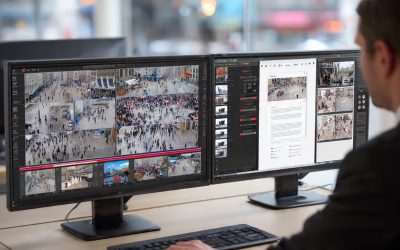
Biometric access control systems have gained significant attention in Sydney for their ability to enhance security while offering convenience. However, understanding the broader context of security solutions is essential. For instance, the article on enhancing security with CCTV systems provides valuable insights into how combining biometric access control with surveillance technology can create a more robust security framework. To learn more about the integration of these systems, you can read the article here: Enhancing Security with CCTV Systems.
Pros of Biometric Access Control in Sydney

One of the most significant advantages of biometric access control is its unparalleled accuracy in identifying individuals. Unlike traditional methods that rely on something a person knows or possesses, biometrics are inherently unique to each individual. This means that the likelihood of unauthorized access is drastically reduced. In a bustling city like Sydney, where businesses face constant threats from intruders, the implementation of biometric systems can provide peace of mind. Organizations can rest assured that only authorized personnel can enter restricted areas, thereby enhancing overall security.
Moreover, biometric access control systems offer a high level of convenience for users. Employees no longer need to carry multiple access cards or remember complex passwords; their biological traits serve as their credentials. This ease of use can lead to increased productivity, as employees spend less time fumbling for keys or trying to recall passwords. In a fast-paced environment like Sydney’s corporate sector, where time is often of the essence, the efficiency provided by biometric systems can be a game-changer. Additionally, many biometric systems can be integrated with existing security infrastructure, allowing for a seamless transition and minimizing disruption during implementation.
Cons of Biometric Access Control in Sydney
Despite the numerous benefits associated with biometric access control, there are also notable drawbacks that organizations must consider before implementation. One primary concern is the potential for technical failures. Biometric systems rely on sophisticated technology that can sometimes malfunction or produce false negatives or positives. For instance, if a fingerprint scanner fails to recognize an authorized user due to dirt or damage on the sensor, it could lead to frustration and delays in accessing secure areas. In a city like Sydney, where efficiency is paramount, such issues could disrupt operations and hinder productivity.
Another significant concern is the potential for privacy violations. The collection and storage of biometric data raise ethical questions regarding consent and data protection. In Sydney, where privacy laws are stringent, organizations must ensure they comply with regulations when implementing biometric systems. The risk of data breaches also looms large; if an unauthorized party gains access to an organization’s biometric database, they could potentially misuse this sensitive information. This concern is particularly relevant in an age where cyber threats are increasingly sophisticated and prevalent.
Uses of Biometric Access Control in Sydney
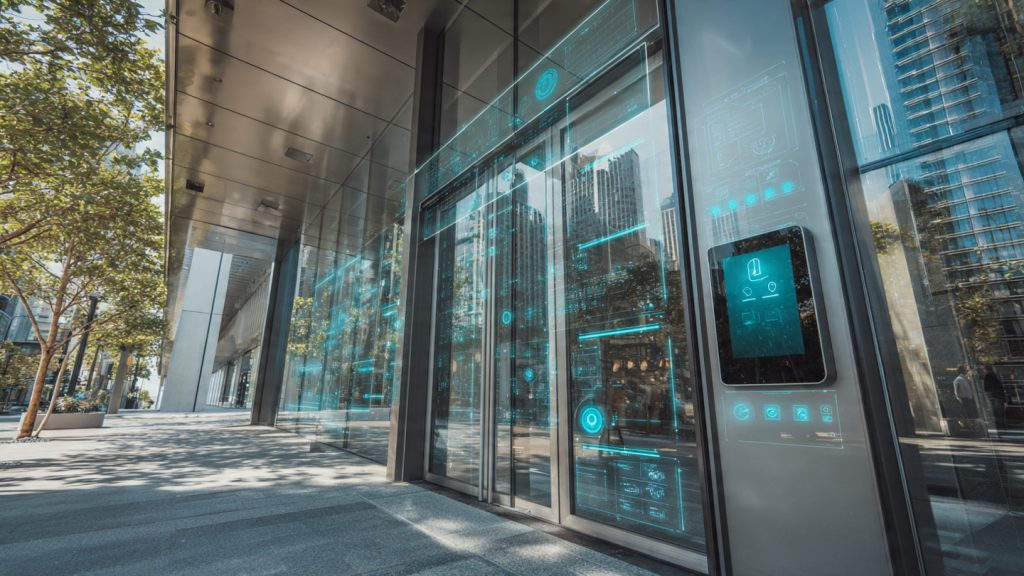
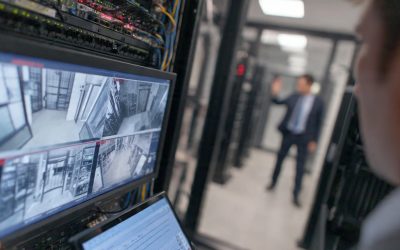
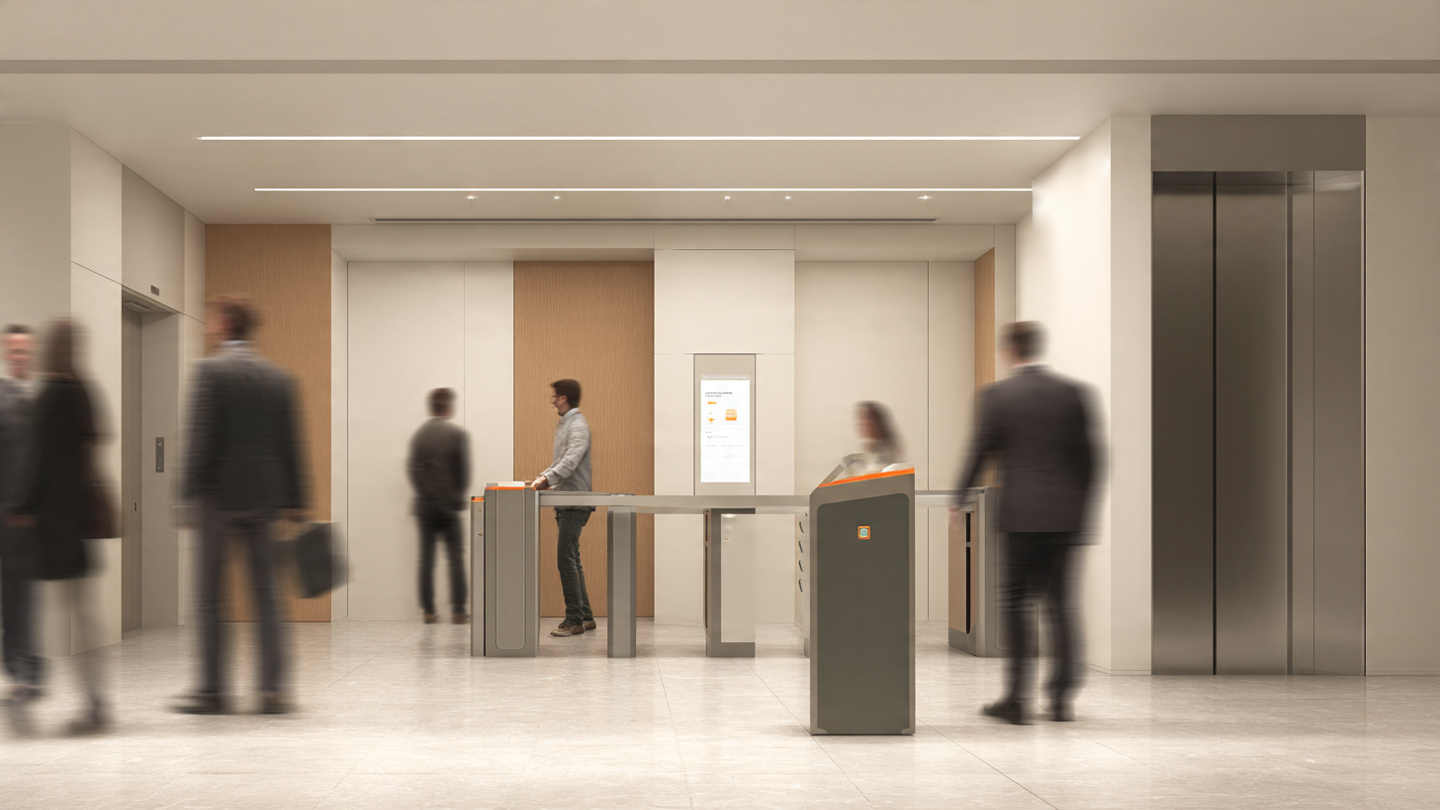
Biometric access control systems have found applications across various sectors in Sydney, each tailored to meet specific security needs. In corporate environments, companies are increasingly adopting these systems to secure sensitive areas such as data centers and executive offices. By implementing fingerprint or facial recognition technology, organizations can ensure that only authorized personnel have access to critical information and resources. This not only protects valuable assets but also fosters a culture of accountability among employees.
Educational institutions in Sydney are also leveraging biometric access control to enhance campus security. Schools and universities are implementing systems that allow students and staff to gain entry through fingerprint or facial recognition scanners. This approach not only streamlines the entry process but also helps monitor attendance and restrict access to certain areas during off-hours. Furthermore, government facilities are utilizing biometric systems for secure access to sensitive information and restricted zones, ensuring that only vetted individuals can enter these high-security environments.
Biometric access control systems have become increasingly popular in Sydney due to their enhanced security features and ease of use. However, as with any technology, there are both advantages and disadvantages to consider. For a deeper understanding of how to maintain these systems effectively, you might find it helpful to read about the importance of regular upkeep in this related article. This resource provides insights into ensuring that your biometric systems function optimally, thereby maximizing their benefits while minimizing potential drawbacks.
Implementation of Biometric Access Control in Sydney
The successful implementation of biometric access control in Sydney requires careful planning and consideration of various factors. Organizations must first conduct a thorough assessment of their security needs and identify areas where biometric systems can provide the most value. This involves evaluating existing security measures and determining how biometrics can enhance overall protection. Engaging with experienced security consultants can help organizations navigate this process effectively.
Once the assessment is complete, organizations must select the appropriate biometric technology that aligns with their requirements. Factors such as user volume, environmental conditions, and integration capabilities with existing systems should be taken into account. After selecting the technology, organizations must develop a comprehensive implementation plan that includes training for staff on how to use the new system effectively. Ensuring that employees understand the benefits and functionality of biometric access control is crucial for fostering acceptance and minimizing resistance during the transition.
Security and Privacy Concerns with Biometric Access Control in Sydney
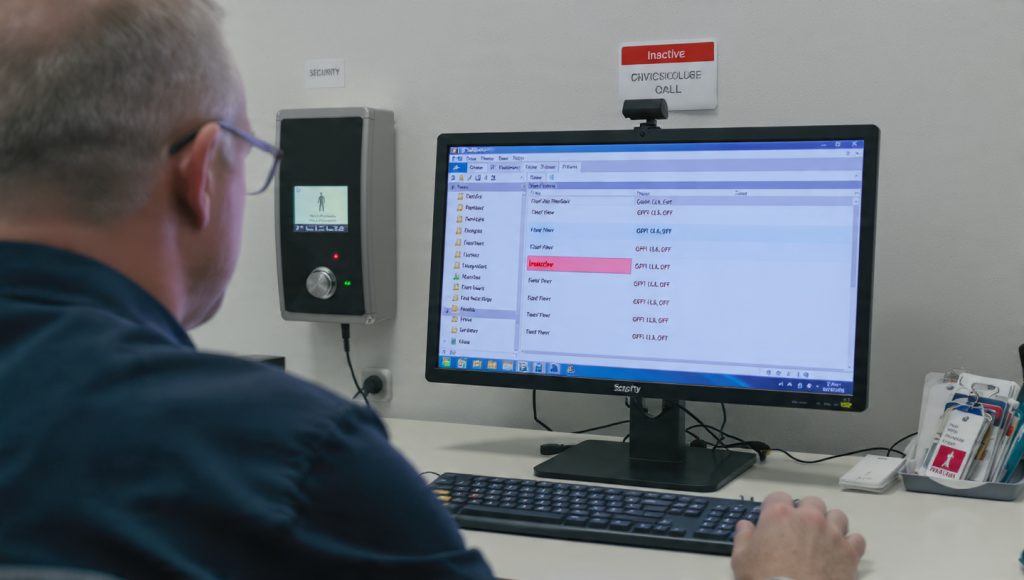
Peace of mind is our priority.While biometric access control offers enhanced security features, it also raises significant concerns regarding privacy and data protection. The collection of biometric data necessitates stringent measures to safeguard this sensitive information from unauthorized access or breaches. Organizations in Sydney must adhere to local privacy laws and regulations when implementing these systems to ensure compliance and protect individuals’ rights.
Moreover, there is an ongoing debate about the ethical implications of using biometric data for identification purposes. Critics argue that the potential for misuse exists if organizations do not handle this data responsibly. For instance, if an employee’s biometric information is compromised, it could lead to identity theft or other malicious activities. To mitigate these risks, organizations must implement robust data protection protocols and ensure transparency regarding how biometric data is collected, stored, and used.
Cost and Maintenance Considerations for Biometric Access Control in Sydney
The initial investment required for implementing biometric access control systems can be substantial, which may deter some organizations from adopting this technology. Costs can vary significantly based on the type of system chosen, the number of users, and the complexity of integration with existing security infrastructure. However, it is essential for organizations in Sydney to view this investment as a long-term strategy for enhancing security rather than merely an upfront expense.
In addition to initial costs, ongoing maintenance is another critical consideration when implementing biometric systems. Regular updates and servicing are necessary to ensure optimal performance and address any technical issues that may arise over time. Organizations must allocate resources for maintenance and support to avoid disruptions in service and ensure that the system remains effective in safeguarding their premises.
Future Trends and Developments in Biometric Access Control in Sydney

As technology continues to advance at a rapid pace, the future of biometric access control in Sydney looks promising. Emerging trends indicate a shift towards more sophisticated systems that incorporate artificial intelligence (AI) and machine learning capabilities. These advancements will enhance the accuracy and efficiency of biometric identification processes while reducing instances of false positives or negatives.
Additionally, there is a growing emphasis on multi-modal biometric systems that combine various identification methods for added security. For example, integrating fingerprint recognition with facial recognition can create a more robust authentication process that is difficult for unauthorized individuals to bypass. As organizations in Sydney continue to prioritize security measures in an increasingly complex landscape, embracing these innovations will be crucial for staying ahead of potential threats.
In conclusion, while biometric access control presents both opportunities and challenges for organizations in Sydney, its potential benefits far outweigh its drawbacks when implemented thoughtfully and responsibly. As technology evolves and becomes more integrated into everyday life, embracing biometric solutions will likely become an essential component of comprehensive security strategies across various sectors in this vibrant city.