


CCTV, Access Control, and Alarms in Sydney
In the dynamic urban landscape of Sydney, businesses, regardless of their scale, face an ever-evolving spectrum of security challenges. From opportunistic petty theft to more sophisticated intrusions, safeguarding your assets, employees, and reputation is paramount. This guide aims to provide a factual and comprehensive overview of key security measures available to Sydney businesses, focusing on Closed-Circuit Television (CCTV), Access Control systems, and Alarm systems. Understanding these technologies and their strategic implementation can serve as your business’s digital sentinels, providing a robust defense against potential threats.
Understanding the Evolving Security Landscape in Sydney
Sydney, as a major international hub, experiences a diverse range of security threats. As a leading commercial security business in Sydney, our team focuses on creating tailored, end-to-end security solutions designed to meet customer needs. The increasing sophistication of criminal elements, coupled with the sheer volume of economic activity, means that proactive and layered security is no longer a luxury but a necessity. Businesses are targeted more often than not driven by opportunity. By understanding the common vulnerabilities and the sophisticated tools available, you can build a formidable barrier, transforming your premises from a potential target into a well-defended fortress. This overview will delve into the core components of effective business security, equipping you with the knowledge to make informed decisions for the protection of your enterprise. Enhance your home safety with Alpha Security Corp’s tailored residential security systems designed to keep you protected around the clock.
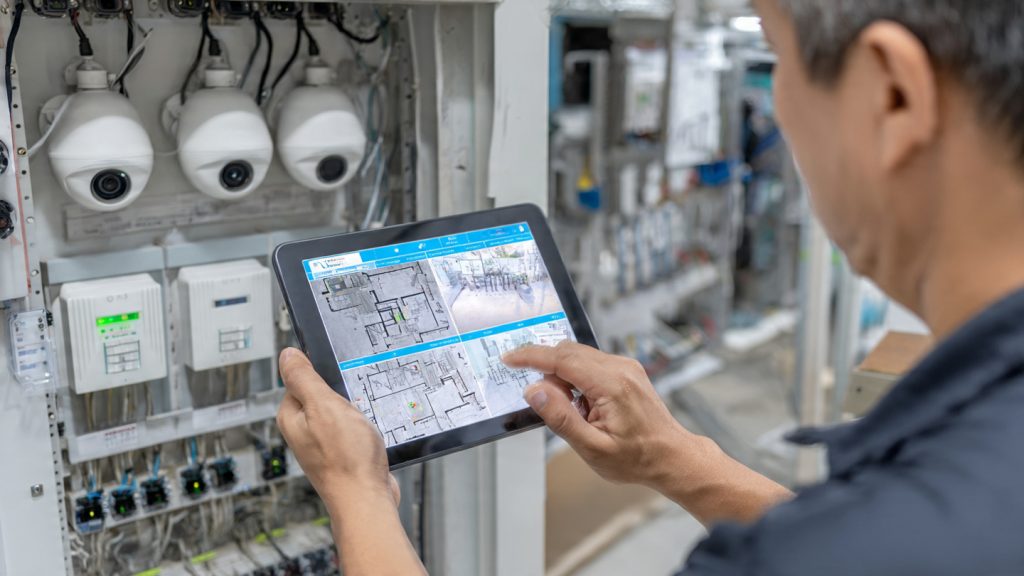
The Vigilant Eye: Implementing Effective CCTV Systems
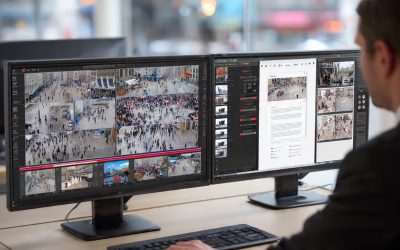
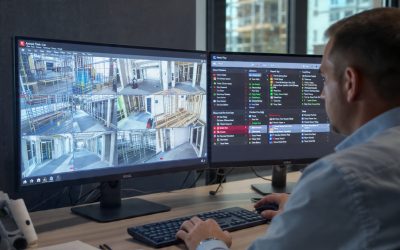
Closed-Circuit Television (CCTV) systems function as the eyes of your security infrastructure, providing continuous surveillance and invaluable evidence. In Sydney, the adoption of CCTV is widespread, driven by its proven efficacy in deterring criminal activity and aiding in post-incident investigations. A well-designed CCTV system acts as a silent guardian, its presence alone discouraging nefarious acts, and its recording capabilities serving as an irrefutable witness.
Types of CCTV Cameras for Business Applications
The selection of appropriate CCTV cameras is crucial for optimal coverage and effectiveness. Businesses in Sydney have access to a wide array of camera technologies, each suited to different operational environments and security requirements.
Bullet Cameras
These are perhaps the most recognizable CCTV cameras, characterized by their cylindrical shape. They are typically mounted externally, offering a visible deterrent. Their directional nature allows for focused monitoring of specific areas, such as entrances, exits, and perimeter boundaries.
Key Features:
- Visible Deterrent: Their prominent placement can discourage potential intruders.
- Fixed Field of View: Ideal for monitoring static areas.
- Weather Resistance: Many models are designed for outdoor use, withstanding Sydney’s diverse weather conditions.
Dome Cameras
Dome cameras, encased in a protective dome, are often preferred for their discreet appearance and vandal resistance. They can be mounted on ceilings or walls, and their design makes it difficult for intruders to ascertain the direction in which they are pointing, thus increasing their psychological impact.
Key Features:
- Discreet Design: Less obtrusive in internal environments, such as offices and retail spaces.
- Vandal Resistance: The protective dome offers a degree of protection against tampering.
- 360-Degree Rotation (PTZ Models): Pan-Tilt-Zoom (PTZ) dome cameras allow for remote control of camera movement, offering flexible and comprehensive surveillance.
PTZ (Pan-Tilt-Zoom) Cameras
PTZ cameras offer the highest level of operational flexibility. They can be remotely controlled to pan horizontally, tilt vertically, and zoom in on specific details. This makes them ideal for monitoring large areas or tracking moving subjects.
Key Features:
- Dynamic Surveillance: Ability to follow subjects and cover vast areas dynamically.
- Remote Control: Operators can adjust the camera’s focus and field of view in real-time.
- Preset Positions: Many PTZ cameras can be programmed to cycle through specific viewpoints automatically.
Network (IP) Cameras
Modern CCTV systems increasingly utilize Network (IP) cameras. These cameras transmit data over an IP network, offering higher resolution, greater flexibility, and easier integration with other network-based security systems.
Key Features:
- High Resolution: Delivers clearer and more detailed imagery, crucial for identification.
- Remote Accessibility: Footage can be accessed and managed from any internet-connected device.
- Scalability: Easily integrated into existing network infrastructure.
- Advanced Analytics: Many IP cameras incorporate built-in video analytics for features like motion detection, object tracking, and facial recognition.
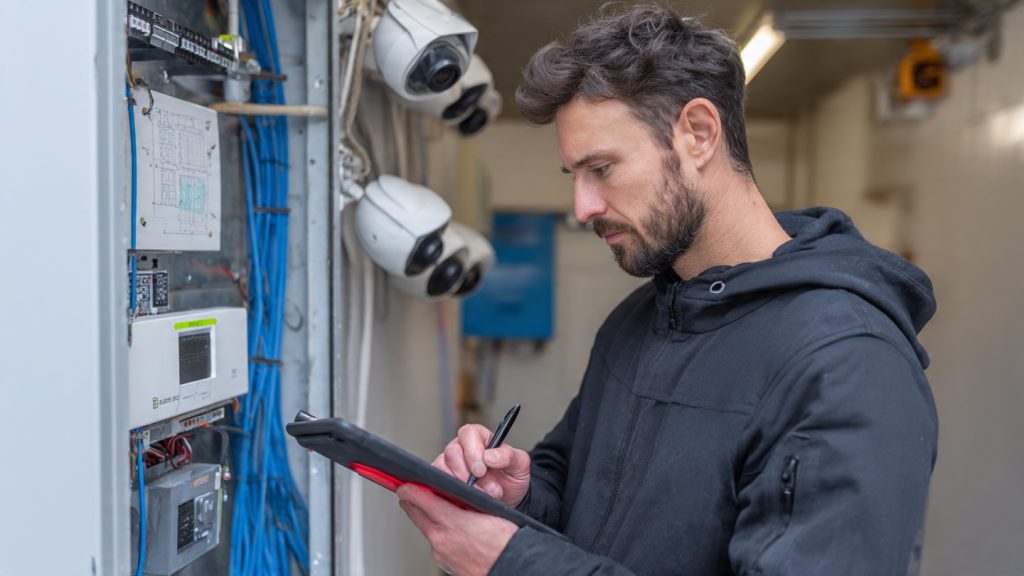
Strategic Placement of CCTV Cameras
The effectiveness of a CCTV system is significantly influenced by the strategic placement of its cameras. A comprehensive approach is vital to ensure all critical areas are covered.
Entrances and Exits
These are the primary points of entry and egress and, consequently, the most vulnerable. Cameras placed here can record everyone entering and leaving, providing a clear visual record of all individuals. This is also vital for traffic management and employee accountability.
Perimeters and Boundaries
Securing the outer edges of your property is the first line of defense. Cameras overlooking fences, gates, and the general perimeter can detect unauthorized access attempts before they reach the main building.
High-Value Asset Areas
Anywhere valuable inventory, equipment, or sensitive information is stored requires dedicated surveillance. This could include stockrooms, server rooms, cash handling areas, or executive offices.
Interior Vulnerable Zones
Inside the premises, areas such as cash registers, loading docks, and reception areas should be monitored. For internal use, consider discreet dome cameras to maintain aesthetics while ensuring comprehensive coverage.
Integrating CCTV with Other Security Measures
CCTV is most potent when integrated into a holistic security strategy. Its footage can inform and enhance the functionality of alarm systems and access control measures, creating a synergistic defense. For instance, an alarm triggered in a specific zone can prompt the CCTV system to focus on that area, providing immediate visual verification of the event.
Mastering Entry and Exit: The Role of Access Control Systems
Access Control systems are the gatekeepers of your business, dictating who can enter specific areas and when. They move beyond simple locks and keys, offering granular control over physical access, enhancing security, and providing valuable audit trails. Think of them as digital bouncers, meticulously checking credentials before granting passage.
Types of Access Control Technologies
Sydney businesses can leverage a variety of access control technologies, each with its own advantages in terms of security, convenience, and cost.
Key Card Systems
These systems utilize specialized cards that are swiped or inserted into readers to grant access. They are a common and relatively cost-effective solution for many businesses.
Benefits:
- Centralized Management: Lost or stolen cards can be deactivated quickly.
- Audit Trails: Provides records of who accessed which areas and when.
- Flexibility: Access levels can be easily assigned to different users.
Proximity (Proximity) Card Systems
These systems use radio-frequency identification (RFID) technology, allowing users to simply hold their card near a reader for authentication, without physical contact. This offers greater convenience and durability compared to traditional swipe cards.
Benefits:
- Ease of Use: No need for physical contact, making it faster and more convenient.
- Durability: Cards are less prone to wear and tear.
- Enhanced Security: Can be more difficult to duplicate than some older swipe card technologies.
Biometric Systems
Biometric systems utilize unique physiological or behavioral characteristics for authentication. This includes fingerprint scanners, facial recognition scanners, and iris scanners. They offer the highest level of security as they are virtually impossible to replicate.
Benefits:
- Unrivaled Security: Relies on unique biological traits, making it difficult to spoof.
- Convenience: No cards or fobs to carry or lose.
- Strong Audit Trails: Provides definitive identification of individuals.
Key Fob Systems
Similar to proximity cards, key fobs are small electronic devices that transmit an identification signal to a reader. They are convenient and easily carried.
Benefits:
- Portability: Small and easily attached to keyrings.
- Convenience: Quick and contactless entry.
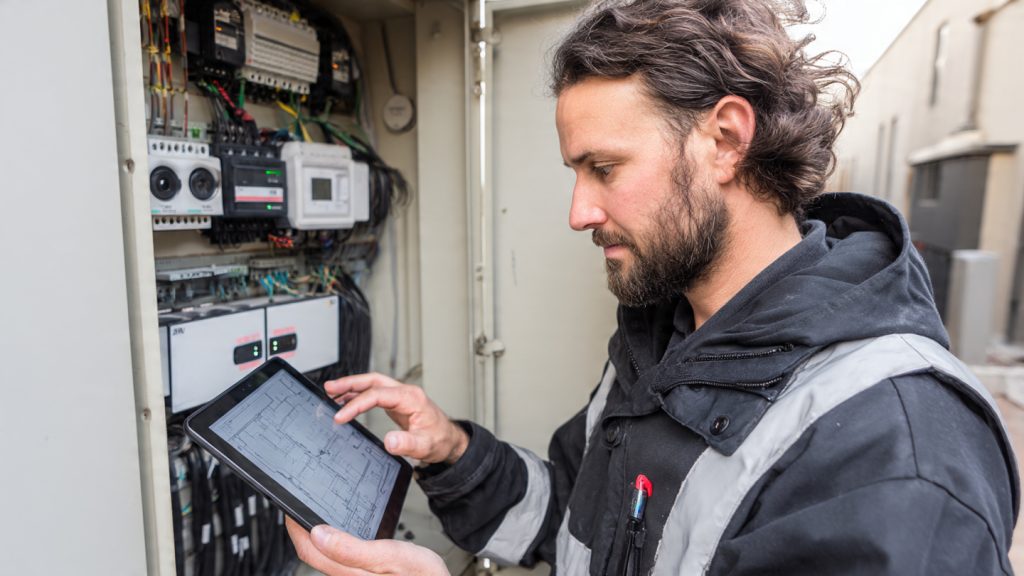
Implementing Effective Access Control Strategies
The successful implementation of an access control system involves careful planning and consideration of your business’s unique operational needs.
Zoning Your Premises
Divide your building into different security zones based on the sensitivity of the area. For example, the main entrance might require a basic card reader, while a server room or executive office would necessitate higher security, perhaps a biometric scanner. This layered approach ensures that only authorized personnel can access critical areas.
Time-Based Access Restrictions
Configure your system to allow access only during specific business hours or for designated shifts. This prevents unauthorized access during off-hours and provides an additional layer of control.
Tracking and Auditing Access
Regularly review access logs to identify any unusual activity or patterns. This audit trail is invaluable for investigations and for identifying potential security breaches.
Emergency Egress Procedures
Ensure that your access control system integrates seamlessly with emergency egress protocols. In the event of a fire alarm or other emergency, doors should automatically unlock to allow for safe evacuation.
Integration with CCTV and Alarm Systems
Access control systems are most effective when integrated with CCTV and alarm systems. This means that when an access attempt is made, the CCTV system can record the event, and if the access is denied or an alarm is triggered, the system can alert security personnel and log the incident. This creates a proactive and responsive security ecosystem.
The Sound of Security: Understanding Alarm Systems
Alarm systems serve as the immediate responders to security breaches, alerting you and relevant authorities to potential threats. These systems are designed to detect unauthorized entry, environmental hazards, and other security-compromising events, providing a crucial layer of real-time protection. While technology has advanced, the fundamental principle remains: to raise an immediate alarm when something is amiss.
Types of Alarm Systems for Businesses
The diversity of threats faced by businesses in Sydney necessitates a range of alarm system types, each addressing specific security concerns.
Intrusion Detection Systems
These systems are designed to detect unauthorized entry into your premises. They utilize various sensors to identify suspicious activity.
Sensors Include:
- Door and Window Contacts: These sensors trigger an alarm when a door or window is opened. They are the most basic and widely used components of intrusion detection.
- Motion Detectors: Infrared or microwave sensors that detect movement within a defined area. Modern systems often incorporate pet-immune or dual-technology sensors to reduce false alarms.
- Glass Break Detectors: Acoustic sensors that listen for the specific sound frequency of breaking glass.
- Vibration Sensors: Detect vibrations on walls or other surfaces, which can indicate an attempted forced entry.
Environmental Hazard Systems
Beyond intrusion, businesses must also be protected from environmental threats that can cause significant damage and disruption.
Examples Include:
- Smoke and Fire Detectors: Essential for early detection of fires, alerting occupants and emergency services.
- Carbon Monoxide Detectors: Crucial for detecting this odorless, colorless, and deadly gas.
- Water Leak Detectors: Prevent catastrophic damage from water leaks in areas like server rooms or basements.
- Temperature Sensors: Monitor for extreme temperature fluctuations that could damage sensitive equipment or inventory.
Panic Alarms / Duress Buttons
These are immediate alert devices that can be activated manually by employees in case of a personal threat or emergency. They are often discreetly placed in accessible locations.
Benefits:
- Instantaneous Alert: Allows for immediate notification of threats.
- Discreet Activation: Can be operated without drawing attention.
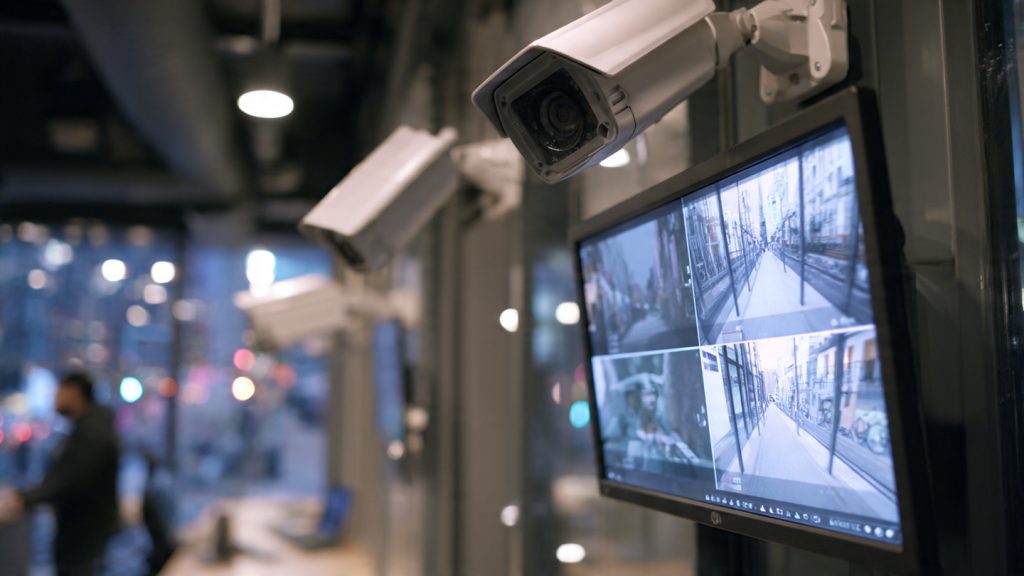
Monitored vs. Unmonitored Alarm Systems
A key consideration when selecting an alarm system is whether it will be monitored.
Unmonitored Alarm Systems
These systems will sound an audible alarm on-site, but they do not automatically notify external parties. While they can deter local criminals, they are less effective in situations where no one is present to hear the alarm.
Pros:
- Typically lower upfront cost.
Cons:
- No external notification of events.
- Relies on someone being present to hear the alarm and take action.
Monitored Alarm Systems
These systems are connected to a central monitoring station. When an alarm is triggered, the monitoring station is alerted and can then contact the business owner, designated contacts, or emergency services (police, fire department) as per pre-arranged protocols. Alpha Security Corp. provides these services, ensuring that professional eyes are on your security at all times.
Pros:
- Immediate professional response to alarms.
- Provides peace of mind, especially when the business is closed.
- Can be a requirement for insurance policies.
Cons:
- Involves ongoing subscription fees.
The Importance of Professional Installation and Maintenance
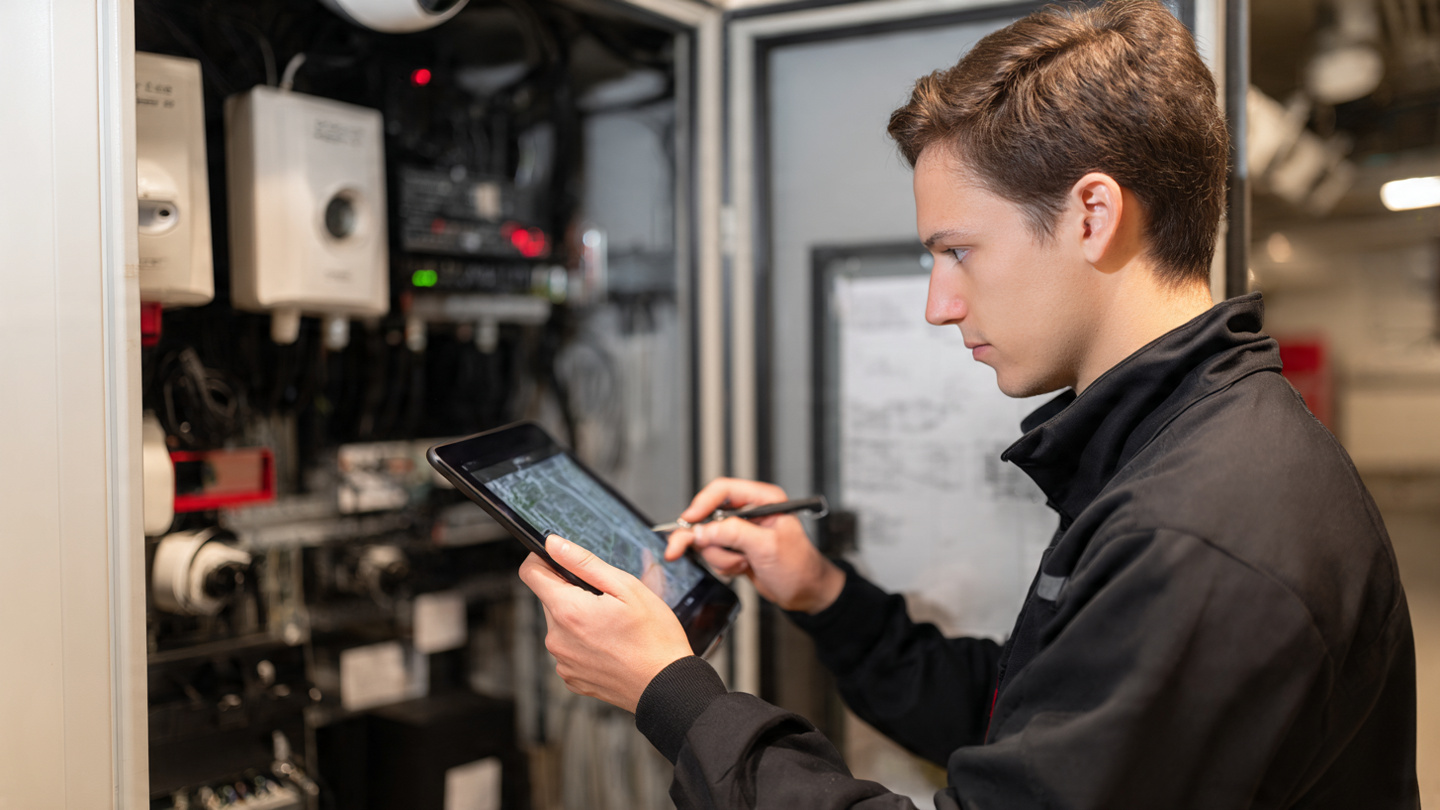
As licensed security solutions providers, we offer installation, programming, commissioning, and maintenance of your home or business security system. From alarm systems through to CCTV and monitoring, we’re here to help you stay secure. The correct installation and regular maintenance of alarm systems are paramount to their reliability.
Installation:
- Expert Placement of Sensors: Ensures optimal coverage and minimizes the risk of false alarms.
- Correct Wiring and Configuration: Guarantees the system functions as intended.
- Integration with Other Systems: Seamless connectivity with access control and CCTV.
Maintenance:
- Regular Testing: Ensures all components are operational.
- Battery Replacement: Critical for the continued function of wireless devices.
- Software Updates: Keeps the system protected against emerging threats and vulnerabilities.
- Firmware Upgrades: Ensures optimal performance and compatibility.
Electrical Services: The Unsung Hero of Security Infrastructure
While not directly a security technology, robust and reliable electrical services are the backbone of any modern security system. Whether you’re in the market to upgrade your family home, improve your commercial office building, build your dream home or have an emergency electrical concern and need immediate assistance, Alpha Security Corp. has the right Master Electrician for you. Our team of Master Electricians is adept at handling the complex electrical demands of security installations, ensuring power stability and safe operation.
Powering Your Protection
CCTV cameras, access control panels, alarm sirens, and monitoring equipment all require a consistent and stable power supply. Any fluctuations or failures in the electrical system can render your security measures ineffective at critical moments.
Dedicated Circuits:
- Security systems should ideally be powered by dedicated electrical circuits. This prevents other appliances from overloading the circuit and causing power interruptions to your security infrastructure.
Backup Power Solutions:
- Uninterruptible Power Supplies (UPS): For critical security components like network video recorders (NVRs) or alarm control panels, a UPS provides immediate battery backup in the event of a power outage, allowing the system to continue operating while a generator kicks in or mains power is restored.
- Generators: Larger businesses may consider emergency generators to ensure continuous power supply to all security systems during extended outages. Our electricians can expertly integrate these solutions.
Safe and Compliant Installations
Electrical work, especially for security systems, must be performed by qualified professionals to ensure compliance with Australian safety standards and regulations. Improperly installed wiring can pose fire hazards or lead to system malfunctions.
Master Electrician Expertise:
- Our Master Electricians are not only skilled in power provision but also in the design and implementation of electrical infrastructure that supports complex security networks. They understand the specific power requirements of different security devices and can ensure that installations are both functional and safe.
- They can advise on the most efficient and reliable power distribution methods for your specific business premises.
Emergency Electrical Support
In the event of an electrical fault affecting your security systems, prompt and expert assistance is crucial. Problems with power can directly compromise your security, turning a protected premise into a vulnerable one.
Responsive Service:
- Alpha Security Corp. offers emergency electrical services to address urgent issues that impact your security infrastructure. Our Master Electricians are equipped to diagnose and resolve electrical problems swiftly, minimizing downtime and restoring the integrity of your security systems.
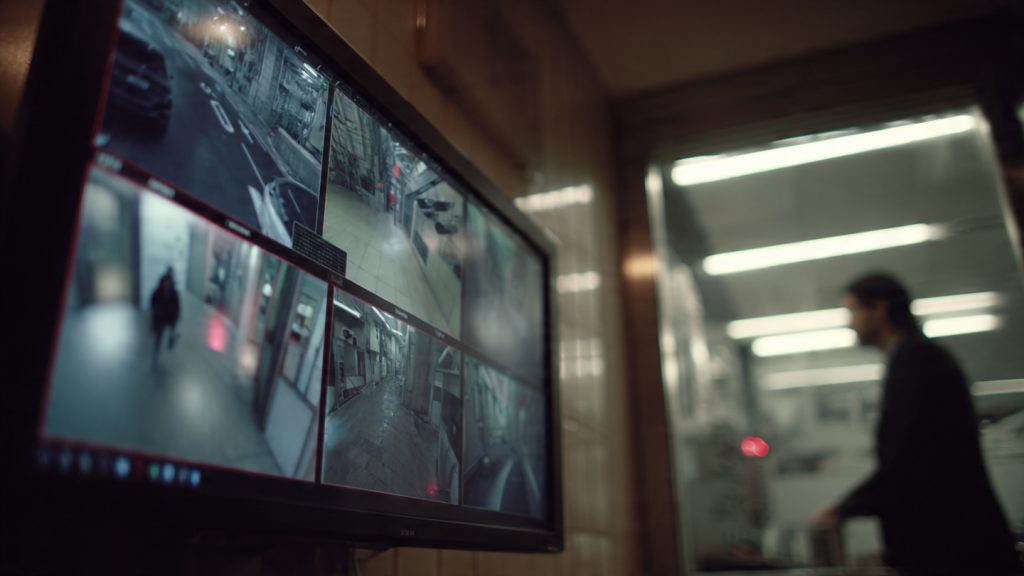
Building a Resilient Business: The Synergy of Security Solutions
Protecting your business in Sydney is not about adopting a single technology; it is about creating a cohesive and integrated security ecosystem. CCTV provides the visual oversight, access control manages who can enter and when, and alarm systems offer immediate notification of breaches. When these systems work in concert, they create a robust defense that is far more effective than the sum of its parts.
The Power of Integration
Imagine a scenario: a door is forced open outside of authorized hours. The access control system registers the unauthorized attempt. Simultaneously, an intrusion alarm is triggered. The CCTV cameras in that vicinity are automatically directed to that area, recording the incident in high definition. The monitoring station receives the alerts from both systems and dispatches response teams while notifying your designated point of contact. This is the power of an integrated solution, where each component amplifies the effectiveness of the others. This creates a proactive defense, not just a reactive one.
Tailored Solutions for Sydney Businesses
Across the nation, security threats are increasing, and businesses are being targeted more often. As a leading commercial security business in Sydney, our team focuses on creating tailored, end-to-end security solutions designed to meet customer needs. We understand that each business has unique vulnerabilities and requirements. Whether you are a small retail outlet in the CBD, a manufacturing plant in the industrial heartlands, or an office space in a suburban hub, our approach is to first understand your specific risks and then design a security solution that precisely fits your needs and budget.
The Role of Ongoing Support and Maintenance
Security is not a static investment. The threats evolve, and technology advances. Therefore, ongoing support and maintenance are critical. Regular system checks, software updates, and prompt servicing by qualified technicians ensure that your security infrastructure remains at its peak performance. It’s like tending a garden; consistent care ensures it flourishes and provides ongoing protection.
Conclusion: Investing in Peace of Mind
In the bustling economic environment of Sydney, investing in comprehensive security measures is not merely an expense; it is an investment in the continuity and success of your business. By understanding and strategically implementing CCTV, access control, and alarm systems, supported by reliable electrical services, you are building a formidable shield against potential threats. Alpha Security Corp. is dedicated to providing these comprehensive solutions, ensuring your business is well-protected, allowing you to focus on what you do best – running your enterprise.