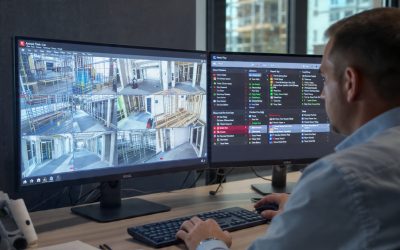




CCTV for Renovations: Protect Sydney Sites Before Opening
In the realm of construction and renovation, the importance of security cannot be overstated. Renovation sites are often vulnerable to theft, vandalism, and unauthorized access, making them prime targets for criminal activity. The installation of Closed-Circuit Television (CCTV) systems has become an essential component in safeguarding these sites. By providing real-time surveillance and recording capabilities, CCTV systems serve as a deterrent to potential criminals while also offering peace of mind to contractors and property owners alike.
Moreover, the presence of CCTV can significantly enhance the overall management of a renovation project. With the ability to monitor activities on-site remotely, project managers can ensure that work is progressing as planned and that safety protocols are being adhered to. This level of oversight not only helps in maintaining the integrity of the project but also fosters accountability among workers. As renovations often involve multiple contractors and subcontractors, having a reliable surveillance system in place can streamline communication and coordination, ultimately leading to a more efficient workflow.
In the context of ensuring safety and security during renovations, it’s crucial to consider the implementation of CCTV systems to protect construction sites in Sydney before they open. A related article that discusses the importance of surveillance and security measures for renovation projects can be found at Alpha Security Corp. This resource provides valuable insights into how effective monitoring can prevent theft and vandalism, ultimately safeguarding your investment and ensuring a smooth transition to the operational phase.
Choosing the Right CCTV System for Your Renovation Site

Selecting the appropriate CCTV system for a renovation site requires careful consideration of various factors. First and foremost, it is essential to assess the specific needs of the project. This includes evaluating the size of the site, the level of security required, and the types of activities that will take place. For instance, larger sites may necessitate multiple cameras with wide-angle lenses to cover expansive areas, while smaller projects might only require a few strategically placed cameras.
Another critical aspect to consider is the technology behind the CCTV system. As Tom Khawly, founder of Alpha Security Corp, notes, “The technology has evolved dramatically in the last 15 years.” Modern systems now offer high-definition video quality and IP capabilities that allow for remote monitoring via mobile devices. This means that project managers can keep an eye on their renovation sites from anywhere in the world, ensuring that they are always connected to their projects. Additionally, features such as motion detection and night vision can further enhance the effectiveness of a CCTV system, making it easier to capture crucial footage during off-hours or in low-light conditions.
Benefits of CCTV for Renovation Sites

The advantages of installing CCTV systems on renovation sites extend beyond mere security. One of the most significant benefits is the ability to document the progress of the project. By recording daily activities, contractors can create a visual timeline that showcases the evolution of the renovation. This documentation can be invaluable for future reference, whether for marketing purposes or for resolving disputes with clients or subcontractors.
Furthermore, CCTV systems can play a pivotal role in improving safety on renovation sites. By monitoring compliance with safety regulations and protocols, these systems can help identify potential hazards before they lead to accidents. For example, if a worker is observed not wearing appropriate safety gear, project managers can intervene promptly to address the issue. This proactive approach not only protects workers but also minimizes liability for contractors and property owners.
Legal Considerations for CCTV in Renovation Projects

While the benefits of CCTV for Renovations are clear, it is crucial to navigate the legal landscape surrounding their use. In many jurisdictions, there are specific regulations governing the installation and operation of surveillance cameras, particularly in public or shared spaces. It is essential for contractors and property owners to familiarize themselves with these laws to avoid potential legal repercussions.
One key consideration is obtaining consent from individuals who may be recorded by the CCTV system. In some cases, signage indicating that surveillance is in operation may be required to inform workers and visitors alike. Additionally, it is important to establish clear policies regarding data storage and access to recorded footage. Ensuring that only authorized personnel have access to this information can help protect privacy rights and maintain compliance with data protection regulations.
When considering the safety of renovation sites in Sydney, it is essential to explore various security measures, including the installation of CCTV systems. These systems not only deter potential theft and vandalism but also provide valuable evidence in case of incidents. For further insights into enhancing security for commercial properties, you can read a related article that discusses comprehensive security solutions available for businesses. This resource can be found here, offering a deeper understanding of how to protect your site effectively before opening.
Tips for Installing and Maintaining CCTV Systems on Renovation Sites
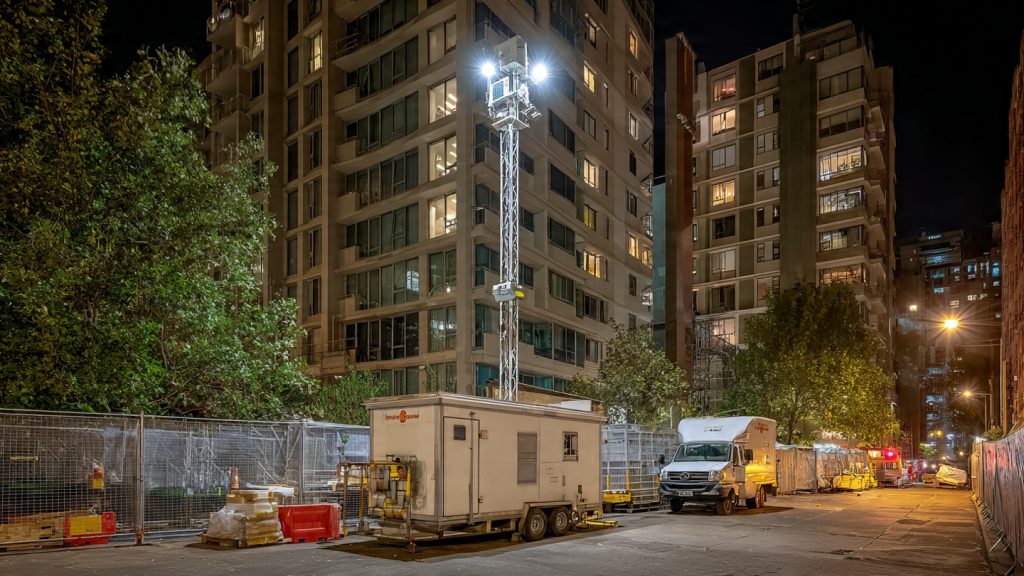
Proper installation and maintenance of CCTV systems are critical to ensuring their effectiveness. When installing cameras, it is essential to choose locations that provide optimal coverage while minimizing blind spots. High-traffic areas, entry points, and zones where valuable materials are stored should be prioritized. Additionally, cameras should be mounted at appropriate heights to deter tampering or vandalism.
Regular maintenance is equally important for keeping CCTV systems operational. This includes routine checks on camera functionality, cleaning lenses to ensure clear visibility, and verifying that recording equipment is working correctly. Implementing a maintenance schedule can help identify issues before they escalate into significant problems, ensuring that the surveillance system remains reliable throughout the renovation process.
When considering the safety of renovation sites in Sydney, the implementation of CCTV systems is crucial for protecting valuable assets before opening. A related aspect of site security involves fire safety measures, which can be further explored in an informative article about back-to-base fire alarms. Understanding how these systems work can enhance overall security strategies for any renovation project. For more details, you can read the article here.
How CCTV Can Help Prevent Theft and Vandalism on Renovation Sites

Peace of mind is our priority.Theft and vandalism are persistent challenges faced by renovation sites, often resulting in significant financial losses and project delays. The presence of a well-implemented CCTV system can serve as a powerful deterrent against such criminal activities. When potential thieves see cameras installed on-site, they are less likely to attempt theft or vandalism due to the increased risk of being caught on tape.
In addition to deterring crime, CCTV systems provide valuable evidence in the event that theft or vandalism does occur. Recorded footage can assist law enforcement in identifying suspects and recovering stolen materials. Furthermore, having documented evidence can streamline insurance claims processes, helping contractors recoup losses more efficiently. Ultimately, investing in a robust CCTV system can save renovation projects from costly setbacks caused by criminal activity.
Case Studies: Successful Implementation of CCTV on Renovation Sites in Sydney
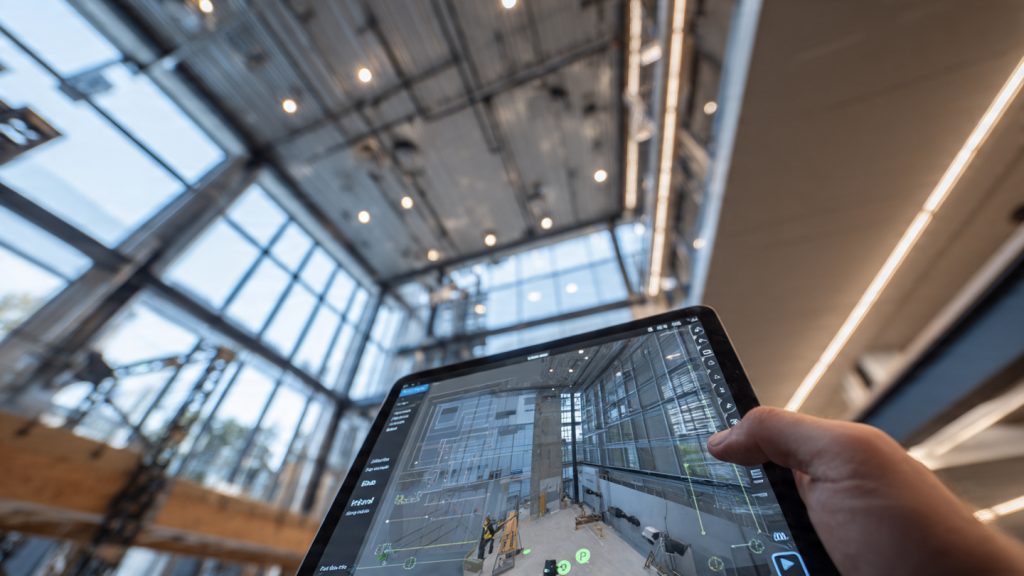
Several successful case studies highlight the effectiveness of CCTV systems in safeguarding renovation sites across Sydney. One notable example involved a large-scale commercial renovation project where contractors faced ongoing issues with theft and vandalism. By implementing a comprehensive CCTV system that included high-definition cameras with remote monitoring capabilities, project managers were able to significantly reduce incidents of crime on-site.
In another instance, a residential renovation project utilized CCTV not only for security but also for documenting progress. The homeowners were able to view live feeds from their mobile devices, allowing them to stay informed about daily activities without needing to be physically present on-site. This transparency fostered trust between the homeowners and contractors while also ensuring that safety protocols were being followed diligently.
The Future of CCTV in Renovation Projects
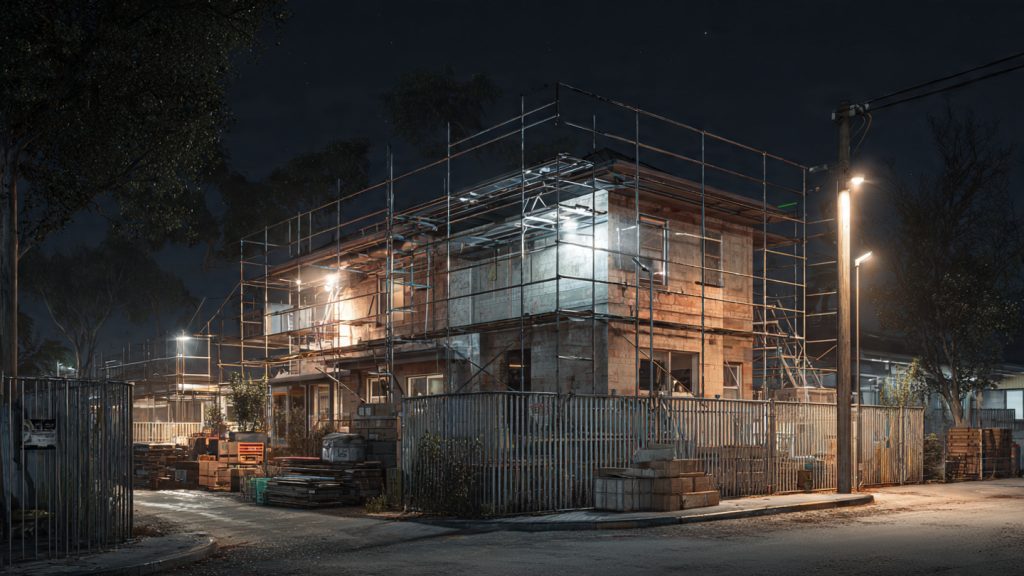
As technology continues to advance at a rapid pace, the future of CCTV in renovation projects looks promising. Innovations such as artificial intelligence (AI) and machine learning are beginning to play a role in enhancing surveillance capabilities. For instance, AI-powered systems can analyze video feeds in real-time to detect unusual behavior or identify potential threats automatically.
Additionally, integration with other smart technologies is becoming increasingly common. For example, linking CCTV systems with alarm systems or access control measures can create a comprehensive security solution that offers greater protection for renovation sites. As these technologies evolve, contractors and property owners will have access to even more sophisticated tools for safeguarding their projects.
In conclusion, the implementation of CCTV systems on renovation sites is not just a matter of security; it is an investment in efficiency, safety, and accountability. By understanding the importance of these systems and making informed choices about their installation and maintenance, stakeholders can protect their projects from theft and vandalism while also enhancing overall management practices. As technology continues to advance, embracing these innovations will be crucial for staying ahead in an ever-evolving landscape of construction and renovation.