


CCTV Image Quality Guide: Resolution, Lens and Night Vision
CCTV resolution refers to the clarity and detail of the images captured by surveillance cameras. It is typically measured in pixels, with higher pixel counts indicating better image quality. The most common resolutions in the market today include Standard Definition (SD), High Definition (HD), Full HD, and Ultra HD (4K). Each of these resolutions offers varying levels of detail, which can significantly impact the effectiveness of a security system. For instance, a camera with a resolution of 1080p (Full HD) provides a clearer image than one with 720p (HD), making it easier to identify faces or license plates in recorded footage.
The importance of resolution cannot be overstated, especially in critical security applications. Higher resolution images allow for better identification of individuals and objects, which can be crucial in criminal investigations. In addition, as technology advances, the expectations for image quality continue to rise. Users now demand not only clear images but also the ability to zoom in on specific areas without losing detail. This demand has led to the development of advanced camera systems that can deliver high-resolution images even in challenging conditions, such as low light or adverse weather.
For those looking to enhance their understanding of CCTV systems, a related article that delves into the various aspects of commercial security can be found at Alpha Security Corp’s Commercial Security page. This resource provides valuable insights into the importance of selecting the right security solutions for businesses, complementing the information presented in the CCTV Image Quality Guide regarding resolution, lens options, and night vision capabilities.
The Role of Lens in CCTV Image Quality
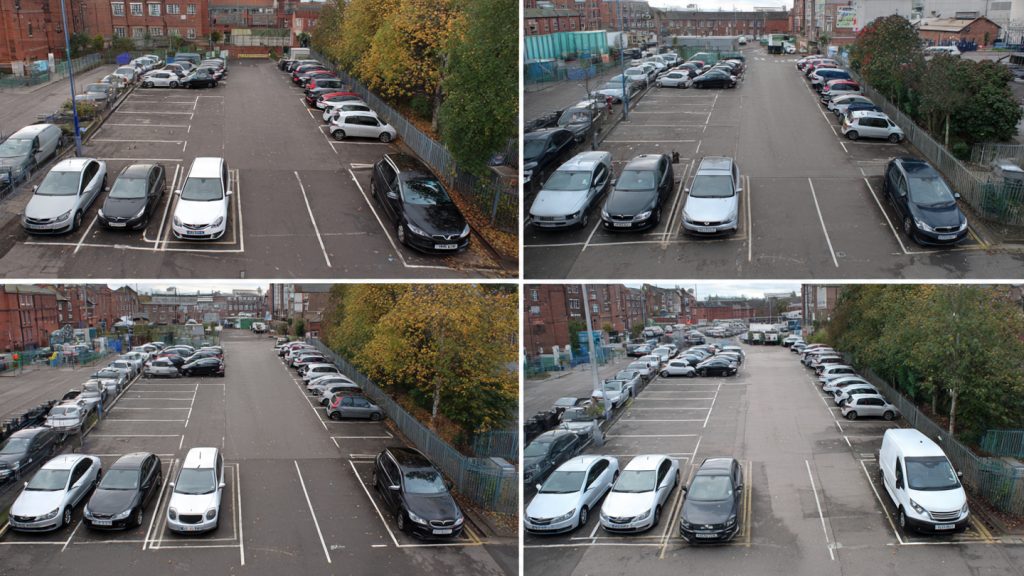
The lens of a CCTV camera plays a pivotal role in determining the overall image quality. It is responsible for focusing light onto the camera’s sensor, and its specifications can greatly influence how well the camera performs in various conditions. Factors such as focal length, aperture size, and lens type all contribute to the final image quality. A lens with a longer focal length can capture distant objects more clearly, while a wider aperture allows more light to enter, improving performance in low-light situations.
Moreover, the type of lens used can affect the field of view and depth of field. For example, a wide-angle lens can cover a larger area but may distort images at the edges, while a telephoto lens can provide detailed images of distant subjects but may have a narrower field of view. Understanding these characteristics is essential for selecting the right lens for specific surveillance needs. A well-chosen lens can enhance image clarity and detail, making it easier to monitor and analyze footage effectively.
Choosing the Right Lens for Your CCTV System

Selecting the appropriate lens for your CCTV system involves considering several factors, including the intended application, environment, and specific monitoring requirements. For instance, if you need to monitor a large outdoor area, a wide-angle lens may be ideal for capturing as much detail as possible. Conversely, if you are focusing on a specific entrance or point of interest, a telephoto lens may be more suitable for capturing clear images from a distance.
Additionally, it is essential to consider the lighting conditions in which the camera will operate. In low-light environments, lenses with larger apertures are preferable as they allow more light to reach the sensor, resulting in brighter and clearer images. Furthermore, some lenses come equipped with features such as infrared capabilities or varifocal adjustments, which can enhance their versatility and performance in various situations. Ultimately, understanding your specific needs and the characteristics of different lenses will help you make an informed decision that maximizes your CCTV system’s effectiveness.
The Importance of Night Vision in CCTV Surveillance
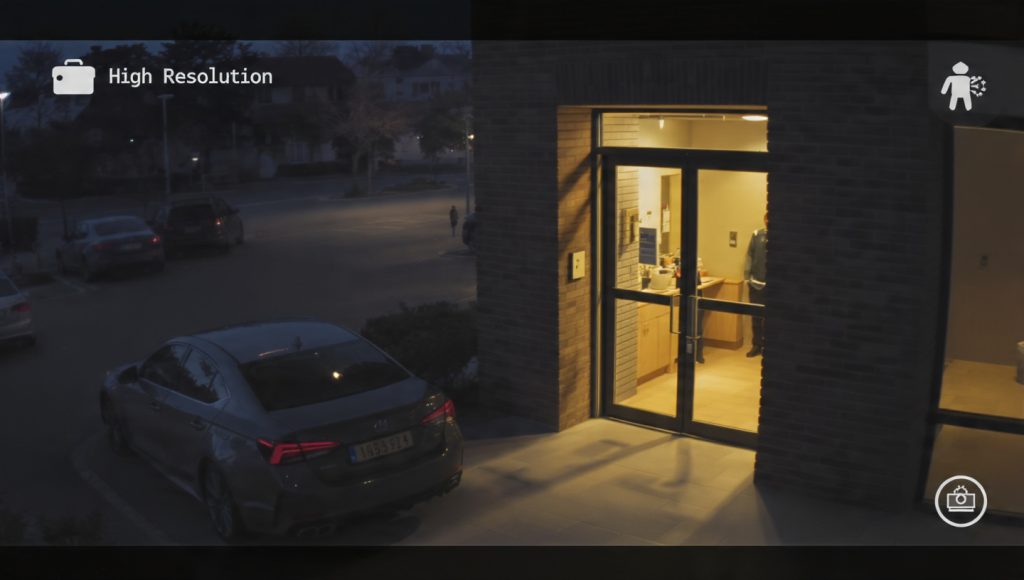
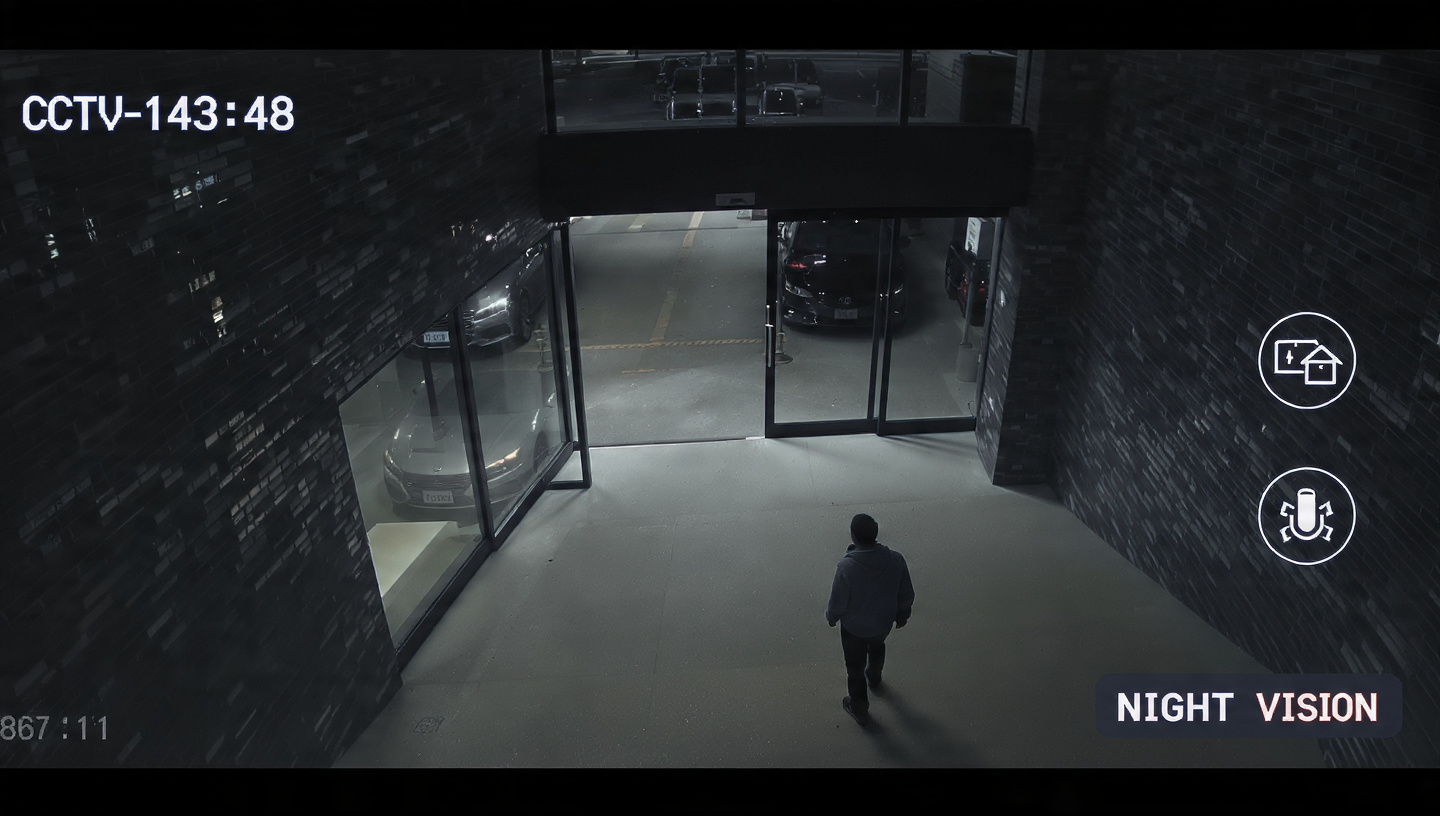
Night vision capability is a critical feature for any CCTV surveillance system, particularly for outdoor applications where security threats often occur after dark. The ability to capture clear images in low-light conditions can be the difference between effective monitoring and missed incidents. Night vision technology typically relies on infrared (IR) illumination or low-light sensors to enhance visibility when natural light is insufficient. This capability allows cameras to operate effectively during nighttime or in poorly lit environments.
The significance of night vision extends beyond mere visibility; it also plays a crucial role in deterring criminal activity. A well-lit area with visible surveillance cameras can discourage potential intruders from attempting to breach security measures. Moreover, having reliable night vision capabilities ensures that any suspicious activity is recorded and can be reviewed later for investigative purposes. As such, investing in high-quality night vision technology is essential for comprehensive security coverage.
For those looking to enhance their understanding of security systems, a related article on alarm monitoring can provide valuable insights. Exploring how back-to-base alarm monitoring works can complement your knowledge of CCTV image quality, as both play crucial roles in ensuring comprehensive security. You can read more about it in this informative piece on back-to-base alarm monitoring. Understanding these elements together can help you make more informed decisions about your security setup.
Factors Affecting Night Vision Performance in CCTV Cameras
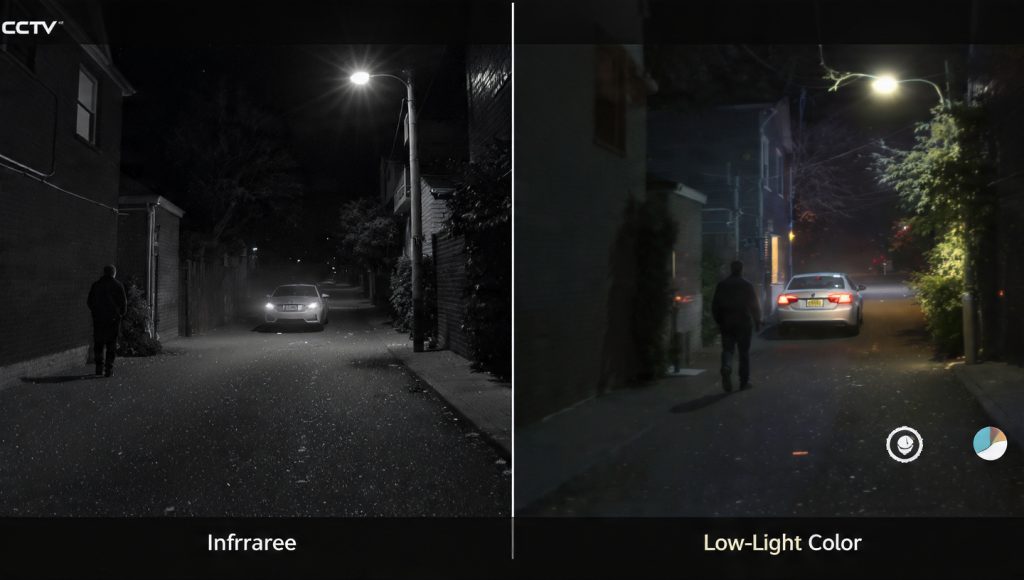
Several factors influence the performance of night vision capabilities in CCTV cameras. One of the most significant is the quality and type of infrared illumination used. Cameras equipped with powerful IR LEDs can illuminate larger areas and provide clearer images at greater distances. However, not all IR illuminators are created equal; some may produce uneven lighting or create hotspots that can obscure details in captured footage.
Another critical factor is the camera’s sensor sensitivity. Cameras with higher sensitivity ratings can capture clearer images in lower light conditions. Additionally, the lens used can also impact night vision performance; lenses with larger apertures allow more light to enter the camera, enhancing image quality during nighttime operation. Understanding these factors is essential for selecting a CCTV system that meets your night vision requirements effectively.
When considering the effectiveness of your CCTV system, it’s essential to understand how various factors like resolution, lens quality, and night vision capabilities can impact image clarity. For those looking to enhance their home security while ensuring the safety of their pets, a related article discusses the importance of monitoring pets when you’re away from home. You can read more about this topic in the article on keeping an eye on pets to gain insights into how a well-implemented security system can provide peace of mind.
Tips for Improving Night Vision in Your CCTV System
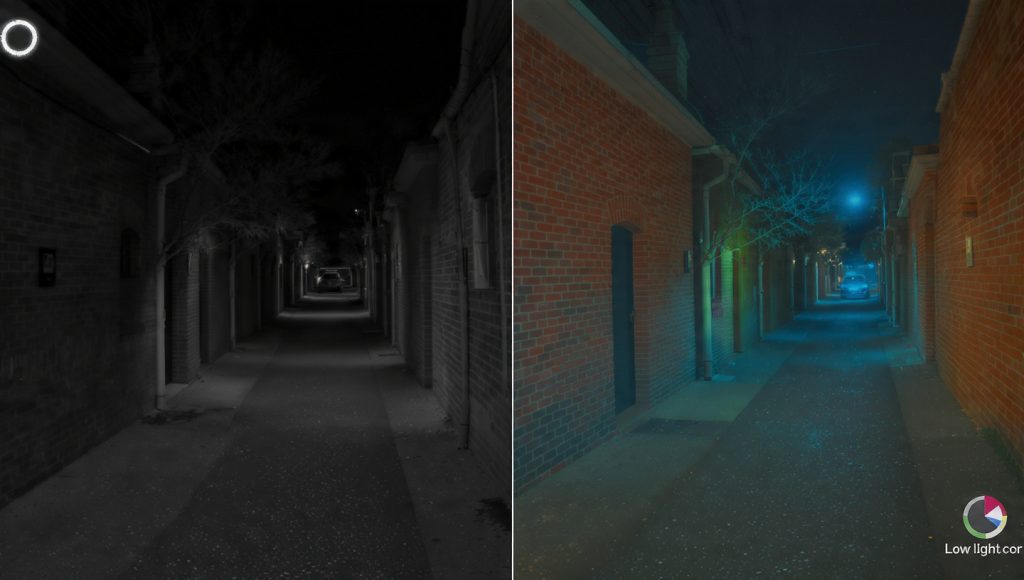
Peace of mind is our priority.To enhance night vision performance in your CCTV system, there are several strategies you can implement. First and foremost, ensure that your cameras are equipped with high-quality infrared illumination. Investing in cameras with advanced IR technology will provide better coverage and clearer images during nighttime surveillance. Additionally, consider positioning your cameras strategically to maximize their effectiveness; placing them at higher elevations can help reduce obstructions and improve visibility.
Regular maintenance is also crucial for optimal night vision performance. Ensure that camera lenses are clean and free from obstructions such as dirt or debris that could hinder image quality. Furthermore, adjusting camera settings such as brightness and contrast can help improve visibility during low-light conditions. Finally, consider integrating additional lighting solutions around your property to enhance overall visibility while still maintaining an unobtrusive security presence.
Common Mistakes to Avoid When Setting Up CCTV Cameras for Night Vision
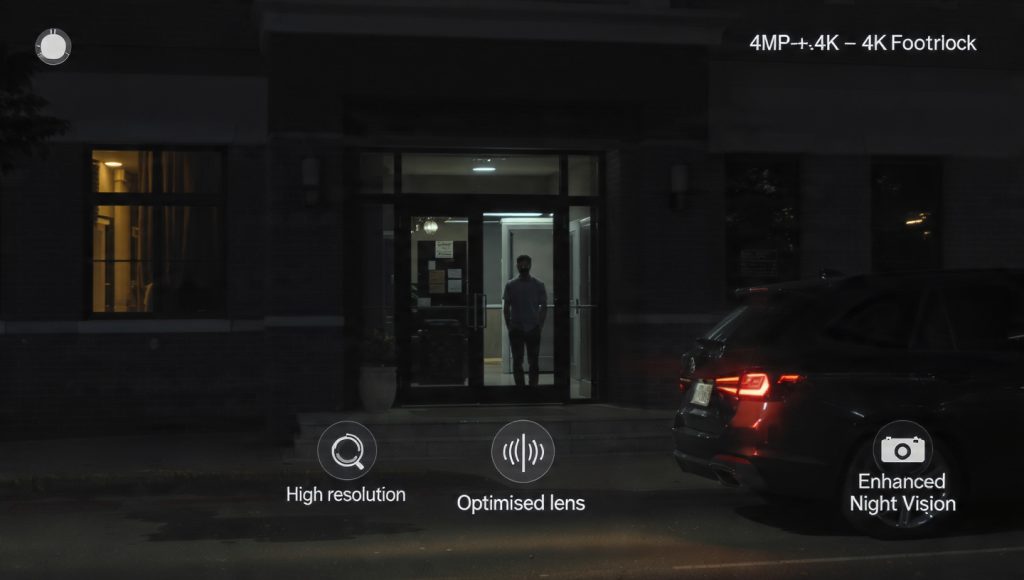
When setting up CCTV cameras for night vision surveillance, there are several common mistakes that should be avoided to ensure optimal performance. One frequent error is neglecting to consider the placement of cameras concerning potential light sources. For instance, positioning cameras directly facing bright lights or reflective surfaces can lead to glare and washed-out images during nighttime operation.
Another mistake is failing to account for environmental factors that may affect visibility. For example, overhanging branches or other obstructions can block infrared illumination and reduce image clarity at night. Additionally, not regularly maintaining cameras can lead to degraded performance over time; dust or dirt on lenses can significantly impact image quality during low-light conditions.
Lastly, many users overlook the importance of testing their systems under various lighting conditions before finalizing their setup. Conducting thorough tests will help identify any issues related to night vision performance and allow for adjustments to be made before relying on the system for security purposes.
Future Trends in CCTV Image Quality: What to Expect in Resolution, Lens, and Night Vision Technology
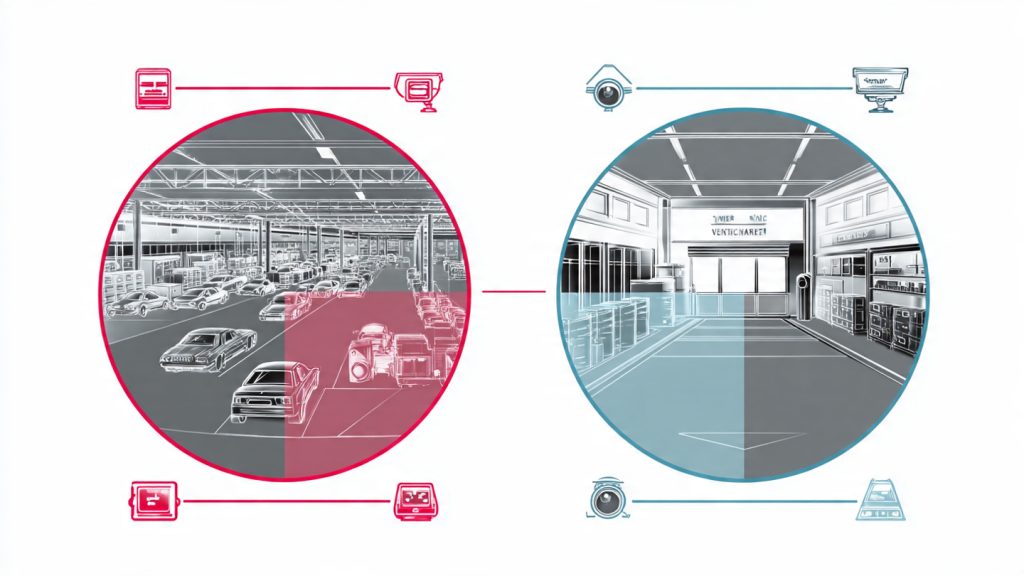
As technology continues to advance at a rapid pace, we can expect significant improvements in CCTV image quality across several dimensions—resolution, lens capabilities, and night vision technology are all areas poised for innovation. In terms of resolution, we are likely to see an increase in the adoption of 8K cameras that offer even greater detail than current 4K systems. This enhanced resolution will enable users to zoom in on specific areas without sacrificing image quality, making it easier to identify individuals or objects.
In addition to resolution advancements, lens technology is also expected to evolve significantly. Future lenses may incorporate smart features such as automatic focus adjustments based on environmental conditions or advanced optical designs that minimize distortion while maximizing clarity across various fields of view. These innovations will further enhance the overall effectiveness of CCTV systems.
Finally, night vision technology is set to undergo transformative changes as well. Emerging technologies such as thermal imaging and advanced low-light sensors will provide even clearer images in complete darkness or challenging lighting conditions. As these technologies become more accessible and affordable, they will revolutionize how we approach surveillance and security monitoring, ensuring that users have access to reliable and high-quality footage regardless of the time of day or environmental challenges they may face.