


CCTV Innovations
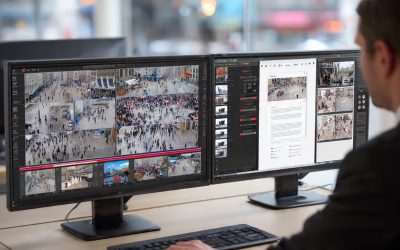
In recent years, the landscape of video surveillance has undergone a remarkable transformation, driven by rapid technological advancements and an increasing demand for security solutions. Closed-circuit television (CCTV) systems have evolved from basic analog cameras to sophisticated digital networks that offer unparalleled capabilities. This evolution is not merely a response to the growing concerns about safety and security; it is also a reflection of the innovative spirit that characterizes the tech industry today.
As we delve into the various innovations in CCTV technology, it becomes evident that these advancements are reshaping how we perceive and implement security measures in both residential and commercial settings. The integration of cutting-edge technologies into CCTV systems has made them more effective and user-friendly than ever before. From enhanced video quality to the incorporation of artificial intelligence, these innovations are not only improving surveillance capabilities but also providing users with actionable insights.
As we explore the advancements in video quality, AI integration, and other key developments, it is essential to recognize how these innovations are contributing to a safer environment for individuals and businesses alike.
Key Takeaways
- CCTV technology has significantly advanced with higher video resolution and improved low-light capabilities.
- Integration of AI and machine learning enhances video analytics, object recognition, and facial recognition accuracy.
- Cloud-based storage solutions offer scalable and efficient video management options.
- Thermal imaging, infrared technology, and 360-degree cameras expand surveillance coverage and effectiveness.
- Emerging trends include the use of drones for aerial surveillance and continued innovation in biometric identification.
Advancements in Video Quality and Resolution
One of the most significant advancements in CCTV technology is the improvement in video quality and resolution. The transition from standard definition (SD) to high definition (HD) and now ultra-high definition (UHD) has revolutionized the clarity and detail captured by surveillance cameras. Modern CCTV systems can now provide crystal-clear images that allow for better identification of individuals and objects, even in challenging conditions.
This leap in video quality has made it easier for security personnel to monitor activities and respond to incidents effectively. Moreover, advancements in compression technologies have enabled the storage of high-resolution footage without requiring excessive bandwidth or storage space. This means that users can retain high-quality video for extended periods, which is crucial for investigations and evidence collection.
The ability to zoom in on specific areas without losing detail has also enhanced the functionality of CCTV systems, making them indispensable tools for both residential security and commercial applications. Protect your smart home effectively with Alpha Security Corp.
Integration of Artificial Intelligence and Machine Learning

The integration of artificial intelligence (AI) and machine learning into CCTV systems marks a significant turning point in surveillance technology. These intelligent systems can analyze vast amounts of video data in real-time, identifying patterns and anomalies that would be impossible for human operators to detect. For instance, AI algorithms can differentiate between normal activities and suspicious behavior, allowing security personnel to focus their attention where it is most needed.
Furthermore, machine learning enables CCTV systems to improve over time. As they process more data, these systems become better at recognizing specific behaviors or identifying potential threats. This capability not only enhances security but also reduces false alarms, which can be a significant issue in traditional surveillance setups.
By leveraging AI and machine learning, businesses and homeowners can enjoy a more proactive approach to security, ensuring that they are always one step ahead of potential threats.
Enhanced Video Analytics and Object Recognition
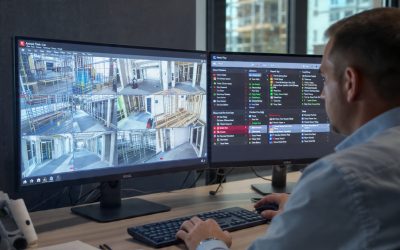
Enhanced video analytics is another area where CCTV technology has made significant strides. Modern systems are equipped with advanced algorithms that can perform real-time analysis of video feeds, providing users with valuable insights into their surroundings. For example, these analytics can track the movement of individuals within a designated area, alerting security personnel if someone enters a restricted zone or behaves suspiciously.
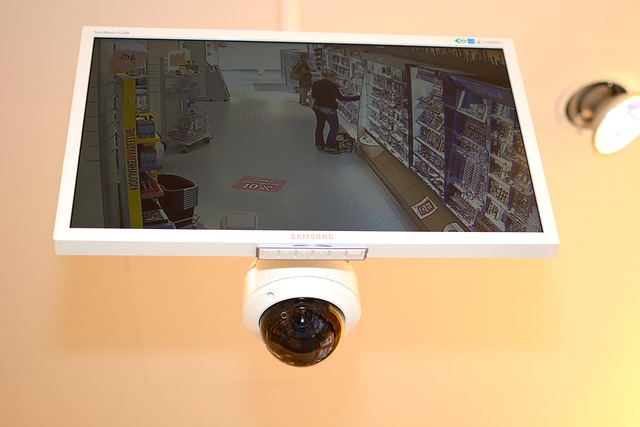
Object recognition capabilities have also improved dramatically, allowing CCTV systems to identify specific items or individuals within a scene. This technology can be particularly useful in retail environments, where it can help prevent theft by alerting staff when suspicious behavior is detected. Additionally, object recognition can assist in managing inventory by tracking products as they move through a store.
The ability to analyze video feeds in real-time not only enhances security but also provides businesses with actionable data that can inform operational decisions.
Improved Low-Light and Night Vision Capabilities
The effectiveness of CCTV systems is often challenged by low-light conditions or complete darkness. However, recent innovations have led to significant improvements in low-light and night vision capabilities. Modern cameras are equipped with advanced sensors that can capture clear images even in minimal lighting conditions.
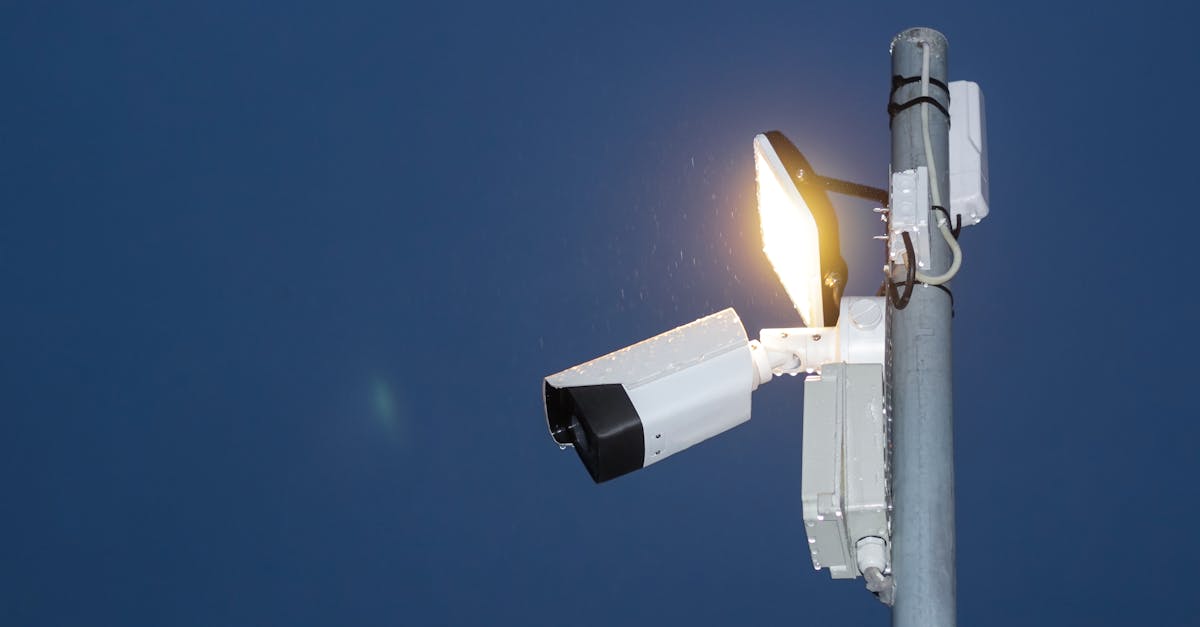
Technologies such as infrared (IR) illumination allow cameras to produce high-quality footage at night without disturbing the environment. These advancements are particularly beneficial for outdoor surveillance applications, where lighting conditions can vary significantly throughout the day. With improved night vision capabilities, security personnel can monitor areas around the clock, ensuring that potential threats are detected regardless of the time of day.
This level of vigilance is crucial for both residential properties and commercial establishments, where security is paramount.
Expansion of Cloud-Based Video Storage and Management
The shift towards cloud-based solutions has transformed how video surveillance data is stored and managed. Traditional CCTV systems often relied on local storage devices, which could be vulnerable to theft or damage. In contrast, cloud-based storage offers a secure and scalable solution for retaining video footage.
Users can access their data from anywhere with an internet connection, making it easier to monitor live feeds or review recorded footage on-the-go. Additionally, cloud-based management platforms often come equipped with advanced features such as remote access, automated backups, and enhanced security protocols. This means that users can rest assured that their data is safe while enjoying the convenience of accessing their surveillance system from any device.
The expansion of cloud-based solutions has made it possible for businesses and homeowners to implement comprehensive security measures without the limitations associated with traditional storage methods.
Development of Thermal Imaging and Infrared Technology
Thermal imaging technology has emerged as a game-changer in the field of surveillance. Unlike traditional cameras that rely on visible light, thermal imaging cameras detect heat emitted by objects and individuals, allowing them to capture images in complete darkness or through obscurants like smoke or fog. This capability makes thermal imaging an invaluable tool for security applications where visibility is compromised.
The development of infrared technology has further enhanced the effectiveness of thermal imaging systems. These cameras can provide clear images even in challenging environmental conditions, making them ideal for monitoring perimeters or critical infrastructure. As a result, businesses and homeowners can benefit from an additional layer of security that traditional cameras cannot offer, ensuring comprehensive protection against potential threats.
Implementation of Facial Recognition and Biometric Identification
Facial recognition technology has gained significant traction in recent years as a powerful tool for enhancing security measures. By analyzing facial features and comparing them against databases of known individuals, CCTV systems equipped with facial recognition capabilities can identify persons of interest quickly and accurately. This technology has been adopted across various sectors, including retail, transportation, and law enforcement.
Biometric identification extends beyond facial recognition to include other forms of identification such as fingerprints or iris scans. The implementation of these technologies within CCTV systems allows for more secure access control measures, ensuring that only authorized individuals can enter restricted areas. As privacy concerns continue to rise, it is essential for organizations to implement these technologies responsibly while balancing security needs with individual rights.
Adoption of 360-Degree and Panoramic Cameras
The adoption of 360-degree and panoramic cameras has revolutionized how surveillance is conducted in both residential and commercial settings. These cameras provide an expansive field of view, allowing users to monitor large areas without the need for multiple devices. With the ability to capture images from all angles, 360-degree cameras eliminate blind spots that traditional cameras may miss.
Moreover, many modern panoramic cameras come equipped with advanced features such as digital pan-tilt-zoom (PTZ) capabilities, enabling users to focus on specific areas within the captured footage without sacrificing image quality. This versatility makes them ideal for various applications, from monitoring parking lots to securing large retail spaces. The adoption of these innovative camera types enhances overall security by providing comprehensive coverage while reducing the need for extensive camera installations.
Utilization of Drones for Aerial Surveillance
The utilization of drones for aerial surveillance represents a significant advancement in security technology. Drones equipped with high-resolution cameras can cover vast areas quickly and efficiently, providing real-time aerial footage that enhances situational awareness. This capability is particularly beneficial for monitoring large outdoor events or securing expansive properties where traditional ground-based cameras may be insufficient.
Drones also offer unique advantages such as flexibility and mobility; they can be deployed rapidly in response to incidents or emergencies. Additionally, many modern drones come equipped with advanced features such as thermal imaging capabilities or automated flight paths, further enhancing their effectiveness as surveillance tools. As drone technology continues to evolve, we can expect to see even more innovative applications within the realm of security.
Future Trends and Predictions in Video Surveillance Technology
As we look ahead to the future of video surveillance technology, several trends are poised to shape its evolution further. One notable trend is the continued integration of AI and machine learning into surveillance systems, leading to even more sophisticated analytics capabilities. As these technologies advance, we can expect CCTV systems to become increasingly autonomous, capable of making real-time decisions based on data analysis.
Another trend is the growing emphasis on cybersecurity within video surveillance systems. As more devices become interconnected through the Internet of Things (IoT), ensuring the security of these systems against cyber threats will be paramount. Manufacturers will need to prioritize robust encryption methods and secure communication protocols to protect sensitive data from unauthorized access.
Additionally, as privacy concerns continue to rise among consumers and regulatory bodies alike, there will be an increased focus on developing ethical guidelines for the use of surveillance technologies. Striking a balance between security needs and individual privacy rights will be crucial as we navigate this evolving landscape. In conclusion, the innovations in CCTV technology have transformed how we approach security in both residential and commercial settings.
From advancements in video quality to the integration of AI and machine learning, these developments are enhancing our ability to monitor environments effectively while providing valuable insights into potential threats. As we continue to embrace new technologies such as drones and thermal imaging, it is clear that the future of video surveillance holds exciting possibilities for improving safety and security across various sectors.
In the realm of video surveillance technology, the article “CCTV Innovations: What’s Next in Video Surveillance Technology” explores the latest advancements that are shaping the future of security systems. For those interested in enhancing their home security, a related article titled The Latest Innovations in Home Security provides valuable insights into cutting-edge solutions that complement modern CCTV systems. This resource highlights how integrating new technologies can significantly improve safety and monitoring capabilities in residential settings.