


Cloud CCTV Management: Checking Multiple Venue Feeds From Anywhere
In an era where technology is rapidly evolving, the need for effective security solutions has never been more pressing. Cloud CCTV management has emerged as a revolutionary approach to surveillance, offering businesses and homeowners alike a modern way to monitor their properties. Unlike traditional CCTV systems that rely on local storage and hardware, cloud-based solutions leverage the power of the internet to store, manage, and access video footage remotely. This shift not only enhances the efficiency of security operations but also provides users with unprecedented flexibility and control over their surveillance systems.
The transition to cloud CCTV management signifies a broader trend towards digitalization in security practices. As threats to safety become more sophisticated, so too must our methods of protection. Cloud CCTV management allows for real-time monitoring and instant access to footage from anywhere in the world, making it an invaluable tool for both residential and commercial security. With the ability to integrate with other security systems and provide remote alerts, cloud CCTV management is redefining how we think about surveillance and safety.
For those interested in enhancing their understanding of cloud CCTV management and the benefits of monitoring multiple venue feeds from anywhere, a related article that provides valuable insights is available. It discusses the differences between wired and wireless business security systems, which can significantly impact your decision-making process when setting up a comprehensive surveillance solution. You can read more about it here: Comparing Business Security Systems: Wired vs Wireless.
Benefits of Cloud CCTV Management
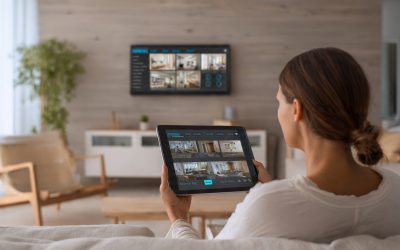
One of the most significant advantages of cloud CCTV management is its accessibility. Users can view live feeds and recorded footage from their cameras on any device with internet connectivity, whether it be a smartphone, tablet, or computer. This level of accessibility ensures that property owners can keep an eye on their premises at all times, providing peace of mind whether they are at home or away. Furthermore, cloud storage eliminates the need for physical storage devices, reducing the risk of data loss due to hardware failure or theft.
Another key benefit is the scalability that cloud CCTV management offers. As businesses grow or as security needs change, users can easily add more cameras or upgrade their existing systems without the need for extensive rewiring or additional hardware. This flexibility allows organizations to adapt their security measures in real-time, ensuring that they are always equipped to handle emerging threats. Additionally, many cloud CCTV providers offer subscription-based pricing models, making it easier for users to manage their budgets while still receiving top-notch security services.
How Cloud CCTV Management Works
Cloud CCTV management operates by transmitting video footage from cameras directly to a secure cloud server via the internet. This process begins with the installation of IP cameras that are capable of connecting to the internet. Once installed, these cameras capture video data and send it to the cloud for storage and processing. Users can then access this footage through a web-based interface or mobile application, allowing for seamless monitoring and management.
The technology behind cloud CCTV management relies on advanced encryption protocols to ensure that video data remains secure during transmission and storage. This means that even if unauthorized individuals attempt to access the footage, they will be met with robust security measures designed to protect sensitive information. Additionally, many cloud providers offer features such as motion detection and automated alerts, further enhancing the functionality of the system.
Accessing Multiple Venue Feeds from Anywhere

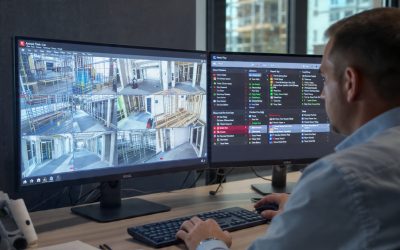
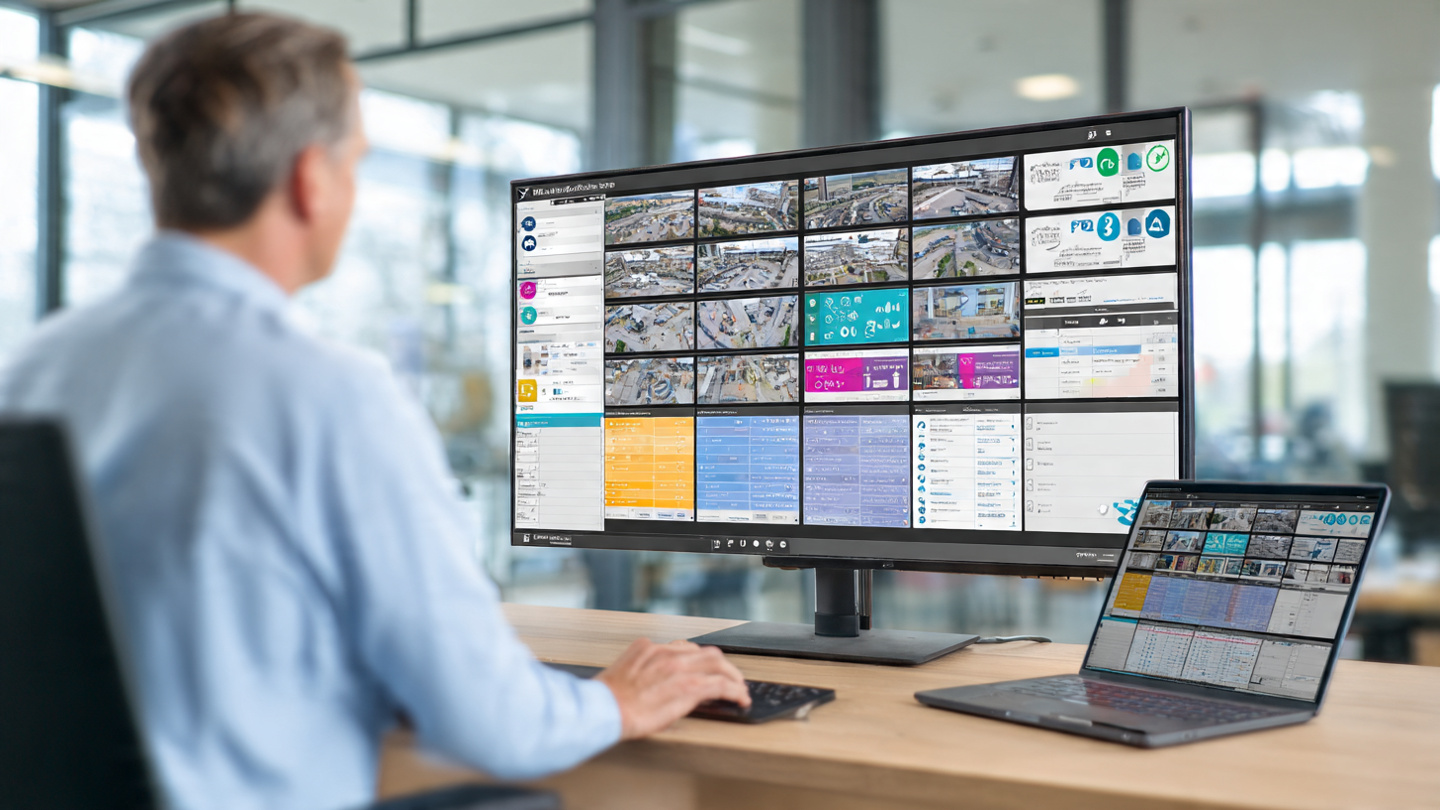
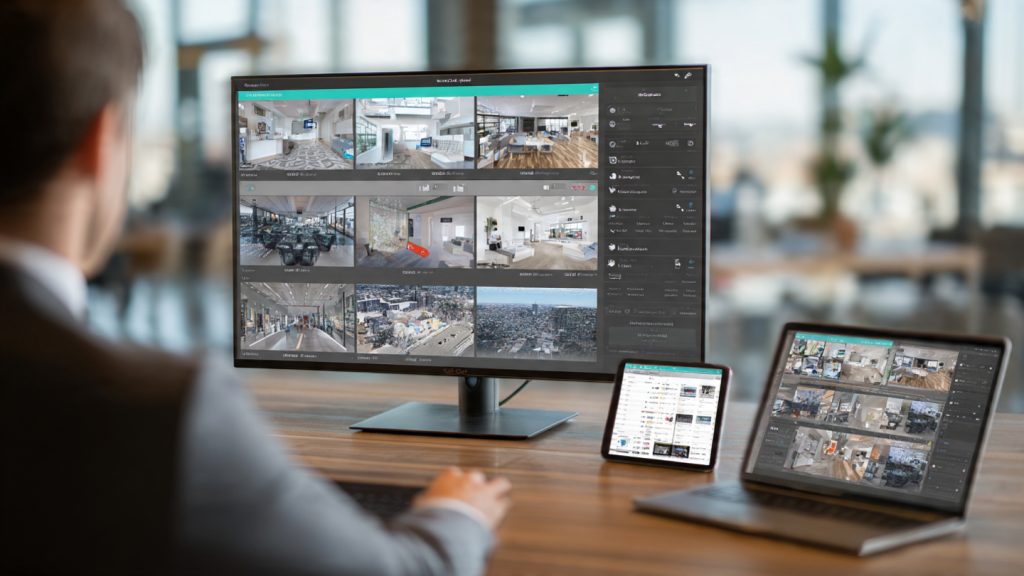
One of the standout features of cloud CCTV management is the ability to access multiple venue feeds from a single platform. For businesses with multiple locations or for homeowners with several properties, this capability is invaluable. Users can switch between different camera feeds with ease, allowing them to monitor various sites simultaneously without the need for separate systems or interfaces.
This centralized access not only streamlines security management but also enhances situational awareness. For instance, a business owner can monitor all their retail locations in real-time from a single dashboard, enabling them to respond quickly to any incidents that may arise. Similarly, homeowners can keep an eye on multiple properties while traveling, ensuring that they remain informed about their security status no matter where they are in the world.
In the realm of cloud CCTV management, the ability to check multiple venue feeds from anywhere has revolutionized security monitoring. This technology not only enhances surveillance capabilities but also allows for seamless integration with other security systems. For those interested in understanding the broader implications of security management, an insightful article discusses the pros and cons of active back-to-base alarm monitoring in Sydney. You can read more about it here. By exploring these topics, businesses can make informed decisions about their security strategies.
Security and Privacy Considerations
| Metric | Description | Typical Value | Importance |
|---|---|---|---|
| Number of Venue Feeds | Total CCTV camera feeds monitored across multiple venues | 10 – 100+ | High |
| Latency | Time delay between live feed capture and viewing remotely | 1 – 3 seconds | High |
| Uptime | Percentage of time the cloud CCTV system is operational | 99.9% | Critical |
| Storage Capacity | Cloud storage allocated for video footage retention | 1 TB – 100 TB | Medium |
| Video Resolution | Quality of video feed (e.g., 720p, 1080p, 4K) | 1080p | High |
| Access Devices | Number and types of devices supported for remote viewing | Smartphones, Tablets, PCs | High |
| Concurrent Users | Number of users who can access feeds simultaneously | 5 – 50 | Medium |
| Bandwidth Usage | Average data consumption per feed for streaming | 2 – 6 Mbps per feed | High |
| Security Features | Encryption, multi-factor authentication, and access control | Enabled | Critical |
| Alert Response Time | Time taken to notify users of detected events or anomalies | Under 30 seconds | High |
While cloud CCTV management offers numerous benefits, it also raises important security and privacy considerations that users must address. The reliance on internet connectivity means that systems can be vulnerable to cyberattacks if not properly secured. To mitigate these risks, it is essential for users to choose reputable cloud service providers that implement strong encryption protocols and regularly update their security measures.
Privacy is another critical concern when it comes to surveillance systems. Users must be mindful of where cameras are placed and ensure that they do not infringe on the privacy rights of others. This includes being aware of local laws and regulations regarding surveillance and obtaining consent when necessary. By taking these considerations into account, users can enjoy the benefits of cloud CCTV management while maintaining ethical standards and protecting their privacy.
In the realm of modern security solutions, effective cloud CCTV management is essential for monitoring multiple venue feeds from anywhere, ensuring that businesses can maintain a vigilant eye on their properties. A related article that delves into the intricacies of security systems is available at what to expect during installation, which provides valuable insights into the setup process for back-to-base alarms. This information complements the understanding of cloud-based systems, highlighting the importance of seamless integration and reliable monitoring in today’s security landscape.
Integration with Other Security Systems
Don’t sacrifice safety for smarts when choosing a security system for your smart home.
Cloud CCTV management systems can be seamlessly integrated with other security solutions, creating a comprehensive security ecosystem tailored to specific needs. For instance, businesses can connect their CCTV systems with alarm systems, access control measures, and even environmental sensors to create a holistic approach to safety. This integration allows for enhanced monitoring capabilities and streamlined responses to potential threats.
Moreover, integrating cloud CCTV with other security systems enables users to automate certain processes. For example, if a motion detector triggers an alarm, the connected CCTV system can automatically start recording and send alerts to designated personnel. This level of automation not only improves response times but also reduces the likelihood of human error during critical situations.

Remote Monitoring and Alerts
Remote monitoring is one of the most compelling features of cloud CCTV management. Users can receive real-time alerts on their mobile devices whenever motion is detected or when specific events occur within their monitored areas. This immediate notification system empowers users to take swift action in response to potential threats, whether that means contacting law enforcement or investigating the situation themselves.
Additionally, remote monitoring allows users to review footage on-demand, providing them with valuable insights into daily operations or incidents that may have occurred. This capability is particularly beneficial for businesses looking to enhance operational efficiency or for homeowners wanting to keep track of activities around their property. The combination of remote access and alert systems ensures that users remain informed and proactive in managing their security.
Scalability and Flexibility
Scalability is a hallmark feature of cloud CCTV management that sets it apart from traditional surveillance systems. As businesses expand or as security needs evolve, users can easily add new cameras or upgrade existing ones without significant disruptions or costs associated with physical infrastructure changes. This flexibility allows organizations to adapt their security measures in real-time, ensuring they are always equipped to handle emerging threats.
Moreover, cloud-based solutions often come with tiered service plans that allow users to choose the level of service that best fits their needs and budget. Whether a small business requires just a few cameras or a large corporation needs an extensive network of surveillance equipment, cloud CCTV management can accommodate varying requirements without compromising quality or performance.
Cost-Effectiveness of Cloud CCTV Management
Cost-effectiveness is another significant advantage of cloud CCTV management compared to traditional systems. With cloud solutions, there is no need for expensive hardware installations or ongoing maintenance costs associated with physical storage devices. Instead, users typically pay a subscription fee that covers storage, software updates, and technical support.
Additionally, the ability to scale services as needed means that businesses can avoid overspending on unnecessary equipment or features. This pay-as-you-go model allows organizations to allocate resources more efficiently while still benefiting from advanced security technologies. In many cases, the long-term savings associated with cloud CCTV management can far outweigh initial investments in traditional systems.
Case Studies and Success Stories
Numerous organizations have successfully implemented cloud CCTV management solutions to enhance their security measures and improve operational efficiency. For instance, a retail chain with multiple locations adopted a cloud-based surveillance system that allowed them to monitor all stores from a centralized platform. As a result, they were able to reduce theft by 30% within the first year due to improved visibility and quicker response times.
Similarly, a residential community implemented cloud CCTV management as part of their overall security strategy. By installing IP cameras throughout common areas and integrating them with existing alarm systems, residents reported feeling significantly safer in their homes. The community’s proactive approach not only deterred criminal activity but also fostered a sense of camaraderie among residents who felt empowered by their enhanced security measures.
Tips for Choosing a Cloud CCTV Management Provider
When selecting a cloud CCTV management provider, it is essential to consider several factors to ensure you choose a solution that meets your specific needs. First and foremost, evaluate the provider’s reputation and track record in the industry. Look for customer reviews and case studies that demonstrate their ability to deliver reliable services.
Additionally, assess the features offered by different providers. Ensure that they provide robust encryption protocols for data security, as well as user-friendly interfaces for easy access and management of footage. It is also wise to inquire about customer support options and whether they offer training resources for users unfamiliar with cloud technology.
Finally, consider scalability options when choosing a provider. Ensure that they can accommodate your future growth needs without requiring significant changes or additional investments in hardware. By taking these factors into account, you can select a cloud CCTV management provider that aligns with your security goals and provides peace of mind for years to come.
In conclusion, cloud CCTV management represents a significant advancement in surveillance technology that offers numerous benefits for both residential and commercial users alike. With its accessibility, scalability, integration capabilities, and cost-effectiveness, it is no wonder that more individuals and organizations are making the switch from traditional systems to cloud-based solutions. By understanding how these systems work and considering key factors when choosing a provider, users can enhance their security measures while enjoying greater flexibility and control over their surveillance operations.