




Enhancing Security with Access Control Systems
Access control systems are essential components of modern security infrastructure, designed to regulate who can enter or exit a specific area. These systems serve as the first line of defense against unauthorized access, ensuring that only individuals with the appropriate permissions can gain entry. The concept of access control is not new; it has evolved over time from simple locks and keys to sophisticated electronic systems that utilize biometric data, smart cards, and mobile technology.
Understanding the intricacies of these systems is crucial for businesses and homeowners alike, as they play a pivotal role in safeguarding assets and ensuring safety. At their core, access control systems are built on the principles of authentication and authorization. Authentication verifies the identity of an individual attempting to gain access, while authorization determines whether that individual has the right to enter a particular area.
This dual-layered approach enhances security by ensuring that even if someone manages to bypass one layer, they still face another barrier. As technology continues to advance, access control systems are becoming increasingly versatile, allowing for seamless integration with other security measures and providing real-time monitoring capabilities. Please SECURE YOUR Smart Home with the latest technology for ultimate protection.
Key Takeaways
- Access control systems regulate who can enter or access resources, enhancing security and management.
- Common types include discretionary, mandatory, role-based, and biometric access control systems.
- Benefits include improved security, audit trails, convenience, and reduced risk of unauthorized access.
- Key components involve access control devices, authentication methods, control panels, and software.
- Future trends focus on AI integration, cloud-based solutions, and enhanced biometric technologies.
Types of Access Control Systems
Access control systems can be broadly categorized into three main types: discretionary access control (DAC), mandatory access control (MAC), and role-based access control (RBAC). Discretionary access control allows the owner of a resource to determine who can access it, providing flexibility but also introducing potential vulnerabilities if not managed properly. In contrast, mandatory access control enforces strict policies set by an organization, limiting user permissions based on predefined criteria.
This type of system is often used in environments where security is paramount, such as government facilities or military installations. Role-based access control is gaining popularity in various sectors due to its efficiency and ease of management. In RBAC, access rights are assigned based on the roles individuals hold within an organization.
This means that employees in similar positions will have the same level of access, streamlining the process of managing permissions as personnel changes occur. Additionally, there are also biometric access control systems that utilize unique physical characteristics, such as fingerprints or facial recognition, to grant access. These systems offer a high level of security and are increasingly being adopted in both residential and commercial settings.
Benefits of Access Control Systems
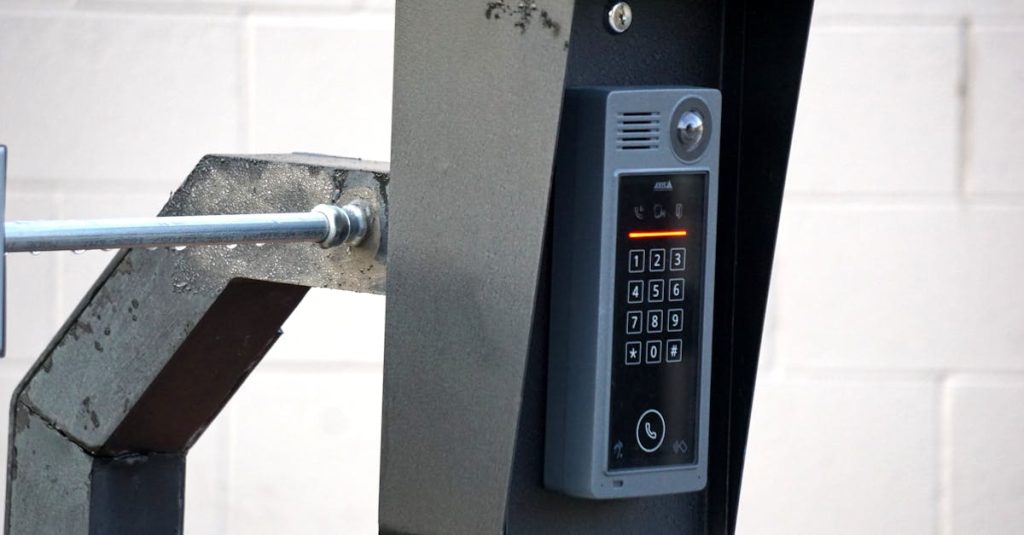
The implementation of access control systems brings numerous benefits to organizations and individuals alike. One of the most significant advantages is enhanced security. By restricting access to sensitive areas, these systems help prevent unauthorized entry and protect valuable assets from theft or damage.
Furthermore, access control systems can provide detailed logs of who accessed specific areas and when, which can be invaluable for investigations following security breaches or incidents. Another key benefit is the convenience that modern access control systems offer. Traditional keys can be easily lost or duplicated, leading to potential security risks.
In contrast, electronic access control solutions allow for easy reprogramming and management of access rights without the need for physical key replacements. This flexibility is particularly beneficial for businesses with fluctuating staff levels or those that frequently host visitors. Additionally, many modern systems can be integrated with mobile devices, enabling users to unlock doors with their smartphones or receive alerts about unauthorized access attempts.
Key Components of Access Control Systems
Access control systems consist of several key components that work together to ensure effective security management. The primary elements include access control panels, readers, locks, and software. The access control panel serves as the central hub for the system, processing data from various components and making decisions about granting or denying access.
Readers are devices that authenticate users by scanning credentials such as key cards or biometric data. Locks can be electronic or mechanical and are responsible for physically securing entry points. Software plays a crucial role in managing the entire system, allowing administrators to configure settings, monitor activity logs, and generate reports.
This software can often be accessed remotely, providing flexibility for system management from anywhere with an internet connection. Additionally, many modern access control systems incorporate cloud-based solutions, enabling real-time updates and scalability as organizational needs evolve. By understanding these components and how they interact, businesses can make informed decisions about their security infrastructure.
Implementing Access Control Systems
Implementing an access control system requires careful planning and consideration of various factors to ensure its effectiveness. The first step is conducting a thorough risk assessment to identify vulnerabilities within the premises and determine which areas require restricted access. This assessment should involve evaluating the layout of the facility, identifying high-risk zones, and understanding the flow of personnel throughout the space.
Once the assessment is complete, organizations can select the appropriate type of access control system based on their specific needs and budget. Factors such as the size of the facility, the number of users, and the level of security required will influence this decision. After selecting a system, installation should be carried out by qualified professionals to ensure proper functionality and integration with existing security measures.
Training staff on how to use the system effectively is also essential for maximizing its benefits and ensuring compliance with security protocols.
Best Practices for Access Control Systems

To maximize the effectiveness of access control systems, organizations should adhere to several best practices. Regularly updating user permissions is crucial to maintaining security; as employees leave or change roles within an organization, their access rights should be promptly adjusted to reflect their current status. Additionally, implementing a robust password policy for electronic systems can help prevent unauthorized access through compromised credentials.
Another best practice involves conducting routine audits of the access control system to identify any potential weaknesses or areas for improvement. These audits should include reviewing activity logs for unusual patterns or unauthorized attempts at entry. Furthermore, organizations should consider incorporating multi-factor authentication (MFA) into their systems for an added layer of security.
MFA requires users to provide two or more verification factors before gaining access, significantly reducing the risk of unauthorized entry.
Integrating Access Control Systems with Other Security Measures
Integrating access control systems with other security measures can create a comprehensive security strategy that enhances overall protection. For instance, combining access control with video surveillance allows organizations to monitor entry points in real-time while maintaining a record of who accessed specific areas. This integration not only deters potential intruders but also provides valuable evidence in case of incidents.
Additionally, integrating alarm systems with access control can further bolster security efforts. In the event of unauthorized access attempts or breaches, alarms can be triggered automatically, alerting security personnel or law enforcement immediately. Furthermore, many modern security solutions offer centralized management platforms that allow organizations to oversee all security measures from a single interface, streamlining operations and improving response times.
Future Trends in Access Control Systems
As technology continues to advance at a rapid pace, several trends are emerging in the field of access control systems that promise to reshape how organizations approach security. One notable trend is the increasing adoption of cloud-based solutions, which offer scalability and flexibility while reducing the need for on-site hardware maintenance. Cloud-based systems enable real-time updates and remote management capabilities, making them an attractive option for businesses looking to enhance their security infrastructure.
Another trend is the growing use of artificial intelligence (AI) in access control systems. AI-powered solutions can analyze data patterns to identify potential threats proactively and improve decision-making processes regarding access permissions. Additionally, advancements in biometric technology are making these systems more reliable and user-friendly than ever before.
As facial recognition and fingerprint scanning become more sophisticated, organizations can expect higher levels of accuracy and security in their access control measures. In conclusion, understanding and implementing effective access control systems is vital for safeguarding assets and ensuring safety in both residential and commercial environments. By recognizing the various types of systems available, their benefits, key components, and best practices for implementation, organizations can create tailored solutions that meet their unique security needs while staying ahead of future trends in technology.
Access control systems are essential for enhancing security in both residential and commercial properties. They provide a robust mechanism to manage who can enter specific areas, ensuring that only authorized personnel have access. For a deeper understanding of how security systems can protect your business from modern threats, you can read more in this related article: How Business Security Systems Protect Your Company from Modern Threats.