



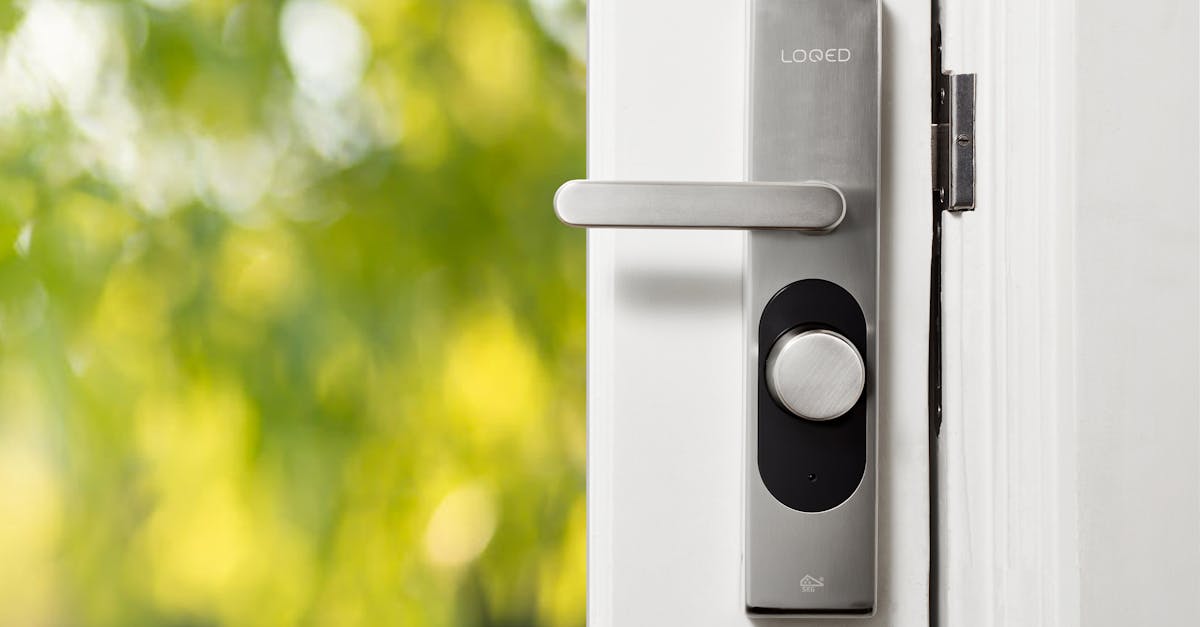
Door Access Control Systems
Door access control is a critical component of modern security systems, designed to regulate who can enter or exit a building or specific areas within it. This system is essential for protecting sensitive information, valuable assets, and ensuring the safety of individuals within a facility. At its core, door access control involves the use of various technologies and protocols to manage entry points, allowing authorized personnel to gain access while keeping unauthorized individuals at bay.
The evolution of access control has been driven by the need for enhanced security measures in both residential and commercial settings, as well as the growing complexity of security threats. The concept of door access control extends beyond mere physical barriers; it encompasses a range of technologies and methodologies that work together to create a secure environment. Traditional lock-and-key systems have largely been replaced by electronic access control systems that offer greater flexibility and convenience.
These systems can be integrated with other security measures, such as surveillance cameras and alarm systems, to provide a comprehensive security solution. As businesses and homeowners increasingly recognize the importance of safeguarding their premises, understanding the fundamentals of door access control becomes paramount. Secure your smart home with the latest technology by visiting SECURE YOUR Smart Home today.
Key Takeaways
- Door access control systems regulate entry to secure areas using various technologies like keycards, biometrics, and PIN codes.
- Different types include mechanical locks, electronic locks, biometric systems, and mobile access solutions.
- Benefits include enhanced security, controlled access, audit trails, and convenience for users.
- Key factors in choosing a system involve security needs, environment, scalability, and integration capabilities.
- Future trends point to increased use of AI, cloud-based management, and seamless integration with other smart security systems.
Types of Door Access Control Systems
There are several types of door access control systems available, each designed to meet specific security needs and operational requirements. One of the most common types is the electronic keycard system, which utilizes plastic cards embedded with magnetic stripes or RFID technology. Users simply swipe or tap their card against a reader to gain access.
This system is popular in commercial settings due to its ease of use and ability to track entry and exit logs. Another prevalent type is biometric access control, which employs unique physical characteristics such as fingerprints, facial recognition, or iris scans to grant access. Biometric systems offer a high level of security since they are difficult to replicate or forge.
They are particularly useful in environments where sensitive information is stored or where high-security measures are necessary, such as government buildings or research facilities. Additionally, mobile access control systems are gaining traction, allowing users to unlock doors using their smartphones through Bluetooth or NFC technology. This innovation not only enhances convenience but also aligns with the growing trend of digitalization in security solutions.
Benefits of Door Access Control Systems

Implementing a door access control system offers numerous benefits that extend beyond mere security. One of the primary advantages is the enhanced ability to monitor and manage access to various areas within a facility. With detailed logs of who entered and exited at specific times, organizations can maintain accountability and track employee movements.
This feature is particularly valuable in workplaces where sensitive information is handled, as it allows for quick identification of potential security breaches. Moreover, door access control systems can significantly reduce the risk of unauthorized access. Unlike traditional locks that can be picked or duplicated, electronic systems provide a higher level of protection against intruders.
In the event of a lost or stolen keycard, for instance, the card can be easily deactivated without the need to change locks throughout the building. This not only saves time and money but also enhances overall safety for employees and visitors alike. Additionally, many modern systems offer remote management capabilities, allowing administrators to grant or revoke access from anywhere, further streamlining security operations.
Factors to Consider When Choosing a Door Access Control System
When selecting a door access control system, several factors must be taken into account to ensure that it meets the specific needs of the environment in which it will be implemented. First and foremost, organizations should assess their security requirements based on the nature of their operations and the level of risk they face. For instance, a high-security facility may require biometric systems, while a small office might find keycard systems sufficient.
Another critical consideration is scalability. As businesses grow and evolve, their security needs may change as well. Therefore, it is essential to choose a system that can be easily expanded or upgraded without significant disruption.
Additionally, compatibility with existing security infrastructure should be evaluated; integrating new access control systems with current surveillance cameras or alarm systems can enhance overall effectiveness and streamline operations.
Implementing Door Access Control in Different Environments
The implementation of door access control systems varies significantly across different environments, each presenting unique challenges and requirements. In commercial settings such as offices or retail spaces, the focus is often on balancing security with convenience for employees and customers. For instance, businesses may opt for keycard systems that allow employees to access multiple areas while restricting customer entry to certain zones.
Additionally, integrating visitor management features can enhance security by ensuring that guests are logged and monitored during their stay. In residential environments, door access control systems can provide homeowners with peace of mind by allowing them to monitor who enters their property. Smart locks that can be controlled via smartphone apps enable homeowners to grant temporary access to service providers or guests without needing to be physically present.
Furthermore, these systems can be integrated with home automation features, allowing for seamless control over lighting and alarms when doors are accessed.
Integrating Door Access Control with Other Security Measures

To maximize security effectiveness, door access control systems should not operate in isolation but rather be integrated with other security measures. Surveillance cameras play a crucial role in this integration by providing visual monitoring of entry points and recording any suspicious activity. When combined with access control systems, organizations can create a comprehensive security network that not only restricts entry but also captures evidence in case of an incident.
Alarm systems are another vital component that can enhance door access control measures. For example, if an unauthorized attempt to breach a door is detected, an alarm can be triggered to alert security personnel or law enforcement immediately. Additionally, integrating access control with fire safety systems ensures that emergency exits remain accessible during crises while still maintaining security protocols under normal circumstances.
Common Challenges and Solutions in Door Access Control
Despite the numerous benefits associated with door access control systems, organizations may encounter challenges during implementation and operation. One common issue is user resistance to new technology; employees may feel uncomfortable adapting to electronic systems after years of using traditional locks. To address this challenge, organizations should invest in comprehensive training programs that educate users on the benefits and functionalities of the new system.
Another challenge lies in maintaining system integrity over time. As technology evolves rapidly, outdated systems may become vulnerable to cyber threats or malfunctions. Regular maintenance and updates are essential to ensure that door access control systems remain secure and functional.
Organizations should establish protocols for routine checks and consider partnering with professional security providers like Alpha Security Corp, which offers services such as installation, programming, commissioning, and maintenance of security systems tailored to meet specific needs.
Future Trends in Door Access Control Technology
The future of door access control technology is poised for significant advancements driven by innovations in artificial intelligence (AI), machine learning, and the Internet of Things (IoT). AI-powered systems will enable more sophisticated threat detection capabilities by analyzing patterns in user behavior and identifying anomalies that may indicate potential security breaches. This proactive approach will enhance overall safety by allowing organizations to respond swiftly to emerging threats.
Moreover, as IoT devices become increasingly prevalent in both residential and commercial settings, door access control systems will likely integrate seamlessly with other smart technologies. For instance, smart locks could communicate with home automation systems to adjust lighting or temperature based on occupancy levels detected through access logs. This interconnectedness will not only improve security but also enhance user experience by creating more efficient environments.
In conclusion, understanding door access control is essential for safeguarding premises against unauthorized entry while providing convenience for authorized users. With various types of systems available and numerous benefits associated with their implementation, organizations must carefully consider their specific needs when selecting an appropriate solution. By integrating door access control with other security measures and addressing common challenges proactively, businesses can create a robust security framework that adapts to future trends in technology.
When considering door access control systems, it’s essential to understand the broader context of home security. Upgrading your home security system can significantly enhance your overall safety and peace of mind. For more insights on this topic, you can read about the importance of upgrading your security measures in this article: Do You Need to Upgrade Your Home Security System?.