



Event Access Control: Wristbands, Credentials and Restricted Zones
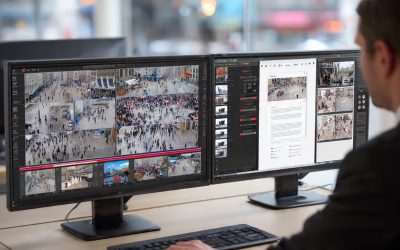
In the realm of event management, access control is a critical component that ensures the safety and security of attendees, staff, and assets. The importance of event access control cannot be overstated, as it serves as the first line of defense against unauthorized entry and potential disruptions. By implementing effective access control measures, event organizers can create a secure environment that fosters a positive experience for all participants. This is particularly vital in large gatherings where the risk of overcrowding, theft, or other security breaches can escalate quickly.
Moreover, access control plays a significant role in managing the flow of people within an event. It allows organizers to monitor attendance, enforce capacity limits, and ensure that only authorized individuals gain entry to specific areas. This not only enhances security but also helps maintain order and organization throughout the event. In an age where safety concerns are paramount, having robust access control measures in place is essential for building trust with attendees and ensuring the overall success of the event.
Event access control is a crucial aspect of managing large gatherings, ensuring that only authorized individuals can enter restricted zones. For a deeper understanding of the various methods and technologies used in access control, including wristbands and credentials, you can explore this related article on the topic. It provides valuable insights into how effective access management can enhance security and streamline event operations. For more information, visit this article on access control.
Types of Access Control Measures

Access control measures can be broadly categorized into several types, each designed to address specific security needs and scenarios. One of the most common forms is physical access control, which includes barriers such as gates, turnstiles, and security personnel stationed at entry points. These measures serve as a deterrent to unauthorized individuals and provide a visible security presence that can help prevent potential incidents.
Another type of access control is electronic access control, which utilizes technology to manage entry points. This can include keycard systems, biometric scanners, and mobile access solutions that allow for seamless entry while maintaining high levels of security. Electronic systems often come with the added benefit of real-time monitoring and reporting capabilities, enabling event organizers to track attendance and identify any security breaches as they occur. By combining both physical and electronic measures, event planners can create a comprehensive access control strategy that addresses various security challenges.
Wristbands: A Popular Access Control Solution

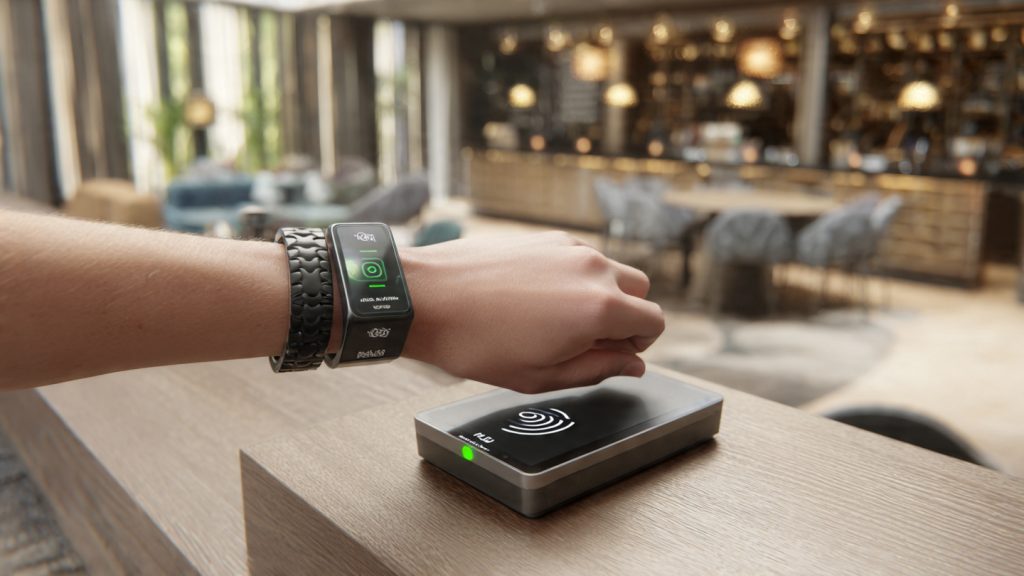
Wristbands have emerged as a popular solution for access control at events due to their versatility and ease of use. These bands can be customized to reflect the branding of the event while serving a functional purpose in managing entry and movement within the venue. Made from durable materials, wristbands can be designed to be tamper-proof, ensuring that they cannot be easily removed or transferred between individuals.
One of the key advantages of using wristbands is their ability to streamline the check-in process. Attendees can receive their wristbands upon arrival, allowing for quick and efficient entry without the need for lengthy verification procedures. This not only enhances the attendee experience but also reduces congestion at entry points, allowing for a smoother flow of people into the event. Additionally, wristbands can be color-coded or embedded with RFID technology to grant access to specific areas or activities within the venue, further enhancing security measures.
Credentials: Providing Secure Access to Event Attendees

Credentials are another essential aspect of event access control, providing a means for organizers to verify the identity of attendees and grant them appropriate access levels. These credentials can take various forms, including badges, passes, or digital tickets that contain unique identifiers linked to each individual. By issuing credentials that are difficult to replicate or forge, event organizers can significantly reduce the risk of unauthorized access.
The use of credentials also allows for better management of VIPs or special guests who may require additional security measures. By issuing distinct credentials for these individuals, organizers can ensure that they receive the necessary attention and protection throughout the event. Furthermore, credentials can be integrated with technology such as QR codes or barcodes, enabling quick scanning at entry points for efficient verification. This not only enhances security but also improves the overall attendee experience by minimizing wait times.
In the realm of event management, ensuring secure access control is crucial for maintaining safety and organization. A related article discusses the top features of commercial alarm systems that can enhance overall business protection, which can be particularly beneficial for events requiring strict access protocols. By integrating advanced security measures, such as wristbands and credentials, event organizers can effectively manage restricted zones and monitor attendee movement. For more insights on enhancing security measures, you can read the article on commercial alarm systems here.
Restricted Zones: Enhancing Event Security

Implementing restricted zones within an event venue is a crucial strategy for enhancing security and ensuring that sensitive areas remain protected. These zones may include backstage areas, VIP lounges, or locations where valuable equipment is stored. By clearly defining these restricted areas and controlling access through various measures such as wristbands or credentials, event organizers can mitigate risks associated with unauthorized entry.
The presence of restricted zones also serves as a psychological deterrent for potential wrongdoers. When attendees see that certain areas are off-limits and monitored closely, they are less likely to attempt unauthorized access. Additionally, having designated security personnel stationed at these zones can further reinforce the message that security is a top priority. This layered approach to security not only protects valuable assets but also contributes to a sense of safety among attendees.
Event access control is a crucial aspect of managing large gatherings, ensuring that only authorized individuals can enter specific areas. For those looking to enhance their understanding of security measures, a related article on intercom systems can provide valuable insights into how communication technology can further bolster event security. By integrating effective intercom solutions, event organizers can streamline access management and improve overall safety. For more information, you can read about it in this article.
Implementing Access Control Measures

Enhance your peace of mind with Alpha Security Corp‘s tailored residential security systems.
The successful implementation of access control measures requires careful planning and coordination among various stakeholders involved in the event. Organizers must assess the specific security needs of their event and determine which access control solutions will be most effective in addressing those needs. This may involve conducting risk assessments to identify potential vulnerabilities and developing strategies to mitigate them.
Once the appropriate measures have been identified, it is essential to communicate these plans clearly to all staff members involved in the event. Training sessions should be conducted to ensure that everyone understands their roles and responsibilities regarding access control. Additionally, technology solutions should be tested prior to the event to ensure they function as intended and can handle the expected volume of attendees. By taking these proactive steps, organizers can create a secure environment that allows for a successful event experience.
Benefits of Using Access Control Measures

The benefits of implementing access control measures at events extend beyond just enhanced security; they also contribute to improved operational efficiency and attendee satisfaction. By controlling who enters the venue and monitoring their movements within it, organizers can better manage crowd dynamics and prevent overcrowding in specific areas. This not only enhances safety but also creates a more enjoyable experience for attendees who can navigate the venue with ease.
Furthermore, effective access control measures can help protect an event’s reputation by minimizing the risk of incidents that could lead to negative publicity. In today’s digital age, where information spreads rapidly through social media and news outlets, maintaining a secure environment is essential for preserving an organization’s credibility. By demonstrating a commitment to safety through robust access control measures, event organizers can build trust with attendees and stakeholders alike.
Considerations for Choosing the Right Access Control Solution
When selecting an access control solution for an event, several factors must be taken into consideration to ensure its effectiveness. First and foremost, organizers should evaluate the size and nature of their event to determine which measures will be most appropriate. For instance, larger events may require more sophisticated electronic systems, while smaller gatherings might benefit from simpler physical barriers.
Additionally, budget constraints play a significant role in decision-making. While it is essential to invest in quality security solutions, organizers must also balance their spending with other aspects of event planning. It is advisable to seek out providers who offer customized security services tailored to meet specific needs without compromising on quality.
Finally, it is crucial to consider the level of support provided by access control solution providers. A reliable partner should offer comprehensive customer support throughout the planning process and during the event itself. This ensures that any issues that arise can be addressed promptly and effectively, contributing to a seamless experience for both organizers and attendees.
In conclusion, effective event access control is vital for ensuring safety and security while enhancing attendee experiences. By understanding the various types of access control measures available and carefully considering their implementation, organizers can create secure environments that foster trust and satisfaction among participants. With customized solutions tailored to meet specific needs and reliable support from experienced providers like Alpha Security Corp., event planners can confidently navigate the complexities of modern event management while prioritizing safety above all else.