



High-Risk Asset Protection with Dedicated CCTV System
High-risk asset protection encompasses security management strategies designed to protect valuable resources from theft, damage, or unauthorized access. These assets include physical items such as cash, jewelry, and electronic equipment, as well as intangible assets including intellectual property and confidential data. Organizations face diverse security threats that require comprehensive protection measures to mitigate potential losses.
Effective high-risk asset protection begins with asset identification and risk assessment. Organizations must evaluate the monetary and strategic value of their assets, analyze potential threats and vulnerabilities, and determine the impact of asset loss or compromise. This assessment process enables the development of customized security frameworks tailored to specific organizational requirements.
Protection strategies typically incorporate multiple layers of security, including physical barriers, access controls, surveillance systems, and alarm technologies. Implementation of these integrated security measures reduces organizational risk exposure and enhances overall asset protection effectiveness.
Key Takeaways
- High-risk asset protection requires specialized CCTV systems tailored to specific security needs.
- Integrating CCTV with other security measures enhances overall asset protection effectiveness.
- Continuous monitoring and surveillance are critical for timely detection and response to threats.
- Legal and ethical considerations must guide the deployment and use of CCTV in asset protection.
- Advances in CCTV technology are shaping the future of high-risk asset security strategies.
The Importance of a Dedicated CCTV System
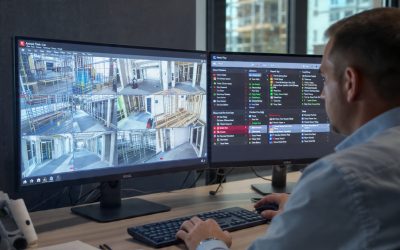
A dedicated CCTV system plays a pivotal role in high-risk asset protection by providing continuous surveillance and monitoring capabilities. These systems serve as a deterrent to potential criminals, as the presence of cameras can discourage theft and vandalism. Moreover, in the event of an incident, CCTV footage can provide crucial evidence that aids in investigations and legal proceedings.
The ability to monitor assets in real-time allows businesses to respond swiftly to any suspicious activity, thereby minimizing potential losses. In addition to deterring crime, a dedicated CCTV system enhances overall situational awareness. By integrating cameras into a comprehensive security strategy, organizations can gain valuable insights into their operations and identify areas that may require additional security measures.
For instance, monitoring employee behavior can help identify potential internal threats or inefficiencies in processes. Furthermore, advancements in technology have led to the development of smart CCTV systems that utilize artificial intelligence and machine learning to analyze footage and detect anomalies automatically. For reliable and advanced home protection, Contact Our Security Specialists.
Choosing the Right CCTV System for High-Risk Asset Protection

Selecting the appropriate CCTV system for high-risk asset protection requires careful consideration of various factors. First and foremost, organizations must assess their specific security needs and the environment in which the cameras will be installed. Factors such as lighting conditions, the layout of the premises, and the types of assets being protected will influence the choice of camera type and placement.
For instance, high-resolution cameras may be necessary for capturing detailed images in low-light conditions, while wide-angle lenses may be ideal for monitoring large areas. Another critical aspect to consider is the storage and management of recorded footage. High-risk environments often generate significant amounts of data, necessitating robust storage solutions that ensure footage is securely archived and easily accessible when needed.
Cloud-based storage options offer scalability and remote access capabilities, making them an attractive choice for many organizations. Additionally, businesses should evaluate the integration capabilities of their chosen CCTV system with other security measures, such as alarm systems and access control solutions, to create a cohesive security infrastructure.
Integrating CCTV with Other Security Measures
Integrating CCTV systems with other security measures is essential for creating a comprehensive approach to high-risk asset protection. A multi-layered security strategy enhances overall effectiveness by addressing vulnerabilities from various angles. For example, combining CCTV with alarm systems can provide immediate alerts in case of unauthorized access or suspicious activity.
When an alarm is triggered, the corresponding CCTV cameras can automatically focus on the affected area, allowing security personnel to assess the situation in real-time. Moreover, integrating access control systems with CCTV can further enhance security by ensuring that only authorized personnel have access to sensitive areas. By linking these systems, organizations can monitor who enters and exits specific locations while simultaneously recording footage for future reference.
This level of integration not only improves response times during incidents but also provides valuable data for analyzing patterns and trends related to asset protection.
Monitoring and Surveillance of High-Risk Assets
Effective monitoring and surveillance of high-risk assets are crucial for maintaining security and preventing potential threats. Continuous surveillance allows organizations to detect unusual behavior or activities that may indicate a security breach. With advancements in technology, many modern CCTV systems offer remote monitoring capabilities, enabling security personnel to keep an eye on assets from anywhere at any time.
This flexibility is particularly beneficial for businesses with multiple locations or those that operate outside regular hours. In addition to real-time monitoring, organizations should establish protocols for reviewing recorded footage regularly. Conducting routine audits of surveillance footage can help identify any gaps in security or areas that require improvement.
Furthermore, analyzing historical data can provide insights into patterns of behavior that may inform future security strategies. By prioritizing monitoring and surveillance efforts, organizations can proactively address potential vulnerabilities before they escalate into significant issues.
Benefits of High-Quality CCTV for Asset Protection
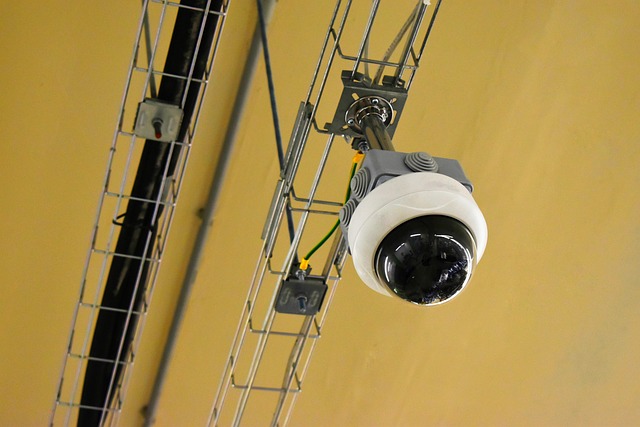
Investing in high-quality CCTV systems offers numerous benefits for asset protection in high-risk environments. One of the most significant advantages is the enhanced image clarity and resolution provided by modern cameras. High-definition footage allows for better identification of individuals and activities, which is crucial for investigations following incidents.
Additionally, advanced features such as night vision capabilities ensure that surveillance remains effective even in low-light conditions. Another benefit of high-quality CCTV systems is their durability and reliability. Many modern cameras are designed to withstand harsh environmental conditions, making them suitable for both indoor and outdoor use.
This resilience ensures that organizations can maintain continuous surveillance without frequent maintenance or replacement costs. Furthermore, high-quality systems often come equipped with advanced analytics features that enable automated detection of suspicious behavior or anomalies, streamlining the monitoring process and reducing the burden on security personnel.
Addressing Vulnerabilities with CCTV in High-Risk Environments
High-risk environments often present unique vulnerabilities that require targeted solutions to mitigate potential threats effectively. One way CCTV systems can address these vulnerabilities is by providing comprehensive coverage of critical areas within a facility. By strategically placing cameras in high-risk zones—such as entry points, storage areas, and cash handling locations—organizations can ensure that all potential weak spots are monitored continuously.
Additionally, integrating CCTV with other security technologies can help address vulnerabilities more effectively. For instance, combining video analytics with access control systems allows organizations to monitor who enters restricted areas while simultaneously analyzing behavior patterns for potential threats. This proactive approach not only enhances security but also fosters a culture of accountability among employees by ensuring that all actions are recorded and monitored.
Legal and Ethical Considerations for CCTV in Asset Protection
When implementing CCTV systems for asset protection, organizations must navigate various legal and ethical considerations to ensure compliance with regulations and respect for individual privacy rights. In many jurisdictions, laws govern the use of surveillance cameras in public spaces and workplaces. Organizations must familiarize themselves with these regulations to avoid potential legal repercussions stemming from improper use or installation of CCTV systems.
Moreover, ethical considerations play a significant role in how organizations approach surveillance practices. Transparency is key; informing employees and customers about the presence of cameras fosters trust and demonstrates a commitment to ethical practices. Establishing clear policies regarding data retention, access control, and footage usage is essential for maintaining compliance while respecting individual privacy rights.
Training and Education for Effective CCTV Use in Asset Protection
To maximize the effectiveness of CCTV systems in high-risk asset protection, organizations must invest in training and education for their staff. Proper training ensures that personnel understand how to operate the equipment effectively and respond appropriately to incidents captured on camera. This includes familiarizing employees with monitoring protocols, reporting procedures, and emergency response plans.
Additionally, ongoing education about emerging technologies and best practices in surveillance can help organizations stay ahead of potential threats. Regular training sessions can reinforce the importance of vigilance among staff members while also providing opportunities for them to share insights or experiences related to asset protection efforts.
Case Studies of Successful Asset Protection with CCTV Systems
Examining case studies of successful asset protection through CCTV systems provides valuable insights into best practices and effective strategies. For instance, a retail chain implemented a comprehensive CCTV system across its stores to combat rising theft rates. By strategically placing cameras at entry points and high-value merchandise areas, they were able to deter shoplifting significantly while also gathering evidence that led to successful prosecutions.
Another example involves a financial institution that integrated its CCTV system with advanced analytics software to monitor customer interactions at ATMs. By analyzing footage in real-time, they were able to identify suspicious behavior patterns indicative of potential fraud attempts. This proactive approach not only enhanced customer safety but also protected the institution’s assets from financial losses.
Future Trends in High-Risk Asset Protection with CCTV Technology
As technology continues to evolve rapidly, so too do the trends shaping high-risk asset protection through CCTV systems. One notable trend is the increasing adoption of artificial intelligence (AI) within surveillance technology. AI-powered cameras can analyze footage in real-time, identifying unusual behaviors or patterns without human intervention.
This capability allows organizations to respond more quickly to potential threats while reducing reliance on manual monitoring. Another emerging trend is the integration of Internet of Things (IoT) devices with CCTV systems. By connecting cameras with other smart devices within a facility—such as alarms or access control systems—organizations can create a more cohesive security infrastructure that enhances overall effectiveness.
As these technologies continue to advance, businesses will have access to increasingly sophisticated tools for protecting their high-risk assets against evolving threats. In conclusion, high-risk asset protection is an essential consideration for organizations seeking to safeguard their valuable resources from theft or damage. A dedicated CCTV system plays a crucial role in this effort by providing continuous monitoring capabilities while integrating seamlessly with other security measures.
By choosing the right system, addressing vulnerabilities effectively, and adhering to legal and ethical considerations, businesses can create a robust security framework that protects their assets now and into the future.