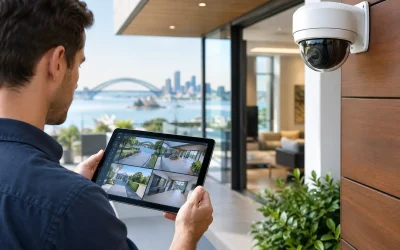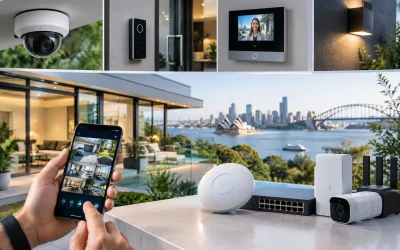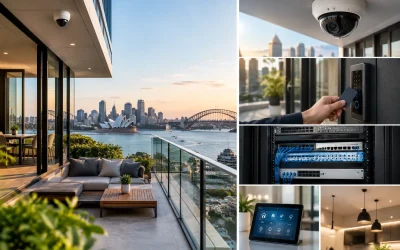



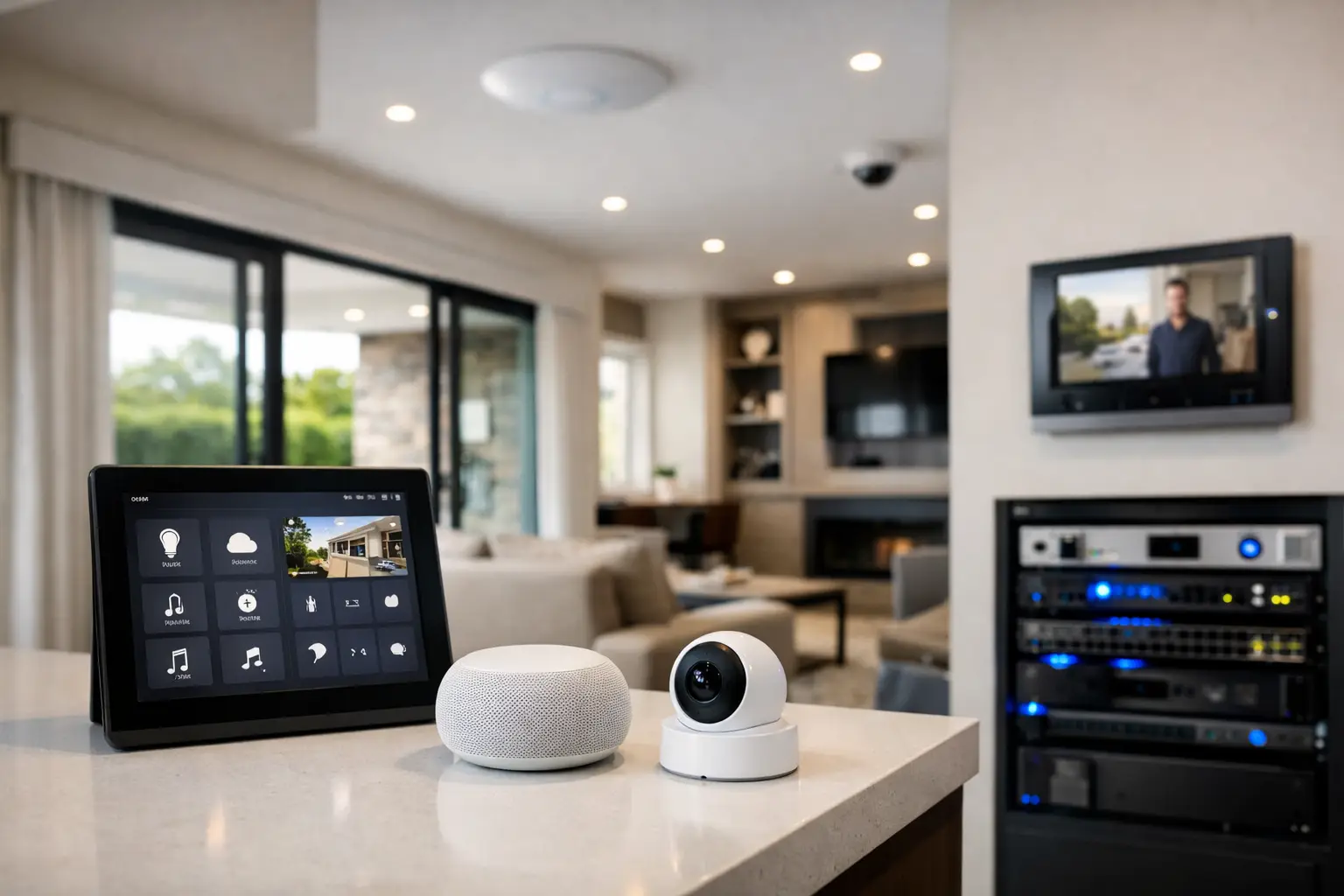
A Home Assistant installation review should begin well before the dashboard appears on a phone or wall tablet. The real test is whether the system makes a property easier to operate every day: lights respond appropriately, security status is clear, Wi-Fi remains dependable, and automation continues to behave predictably after an update, a power interruption, or a change in household routine.
Home Assistant is one of the most capable automation platforms available for homes and commercial properties. It can bring security, lighting, climate, AV, access control, energy monitoring, and network-connected devices into a single control environment. That flexibility is its strength, but it also means the result depends heavily on planning, infrastructure, device selection, and ongoing system management.
What This Home Assistant Installation Review Assesses
A professionally designed Home Assistant system is not a collection of unrelated integrations. It is an operating layer that coordinates systems already chosen for a property. The best installations use it to reduce friction between platforms, not to replace every manufacturer app merely for the sake of consolidation.
For a residential project, that might mean an Apple Home user can control selected devices through Siri while Home Assistant handles the more detailed logic behind lighting scenes, occupancy behavior, gate notifications, and security events. In a commercial setting, it may mean linking access events, lighting schedules, audiovisual control, and operational alerts without asking staff to move between multiple interfaces.
The review criteria are practical. Can the system run locally when an internet connection is unavailable? Is there a reliable network underneath it? Are the automations understandable enough to maintain? Do critical functions still have conventional controls? Can the platform expand without rebuilding the entire installation?
Home Assistant performs very well when the answer to those questions is yes. It performs poorly when it is asked to compensate for weak Wi-Fi, incompatible hardware, undocumented wiring, or a design that treats automation as an afterthought.
The Foundation Decides the Experience
Home Assistant itself is software. Its day-to-day reliability is shaped by the equipment and services around it. That is why a proper installation starts with the property infrastructure rather than a list of smart devices.
Networking Is Not a Background Detail
A dependable UniFi network, appropriate Wi-Fi access point placement, structured cabling, managed switching, and sensible network segmentation give connected systems a stable place to operate. Cameras, intercoms, access control, Apple Home devices, streaming equipment, and automation controllers all compete for network resources. Treating them as one unmanaged pool can create intermittent faults that are difficult to trace.
For larger homes and commercial sites, separating security devices, building services, staff devices, and guest access can improve both security and fault finding. Wired connections should be prioritized for fixed equipment such as Home Assistant hardware, network video recorders, intercoms, televisions, access points, and AV racks. Wireless devices still have a role, but they should not carry every critical function simply because they are convenient to install.
The Controller and Backup Plan Matter
Home Assistant can run on dedicated hardware, a virtual machine, or a server environment. The right choice depends on the scale of the property, the number of integrations, and the expected support model. A small, well-defined residence may suit a compact dedicated controller. A large residence or commercial system may warrant more capable hardware, supervised power, and a documented recovery process.
Backups should be automatic, tested, and stored separately from the controller. This is not glamorous work, but it protects the logic, dashboards, configuration, and credentials that make an installation valuable. A professional system should also have a clear record of hardware, network addressing, integration dependencies, and user access arrangements.
Where Home Assistant Earns Its Place
Home Assistant is most effective where several systems need to react to the same real-world event. A door contact, camera analytic event, keypad action, lighting state, time schedule, and occupancy sensor can all contribute to a useful outcome.
Consider a residential arrival sequence. When an authorized user opens a gate after sunset, the system can confirm the property is in an appropriate security state, illuminate a safe path, adjust selected interior lights, and send a discreet notification if a gate has been left open. The value is not in making lights turn on. It is in coordinating the right response without creating unnecessary actions or alerts.
Security integrations require particular judgment. Home Assistant can provide visibility and contextual automation around Bosch alarms, Dahua or Hikvision CCTV, Akuvox intercoms, and access systems, but life-safety and monitored alarm functions should remain on the approved security platform designed for that purpose. Automation can enhance awareness and response. It should not become a substitute for compliant alarm design, monitored communications, or physical security measures.
Lighting is another strong use case. DALI-2 systems, Zen Control components, and other professionally specified lighting solutions can support scenes that are useful rather than theatrical. A kitchen scene can provide functional task lighting in the morning. A late-night route can bring only low-level lighting on. A presentation room can coordinate light levels, blinds, and AV equipment before a meeting. Physical keypads remain essential because guests, staff, children, and service providers should be able to operate a space without learning an app.
Home Assistant also works well as a bridge between Apple Home and specialist systems. Apple Home can remain the familiar interface for everyday family control, while Home Assistant handles integrations and conditions that go beyond the native Apple Home framework. This approach preserves a straightforward user experience while allowing the property to support more sophisticated logic in the background.
The Trade-Offs Behind the Flexibility
The platform’s breadth introduces responsibility. Home Assistant has an active development pace, and integrations can change as manufacturers update cloud services, APIs, firmware, or authentication requirements. A system that relies on many unofficial or cloud-dependent connections may need more attention than one built around established local integrations and properly selected hardware.
This does not make Home Assistant unsuitable for serious projects. It means the design should be disciplined. Critical functions should have local control paths. Automations should be named clearly and documented. Complex logic should be built in a way that another qualified technician can understand. Updates should be assessed and backed up before they are applied, particularly where security, access, or lighting controls are involved.
There is also a difference between an impressive demonstration and a good daily interface. A wall dashboard overloaded with icons can become harder to use than a few well-designed pages organized around the property: security, lighting, climate, entry, cameras, and key service controls. Notifications need the same restraint. A useful alert identifies a meaningful event and gives the recipient enough context to act. Constant low-value notifications train people to ignore the alerts that matter.
New Builds and Retrofits Need Different Decisions
New construction provides the best opportunity to plan the backbone. Structured cabling, equipment-rack space, electrical provisions, keypad locations, ceiling sensor positions, Wi-Fi coverage, and pathways for future expansion can all be coordinated before finishes are installed. This reduces compromises and gives the automation platform reliable inputs and outputs from the start.
Retrofit properties require a more selective approach. Existing wiring, wall construction, electrical panel capacity, network coverage, and the condition of current security equipment all affect what is sensible. Wireless sensors or control modules may be appropriate in some areas, while strategic cabling and a network upgrade may be the better long-term answer in others. The goal is not to automate every circuit. It is to improve the spaces and routines where integrated control produces a clear benefit.
For strata and commercial environments, governance adds another layer. User permissions, audit requirements, maintenance access, tenant changes, support responsibilities, and separation between base-building and occupier systems should be defined early. Home Assistant can be valuable in these environments, but only when it sits within a clear operational framework.
Is a Professional Home Assistant Installation Right for You?
A professional Home Assistant installation is a strong fit for property owners who want connected systems designed to work as one, particularly where security, networking, lighting, AV, and access control overlap. It is less appropriate when the desired outcome is a small number of isolated devices with no expectation of coordinated operation, documentation, or future support.
Alpha Security Corp approaches Home Assistant as part of an integrated property system. Licensed electrical work, structured cabling, UniFi networking, security design, and smart lighting planning are considered alongside the automation layer, because the controller can only be as dependable as the systems it coordinates.
The most useful next step is to identify the moments in a property that currently feel fragmented: arriving home after dark, answering an intercom, securing a business at close, managing meeting-room equipment, or checking a site after an alert. Those moments reveal where automation should earn its place, and where conventional, dependable controls should remain exactly as they are.