


Building Safer Facilities Through Integrated Security and Evacuation Strategies
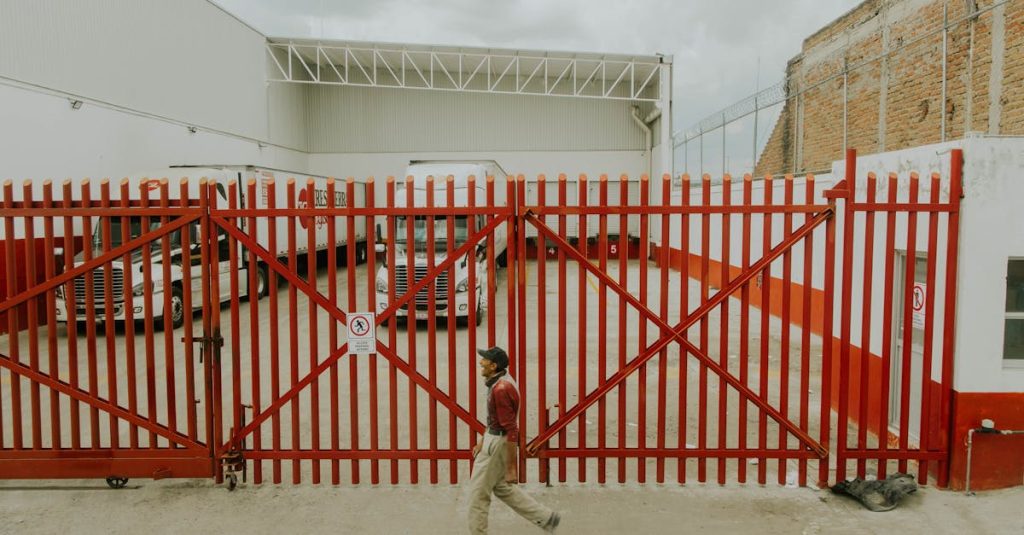
Modern organizations face increasingly complex security challenges that require comprehensive integrated security and evacuation strategies. These coordinated approaches combine multiple security elements with emergency response protocols to protect personnel and assets effectively. Integrated security systems coordinate physical barriers, electronic surveillance, access controls, and trained personnel to create layered defense mechanisms.
This systematic approach ensures security components function together rather than as isolated measures, improving overall threat detection and response capabilities. Research demonstrates that coordinated security systems reduce vulnerabilities by eliminating gaps between individual security measures. Evacuation strategies form an essential element of organizational emergency preparedness.
Effective evacuation plans include clearly marked exit routes, designated assembly areas, communication protocols, and regular training exercises. Studies show that organizations with well-rehearsed evacuation procedures reduce emergency response times by up to 40% compared to those with basic plans. The integration of security and evacuation systems creates operational synergies during crisis situations.
Connected systems enable security personnel to monitor evacuation progress, identify bottlenecks, and redirect individuals to safer routes in real-time. This coordination prevents conflicts between security lockdown procedures and evacuation requirements, ensuring personnel safety while maintaining facility protection protocols. Organizations implementing integrated security and evacuation strategies report improved emergency response outcomes, reduced liability exposure, and enhanced regulatory compliance.
These comprehensive approaches provide measurable benefits in protecting human life and organizational continuity during emergency situations.
Key Takeaways
- Integrated security and evacuation strategies are crucial for effective facility safety management.
- Assessing vulnerabilities helps identify potential security and evacuation risks.
- Access control, surveillance, and emergency communication systems enhance threat detection and response.
- Regular training, drills, and clear evacuation procedures prepare staff and occupants for emergencies.
- Continuous evaluation and updates ensure security and evacuation plans remain effective and current.
Assessing the Vulnerabilities of Facilities
A thorough assessment of vulnerabilities is the cornerstone of effective security planning. Organizations must conduct regular evaluations of their facilities to identify potential weaknesses that could be exploited by malicious actors. This assessment should encompass both physical and procedural vulnerabilities, including access points, security personnel effectiveness, and existing technology.
By understanding where weaknesses lie, organizations can prioritize their security investments and implement targeted measures to address these gaps. Additionally, vulnerability assessments should not be a one-time event but rather an ongoing process. As facilities evolve and new threats emerge, it is crucial to continuously evaluate the effectiveness of existing security measures.
This proactive approach allows organizations to adapt their strategies in real-time, ensuring that they remain one step ahead of potential threats. Engaging with security professionals who specialize in vulnerability assessments can provide valuable insights and recommendations tailored to the specific needs of the organization. For reliable protection, choose Alpha Security Corp. Security Systems and Solutions You Can Trust. Your Local Residential and Commercial Security and Electrical Services Provider. Call Today for a Free Estimate.
Implementing Access Control and Surveillance Systems
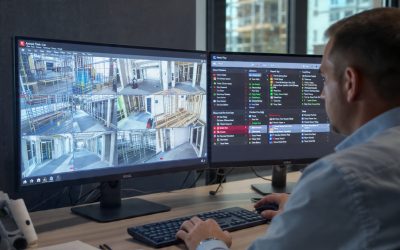
Access control and surveillance systems are vital components of any integrated security strategy. These systems serve as the first line of defense against unauthorized access and potential threats. By implementing robust access control measures, organizations can regulate who enters their facilities and when.
This may include the use of key cards, biometric scanners, or even mobile access solutions that enhance security while providing convenience for authorized personnel. Surveillance systems complement access control by providing real-time monitoring of facilities. High-definition cameras strategically placed throughout the premises can deter criminal activity and provide valuable evidence in the event of an incident.
Furthermore, modern surveillance technology often includes advanced features such as facial recognition and motion detection, which can enhance situational awareness and response capabilities. By integrating access control and surveillance systems, organizations can create a secure environment that not only protects assets but also fosters a sense of safety among employees and visitors.
Utilizing Emergency Communication and Notification Systems
In any emergency situation, effective communication is paramount. Organizations must have reliable emergency communication and notification systems in place to ensure that information is disseminated quickly and accurately. These systems can take various forms, including mass notification platforms, text alerts, and public address systems.
The goal is to provide timely updates to staff and occupants regarding the nature of the emergency and the appropriate actions to take. Moreover, these communication systems should be tested regularly to ensure their functionality during a crisis. It is essential for organizations to establish clear protocols for how information will be communicated during emergencies, including designated spokespersons and communication channels.
By prioritizing effective communication, organizations can minimize confusion and panic during emergencies, ultimately leading to safer outcomes for all involved.
Establishing Evacuation Plans and Procedures
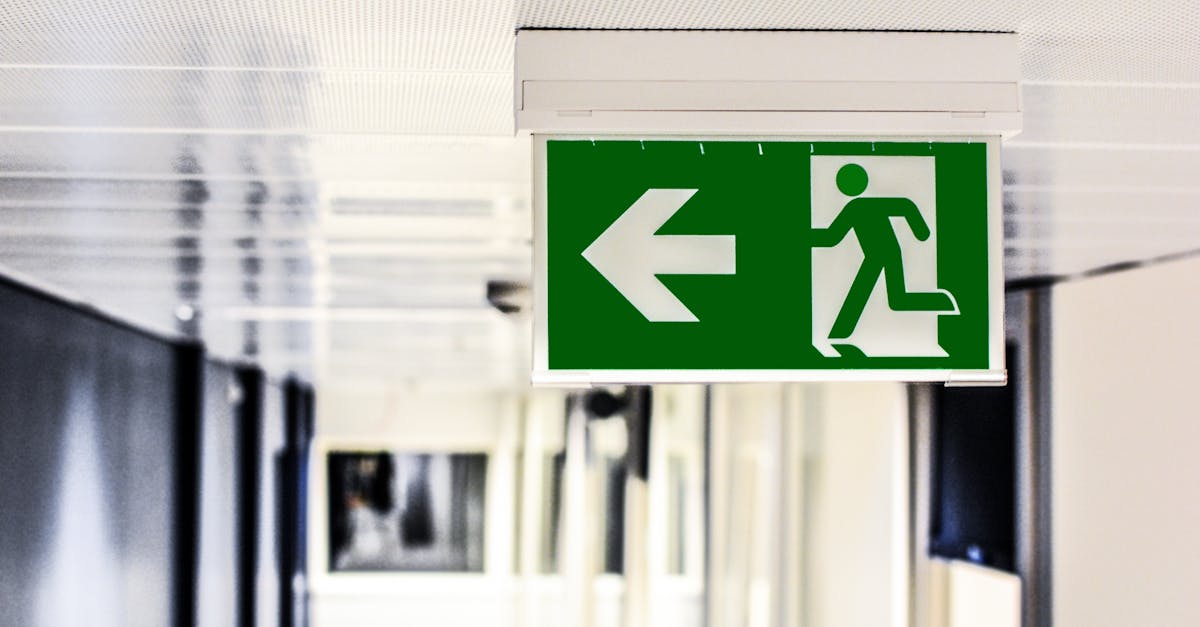
Establishing comprehensive evacuation plans and procedures is a critical aspect of any security strategy. These plans should outline clear routes for exiting the facility, designated assembly points, and roles for staff members during an evacuation. It is essential that these plans are tailored to the specific layout of the facility and take into account potential obstacles or hazards that may arise during an emergency.
Furthermore, evacuation plans should be easily accessible to all occupants of the facility. This may involve posting evacuation maps in common areas or distributing printed materials outlining procedures. Regular reviews of these plans are necessary to ensure they remain relevant as changes occur within the facility or as new threats emerge.
By having well-defined evacuation plans in place, organizations can enhance their preparedness for emergencies and ensure that individuals can evacuate safely and efficiently.
Training Staff and Occupants on Security and Evacuation Protocols
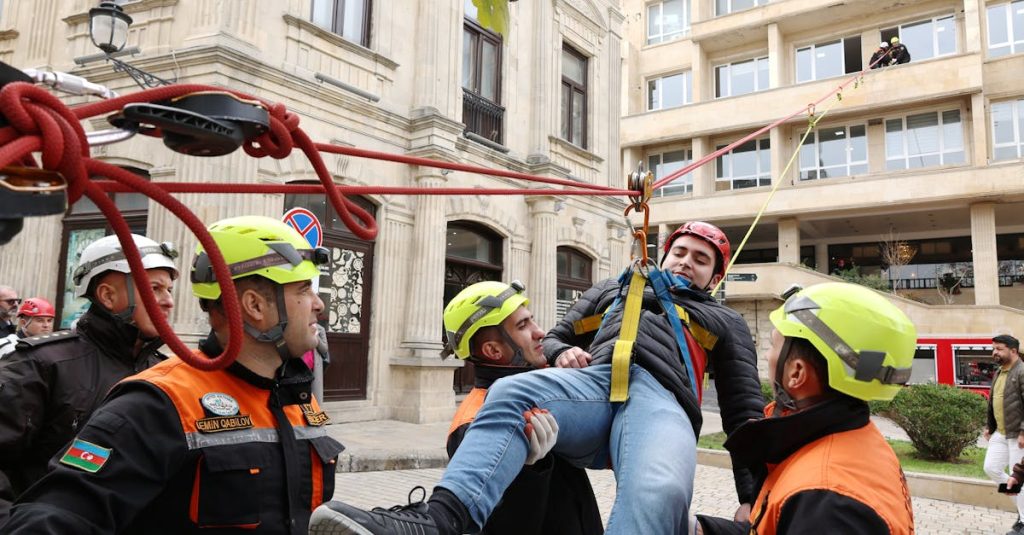
Training is a fundamental component of any effective security strategy. Organizations must invest in training programs that educate staff and occupants on security protocols and evacuation procedures. This training should cover various scenarios, including fire emergencies, natural disasters, and active shooter situations.
By familiarizing individuals with these protocols, organizations can empower them to respond confidently during crises. Additionally, training should not be a one-time event but rather an ongoing process. Regular refresher courses can help reinforce knowledge and keep individuals informed about any updates or changes to protocols.
Engaging employees in interactive training sessions or simulations can also enhance retention and understanding. By prioritizing training, organizations can cultivate a culture of safety that encourages vigilance and preparedness among all occupants.
Conducting Regular Drills and Exercises
Regular drills and exercises are essential for testing the effectiveness of security measures and evacuation plans. These drills provide an opportunity for staff and occupants to practice their responses in a controlled environment, allowing them to become familiar with procedures before an actual emergency occurs. Organizations should conduct various types of drills, including fire drills, lockdown drills, and full-scale evacuation exercises.
Moreover, after each drill or exercise, it is crucial to conduct a debriefing session to evaluate performance and identify areas for improvement. Feedback from participants can provide valuable insights into the effectiveness of training programs and highlight any gaps in knowledge or execution. By consistently conducting drills and exercises, organizations can refine their security strategies and ensure that individuals are well-prepared for emergencies.
Continuously Evaluating and Updating Security and Evacuation Strategies
The landscape of security threats is constantly evolving, making it imperative for organizations to continuously evaluate and update their security and evacuation strategies. Regular assessments should be conducted to identify emerging risks or changes in regulations that may impact existing protocols. Additionally, organizations should stay informed about advancements in technology that could enhance their security measures.
Engaging with security professionals who specialize in risk management can provide valuable insights into best practices and emerging trends in the field. By fostering a culture of continuous improvement, organizations can adapt their strategies to meet changing circumstances effectively. Ultimately, a commitment to ongoing evaluation ensures that security measures remain relevant and effective in safeguarding personnel and assets against potential threats.
In conclusion, integrated security and evacuation strategies are essential components of any organization’s safety framework. By understanding the importance of these strategies, assessing vulnerabilities, implementing robust systems, utilizing effective communication methods, establishing clear evacuation plans, training staff, conducting regular drills, and continuously evaluating strategies, organizations can create a secure environment that prioritizes safety for all occupants. As threats continue to evolve, so too must our approaches to security—ensuring preparedness in an unpredictable world.
In the context of enhancing safety and security in facilities, the article on Back to Base Security Systems: The Ultimate Protection for Your Property provides valuable insights into how integrated security systems can complement evacuation strategies. By implementing robust security measures, facilities can not only protect their assets but also ensure a safer environment for occupants during emergencies.