



When Every Second Counts: Integrating Security Systems with Emergency Evacuation Plans
In today’s world, the integration of security systems with emergency evacuation plans has become a critical component of organizational safety protocols. As threats to safety evolve, so too must the strategies employed to mitigate them. An integrated approach ensures that security measures are not only reactive but also proactive, allowing for a seamless transition from normal operations to emergency response.
This integration is vital for protecting lives and property, as it enables organizations to respond swiftly and effectively to various emergencies, whether they be natural disasters, security breaches, or other unforeseen events. Moreover, the importance of this integration extends beyond mere compliance with regulations. It fosters a culture of safety within organizations, where employees feel secure and prepared for emergencies.
When security systems are aligned with evacuation plans, it enhances situational awareness and allows for real-time decision-making. This synergy can significantly reduce panic and confusion during emergencies, ultimately saving lives and minimizing damage. Organizations that prioritize this integration demonstrate a commitment to the well-being of their employees and stakeholders, which can also enhance their reputation in the community.
For reliable protection, choose Alpha Security Corp Security Systems and Solutions You Can Trust Your Local Residential and Commercial Security and Electrical Services Provider Call Today for a Free Estimate.
Key Takeaways
- Integrating security systems with evacuation plans enhances safety and response efficiency during emergencies.
- Security systems play a critical role in detecting threats and guiding occupants to safety.
- Effective evacuation plans require clear design, training, and communication strategies.
- Real-time monitoring technology improves situational awareness and quick decision-making.
- Ongoing advancements will further strengthen the integration of security and evacuation protocols.
Understanding the Role of Security Systems in Emergency Situations
Security systems play a multifaceted role in emergency situations, serving as both deterrents and facilitators of safety. They encompass a range of technologies, including surveillance cameras, alarm systems, access control mechanisms, and communication tools. Each component contributes to a comprehensive security framework that can detect threats, alert personnel, and guide individuals to safety during emergencies.
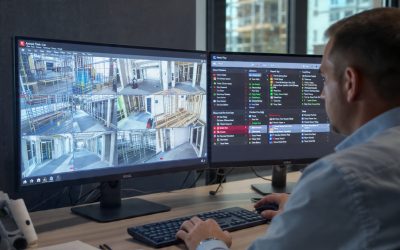
For instance, surveillance cameras can provide real-time footage that helps security personnel assess the situation and make informed decisions about evacuation routes or lockdown procedures. In addition to detection and monitoring, security systems also facilitate communication during emergencies. Integrated systems can send alerts to employees’ mobile devices or trigger alarms that guide individuals toward safe exits.
This capability is crucial in high-stress situations where clear communication can prevent chaos and confusion. Furthermore, security systems can be programmed to work in conjunction with emergency services, providing them with vital information about the situation on the ground. This collaboration enhances the overall effectiveness of emergency response efforts and ensures that help arrives promptly.
Designing an Effective Emergency Evacuation Plan
Designing an effective emergency evacuation plan requires careful consideration of various factors, including the layout of the building, the nature of potential threats, and the specific needs of occupants. A well-structured plan should outline clear evacuation routes, assembly points, and procedures for accounting for all individuals present. It is essential to conduct thorough risk assessments to identify potential hazards and develop strategies to address them.
Engaging employees in the planning process can also provide valuable insights and foster a sense of ownership over safety protocols. Moreover, an effective evacuation plan must be adaptable to different scenarios. For instance, the plan should account for various emergencies such as fires, natural disasters, or active shooter situations.
Each scenario may require different responses and routes, so flexibility is key. Regular drills and training sessions are essential to ensure that all occupants are familiar with the plan and can execute it efficiently under pressure. By continuously reviewing and updating the evacuation plan based on feedback and changing circumstances, organizations can enhance their preparedness for emergencies.

Implementing Integrated Security Systems for Quick Response
The implementation of integrated security systems is crucial for ensuring a quick response during emergencies. These systems should be designed to work together seamlessly, allowing for real-time data sharing and communication between different components. For example, when an alarm is triggered, it should automatically activate relevant surveillance cameras and notify security personnel of the incident’s location.
This integration enables a rapid assessment of the situation and facilitates timely decision-making. Additionally, organizations should invest in user-friendly interfaces that allow staff to monitor security systems easily. Training employees on how to use these systems effectively is equally important; they should know how to respond to alerts and access necessary information quickly.
By streamlining processes and reducing response times, integrated security systems can significantly enhance an organization’s ability to manage emergencies effectively.
Training and Communication for Efficient Evacuation Procedures
Training is a cornerstone of effective emergency evacuation procedures. Organizations must prioritize regular training sessions that educate employees about their roles during an emergency. This training should cover various scenarios and include practical drills that simulate real-life situations.
By practicing evacuation procedures in a controlled environment, employees can build confidence in their ability to respond appropriately when faced with an actual emergency. Effective communication is also vital during evacuation procedures. Organizations should establish clear lines of communication that allow for timely updates and instructions during emergencies.
Utilizing multiple channels—such as text alerts, intercom announcements, and visual displays—can ensure that all occupants receive critical information promptly. Additionally, organizations should consider the diverse needs of their workforce, including individuals with disabilities or language barriers, to ensure that everyone can understand and follow evacuation instructions.
Utilizing Technology for Real-Time Monitoring and Response
The advent of technology has revolutionized the way organizations approach emergency preparedness and response. Real-time monitoring systems equipped with advanced analytics can provide valuable insights into potential threats before they escalate into emergencies. For instance, smart surveillance cameras can detect unusual behavior patterns or unauthorized access attempts, allowing security personnel to intervene proactively.
Furthermore, technology enables organizations to implement automated response systems that can trigger alarms or initiate lockdown procedures based on predefined criteria. These systems can significantly reduce response times and enhance overall safety by ensuring that appropriate measures are taken immediately when a threat is detected. Additionally, mobile applications can facilitate communication between employees and security personnel during emergencies, allowing for real-time updates and coordination.

Addressing Potential Challenges and Obstacles in Emergency Evacuations
Despite careful planning and preparation, organizations may encounter challenges during emergency evacuations that can hinder their effectiveness. One common obstacle is the potential for panic among occupants, which can lead to chaos and confusion during an evacuation. To mitigate this risk, organizations must focus on fostering a culture of preparedness through regular training and clear communication about evacuation procedures.
Another challenge is ensuring that all individuals can evacuate safely, particularly those with mobility impairments or other special needs. Organizations should conduct thorough assessments to identify potential barriers to evacuation and develop strategies to address them. This may include designating specific personnel to assist individuals who require help or providing alternative evacuation routes that accommodate diverse needs.
The Future of Integrated Security Systems and Emergency Evacuation Plans
As technology continues to advance, the future of integrated security systems and emergency evacuation plans looks promising. Innovations such as artificial intelligence (AI) and machine learning are poised to enhance threat detection capabilities further, allowing organizations to respond more effectively to emergencies. These technologies can analyze vast amounts of data in real time, identifying patterns that may indicate potential risks before they materialize.
Moreover, the integration of smart building technologies will enable organizations to create more responsive environments that adapt to changing conditions. For instance, automated lighting systems can guide occupants toward exits during an evacuation, while smart HVAC systems can help control smoke spread during a fire emergency. As organizations embrace these advancements, they will be better equipped to protect their employees and assets while ensuring a swift response during emergencies.
In conclusion, integrating security systems with emergency evacuation plans is essential for enhancing organizational safety in today’s complex environment. By understanding the role of security systems in emergencies, designing effective evacuation plans, implementing integrated technologies, training personnel, and addressing potential challenges, organizations can create a robust framework for managing crises effectively. As we look toward the future, continued innovation in security technology will play a pivotal role in shaping how organizations prepare for and respond to emergencies, ultimately safeguarding lives and property in an ever-evolving landscape of threats.
In the context of enhancing safety during emergencies, the article “How Back to Base Alarm Monitoring Enhances Your Home and Business Security” provides valuable insights into the integration of security systems with emergency protocols. This resource emphasizes the importance of having a reliable monitoring system that can alert authorities in critical situations, complementing the strategies discussed in “When Every Second Counts: Integrating Security Systems with Emergency Evacuation Plans.” For more information, you can read the article here .