


Intercom vs Access Control Sydney: What Each System Does and When You Need Both Installed
You know that feeling when you’re trying to figure out the best security setup for your property? You’ve probably come across terms like “intercom” and “access control” thrown around like they’re the same thing. But here’s the thing—they’re not. And understanding the difference could save you a lot of headaches down the road.
The terms “intercom” and “access control” are often used together, but they do different jobs. In Sydney, many properties benefit from one of these systems, and many others achieve the best results by installing both. It’s kinda like asking whether you need a front door or a lock—sometimes you need both to get the job done properly.
This article explains what each system does, where each excels, and when combining them provides the most secure and convenient solution. Let’s dive in and clear up the confusion once and for all.
Understanding the Security Landscape in Sydney
Sydney’s diverse property landscape presents unique security challenges that make choosing the right system crucial. From heritage terrace houses in Paddington to modern high-rise apartments in Barangaroo, each property type has distinct entry management needs that influence whether you’ll benefit more from an intercom, access control, or both systems working together.
The city’s mix of residential, commercial, and mixed-use developments means property managers and homeowners need flexible solutions. Consider a converted warehouse in Surry Hills that now houses both residential lofts and commercial spaces—this type of property demands sophisticated entry management that can handle different user types throughout the day.
Weather conditions also play a role in system selection. Sydney’s coastal environment, with its salt air and occasional severe storms, requires robust systems that can withstand the elements while maintaining reliable operation. This is particularly important for outdoor components like door stations and card readers.
The increasing focus on contactless solutions, accelerated by recent global events, has also shaped preferences toward mobile credentials and touchless entry methods. Modern Sydney properties are increasingly looking for systems that reduce physical contact points while maintaining security standards.
What an Intercom System Does
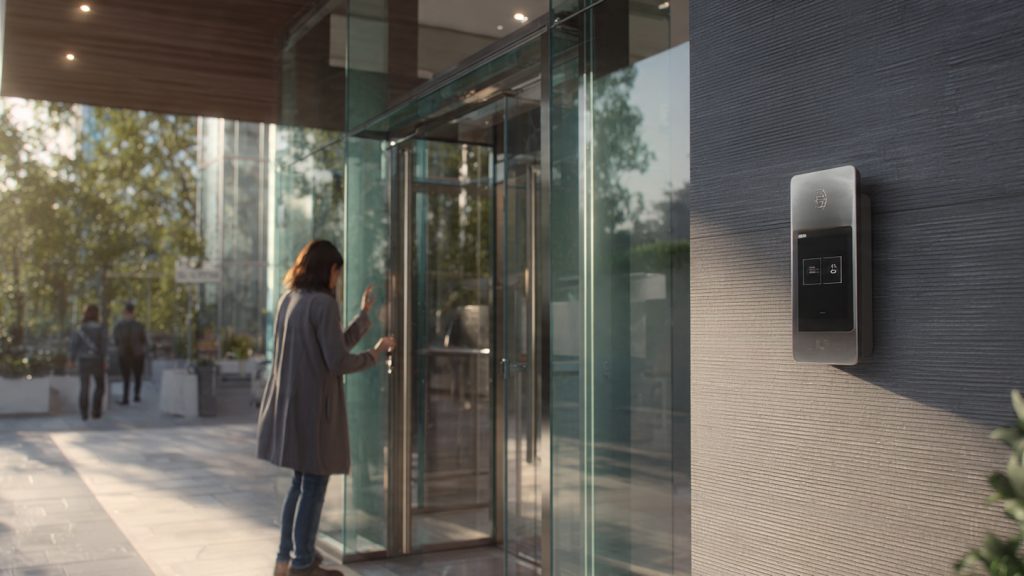
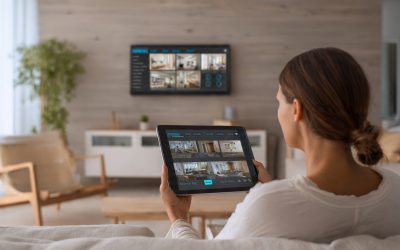
An intercom system provides two-way communication between someone outside and someone inside the property, often with video. Think of it as your digital doorman—always ready to screen visitors and give you control over who gets in.
The key functions are pretty straightforward. You’re gonna get the ability to see and speak to visitors at a door or gate. It’s like having eyes and ears at every entry point without actually being there. The system also allows you to unlock the door or gate remotely, which is incredibly handy when you’re upstairs and don’t want to trek down just to let someone in.
Modern systems also provide a record of visitors through snapshots or video memory on supported systems. You might be thinking, “That sounds like overkill,” but trust me, it’s saved more than one property owner from disputes about who was where and when.
Today’s intercoms from brands like Micron, Dahua and Hikvision offer some pretty impressive features. We’re talking touchscreen indoor monitors that make your old buzzer system look like something from the stone age. The high-definition video and wide viewing angles mean you can actually see who’s at your door clearly, not just make out a blurry silhouette.
Mobile app integration for remote answering and unlocking is where things get really interesting. Picture this: you’re stuck in traffic, but your cleaner shows up early. No worries—you can answer the intercom call on your phone and let them in remotely. It’s easy as pie once you get the hang of it.
The compatibility with door strikes, gates and even full automation platforms means your intercom can play nice with whatever other security gear you’ve got. Intercoms are ideal for visitor management—deciding who to let in and when. They excel when human judgment is needed for each entry decision.
What an Access Control System Does
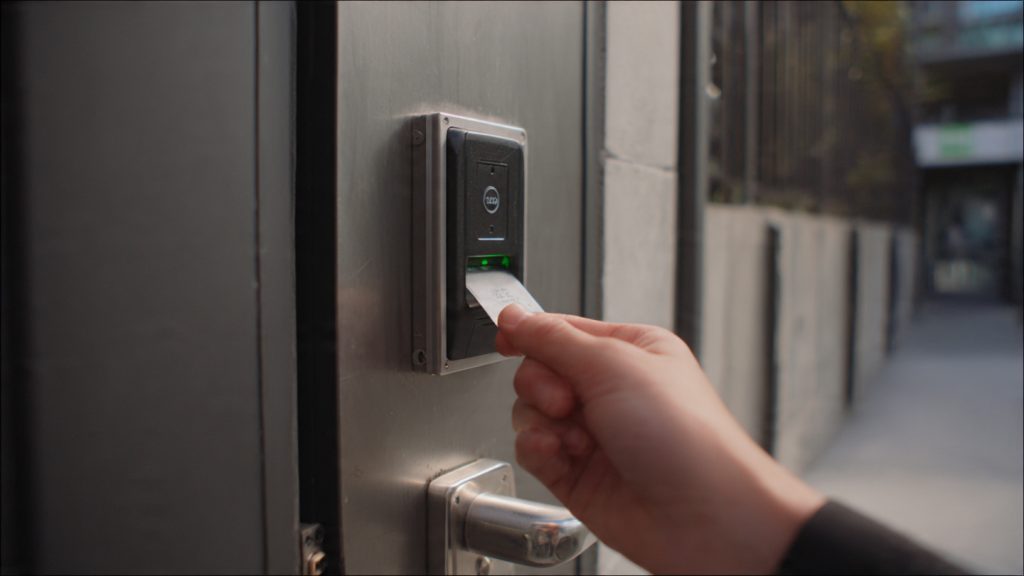
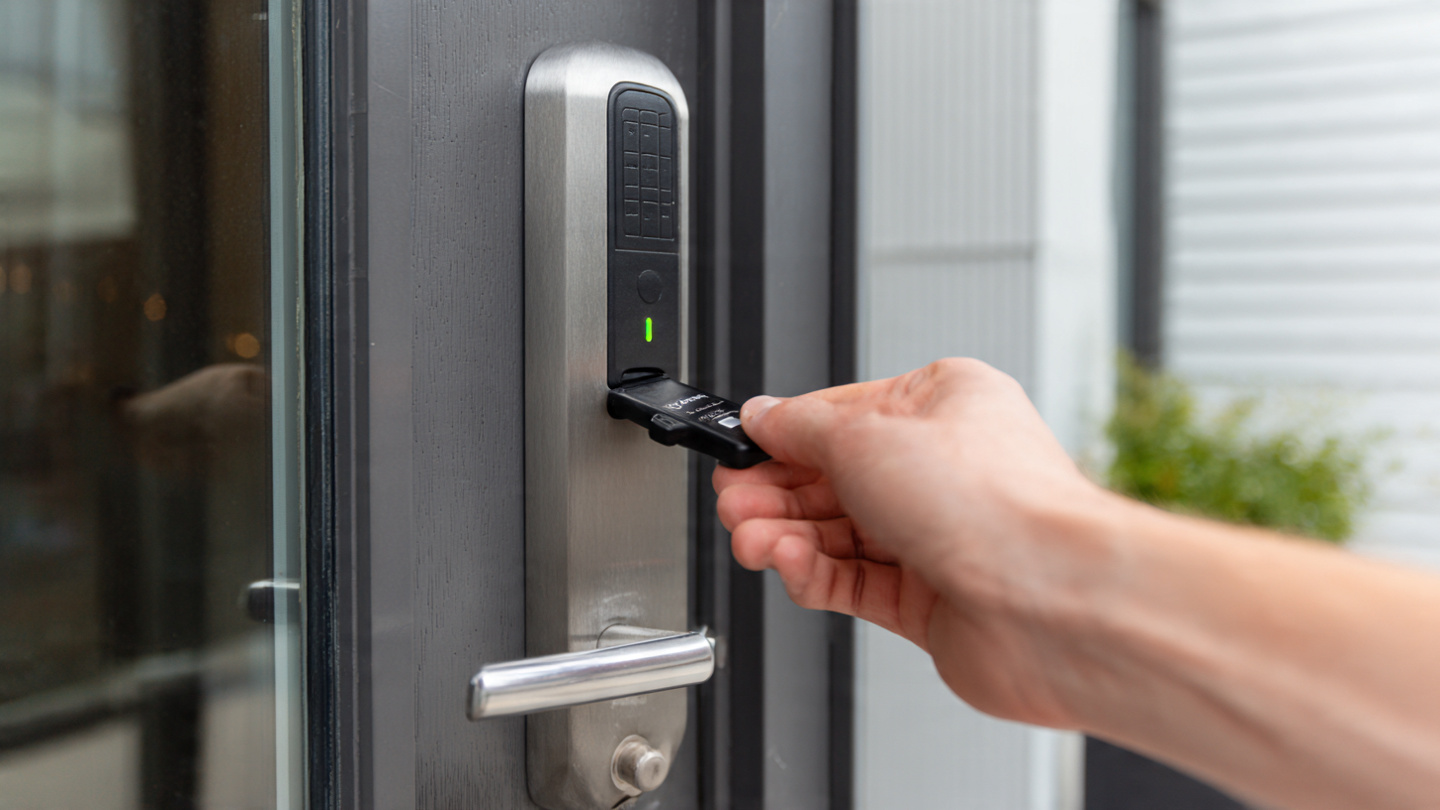
Access control systems manage who can go where and when using credentials such as cards, fobs, PIN codes or mobile credentials. If intercoms are your digital doorman, think of access control as your automated security guard that never takes a break.
The core functions revolve around granting or denying access based on permissions. It’s not about having a conversation with someone—it’s about instant recognition and decision-making. The system logs entries and exits for audit and reporting, which becomes crucial when you need to track who was where and when.
Access control also enforces rules such as different access levels for staff, contractors and visitors. You can set it up so your cleaning crew can only access certain areas during specific hours, while your management team has 24/7 access to everything. Pretty neat, right?
Access control is more about ongoing, predictable use than one-off visitor interactions. It typically controls office doors and staff entrances, where you want seamless access for people who belong there. Internal areas like server rooms, storerooms and plant rooms are perfect candidates—places where you definitely don’t want random people wandering around.
Multi-tenant building entries and car parks are another sweet spot. Imagine managing hundreds of residents and their access needs manually. You’d go crazy! Alpha Security designs access control systems that can integrate with alarms, CCTV and, where appropriate, intercoms to create a unified security platform.
When You Mostly Need an Intercom
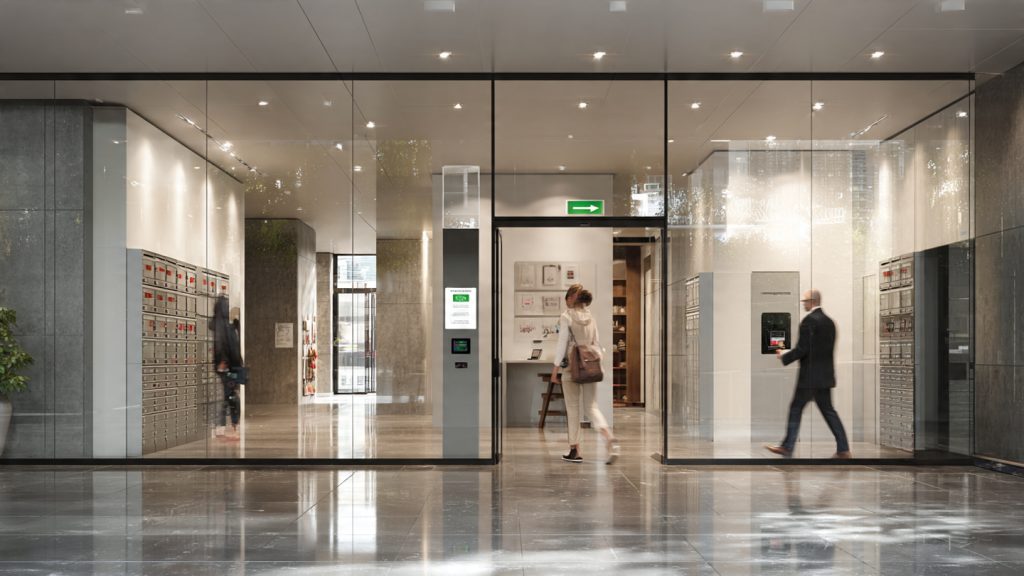
Intercoms alone are often sufficient when you primarily want to screen and talk to visitors before they enter. If your main concern is knowing who’s knocking and having a chat before deciding whether to let them in, an intercom’s your best bet.
They’re perfect when there are relatively few regular users who need constant access. Think about a small family home—you’ve got maybe four people who live there, but you want to screen delivery drivers, friends, and the occasional door-to-door salesperson.
Fine-grained logging of staff movements isn’t critical in these scenarios. You’re not running a high-security facility; you just want to know who’s at the door.
Here are some real-world examples that’ll make this clearer. Single homes and duplexes that want safer front-door interactions are perfect for intercoms. You might be home alone and want to see who’s there before opening the door. Smart move, especially these days.
Small office suites with a limited number of staff and visitors work well too. Maybe you’ve got a team of five people and the occasional client visit. An intercom lets you buzz people in without leaving your desk.
Small clinics where visitor access is managed at reception are another good fit. The receptionist can screen visitors and let them in as needed. Here, the ability to speak to and see visitors—and remotely unlock a door or gate—is more important than complex credential management.
When You Mostly Need Access Control
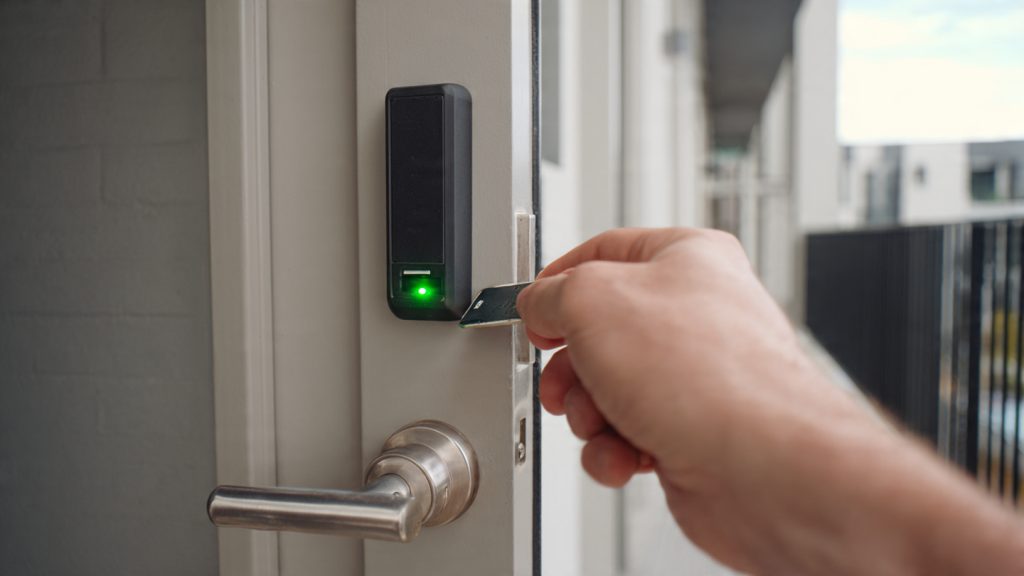
Access control becomes the priority when many people need regular, independent access. We’re talking staff, tenants, contractors—folks who shouldn’t have to buzz in every single time they show up for work.
You’ll want access control when you need to restrict access to certain areas and times. Maybe your warehouse workers need access to the loading dock but not the office areas. Or perhaps you want to ensure no one’s in the building after midnight except security personnel.
Audit trails of who accessed which doors become important in these scenarios. If something goes missing or there’s an incident, you need to know who had access and when they used it.
Let’s look at some examples. Offices with multiple staff and departments are obvious candidates. You’ve got different teams needing access to different areas, and managing this with physical keys would be a nightmare.
Retail stores needing secure back-of-house access make perfect sense too. Your sales floor might be open to everyone, but your stockroom, office, and cash handling areas need tighter control.
Warehouses, factories and logistics facilities are natural fits. These places often have shift workers, contractors, and visitors who all need different levels of access at different times.
Multi-site businesses wanting centralised control of keys and permissions really benefit here. Imagine being able to grant or revoke access across multiple locations from one central system. In these scenarios, issuing cards or mobile credentials is more efficient and secure than relying on physical keys or constantly buzzing people in by intercom.
When You Need Both: The Power of Integration
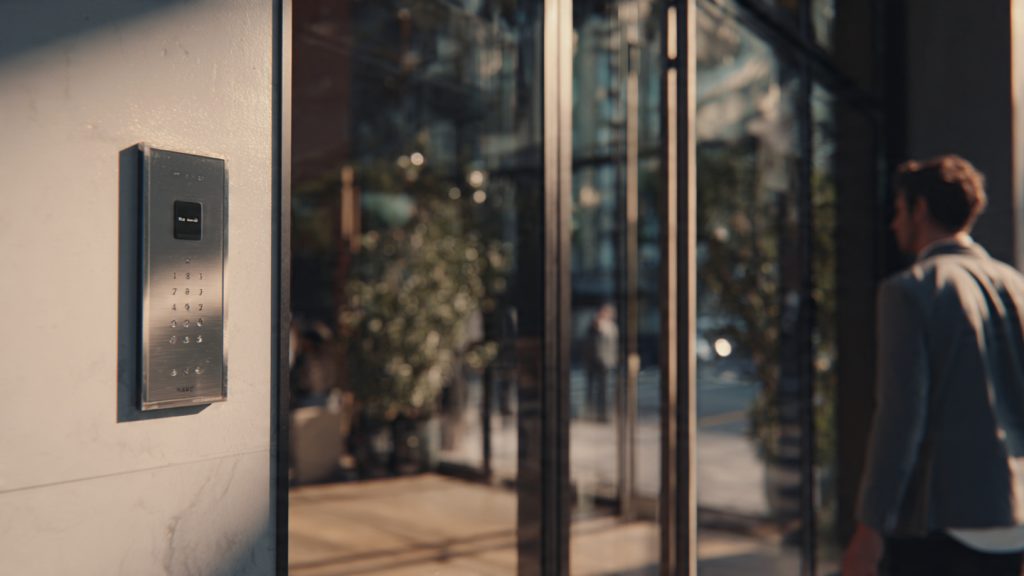
Many Sydney properties benefit most when intercom and access control systems work together. It’s like having the best of both worlds—the human touch when you need it and automated efficiency for routine access.
Strong use cases include apartments and strata buildings, where residents use key fobs or mobile credentials to enter common areas and car parks, while visitors use the intercom panel to contact specific units for temporary access. It’s a beautiful system when it works right.
Commercial multi-tenant buildings are another sweet spot. Staff use access control for day-to-day entry—no fuss, no muss. But couriers, guests and contractors use intercoms to reach reception or specific tenants. Everyone gets the level of access they need without compromising security.
Childcare, schools and healthcare facilities really shine with this combo. Intercoms handle visitor screening at entrances—you definitely want to know who’s trying to get into a school. Meanwhile, access control protects internal doors and staff-only areas where sensitive information or vulnerable people might be.
By combining both systems, you get smooth day-to-day access for authorised users, strong visitor screening for people without credentials, and reduced reliance on physical keys and manual processes. It’s like having your cake and eating it too.
How Intercom and Access Control Integrate Technically
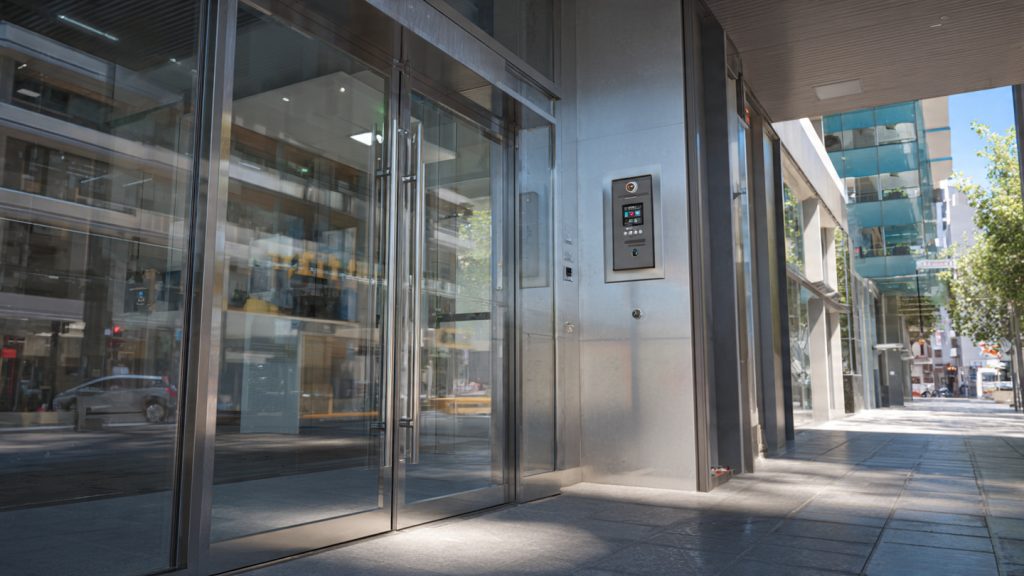
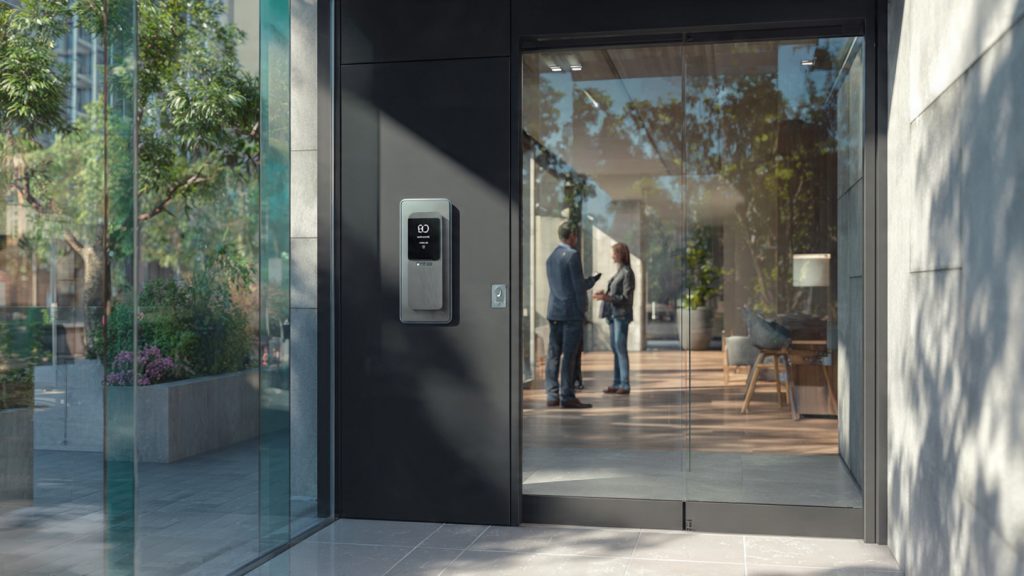
Integration works at both hardware and software levels, and it’s pretty clever stuff. Door stations can include card readers or keypads that connect directly to access control panels. So the same device that lets you talk to visitors can also read employee badges.
Intercom indoor monitors can trigger access control outputs, such as unlocking specific doors or releasing gates. You answer the intercom, decide the visitor’s legit, and with one button press, you can unlock multiple doors or gates as needed.
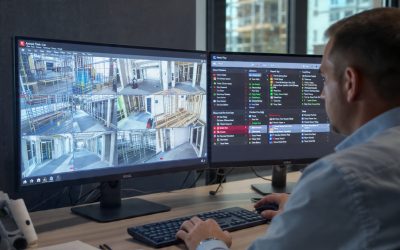
Central management software can link access events with intercom calls and CCTV footage for a complete picture. If there’s ever an incident, you can see the intercom call, the access card swipe, and the CCTV footage all in one timeline. Alpha Security ensures that selected intercom brands and access control platforms are compatible, simplifying installation and long-term support.
Practical Examples from Sydney Properties
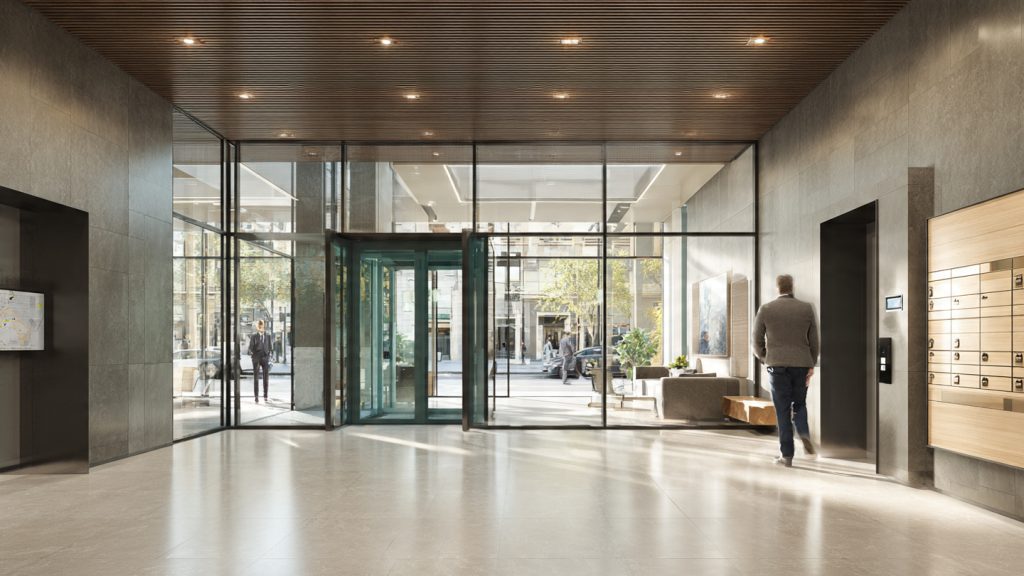
Let me paint you some real-world pictures. For a small office, you might have access control on the main entrance for staff during business hours—they just tap their card and walk in. Add a video intercom to reception for after-hours visitors and deliveries, plus optional gate control for visitor parking. Simple, effective, and covers all your bases.
A strata apartment building is where things get more interesting. You’d have a video intercom at the front entrance, with a directory for all units. Residents use fobs or mobile credentials for main doors, garages and lifts, while visitors call the relevant unit via intercom. It’s like having a virtual concierge that never sleeps.
For a retail store with rear staff entry, you might use a video intercom at the rear door for deliveries and staff who forget their fob—because let’s face it, it happens to everyone. Access control handles regular staff entry and access to stock rooms, with CCTV integrated to verify events at both doors.
Common Design and Installation Mistakes to Avoid
When properties try to mix these systems without proper design, problems occur. You might be thinking, “How hard can it be?” Well, harder than you’d expect if you don’t plan it right.
Choosing intercom and access control products that don’t integrate well is mistake number one. You end up with two separate systems that don’t talk to each other, defeating the whole purpose.
Poor cabling and power design causes unreliable door releases. There’s nothing more frustrating than a door that sometimes unlocks and sometimes doesn’t. Inconsistent naming and labelling of doors, zones and devices creates confusion that lasts for years.
Having no clear plan for managing lost cards, app access or apartment/unit changes is another biggie. Staff turnover happens, tenants move out, and if you can’t easily update the system, you’re gonna have security gaps.
Working with a provider like Alpha Security, who handles alarms, intercoms, access control and automation, reduces the risk of these issues. It’s all about having one team that understands how everything works together.
Cost Considerations and Budget Planning

Understanding the financial investment required for each system helps make informed decisions. Intercom systems typically have lower upfront costs, especially for simpler audio-only models, but video intercoms with mobile integration can range from moderate to significant investments depending on features and quality.
Access control systems often require higher initial investment due to the need for controllers, readers, and credential management software. However, they can provide excellent long-term value through reduced key management costs and improved security. Consider the expense of re-keying locks every time an employee leaves versus simply deactivating a card.
Integration costs should factor into your budget planning. While combining systems requires additional upfront investment, the operational benefits often justify the expense. Think about the time savings alone—no more running to the door for every delivery or visitor.
Maintenance and support costs vary between systems. Intercom systems generally require less ongoing maintenance, while access control systems need regular software updates and credential management. However, both systems benefit from professional monitoring and support to ensure optimal performance.
Don’t forget to consider scalability in your budget. Starting with a basic system that can be expanded later might be more cost-effective than installing everything at once, especially for growing businesses or properties with changing needs.
Intercom vs Access Control: Quick Summary
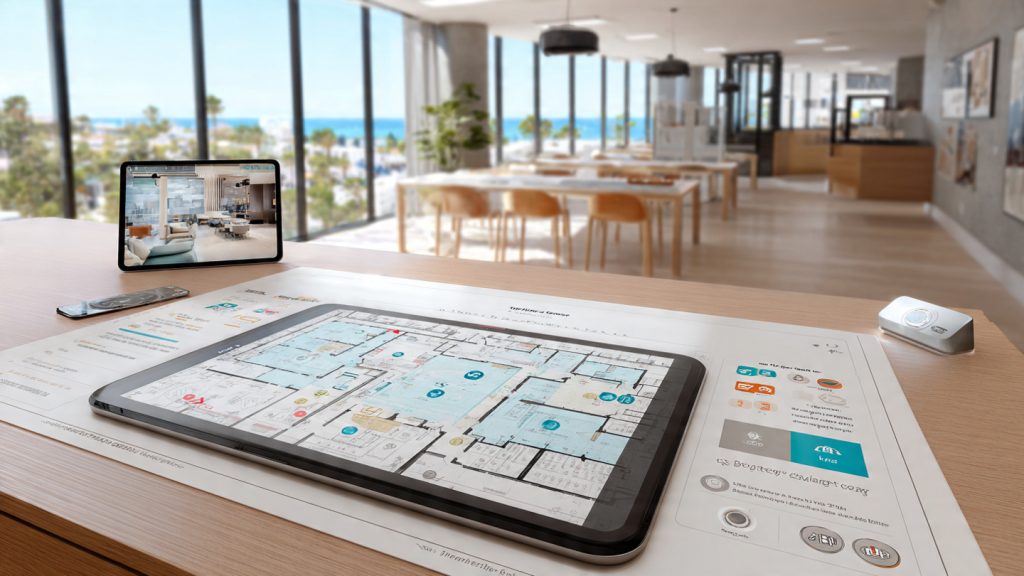
Here’s the bottom line: if your main concern is who is at the door right now, choose an intercom. If your main concern is who goes where and when over time, choose access control. If you care about both—and most medium to large properties do—consider both systems working together.
It’s really that simple when you break it down. Don’t overthink it, but don’t underthink it either. The right system depends on how your property actually gets used day to day.
Plan the Right Solution with Alpha Security Corp

Deciding between intercom and access control (or combining both) starts with understanding how your Sydney property is used day-to-day and where your real risks lie. You can’t make the right choice without knowing what you’re actually trying to protect and how people move through your space.
Alpha Security Corp can audit your existing entry points, locks and systems to see what you’re working with. They’ll recommend stand-alone or integrated intercom and access control options that make sense for your specific situation, not some cookie-cutter solution.
The team can design and install a system that fits your budget and future plans—because let’s be honest, your needs might change as your business grows or your family situation evolves. They also provide ongoing support as tenants, staff or usage patterns change, which is crucial for long-term success.
Whether you’re looking for a simple Intercom System for your home or a comprehensive integrated solution for your commercial property, getting expert advice upfront can save you thousands in the long run.
Contact Alpha Security today to discuss Intercom vs Access Control Sydney options for your home, building or business and ensure you get the right combination of communication, control and security for your Sydney property. Trust me, you’ll sleep better knowing you’ve got the right system protecting what matters most to you.