



Monitored CCTV vs Recorded CCTV: What Monitoring Adds for Response, Deterrence and Evidence
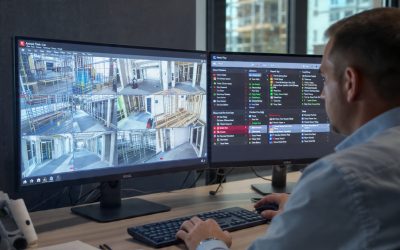
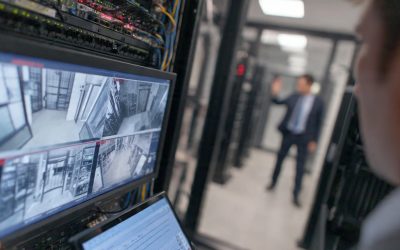
In the realm of security systems, the debate between monitored CCTV and recorded CCTV has gained significant traction. Both systems serve the primary purpose of enhancing safety and deterring criminal activity, yet they operate on fundamentally different principles. Recorded CCTV systems capture footage that can be reviewed later, providing a retrospective view of events. In contrast, monitored CCTV systems offer real-time surveillance, allowing for immediate action in response to incidents as they unfold. This distinction is crucial for individuals and businesses seeking to protect their assets and ensure safety.
The choice between these two systems often hinges on the specific needs of the user. For instance, a business in a high-crime area may prioritize real-time monitoring to prevent theft or vandalism, while a residential homeowner might opt for recorded footage to review any suspicious activity after it occurs. Understanding the nuances of each system is essential for making an informed decision that aligns with one’s security objectives. As we delve deeper into the advantages of monitored CCTV, it becomes clear that its benefits extend far beyond mere surveillance.
In the ongoing debate about the effectiveness of monitored CCTV versus recorded CCTV, it’s essential to consider the broader context of home security innovations. A related article that delves into the latest advancements in home security systems can provide valuable insights into how these technologies enhance safety and peace of mind. For more information, you can read about the cutting-edge developments in this field in the article titled “The Latest Innovations in Home Security” available at this link.

The Role of Monitoring in Response Time
One of the most significant advantages of monitored CCTV systems is their ability to facilitate rapid response times during emergencies. When a monitored system detects unusual activity, trained professionals can assess the situation in real-time and determine the appropriate course of action. This immediate response capability can be the difference between preventing a crime and merely documenting it after the fact. In many cases, the presence of live monitoring can deter potential criminals from even attempting to commit an offense, knowing that their actions are being watched.
Moreover, the integration of monitored CCTV with alarm systems enhances this response capability. For instance, if a motion sensor triggers an alarm, the monitoring team can quickly verify whether it is a false alarm or a legitimate threat. This verification process allows for a more efficient allocation of resources, ensuring that law enforcement is dispatched only when necessary. Consequently, monitored CCTV not only improves response times but also optimizes the overall effectiveness of security measures in place.
Deterrence Effect of Monitored CCTV
The mere presence of monitored CCTV can serve as a powerful deterrent against criminal activity. Potential offenders are less likely to target properties equipped with visible surveillance systems that are actively monitored. The knowledge that their actions are being observed and recorded in real-time creates a psychological barrier that can dissuade even the most determined criminals. This deterrent effect is particularly pronounced in commercial settings, where businesses often face higher risks of theft and vandalism.
Furthermore, the proactive nature of monitored CCTV systems enhances this deterrent effect. When criminals are aware that their activities are being monitored by professionals who can respond immediately, they are more likely to reconsider their plans. This proactive approach not only protects individual properties but also contributes to overall community safety by reducing crime rates in monitored areas. As such, investing in monitored CCTV can be seen as a strategic move toward fostering a safer environment for everyone.
Enhanced Evidence Collection with Monitored CCTV
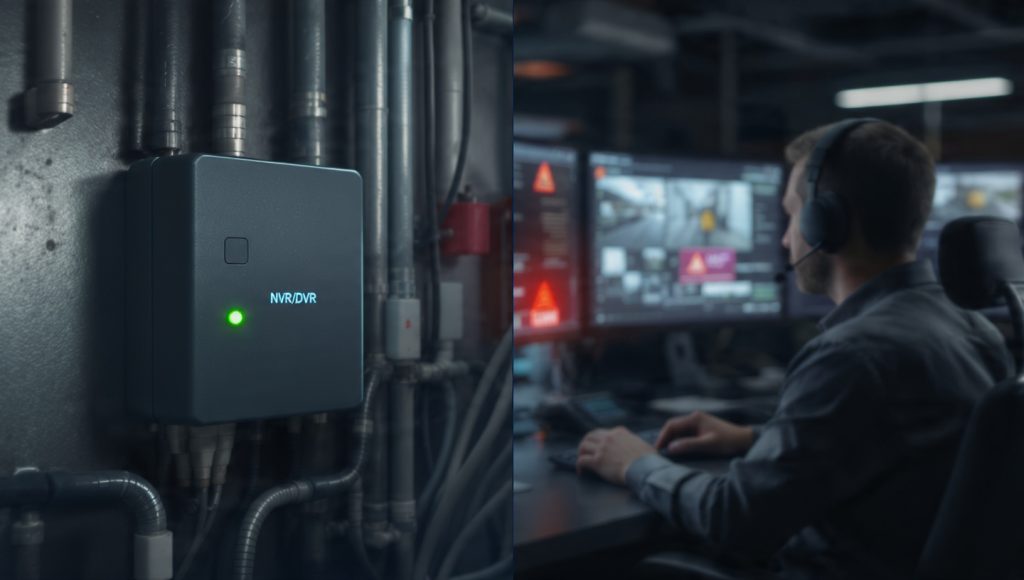
In addition to providing real-time surveillance, monitored CCTV systems excel in evidence collection. In the unfortunate event of a crime, having access to high-quality video footage can be invaluable for law enforcement investigations. Monitored systems often utilize advanced technology that captures clear images and audio, making it easier to identify suspects and gather crucial details about the incident. This level of detail can significantly aid in prosecution efforts and increase the likelihood of securing convictions.
Moreover, monitored CCTV systems typically offer cloud storage options, allowing for easy retrieval and sharing of footage with law enforcement agencies. This streamlined process ensures that evidence is preserved and readily available when needed, eliminating concerns about data loss or degradation over time. The ability to provide comprehensive evidence not only strengthens individual cases but also contributes to broader crime prevention efforts by establishing patterns and trends within specific areas.
In the ongoing debate about the effectiveness of monitored versus recorded CCTV systems, it’s essential to consider how each option impacts security response and deterrence. A related article discusses the benefits of back-to-base security systems, highlighting their role in providing ultimate protection for your property. By integrating monitoring services, these systems can significantly enhance the speed of response to incidents, making them a valuable addition to any security strategy. For more insights on this topic, you can read the article here.
Real-Time Decision Making with Monitored CCTV
One of the standout features of monitored CCTV is its capacity for real-time decision-making. Security personnel monitoring live feeds can assess situations as they develop and make informed decisions on how to respond effectively. This capability is particularly crucial in high-stakes scenarios where every second counts, such as during a burglary or an active threat situation. The immediacy of information allows for swift action, whether it involves alerting law enforcement or activating additional security measures.
Additionally, real-time decision-making extends beyond emergency situations. Monitoring teams can identify potential vulnerabilities or suspicious behavior before they escalate into serious incidents. For example, if a person is loitering around a property without cause, security personnel can intervene proactively rather than waiting for an incident to occur. This proactive approach not only enhances safety but also fosters a sense of security among residents and employees alike.
In the ongoing debate about the effectiveness of monitored versus recorded CCTV systems, it’s essential to consider how real-time monitoring can enhance response times and deter criminal activity. For those interested in further exploring security measures, a related article discusses the benefits of back-to-base alarms and how they complement surveillance systems. This comprehensive guide provides insights into how these alarms work in conjunction with CCTV to create a robust security solution. You can read more about it in this complete guide that highlights the importance of integrated security systems.
Potential Drawbacks of Recorded CCTV
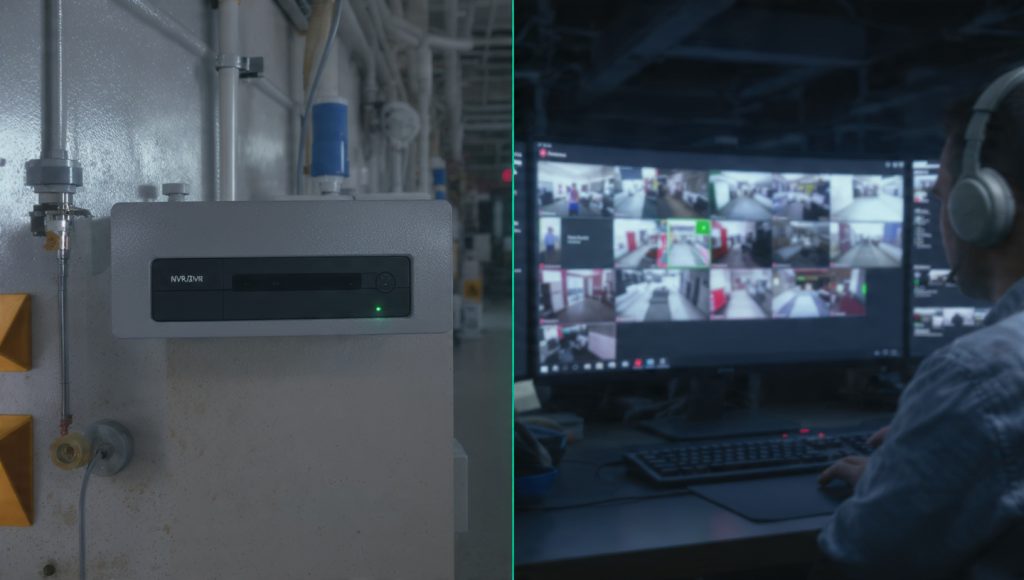
Our company offers reliable 24/7 back-to-base alarm monitoring services to keep your property safe at all times.
While recorded CCTV systems have their merits, they also come with notable drawbacks that can limit their effectiveness in certain situations. One significant limitation is the delayed response time associated with reviewing recorded footage. In the event of an incident, security personnel must first sift through hours of video to identify relevant moments, which can lead to critical delays in addressing the situation at hand. This lag time can be detrimental in emergencies where immediate action is required.
Furthermore, recorded footage may not always provide the clarity needed for effective evidence collection. Depending on the quality of the cameras and storage capabilities, video may be grainy or difficult to interpret, making it challenging for law enforcement to identify suspects or gather useful information. In contrast, monitored systems prioritize high-quality imaging and immediate access to footage, ensuring that evidence is both reliable and actionable.
The Importance of Proactive Monitoring
Proactive monitoring is a cornerstone of effective security management, and it is one area where monitored CCTV systems truly shine. By continuously observing live feeds and analyzing behavior patterns, monitoring teams can identify potential threats before they escalate into serious incidents. This proactive approach not only enhances safety but also fosters a culture of vigilance within communities and organizations.
Moreover, proactive monitoring allows for tailored responses based on specific circumstances. For instance, if a monitoring team notices unusual activity at a business after hours, they can alert local law enforcement while simultaneously communicating with on-site security personnel. This coordinated effort ensures that appropriate measures are taken swiftly, minimizing potential damage or loss. Ultimately, proactive monitoring transforms security from a reactive measure into a comprehensive strategy focused on prevention.
Utilizing Monitored CCTV for Crime Prevention
The role of monitored CCTV in crime prevention cannot be overstated. By providing real-time surveillance and immediate response capabilities, these systems create an environment where criminal activity is less likely to occur. Businesses and residential areas equipped with monitored CCTV often experience lower crime rates compared to those relying solely on recorded systems or no surveillance at all.
Additionally, monitored CCTV can be integrated with other security measures such as access control systems and alarm notifications to create a comprehensive security network. This integration allows for seamless communication between various components of a security system, enhancing overall effectiveness in deterring crime. As communities increasingly prioritize safety and security, investing in monitored CCTV becomes an essential component of any crime prevention strategy.
Advantages of Monitored CCTV in High-Risk Areas
In high-risk areas where crime rates are elevated, the advantages of monitored CCTV become even more pronounced. These systems provide an added layer of protection for businesses and residents who may feel vulnerable due to their surroundings. The presence of live monitoring not only deters potential criminals but also instills confidence among community members who know that their safety is being actively prioritized.
Moreover, monitored CCTV systems can be tailored to meet the specific needs of high-risk environments. For example, additional cameras may be installed in areas with higher foot traffic or blind spots to ensure comprehensive coverage. The ability to adapt and enhance security measures based on real-time data further solidifies the value of monitored CCTV in safeguarding vulnerable locations.

Integrating Monitoring Technology with Law Enforcement
The integration of monitored CCTV technology with law enforcement agencies represents a significant advancement in public safety efforts. By establishing partnerships between private security providers and local police departments, communities can create a more cohesive approach to crime prevention and response. Real-time access to surveillance footage allows law enforcement to respond more effectively to incidents as they occur.
Additionally, this collaboration fosters trust between residents and law enforcement agencies. When community members see that their safety concerns are being taken seriously through proactive monitoring efforts, they are more likely to engage with law enforcement positively. This partnership not only enhances public safety but also promotes community cohesion by creating an environment where residents feel supported and protected.
The Value of Monitored CCTV for Public Safety
In conclusion, the value of monitored CCTV systems extends far beyond mere surveillance; they represent a proactive approach to public safety that prioritizes immediate response capabilities and crime prevention strategies. By offering real-time monitoring and enhanced evidence collection, these systems empower individuals and communities to take control of their safety while deterring criminal activity effectively.
As we navigate an increasingly complex world where safety concerns are paramount, investing in monitored CCTV becomes not just a choice but a necessity for those seeking peace of mind. Whether for residential properties or commercial enterprises, the benefits of monitored CCTV are clear: enhanced security, improved response times, and ultimately, a safer environment for all.