


Office Security Systems Sydney: A Layered Setup Using CCTV, Access Control and Alarm Monitoring
In today’s fast-paced business environment, the importance of robust office security systems Sydney cannot be overstated. With the rise in crime rates and the increasing sophistication of criminal activities, businesses must prioritize the safety of their employees, assets, and sensitive information. A well-implemented security system not only deters potential intruders but also fosters a sense of safety among employees, which can enhance productivity and morale. When employees feel secure in their work environment, they are more likely to focus on their tasks without the distraction of safety concerns.
Moreover, office security systems play a crucial role in protecting a company’s reputation. A single security breach can lead to significant financial losses, legal repercussions, and damage to a brand’s image. Customers and clients expect businesses to safeguard their data and maintain a secure environment. Therefore, investing in comprehensive security measures is not just a matter of compliance; it is essential for maintaining trust and credibility in the marketplace. By prioritizing security, businesses can create a safe haven for their operations while simultaneously enhancing their overall brand value.
For those interested in enhancing their understanding of home security, a related article titled “Home Security Installation: Keeping an Eye on Pets While You’re Away from Home” provides valuable insights into how modern security systems can be tailored to meet various needs. This article complements the discussion on Office Security Systems in Sydney by highlighting the importance of integrating technology, such as CCTV and alarm monitoring, into everyday life. To read more about this topic, visit the article here.
Understanding the Components: CCTV, Access Control, and Alarm Monitoring
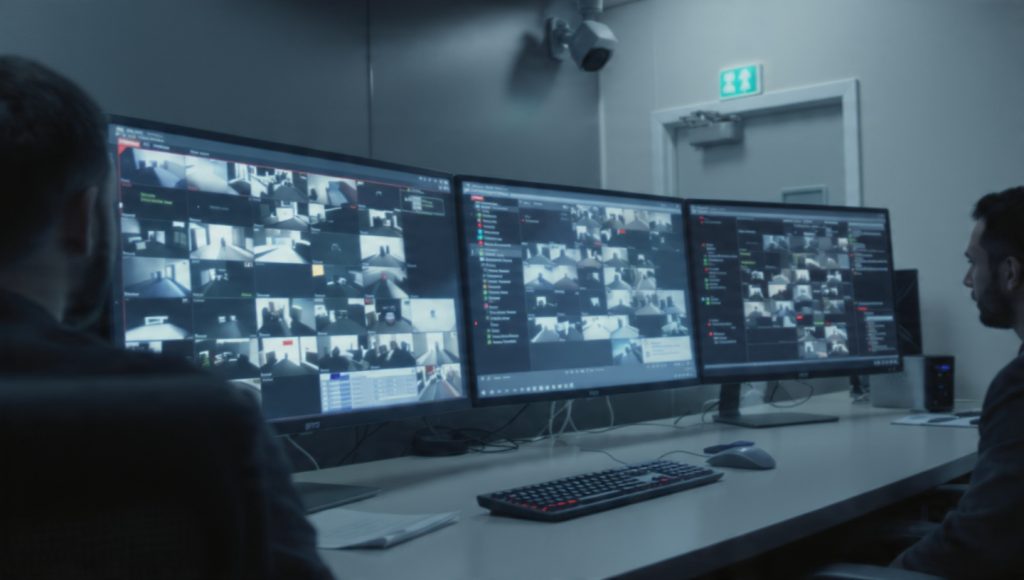
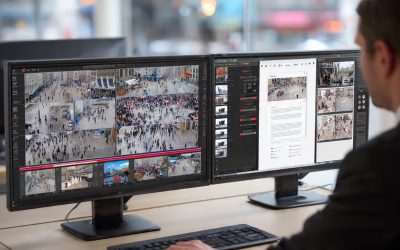
To create an effective office security system, it is essential to understand its key components: CCTV, access control, and alarm monitoring. Closed-circuit television (CCTV) systems are vital for surveillance and monitoring activities within and around the office premises. These cameras provide real-time footage that can be invaluable in identifying suspicious behavior or incidents. Modern CCTV technology offers high-definition video quality, night vision capabilities, and remote access features, allowing business owners to monitor their premises from anywhere at any time.
Access control systems are another critical element of office security. These systems regulate who can enter specific areas within a building, ensuring that only authorized personnel have access to sensitive locations. By utilizing key cards, biometric scanners, or mobile access solutions, businesses can effectively manage entry points and track employee movements. This not only enhances security but also helps in maintaining an organized workplace where sensitive information is protected from unauthorized access.
Alarm monitoring systems serve as the third pillar of a comprehensive security strategy. These systems are designed to detect unauthorized entry or other emergencies, such as fire or gas leaks. When an alarm is triggered, it alerts the monitoring center, which can then take immediate action by notifying law enforcement or emergency services. This rapid response capability is crucial for minimizing damage and ensuring the safety of employees and assets.
The Benefits of a Layered Security System
A layered security system combines multiple security measures to create a comprehensive defense against potential threats. This approach is particularly effective because it addresses various vulnerabilities within an organization. For instance, while CCTV cameras may deter opportunistic thieves, access control systems can prevent unauthorized individuals from entering restricted areas. By integrating these components, businesses can create a more resilient security posture that is difficult for intruders to breach.
Additionally, a layered security system provides redundancy; if one component fails or is compromised, others remain in place to protect the organization. For example, if a CCTV camera malfunctions, the access control system can still restrict entry to sensitive areas. This redundancy ensures that businesses are not left vulnerable due to a single point of failure. Furthermore, having multiple layers of security can enhance the overall effectiveness of each component, as they work together to create a cohesive defense strategy.
Choosing the Right Office Security System for Your Business
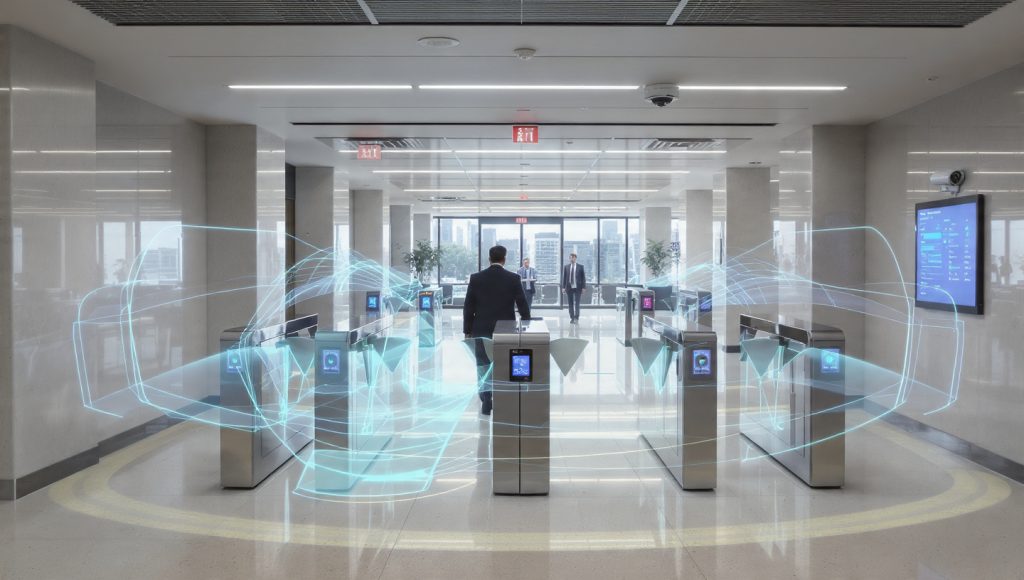
Selecting the right office security system requires careful consideration of various factors unique to each business. First and foremost, it is essential to assess the specific security needs based on the size and layout of the office space. Larger organizations may require more extensive surveillance coverage and advanced access control measures compared to smaller businesses. Conducting a thorough risk assessment can help identify potential vulnerabilities and inform the selection process.
Another critical aspect to consider is the type of industry in which the business operates. Certain sectors, such as healthcare or finance, may have stricter regulatory requirements regarding data protection and physical security. Understanding these regulations is vital when choosing a security system that complies with legal standards while effectively safeguarding sensitive information. Additionally, consulting with security experts can provide valuable insights into the latest technologies and best practices tailored to your industry.
In the realm of office security systems in Sydney, a layered approach incorporating CCTV, access control, and alarm monitoring is essential for comprehensive protection. For those interested in understanding how similar security measures can be applied in different environments, a related article discusses how hotel access control systems enhance guest safety and overall business security. You can read more about this topic in the article available here. This connection highlights the importance of robust security solutions across various sectors.
Integrating CCTV for Surveillance and Monitoring
CCTV systems are an integral part of any office security strategy, providing continuous surveillance and monitoring capabilities. When integrating CCTV into an office environment, it is essential to strategically position cameras to maximize coverage while minimizing blind spots. High-traffic areas such as entrances, exits, and common spaces should be prioritized for camera placement to ensure comprehensive monitoring.
Modern CCTV technology offers advanced features such as motion detection, facial recognition, and cloud storage options. These capabilities enhance the effectiveness of surveillance by allowing for real-time alerts and easy access to recorded footage. Furthermore, integrating CCTV with other security components—such as access control systems—can provide a more holistic view of security events within the office. For instance, if an unauthorized entry is detected by the access control system, the corresponding CCTV camera can automatically begin recording to capture any suspicious activity.
In today’s world, ensuring the safety of your office environment is paramount, and a layered approach to security can significantly enhance protection. For those interested in comprehensive security solutions, incorporating CCTV, access control, and alarm monitoring is essential. A related article discusses the advantages of active back-to-base alarm monitoring for both businesses and homeowners, highlighting its importance in maintaining a secure premises. You can read more about this vital aspect of security in the article found here. By integrating these systems, you can create a robust security framework that deters potential threats and ensures peace of mind.
Implementing Access Control for Restricted Areas
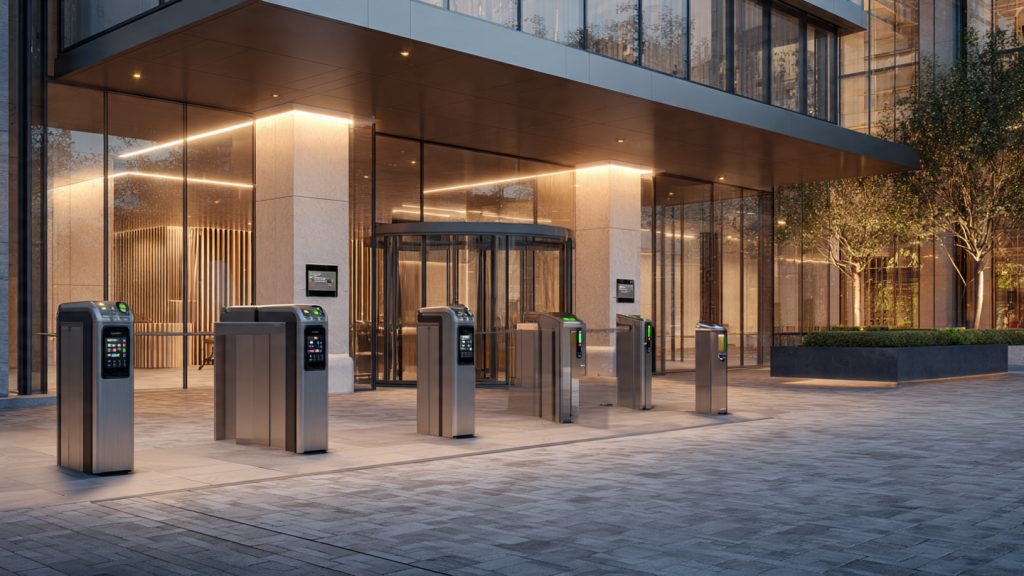
A security camera is a crucial component for ensuring the safety of your property.
Access control systems are essential for managing entry to restricted areas within an office environment. By implementing these systems, businesses can ensure that only authorized personnel have access to sensitive locations such as server rooms or financial departments. Various access control methods are available, including key cards, biometric scanners (such as fingerprint or facial recognition), and mobile access solutions that utilize smartphones.
When designing an access control system, it is crucial to consider the specific needs of the organization. For example, businesses with multiple locations may benefit from centralized management software that allows administrators to monitor and control access across all sites from a single platform. Additionally, implementing tiered access levels can further enhance security by granting different permissions based on employee roles and responsibilities.
Regularly reviewing and updating access permissions is also vital for maintaining an effective access control system. As employees change roles or leave the organization, their access rights should be adjusted accordingly to prevent unauthorized entry into restricted areas.
Utilizing Alarm Monitoring for Immediate Response
Alarm monitoring systems are critical for ensuring rapid response in case of emergencies or security breaches. These systems are designed to detect unauthorized entry or other incidents that may pose a threat to the safety of employees and assets. When an alarm is triggered—whether due to a break-in or environmental hazard—the monitoring center receives an immediate notification and can take swift action.
The benefits of alarm monitoring extend beyond mere detection; they also provide peace of mind for business owners and employees alike. Knowing that there is a dedicated team monitoring the premises 24/7 allows organizations to focus on their core operations without constantly worrying about potential threats. Furthermore, many alarm monitoring services offer additional features such as remote notifications via mobile apps or email alerts, ensuring that key personnel are informed of any incidents in real-time.
Incorporating alarm monitoring into an overall security strategy enhances the effectiveness of other components as well. For instance, if an alarm is triggered in conjunction with CCTV footage showing suspicious activity, law enforcement can respond more effectively with concrete evidence at hand.

The Role of Technology in Office Security Systems
Technology plays a pivotal role in modern office security systems, enabling businesses to implement advanced measures that were once unimaginable. Innovations such as artificial intelligence (AI) and machine learning have transformed how organizations approach security by providing intelligent analytics that can identify patterns and anomalies in behavior. For example, AI-powered surveillance systems can automatically flag unusual activities or recognize faces in real-time, allowing for quicker responses to potential threats.
Additionally, cloud-based solutions have revolutionized how businesses store and manage security data. With cloud storage options for CCTV footage and alarm logs, organizations can easily access historical data from anywhere at any time without worrying about physical storage limitations. This flexibility not only enhances operational efficiency but also ensures that critical information is readily available when needed.
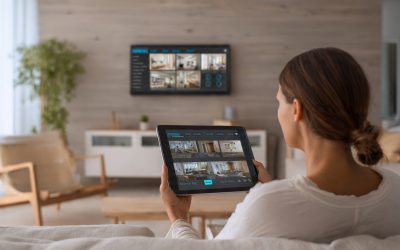
Moreover, advancements in mobile technology have made it easier than ever for business owners to monitor their premises remotely. Mobile apps allow users to view live camera feeds, receive alerts from alarm systems, and manage access control settings—all from their smartphones or tablets. This level of accessibility empowers organizations to stay connected with their security systems even when they are away from the office.
Customizing Security Systems for Different Office Environments
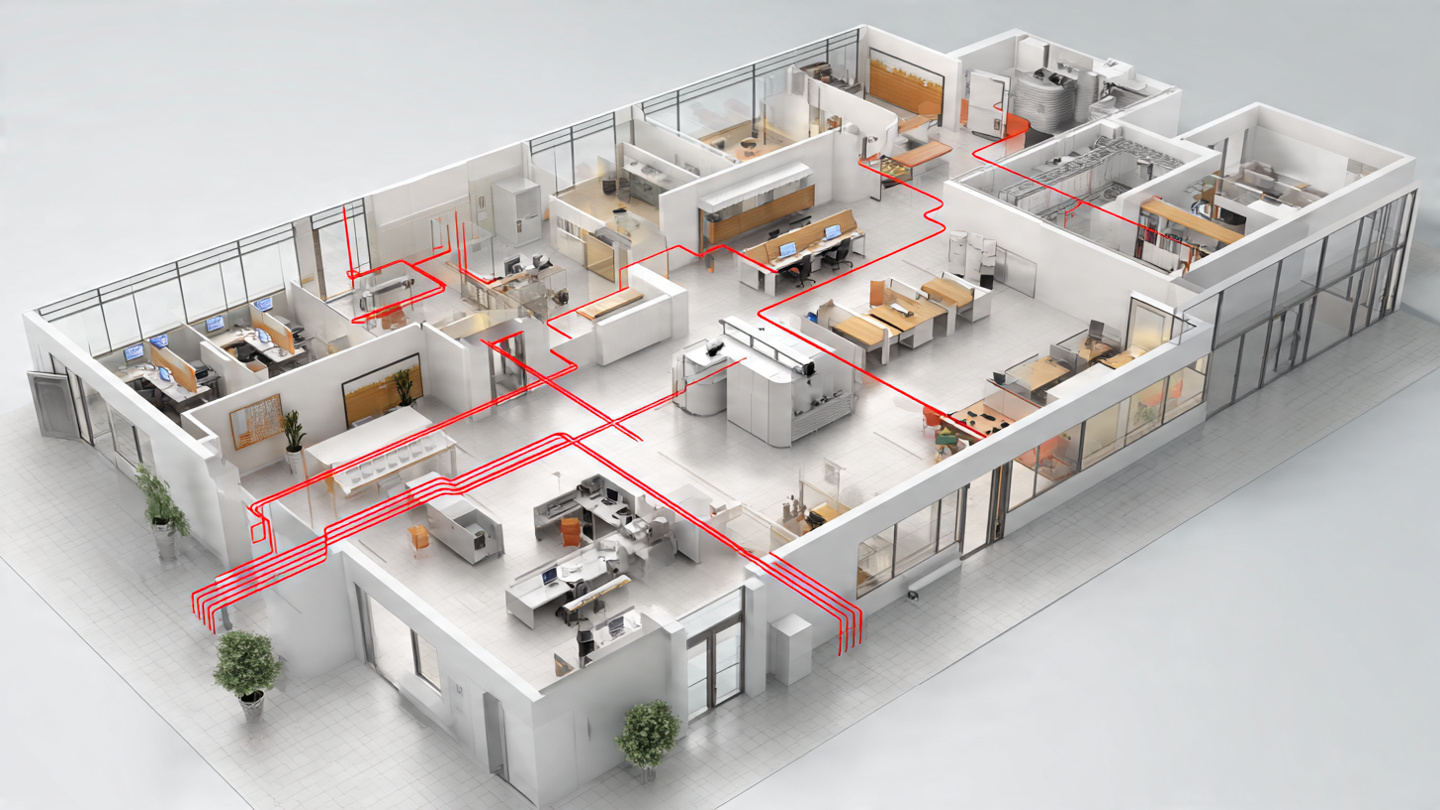
Every office environment is unique, requiring tailored security solutions that address specific challenges and vulnerabilities. Factors such as layout, employee density, and industry regulations all influence how a security system should be designed and implemented. For instance, open-plan offices may require different surveillance strategies compared to multi-story buildings with numerous restricted areas.
Customizing security systems also involves considering employee behavior and traffic patterns within the office space. Understanding how employees move throughout the building can help identify high-risk areas that may require additional surveillance or access control measures. Furthermore, engaging employees in discussions about their concerns regarding safety can provide valuable insights into potential vulnerabilities that may not be immediately apparent.
Working with experienced security professionals can facilitate this customization process by providing expert guidance on best practices tailored to your specific office environment. They can conduct thorough assessments and recommend solutions that align with your organization’s goals while ensuring compliance with relevant regulations.
Ensuring Compliance with Legal and Regulatory Requirements
Compliance with legal and regulatory requirements is a critical aspect of implementing an effective office security system. Different industries have varying standards regarding data protection and physical security measures that organizations must adhere to in order to avoid legal repercussions or penalties. For example, healthcare facilities must comply with HIPAA regulations regarding patient privacy while financial institutions must follow strict guidelines related to safeguarding sensitive financial information.
Understanding these requirements is essential when designing a security system that meets both organizational needs and legal obligations. Businesses should conduct regular audits of their security measures to ensure ongoing compliance with applicable laws and regulations. Additionally, staying informed about changes in legislation can help organizations proactively adjust their security strategies as needed.
Engaging legal counsel or compliance experts can provide valuable insights into navigating complex regulatory landscapes while ensuring that your office security system remains effective and compliant.
Maintaining and Upgrading Your Office Security System
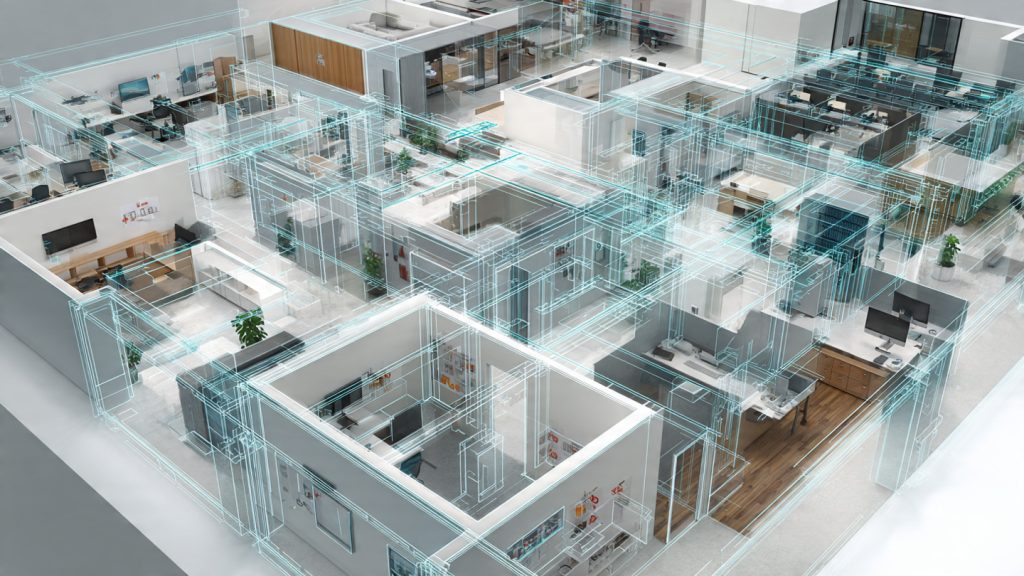
Maintaining and upgrading your office security system is crucial for ensuring its continued effectiveness over time. Regular maintenance checks should be conducted to identify any potential issues with equipment such as CCTV cameras or alarm systems before they become significant problems. This proactive approach helps minimize downtime while ensuring that all components function optimally when needed most.
Upgrading technology is also essential as advancements continue to emerge within the field of office security systems. New features—such as enhanced video analytics capabilities or improved access control methods—can significantly enhance overall effectiveness while addressing evolving threats faced by organizations today.
Investing in ongoing training for employees regarding best practices related to safety protocols further strengthens your organization’s commitment towards maintaining a secure environment over time.
In conclusion, implementing an effective office security system requires careful consideration of various components such as CCTV cameras, access control measures, alarm monitoring services—and how they work together cohesively within your unique environment while ensuring compliance with legal requirements along the way! By prioritizing these aspects diligently over time through regular maintenance & upgrades—you’ll create not just safer workplaces but also foster trust among employees & clients alike!