


Protect Your Business with a Commercial Security System
In today’s rapidly evolving world, the significance of a robust commercial security system cannot be overstated. Businesses face an array of threats, from theft and vandalism to cyber-attacks and workplace violence. A well-implemented security system serves as a deterrent against these threats, safeguarding not only physical assets but also the safety of employees and customers.
The presence of security measures can instill a sense of confidence among staff and clientele, fostering a secure environment conducive to productivity and growth. Moreover, the financial implications of inadequate security can be devastating. A single incident of theft or vandalism can lead to substantial losses, not just in terms of stolen goods but also in potential legal liabilities and damage to reputation.
Investing in a comprehensive commercial security system is not merely a precaution; it is a strategic decision that can protect a business’s bottom line. By prioritizing security, companies can focus on their core operations without the looming fear of potential threats. Secure your smart home with the latest technology by visiting SECURE YOUR Smart Home.
Key Takeaways
- Commercial security systems are essential for protecting business assets and ensuring safety.
- Various types include surveillance cameras, access control, alarms, and integrated systems.
- Benefits include theft prevention, employee safety, and enhanced operational control.
- Key factors in choosing a system are business size, security needs, budget, and technology compatibility.
- Regular maintenance and professional monitoring improve system effectiveness and response times.
Types of Commercial Security Systems
Commercial security systems come in various forms, each designed to address specific vulnerabilities and operational needs. One of the most common types is the intrusion detection system, which includes alarms and motion sensors that alert business owners to unauthorized access. These systems can be tailored to fit the unique layout and requirements of a facility, ensuring comprehensive coverage.
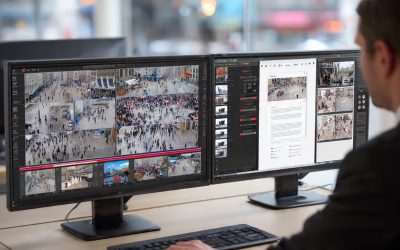
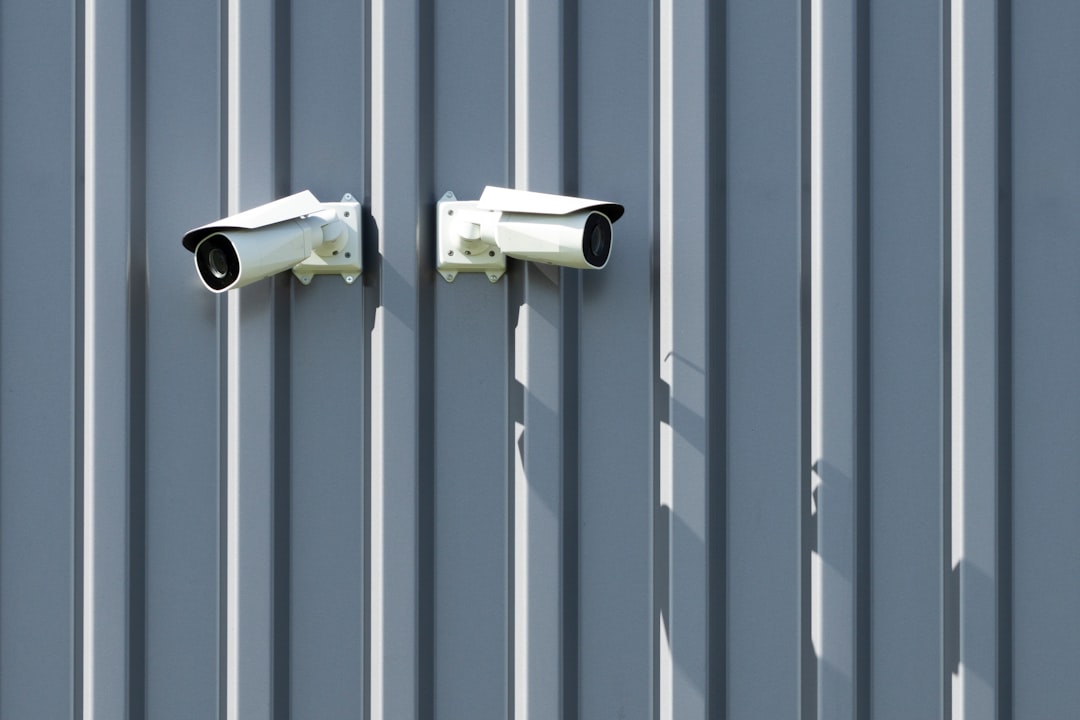
Another essential component is video surveillance, which utilizes closed-circuit television (CCTV) cameras to monitor activities within and around the premises. Modern surveillance systems offer high-definition video quality, remote access capabilities, and advanced features such as motion detection and facial recognition. Additionally, access control systems play a crucial role in regulating who can enter specific areas of a business.
These systems can range from simple keycard access to sophisticated biometric scanners, providing an added layer of security by restricting entry to authorized personnel only.
Benefits of Installing a Commercial Security System
The advantages of installing a commercial security system extend far beyond mere protection against theft. One significant benefit is the peace of mind it provides to business owners and employees alike. Knowing that there are measures in place to deter criminal activity allows staff to concentrate on their work without the constant worry of potential threats.
This sense of security can lead to increased employee morale and productivity. Furthermore, a well-designed security system can enhance operational efficiency. For instance, integrating surveillance with access control allows for streamlined monitoring of employee movements and visitor access.
This not only helps in maintaining security but also aids in managing resources effectively. Additionally, many insurance companies offer reduced premiums for businesses that have robust security measures in place, translating into long-term financial savings.

Factors to Consider When Choosing a Commercial Security System
Selecting the right commercial security system requires careful consideration of several factors. First and foremost, businesses must assess their specific security needs based on their size, location, and industry. A retail store may require different security measures compared to a manufacturing facility or an office building.
Conducting a thorough risk assessment can help identify vulnerabilities and inform the selection process. Another critical factor is scalability. As businesses grow and evolve, their security needs may change.
Therefore, it is essential to choose a system that can be easily expanded or upgraded without significant disruptions. Additionally, compatibility with existing infrastructure should be considered; integrating new systems with current technology can enhance overall efficiency and effectiveness.
Integrating Access Control and Surveillance Systems
The integration of access control and surveillance systems represents a significant advancement in commercial security technology. By combining these two elements, businesses can create a cohesive security strategy that enhances overall protection. For instance, when an access control system is linked with surveillance cameras, any unauthorized access attempts can be recorded in real-time, providing valuable evidence for investigations.
Moreover, integrated systems allow for centralized monitoring and management. Security personnel can oversee both access points and surveillance feeds from a single interface, streamlining operations and improving response times in case of incidents. This level of integration not only enhances security but also simplifies the management process, making it easier for businesses to maintain oversight over their operations.
Monitoring and Response Services for Commercial Security Systems
Monitoring and response services are integral components of an effective commercial security system. These services ensure that any alerts generated by the security system are promptly addressed by trained professionals. Many businesses opt for 24/7 monitoring services that provide round-the-clock surveillance and immediate response capabilities in case of emergencies.
In the event of an alarm activation or suspicious activity detected by surveillance cameras, monitoring personnel can quickly assess the situation and take appropriate action. This may involve contacting local law enforcement or dispatching on-site security personnel to investigate further. The presence of dedicated monitoring services significantly reduces response times, which can be crucial in preventing or minimizing damage during security incidents.

Best Practices for Maintaining a Commercial Security System
Maintaining a commercial security system is essential for ensuring its effectiveness over time. Regular inspections and testing should be conducted to verify that all components are functioning correctly. This includes checking alarm systems, surveillance cameras, and access control mechanisms to ensure they are operational and free from obstructions.
Additionally, staff training plays a vital role in maintaining security protocols. Employees should be educated on how to respond to alarms, recognize suspicious behavior, and understand the importance of following established security procedures. Regular training sessions can help reinforce these practices and keep security top-of-mind for all personnel.
Cost Considerations for Implementing a Commercial Security System
When considering the implementation of a commercial security system, cost is often a primary concern for business owners. The initial investment can vary significantly based on the complexity of the system and the specific needs of the business. However, it is essential to view this expenditure as an investment rather than merely a cost.
While there may be upfront expenses associated with purchasing equipment and installation services, the long-term benefits often outweigh these initial costs. Businesses should also consider ongoing expenses such as monitoring fees, maintenance costs, and potential upgrades as part of their budgeting process. By evaluating the total cost of ownership over time, companies can make informed decisions that align with their financial goals while ensuring robust protection against potential threats.
In conclusion, the importance of a commercial security system cannot be underestimated in today’s business landscape. With various types available to suit different needs, the benefits extend beyond mere protection to include enhanced operational efficiency and peace of mind for employees and owners alike. By carefully considering factors such as scalability and integration capabilities, businesses can select systems that not only meet their current requirements but also adapt as they grow.
Ultimately, investing in a comprehensive commercial security solution is a proactive step toward safeguarding assets and ensuring long-term success in an increasingly uncertain world.
When considering the implementation of a commercial security system, it’s essential to understand the various features that can enhance your business’s protection. A related article that delves into this topic is titled “Top Features of Commercial Alarm Systems for Total Business Protection,” which outlines the key elements that make up an effective alarm system. You can read more about it by following this link: Top Features of Commercial Alarm Systems for Total Business Protection.