


Protect Your Home with a Security Camera
In today’s world, the significance of home security cameras cannot be overstated. With rising crime rates and increasing concerns about personal safety, homeowners are turning to technology to safeguard their properties. Security cameras serve as a deterrent to potential intruders, providing a visible reminder that they are being watched.
This not only helps in preventing break-ins but also offers peace of mind to residents, knowing that their homes are under constant surveillance. The presence of cameras can significantly reduce the likelihood of criminal activity, making neighborhoods safer for everyone. Moreover, home security cameras play a crucial role in providing evidence in the event of a crime.
In the unfortunate circumstance that a break-in occurs, recorded footage can be invaluable for law enforcement agencies. It can help identify suspects, provide timelines of events, and even assist in recovering stolen property. Additionally, many modern security systems come equipped with features that allow homeowners to receive alerts and notifications in real-time, enabling them to respond quickly to any suspicious activity.
This proactive approach to security not only protects physical assets but also enhances the overall sense of safety for families. Please visit SECURE YOUR Smart Home to ensure the safety and intelligence of your connected devices.
Key Takeaways
- Home security cameras are essential for deterring crime and enhancing household safety.
- Various types of cameras, such as wired, wireless, and doorbell cameras, suit different home needs.
- Proper installation and strategic placement maximize camera effectiveness and coverage.
- Key features to consider include night vision, motion detection, and high-resolution video.
- Integrating cameras with smart home systems allows for remote monitoring and seamless control.
Types of Security Cameras for Home Use
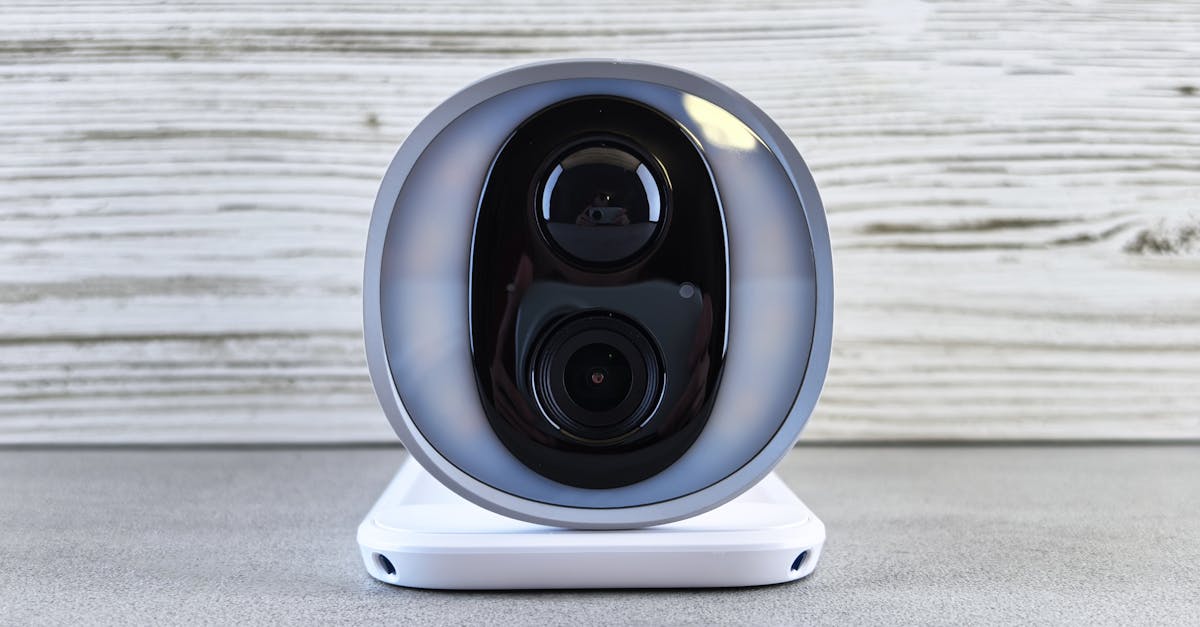
When it comes to selecting security cameras for home use, there are several types available, each designed to meet different needs and preferences. One of the most common types is the indoor camera, which is typically used to monitor the interior of a home. These cameras can be placed in various rooms and are often equipped with features such as two-way audio and night vision.
Indoor cameras are ideal for keeping an eye on children, pets, or even monitoring service personnel while they are in your home. On the other hand, outdoor security cameras are specifically designed to withstand the elements and provide surveillance for the exterior of a property. These cameras often come with weatherproof casings and enhanced night vision capabilities to ensure clear footage in low-light conditions.
Additionally, some outdoor models feature motion detection technology that can alert homeowners when movement is detected in their yard or driveway. Another popular option is the doorbell camera, which combines traditional doorbell functionality with video surveillance. This allows homeowners to see and communicate with visitors at their doorstep, enhancing security while providing convenience.
Installation and Placement of Home Security Cameras
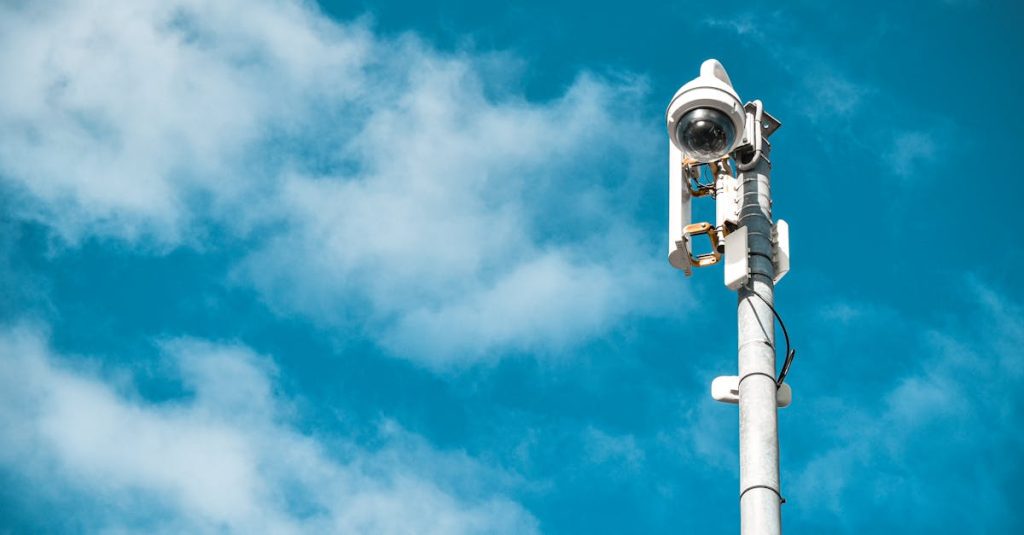
Proper installation and placement of home security cameras are critical to maximizing their effectiveness. When installing cameras, it is essential to consider the areas that require monitoring. High-traffic zones such as entry points, driveways, and backyards should be prioritized, as these are often the most vulnerable areas for potential intruders.
Additionally, placing cameras at elevated positions can provide a broader field of view while making it more difficult for tampering or vandalism. Another important factor to consider is the angle and direction of the cameras. Ideally, cameras should be positioned to capture clear images of faces and license plates while minimizing obstructions from trees or other structures.
It is also advisable to avoid placing cameras in direct sunlight, as glare can affect image quality. For those who prefer a more discreet approach, hidden cameras can be installed in everyday objects around the home. Regardless of the type chosen, ensuring that all cameras are securely mounted and properly connected to a power source is essential for reliable operation.
Features to Look for in a Home Security Camera
When selecting a home security camera, there are several key features that homeowners should consider to ensure they choose the right system for their needs. One of the most important features is video resolution. Higher resolution cameras provide clearer images, making it easier to identify individuals or details in recorded footage.
Many modern cameras offer HD or even 4K resolution options, which can significantly enhance image quality. Another critical feature is night vision capability. Since many crimes occur after dark, having a camera that can capture clear footage in low-light conditions is essential for effective surveillance.
Infrared night vision technology allows cameras to record in complete darkness, ensuring that homeowners have 24/7 monitoring capabilities. Additionally, features such as motion detection and alerts can enhance security by notifying homeowners of any unusual activity around their property. Some advanced models even offer facial recognition technology and cloud storage options for easy access to recorded footage.
Integrating Home Security Cameras with Smart Home Systems
The integration of home security cameras with smart home systems has revolutionized how homeowners manage their security needs. By connecting security cameras to smart home platforms, users can control and monitor their systems from a single interface, often through a smartphone app or voice-activated device. This seamless integration allows homeowners to receive real-time alerts, view live feeds, and even control other smart devices such as lights and locks from one central location.
Moreover, smart home integration enhances the overall functionality of security systems. For instance, when motion is detected by a camera, it can trigger other smart devices to respond accordingly—such as turning on outdoor lights or locking doors automatically. This interconnectedness not only improves security but also adds convenience to daily routines.
As technology continues to advance, the possibilities for integrating home security with smart systems will only expand, providing homeowners with even more comprehensive solutions for safeguarding their properties.
Monitoring and Accessing Home Security Cameras Remotely
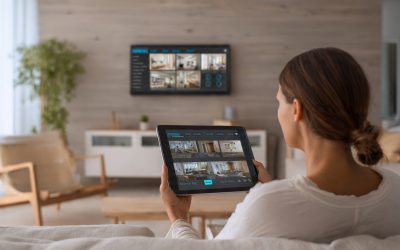
One of the most significant advantages of modern home security cameras is the ability to monitor and access footage remotely. Many systems now offer cloud-based storage solutions that allow homeowners to view live feeds or recorded footage from anywhere in the world using their smartphones or tablets. This feature provides unparalleled convenience and peace of mind, as users can check on their homes while at work or on vacation.
Remote access also enables homeowners to respond quickly to any potential threats. For example, if a camera detects motion while the homeowner is away, they can receive an instant notification on their device and view the live feed to assess the situation. In some cases, users can even communicate through two-way audio features to deter intruders or reassure family members at home.
This level of accessibility not only enhances security but also fosters a sense of control over one’s living environment.
Privacy and Legal Considerations for Home Security Cameras
While home security cameras offer numerous benefits, it is essential for homeowners to be aware of privacy and legal considerations associated with their use. In many jurisdictions, there are laws governing where and how surveillance cameras can be installed. For instance, it is generally illegal to record audio without consent in many areas, so homeowners should ensure that their systems comply with local regulations regarding audio recording capabilities.
Additionally, homeowners should be mindful of where they place their cameras to avoid infringing on the privacy of neighbors or passersby. Cameras should primarily focus on private property rather than public spaces or neighboring homes. It is also advisable to inform guests about the presence of security cameras within your home to maintain transparency and trust.
By adhering to legal guidelines and respecting privacy concerns, homeowners can enjoy the benefits of security cameras while minimizing potential conflicts.

Maintaining and Upgrading Home Security Cameras
To ensure optimal performance and longevity of home security cameras, regular maintenance is essential. This includes routine checks on camera functionality, cleaning lenses to remove dust or debris that may obstruct views, and verifying that all connections are secure. Additionally, homeowners should periodically review recorded footage to ensure that cameras are capturing clear images and functioning as intended.
As technology continues to evolve, upgrading home security systems may also be necessary to keep pace with advancements in surveillance technology. Newer models often come equipped with enhanced features such as improved resolution, advanced motion detection algorithms, and better integration capabilities with smart home systems. By staying informed about the latest developments in security technology and considering upgrades when necessary, homeowners can ensure that their security measures remain effective against emerging threats.
In conclusion, investing in home security cameras is an essential step toward protecting your property and enhancing your peace of mind. By understanding the various types available, considering installation best practices, evaluating key features, integrating with smart systems, monitoring remotely, adhering to legal guidelines, and maintaining equipment properly, homeowners can create a robust security framework that adapts to their evolving needs. With the right approach and technology in place, families can enjoy greater safety and security within their homes.
When considering the installation of a home security camera, it’s essential to evaluate your current security measures and determine if an upgrade is necessary. For insights on whether you should enhance your home security system, you can read this informative article on the topic. It provides valuable information that can help you make an informed decision about your security needs. Check it out here: Do You Need to Upgrade Your Home Security System?.