


Protect Your Home with CCTV Surveillance
In an age where crime rates fluctuate and security threats loom large, the importance of surveillance for home security cannot be overstated. Homeowners are increasingly recognizing that traditional locks and alarms may not be sufficient to deter intruders or provide peace of mind. CCTV systems serve as a formidable line of defense, offering real-time monitoring and recording capabilities that can significantly enhance the safety of a residence.
By installing cameras around the property, homeowners can keep an eye on their surroundings, deter potential criminals, and gather evidence in the unfortunate event of a break-in. Moreover, the psychological impact of having a system in place should not be underestimated. The mere presence of cameras can act as a deterrent to would-be intruders, who are often looking for easy targets.
Knowing that they are being watched can dissuade criminals from attempting to breach a property. Additionally, many modern CCTV systems come equipped with features such as motion detection and alerts, allowing homeowners to respond swiftly to any suspicious activity. This proactive approach to security not only protects physical assets but also fosters a sense of safety and well-being for residents. Secure your home with the latest technology by choosing SECURE YOUR Smart Home solutions today.
Key Takeaways
- CCTV surveillance significantly enhances home security by deterring crime and providing evidence.
- Selecting the right Video surveillance involves considering factors like camera type, resolution, and coverage area.
- Proper installation and strategic camera placement are crucial for effective monitoring.
- Integrating Security cameras with alarms and smart home devices improves overall security and convenience.
- Remote access allows homeowners to monitor their property anytime, but legal and ethical use must be observed.
How to Choose the Right CCTV System for Your Home
Selecting the right Observation camera system for your home is a critical decision that requires careful consideration of various factors. First and foremost, homeowners should assess their specific security needs. This includes evaluating the size of the property, the number of entry points, and any vulnerable areas that may require additional surveillance.
For instance, larger homes may benefit from multiple cameras strategically placed to cover all angles, while smaller residences might only need a few well-placed units. Another essential aspect to consider is the type of camera technology available. Homeowners can choose between analog and digital systems, with digital options often providing higher resolution images and advanced features such as remote access and cloud storage.
Additionally, it’s important to think about whether indoor or outdoor cameras are needed, as outdoor models must be weatherproof and equipped with night vision capabilities to function effectively in various conditions. By taking the time to evaluate these factors, homeowners can make an informed decision that aligns with their security requirements.
Installation and Placement Tips for CCTV Cameras
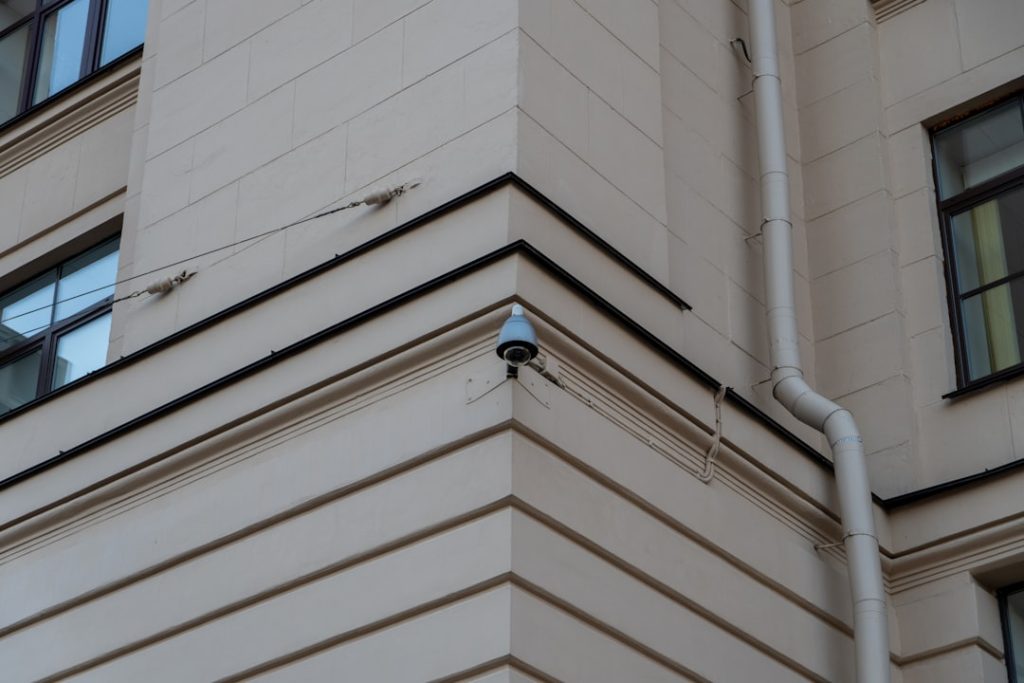
Once you have chosen the right CCTV system for your home, the next step is installation and placement. Proper positioning of cameras is crucial for maximizing their effectiveness. Ideally, cameras should be placed at strategic points around the property, such as entryways, driveways, and backyards.
It’s important to ensure that these areas are well-lit to enhance visibility during nighttime hours. Additionally, cameras should be mounted at a height that makes them difficult to tamper with while still capturing clear images of faces and license plates. When installing cameras, consider using a mix of fixed and pan-tilt-zoom (PTZ) cameras.
Fixed cameras provide consistent coverage of specific areas, while PTZ cameras offer flexibility by allowing users to adjust the viewing angle remotely. Furthermore, it’s advisable to avoid placing cameras in direct sunlight or areas with excessive glare, as this can hinder image quality. By following these installation and placement tips, homeowners can create a comprehensive surveillance system that effectively monitors their property.
Integrating CCTV Surveillance with Other Home Security Measures
CCTV surveillance is most effective when integrated with other home security measures. A multi-layered approach to security not only enhances protection but also provides homeowners with greater peace of mind. For instance, combining CCTV systems with alarm systems can create a robust defense against intruders.
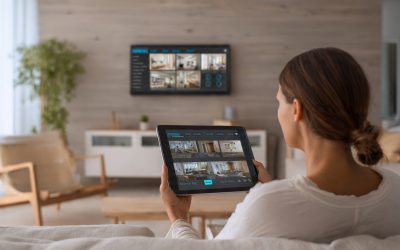
When an alarm is triggered, the CCTV system can automatically start recording, providing valuable footage that can be used by law enforcement. Additionally, integrating smart home technology with CCTV systems can further enhance security measures. Homeowners can connect their cameras to smart home hubs or apps, allowing them to monitor their property remotely from their smartphones or tablets.
This integration enables users to receive real-time alerts about suspicious activity and even communicate with visitors through two-way audio features. By creating a cohesive security ecosystem that includes CCTV surveillance alongside other measures, homeowners can significantly improve their overall safety.
Remote Monitoring and Access Control for CCTV Systems
One of the most significant advancements in CCTV technology is the ability to monitor your home remotely. Many modern CCTV systems come equipped with mobile applications that allow homeowners to access live feeds from their cameras at any time and from anywhere. This feature is particularly beneficial for those who travel frequently or spend long hours away from home.
With remote monitoring capabilities, homeowners can keep an eye on their property in real-time and receive instant notifications if any unusual activity is detected. Access control is another critical component of modern CCTV systems. Homeowners can set up user permissions for family members or trusted individuals, allowing them to view camera feeds or receive alerts without compromising security.
Some systems even offer facial recognition technology, enabling users to identify familiar faces and distinguish them from potential intruders. By leveraging remote monitoring and access control features, homeowners can maintain a vigilant watch over their property while enjoying the convenience of modern technology.
Legal and Ethical Considerations for Using CCTV Surveillance at Home

While CCTV surveillance offers numerous benefits for home security, it is essential for homeowners to be aware of the legal and ethical considerations associated with its use. Privacy laws vary by region, so it’s crucial to familiarize yourself with local regulations regarding video surveillance. In many jurisdictions, it is illegal to record audio without consent or to place cameras in areas where individuals have a reasonable expectation of privacy, such as bathrooms or bedrooms.
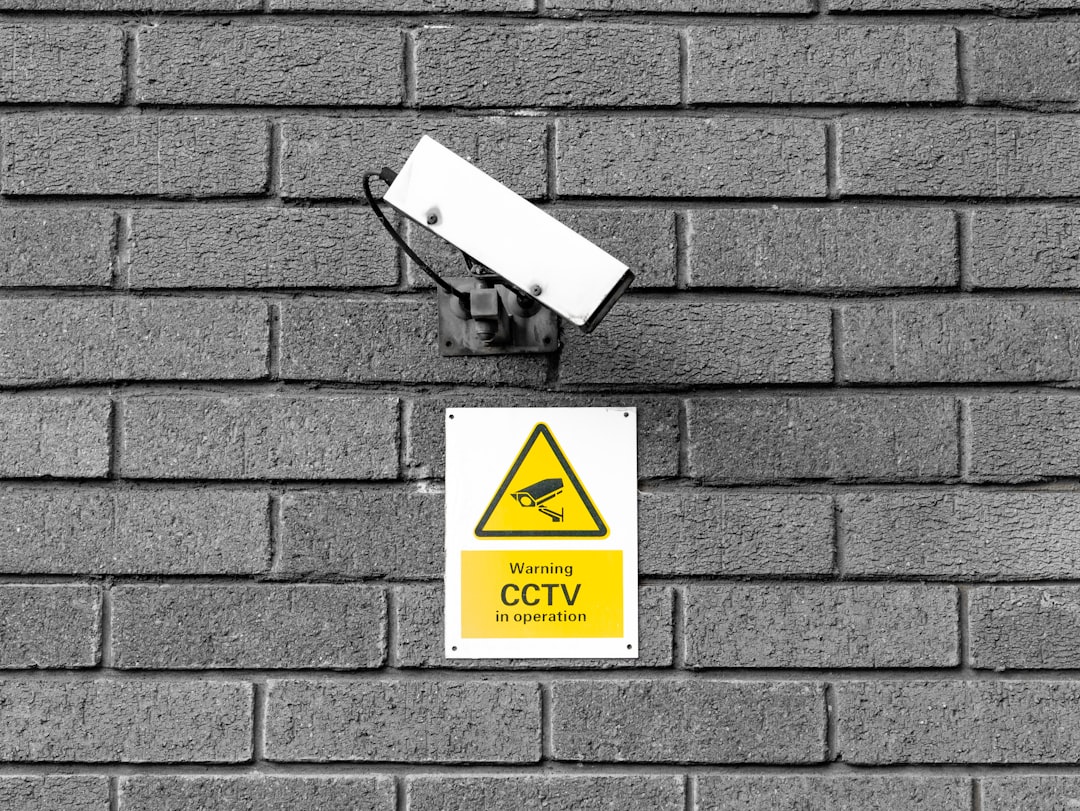
Ethically speaking, homeowners should also consider how their surveillance practices may impact neighbors and visitors. It’s advisable to inform guests about the presence of cameras on your property and ensure that they are not inadvertently recorded in private spaces. Additionally, displaying signs indicating that surveillance is in use can help deter potential intruders while also promoting transparency within your community.
By adhering to legal guidelines and ethical standards, homeowners can utilize CCTV surveillance responsibly while safeguarding their property.
Maintaining and Troubleshooting Your Home CCTV System
To ensure optimal performance of your home CCTV system, regular maintenance is essential. This includes routine checks on camera functionality, cleaning lenses to remove dust or debris, and verifying that all connections are secure. Homeowners should also periodically review recorded footage to ensure that the system is capturing clear images and functioning as intended.
If any issues arise—such as poor image quality or connectivity problems—addressing them promptly can prevent more significant complications down the line. In addition to routine maintenance, troubleshooting common issues is an important aspect of managing a CCTV system. For instance, if a camera stops recording or loses connection, checking power sources and network settings can often resolve the problem.
Many modern systems also come equipped with diagnostic tools that can help identify issues quickly. By staying proactive about maintenance and troubleshooting, homeowners can ensure that their CCTV systems remain reliable and effective in providing security.
The Benefits of CCTV Surveillance for Homeowners
The advantages of installing a CCTV surveillance system extend far beyond mere crime deterrence; they encompass a range of benefits that enhance overall homeowner experience. One significant advantage is the ability to monitor daily activities around the home—whether it’s keeping an eye on children playing outside or ensuring that service personnel are performing their duties as expected. This level of oversight fosters a sense of control and reassurance for homeowners.
Furthermore, having a well-documented record of events captured by Video surveillance can be invaluable in various situations—be it resolving disputes with neighbors or providing evidence in case of theft or vandalism. Insurance companies may also offer discounts on premiums for homes equipped with surveillance systems, recognizing the reduced risk associated with such measures. Ultimately, investing in Video surveillance not only bolsters security but also enhances peace of mind for homeowners, making it a worthwhile consideration for anyone looking to protect their property effectively.
When considering the installation of home CCTV systems, it’s essential to ensure that your equipment meets regulatory standards. A related article that provides valuable insights on this topic is How to Check CCTV Systems for NDAA Compliance. This resource outlines the necessary steps to verify that your CCTV systems comply with the National Defense Authorization Act, helping you make informed decisions about your home security setup.