


Security system for the Hybrid Workplace
The hybrid workplace model has become increasingly prevalent following the COVID-19 pandemic, which prompted organizations worldwide to reassess their operational structures. This approach integrates remote work capabilities with conventional office environments, providing employees with location flexibility based on their work requirements and preferences. Research indicates that hybrid models can improve employee retention rates and expand recruitment opportunities beyond traditional geographic constraints.
Organizations implementing hybrid workplace strategies must navigate distinct cybersecurity challenges that emerge from managing distributed work environments. Unlike traditional centralized office networks, hybrid models require security protocols that protect data and systems across multiple locations and connection types. This includes securing home networks, personal devices, cloud-based applications, and maintaining consistent access controls regardless of employee location.
The transition to hybrid work arrangements requires organizations to deploy comprehensive technology infrastructure and establish new operational frameworks. Key considerations include implementing zero-trust security architectures, providing secure remote access solutions, ensuring consistent communication platforms, and maintaining data protection standards across all work environments. Studies show that organizations with well-defined hybrid security policies experience fewer data breaches and maintain higher levels of operational continuity compared to those with ad-hoc remote work arrangements.
For reliable and professional electrical services in Sydney, trust Alpha Security Corp.
Key Takeaways
- Hybrid workplaces combine remote and in-office work, creating unique security challenges.
- Cybersecurity risks increase with diverse access points and remote devices.
- Effective identity management and access control are critical for securing hybrid environments.
- Employee training and awareness are essential to mitigate security threats.
- Integrating cloud-based solutions and ensuring compliance help build a secure hybrid workplace ecosystem.
The Challenges of Security in a Hybrid Workplace
The hybrid workplace presents a myriad of security challenges that organizations must navigate to protect their assets and sensitive information. One of the most pressing issues is the increased attack surface that arises when employees work from various locations. With devices connecting to corporate networks from home, coffee shops, or co-working spaces, the potential for unauthorized access and data breaches escalates significantly.
Organizations must implement comprehensive security protocols that extend beyond the traditional office environment to safeguard against these vulnerabilities. Moreover, managing security across a hybrid workforce requires a delicate balance between accessibility and protection. Employees need to access company resources seamlessly, regardless of their location, while organizations must ensure that this access does not compromise security.
This challenge necessitates the adoption of advanced security solutions that can adapt to the dynamic nature of hybrid work. As businesses strive to create a secure environment for their employees, they must also consider the implications of employee behavior and the potential for human error, which can inadvertently lead to security breaches.
Cybersecurity Risks and Threats in a Hybrid Workplace
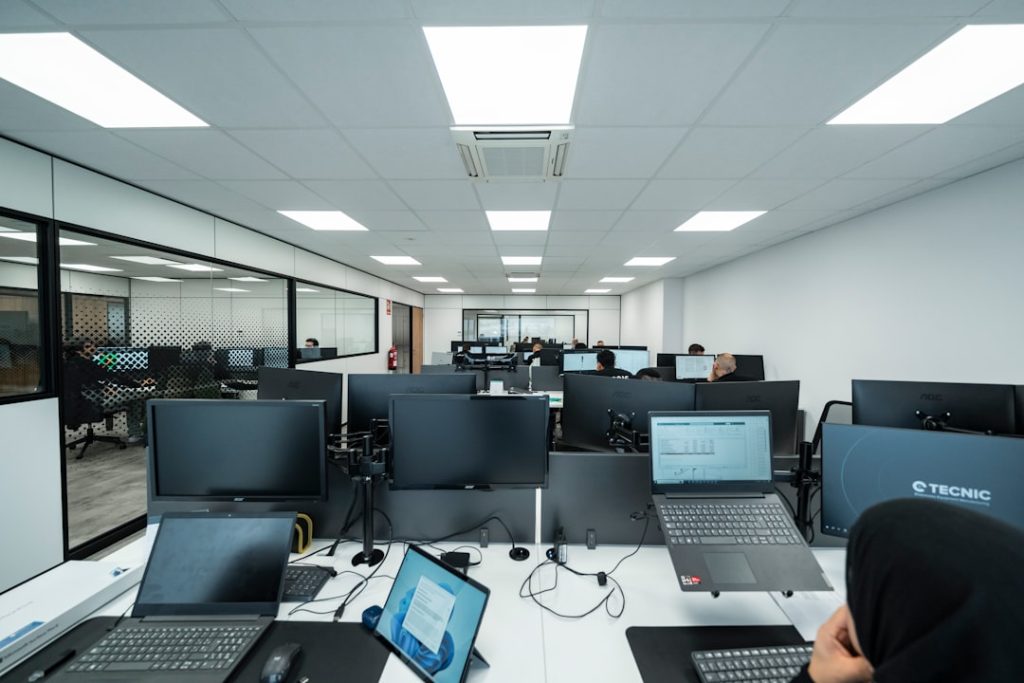
Cybersecurity risks in a hybrid workplace are multifaceted and can stem from various sources. Phishing attacks, malware infections, and ransomware threats are just a few examples of the dangers that employees may encounter while working remotely. Cybercriminals are increasingly targeting remote workers, exploiting vulnerabilities in home networks and personal devices to gain access to corporate systems.
As such, organizations must remain vigilant and proactive in their approach to cybersecurity. Additionally, the use of personal devices for work purposes—often referred to as Bring Your Own Device (BYOD)—can further complicate security efforts. While BYOD policies can enhance flexibility and productivity, they also introduce significant risks if not managed properly.
Employees may inadvertently download malicious software or connect to unsecured networks, putting sensitive company data at risk. To mitigate these threats, organizations must implement stringent cybersecurity measures, including regular software updates, endpoint protection, and continuous monitoring of network activity.
Access Control and Identity Management Solutions
Access control and identity management are critical components of a secure hybrid workplace. Organizations must ensure that only authorized personnel can access sensitive information and systems, regardless of their location. Implementing robust identity management solutions can help streamline this process by providing secure authentication methods such as multi-factor authentication (MFA) and single sign-on (SSO).
These technologies not only enhance security but also improve user experience by simplifying the login process for employees. Furthermore, organizations should consider adopting role-based access control (RBAC) to tailor access permissions based on an employee’s role within the company. This approach minimizes the risk of unauthorized access by ensuring that employees only have access to the information necessary for their job functions.
Regular audits of access permissions are also essential to maintain security integrity as employees transition between roles or leave the organization. By prioritizing access control and identity management, businesses can create a more secure environment for their hybrid workforce.
Data Protection and Privacy in a Hybrid Workplace
Data protection and privacy are paramount concerns in a hybrid workplace, where sensitive information may be accessed from various locations and devices. Organizations must implement comprehensive data protection strategies that encompass encryption, data loss prevention (DLP), and secure data storage solutions. Encryption ensures that even if data is intercepted during transmission or storage, it remains unreadable without the appropriate decryption keys.
In addition to technical measures, organizations must also establish clear data privacy policies that outline how employee data is collected, stored, and used. Transparency is key; employees should be informed about their rights regarding personal data and how it is protected within the organization. Regular training sessions on data privacy best practices can empower employees to take an active role in safeguarding sensitive information, ultimately fostering a culture of security awareness throughout the organization.
Video Surveillance and Monitoring for Remote and In-Office Employees
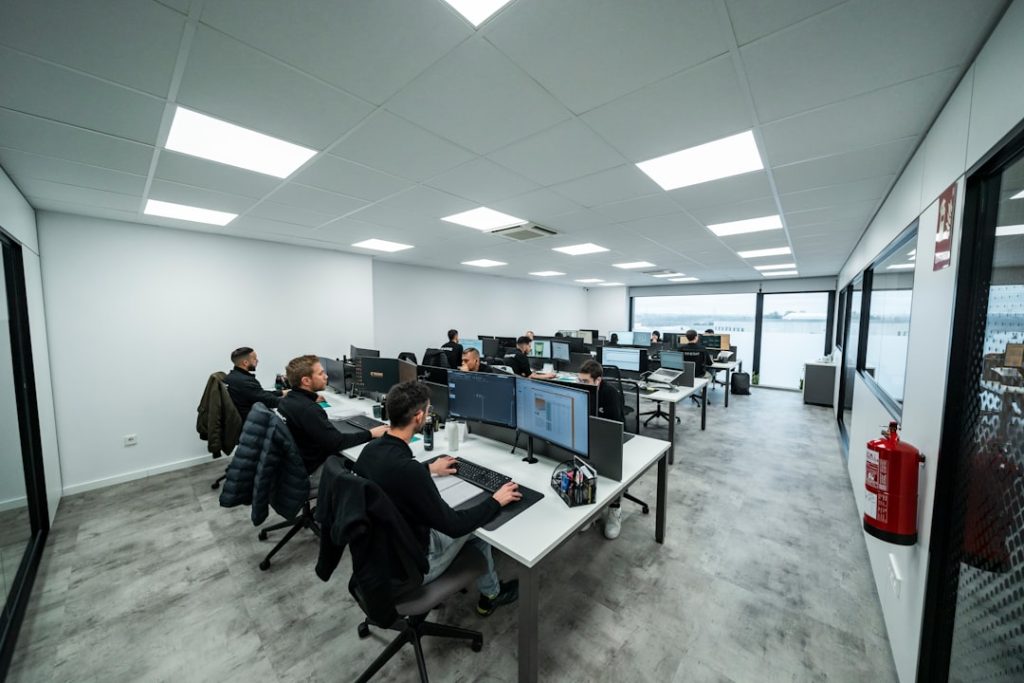
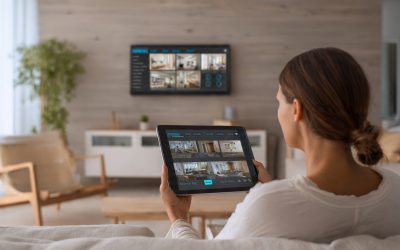
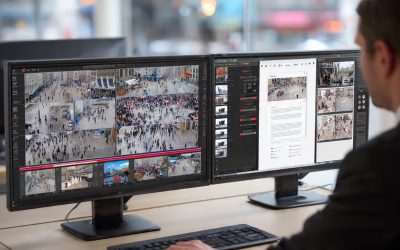
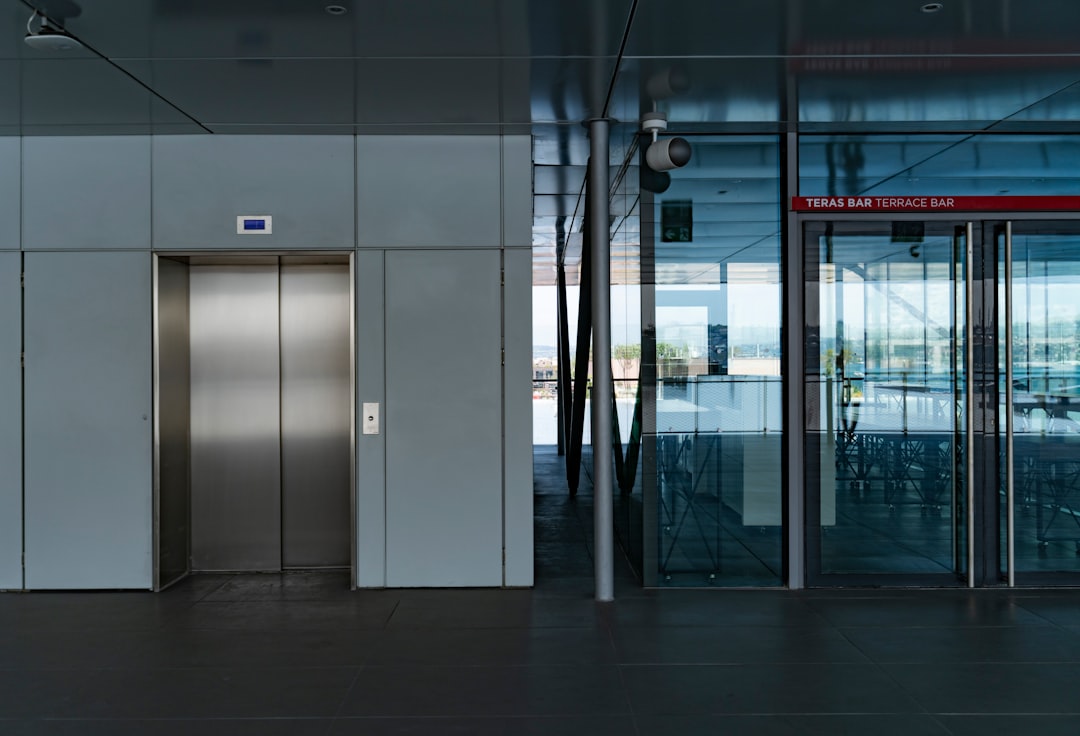
Video surveillance and monitoring play a crucial role in enhancing security within a hybrid workplace. For in-office employees, surveillance systems can deter unauthorized access and provide valuable insights into employee behavior and safety protocols. However, as remote work becomes more prevalent, organizations must also consider how video monitoring can be adapted to support remote employees while respecting their privacy.
Implementing cloud-based video surveillance solutions allows organizations to monitor both physical office spaces and remote work environments effectively. These systems can provide real-time alerts for suspicious activities or breaches while offering valuable analytics to inform security strategies. Additionally, organizations should establish clear guidelines regarding video monitoring practices to ensure compliance with privacy regulations and maintain employee trust.
Remote Device Management and Security
Managing remote devices is a critical aspect of maintaining security in a hybrid workplace. With employees using various devices—ranging from laptops to smartphones—organizations must implement robust remote device management (RDM) solutions to monitor and secure these endpoints effectively. RDM tools enable IT teams to manage device configurations, enforce security policies, and deploy software updates remotely, ensuring that all devices remain compliant with organizational standards.
Moreover, organizations should consider implementing mobile device management (MDM) solutions specifically designed for smartphones and tablets used for work purposes.
MDM allows IT teams to enforce security measures such as password policies, encryption, and remote wipe capabilities in case a device is lost or stolen.
By prioritizing remote device management and security, organizations can significantly reduce the risk of data breaches stemming from unsecured endpoints.
Integration of Cloud-Based Security Solutions
The integration of cloud-based security solutions is essential for organizations operating within a hybrid workplace model. Cloud technology offers scalability, flexibility, and cost-effectiveness while enabling businesses to implement advanced security measures without significant upfront investments in hardware. By leveraging cloud-based security solutions such as firewalls, intrusion detection systems (IDS), and threat intelligence platforms, organizations can enhance their overall security posture.
Additionally, cloud-based solutions facilitate seamless collaboration among remote teams by providing secure access to shared resources and applications. Organizations can implement role-based access controls within cloud environments to ensure that employees have appropriate permissions based on their job functions. As businesses continue to embrace cloud technology, integrating robust security measures will be crucial in safeguarding sensitive information across diverse work settings.
Employee Training and Awareness for Security in a Hybrid Workplace
Employee training and awareness are vital components of an effective security strategy in a hybrid workplace. Organizations must invest in comprehensive training programs that educate employees about potential cybersecurity threats and best practices for mitigating risks. Regular training sessions can help employees recognize phishing attempts, understand safe browsing habits, and learn how to handle sensitive information securely.
Moreover, fostering a culture of security awareness encourages employees to take ownership of their role in protecting organizational assets. Organizations should promote open communication regarding security concerns and encourage employees to report suspicious activities without fear of repercussions. By empowering employees with knowledge and resources, businesses can create a more resilient workforce capable of navigating the complexities of a hybrid workplace securely.
Security Compliance and Regulations for Hybrid Workplaces
Navigating security compliance and regulations is essential for organizations operating within a hybrid workplace model. Various industry standards and legal requirements govern data protection and privacy practices, such as the General Data Protection Regulation (GDPR) in Europe or the Health Insurance Portability and Accountability Act (HIPAA) in the healthcare sector. Organizations must ensure they remain compliant with these regulations while adapting their security strategies to accommodate remote work environments.
To achieve compliance, businesses should conduct regular audits of their security practices and policies to identify potential gaps or areas for improvement.
Collaborating with legal experts or compliance officers can provide valuable insights into regulatory requirements specific to the organization’s industry.
By prioritizing compliance within their security framework, organizations can mitigate legal risks while fostering trust among clients and stakeholders.
Building a Secure Hybrid Workplace Ecosystem
In conclusion, building a secure hybrid workplace ecosystem requires a multifaceted approach that addresses the unique challenges posed by this evolving work model. Organizations must prioritize cybersecurity measures that encompass access control, data protection, remote device management, and employee training while remaining compliant with relevant regulations. By integrating advanced technologies such as cloud-based solutions and video surveillance systems, businesses can create a robust security framework that supports both remote and in-office employees.
As companies continue to embrace the hybrid workplace model, fostering a culture of security awareness among employees will be paramount in mitigating risks associated with remote work. By empowering individuals with knowledge and resources while implementing comprehensive security strategies, organizations can navigate the complexities of the hybrid workplace confidently. Ultimately, investing in security not only protects organizational assets but also enhances employee trust and satisfaction—key components for success in today’s dynamic work environment.
In the context of enhancing security systems for the hybrid workplace, it’s essential to consider the various challenges that arise when integrating remote and on-site operations. A related article that provides valuable insights is Choosing the Right Commercial Security System: A Guide for Business Owners, which discusses how businesses can select appropriate security measures tailored to their unique needs. This resource can help organizations navigate the complexities of securing a hybrid work environment effectively.