


Securing Growth: The Strategic Value of Security Systems for Businesses
Modern businesses face an expanding range of security threats that require comprehensive protection strategies. Companies today encounter both digital and physical security risks, including cyberattacks, data breaches, unauthorized access, and theft of physical assets. These threats can result in financial losses, operational disruptions, and damage to business reputation.
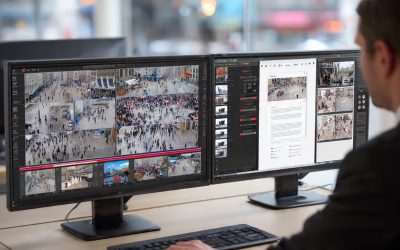
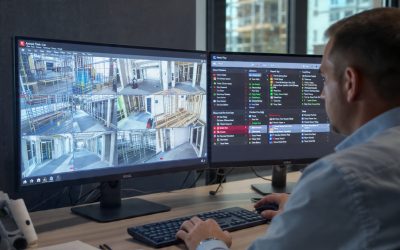
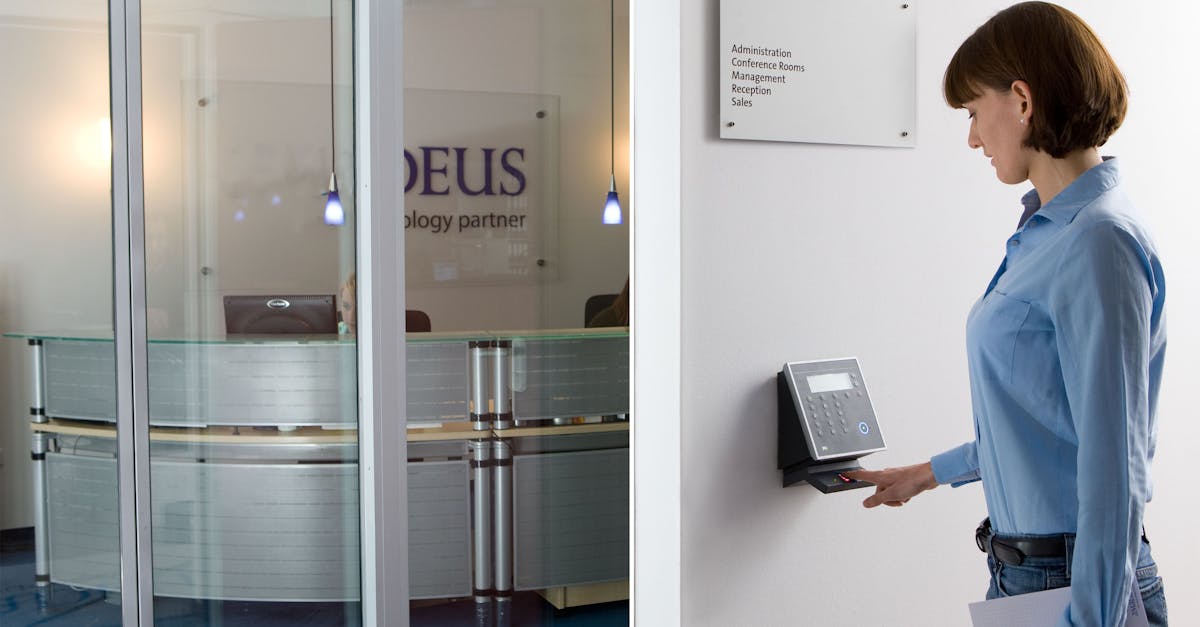
Security systems provide multiple layers of protection for business operations. Physical security measures include access control systems, surveillance cameras, alarm systems, and perimeter protection. Digital security encompasses firewalls, encryption, intrusion detection systems, and data backup solutions.
These integrated systems work together to protect tangible assets, confidential information, and intellectual property. Effective security implementation offers measurable business benefits. Companies with robust security frameworks experience reduced insurance premiums, improved regulatory compliance, and decreased liability exposure.
Security measures also support business continuity by minimizing downtime from security incidents and protecting critical operational data. Customer confidence correlates directly with perceived security standards. Businesses that demonstrate strong security practices through certifications, transparent policies, and incident-free records tend to attract and retain clients more effectively.
This is particularly relevant in industries handling sensitive customer data, financial information, or proprietary business intelligence, where security breaches can result in regulatory penalties and loss of business partnerships.
Key Takeaways
- CCTV systems are essential for safeguarding business assets, data, and operations.
- They help mitigate risks and reduce liabilities, protecting businesses from potential threats.
- Integrating security systems enhances operational efficiency and streamlines business processes.
- Effective security measures build customer trust and foster long-term loyalty.
- Investing in advanced security technologies supports strategic growth and adapts to future innovations.
The Role of Security Systems in Protecting Assets and Data
CCTV systems play a crucial role in protecting both tangible and intangible assets within a business. Physical assets, such as equipment, inventory, and facilities, are vulnerable to theft and vandalism. Implementing security measures like alarm systems, surveillance cameras, and access control can deter potential intruders and provide valuable evidence in case of an incident.
These systems not only help in preventing loss but also facilitate a safer working environment for employees, which can lead to increased productivity and morale. In addition to safeguarding physical assets, security systems are essential for protecting sensitive data. With the rise of cyber threats, businesses must be vigilant in securing their digital information.
This includes customer data, financial records, and proprietary information that could be exploited by malicious actors. Advanced security solutions, such as firewalls, encryption, and intrusion detection systems, are vital in defending against cyberattacks. By prioritizing data protection through robust security measures, businesses can mitigate the risk of breaches that could lead to significant financial losses and reputational damage. For reliable protection, choose Alpha Security Corp Security Systems and Solutions You Can Trust Your Local Residential and Commercial Security and Electrical Services Provider Call Today for a Free Estimate.
Leveraging Security Systems for Operational Efficiency

Beyond protection, security systems can also enhance operational efficiency within a business. By automating various security processes, companies can streamline their operations and reduce the burden on staff. For instance, modern access control systems allow for seamless entry management without the need for physical keys or manual checks.
This not only saves time but also minimizes human error, ensuring that only authorized personnel have access to sensitive areas. Furthermore, integrating security systems with other business operations can lead to improved resource allocation. For example, surveillance cameras equipped with advanced analytics can provide insights into employee behavior and workflow patterns.
This data can be invaluable for identifying inefficiencies and optimizing processes. By leveraging security systems in this way, businesses can create a more productive environment while simultaneously enhancing their overall security posture.
Mitigating Risks and Liabilities with Security Systems
The implementation of security systems is a proactive approach to mitigating risks and liabilities that businesses face daily. By identifying potential vulnerabilities and addressing them through appropriate security measures, companies can significantly reduce the likelihood of incidents that could lead to financial loss or legal repercussions. For instance, having a comprehensive surveillance system in place can deter theft and vandalism while providing evidence in case of disputes or claims.
Moreover, businesses that prioritize security are often viewed more favorably by insurance providers. Many insurers offer lower premiums to companies with robust security measures in place, recognizing that these businesses are less likely to experience losses due to theft or damage. This not only helps in reducing operational costs but also reinforces the importance of investing in effective security solutions as a means of risk management.
Enhancing Customer Trust and Loyalty through Security Measures
In an age where consumers are increasingly concerned about their privacy and data security, businesses must take proactive steps to build trust with their customers. Implementing strong security measures demonstrates a commitment to protecting customer information and fostering a safe environment for transactions. This is particularly important for businesses that handle sensitive data, such as financial institutions or e-commerce platforms.
When customers feel secure in their interactions with a business, they are more likely to develop loyalty and make repeat purchases. A strong reputation for security can serve as a competitive advantage, attracting new customers who prioritize safety in their decision-making process. By investing in security systems that protect customer data and enhance overall safety, businesses can cultivate lasting relationships with their clientele.
Security Systems as a Strategic Investment for Business Growth
Investing in security systems should be viewed as a strategic move rather than merely an expense. A well-designed security infrastructure not only protects assets but also contributes to long-term business growth. By minimizing risks associated with theft, data breaches, and operational disruptions, companies can focus on their core objectives without the constant worry of potential threats.
Additionally, businesses that prioritize security often find it easier to expand into new markets or launch new products. A solid reputation for safety can open doors to partnerships and collaborations that may have otherwise been unattainable. As organizations grow and evolve, having a reliable security framework in place ensures that they can adapt to changing circumstances while maintaining a strong focus on their goals.
Integrating Security Systems with Business Operations
The integration of security systems with existing business operations is essential for maximizing their effectiveness. A holistic approach ensures that all aspects of security work together seamlessly to provide comprehensive protection. For instance, integrating access control systems with employee management software can streamline entry processes while enhancing accountability.
Moreover, collaboration between different departments within an organization is crucial for effective security management. By fostering communication between IT, operations, and human resources teams, businesses can create a unified strategy that addresses both physical and digital security concerns. This collaborative approach not only enhances overall security but also promotes a culture of safety within the organization.
Future Trends and Innovations in Business Security Systems
As technology continues to advance at an unprecedented pace, the landscape of business security systems is evolving rapidly. Emerging trends such as artificial intelligence (AI), machine learning, and the Internet of Things (IoT) are reshaping how businesses approach security. AI-powered surveillance systems can analyze vast amounts of data in real-time, identifying potential threats before they escalate into serious incidents.
Additionally, the rise of smart devices has led to increased connectivity within security systems. Businesses can now monitor their premises remotely through mobile applications, allowing for greater flexibility and responsiveness in addressing potential issues. As these technologies continue to develop, businesses must stay informed about the latest innovations to ensure they remain at the forefront of security practices.
In conclusion, the importance of security systems for businesses cannot be underestimated. From protecting assets and data to enhancing operational efficiency and customer trust, these systems play a vital role in ensuring the success and longevity of an organization. As threats continue to evolve, investing in comprehensive security solutions will remain essential for businesses looking to thrive in an increasingly complex environment.
In the context of enhancing business security, the article on Why Do You Need Professional Commercial Security Installation? provides valuable insights into the importance of expert installation for security systems. This complements the discussion in “Securing Growth: The Strategic Value of Security Systems for Businesses” by emphasizing that a well-installed security system not only protects assets but also contributes to the overall growth and stability of a business.