


Staff Safety After Hours Sydney: Lighting, CCTV and Monitoring
The safety of staff members after hours is a critical concern for any organization. As businesses extend their operational hours or provide services around the clock, the risks associated with working late or during off-peak hours increase significantly. Employees may find themselves in vulnerable situations, whether they are closing up shop, working late on a project, or simply commuting home in the dark. Ensuring their safety is not just a moral obligation; it is also a legal and ethical responsibility that can impact employee morale, retention, and overall productivity.
Moreover, the implications of neglecting staff safety can be severe. Incidents of theft, assault, or harassment can lead to significant emotional and psychological distress for employees, which can affect their performance and loyalty to the company. Organizations that prioritize staff safety after hours demonstrate a commitment to their workforce, fostering a sense of security and trust. This commitment can enhance employee satisfaction and retention rates, ultimately contributing to a more positive workplace culture and improved business outcomes.
Ensuring staff safety after hours in Sydney is a critical concern, particularly in environments where lighting, CCTV, and monitoring systems play a vital role. For a deeper understanding of how effective security measures can enhance safety, you may find the article on apartment security insightful. It discusses the importance of back-to-base monitoring and its impact on overall security strategies. You can read more about it here: Apartment Security 101: Why Back to Base Monitoring is Essential.
Lighting for Staff Safety
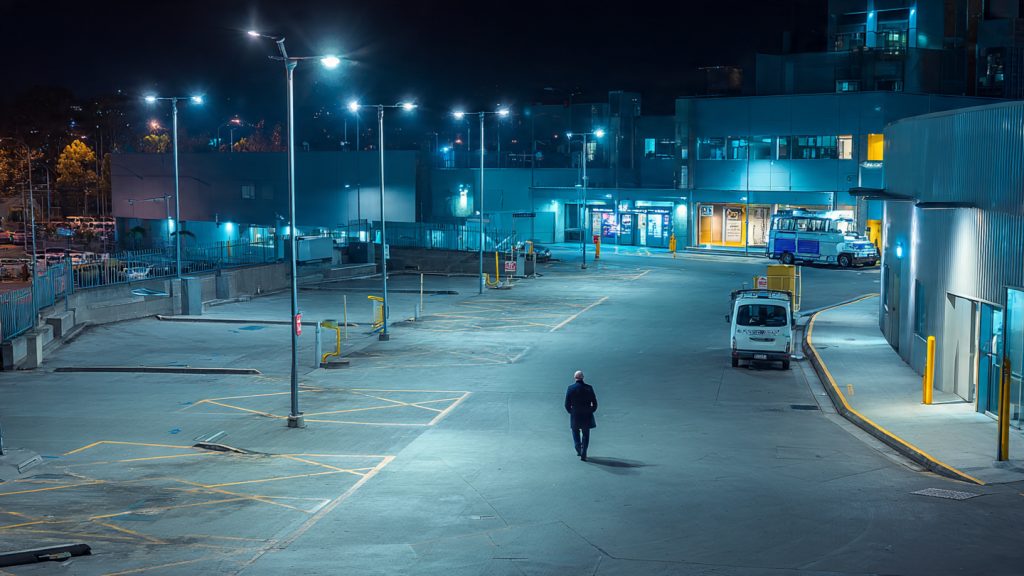
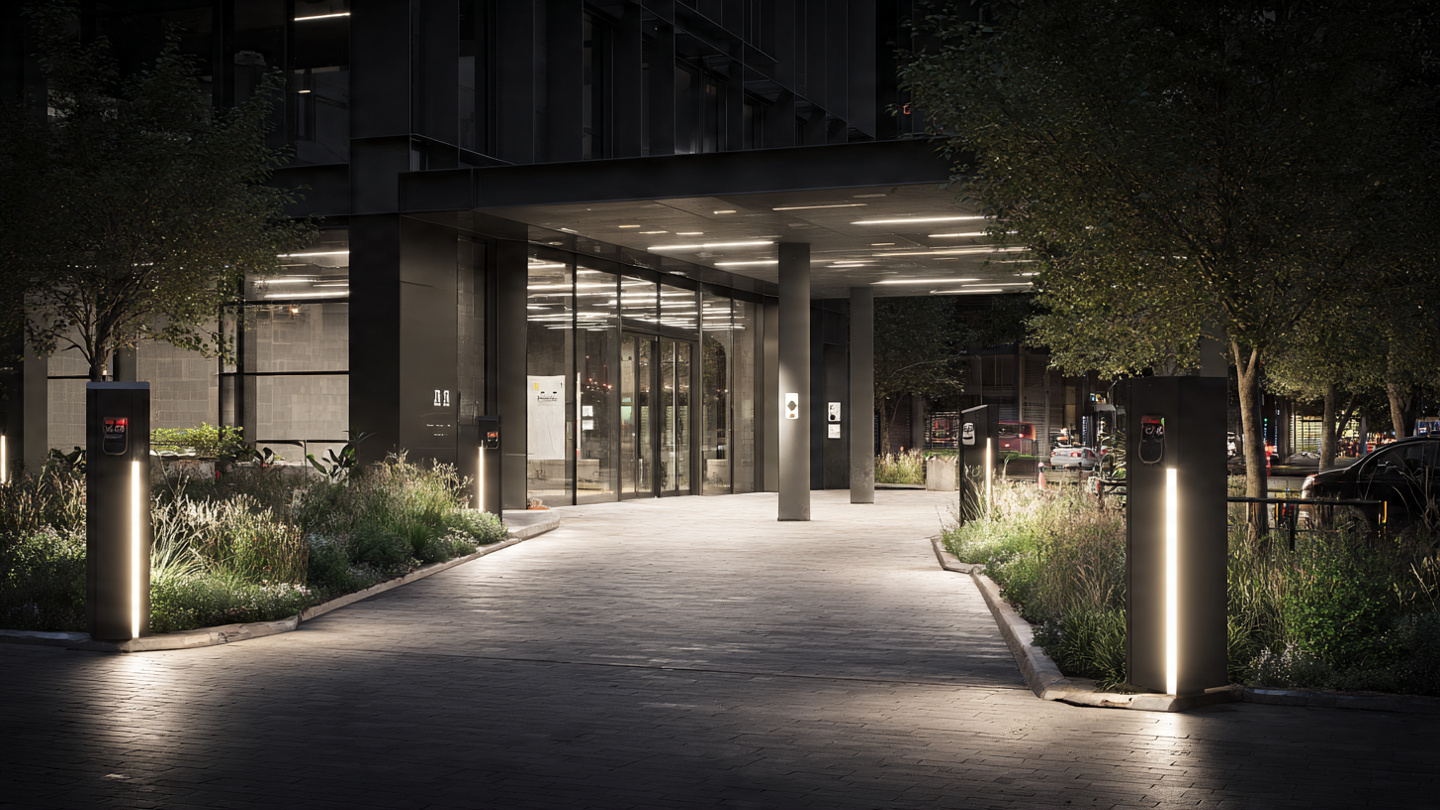
Effective lighting is one of the simplest yet most impactful measures to enhance staff safety after hours. Well-lit areas deter criminal activity and provide employees with a sense of security as they navigate their surroundings. Adequate lighting not only illuminates pathways and entrances but also highlights potential hazards that could lead to accidents. For instance, ensuring that stairwells, parking lots, and entry points are well-lit can significantly reduce the risk of slips, trips, and falls.
In addition to physical safety, lighting plays a psychological role in creating a secure environment. Employees are more likely to feel safe when they can clearly see their surroundings. Installing motion-sensor lights in less-frequented areas can further enhance security by ensuring that dark corners are illuminated when someone approaches. Furthermore, organizations should consider using energy-efficient lighting solutions that not only save costs but also contribute to sustainability efforts. By investing in proper lighting systems, businesses can create a safer atmosphere for their staff during late hours.
CCTV for Staff Safety
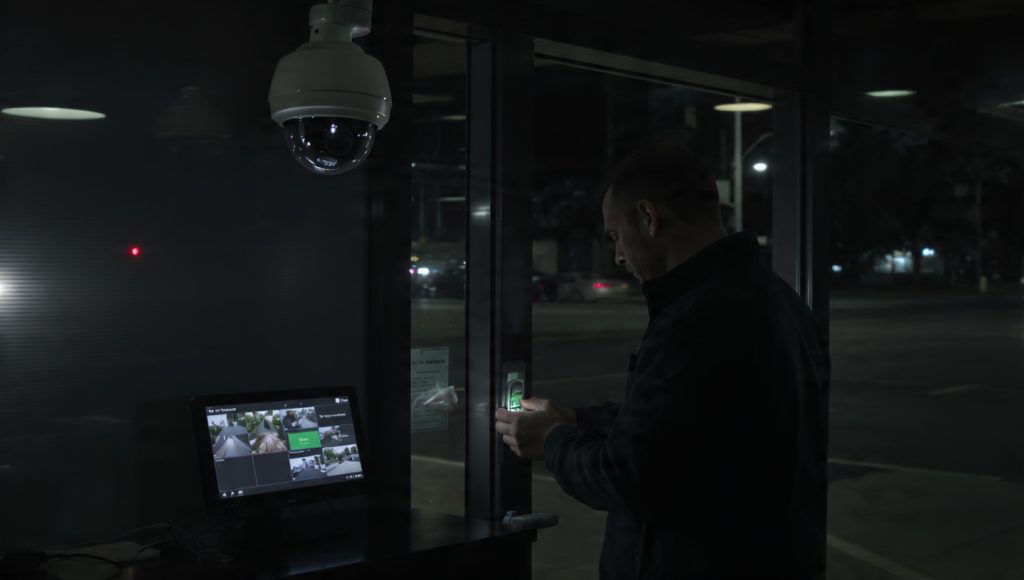
Closed-circuit television (CCTV) systems have become an essential component of modern security strategies, particularly for businesses operating after hours. The presence of surveillance cameras acts as a deterrent to potential criminals who may think twice before engaging in illicit activities if they know they are being watched. Additionally, CCTV footage can provide valuable evidence in the event of an incident, aiding law enforcement investigations and helping organizations address security breaches effectively.
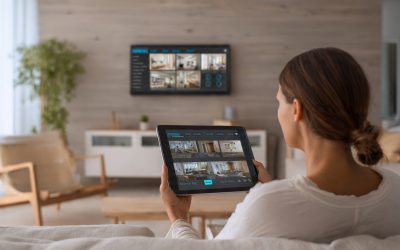
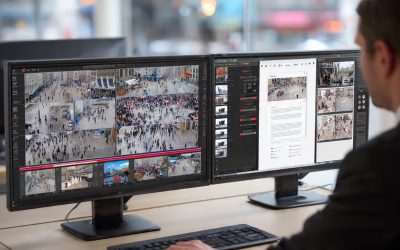
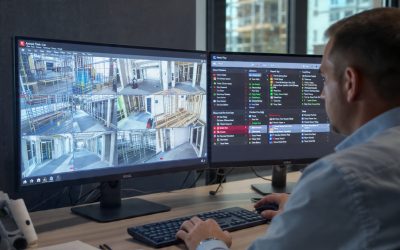
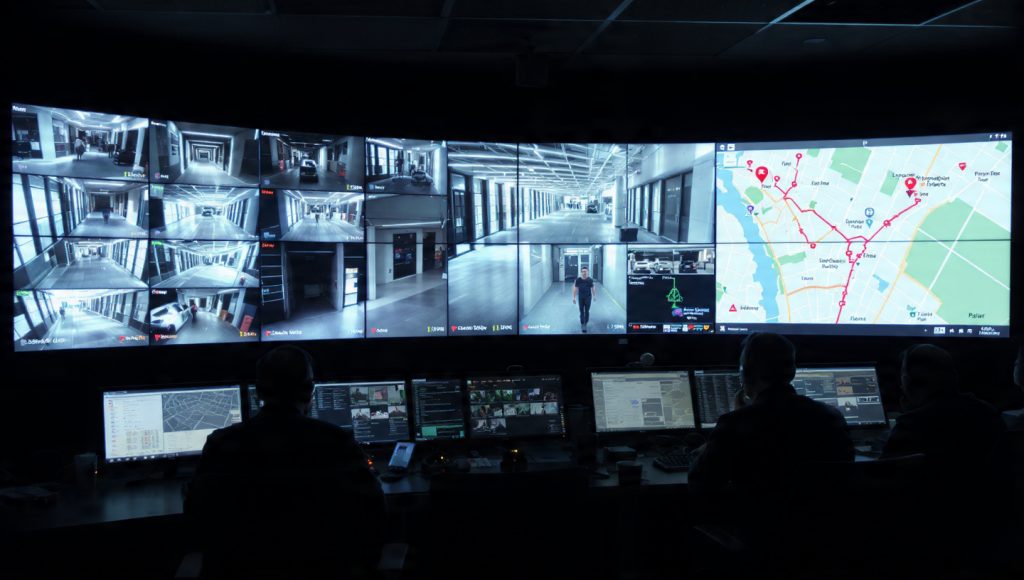
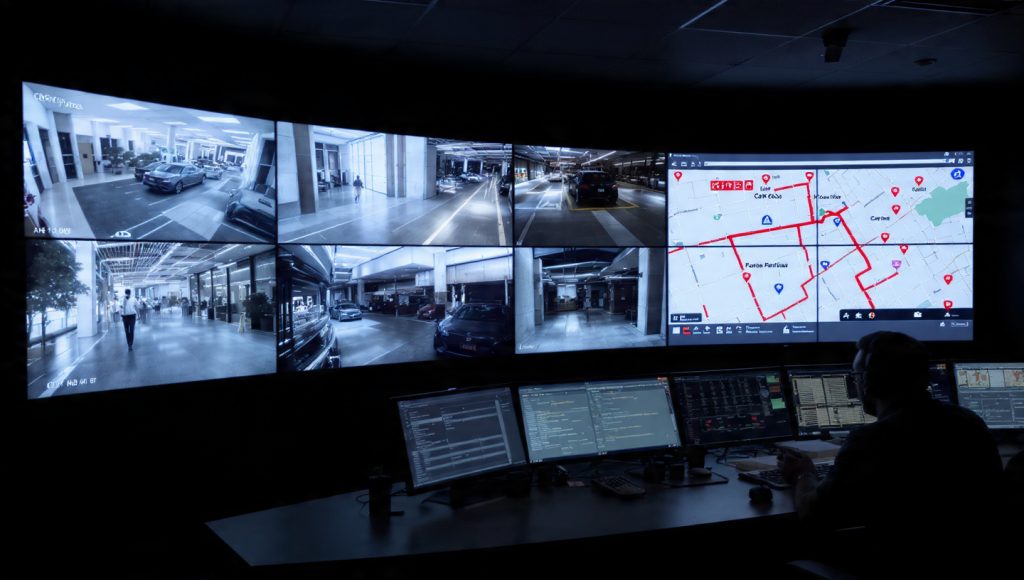
Beyond deterrence, CCTV systems can also enhance staff safety by allowing for real-time monitoring of premises. Security personnel can keep an eye on various areas of the property from a central location, ensuring that any suspicious activity is addressed promptly. Moreover, many modern CCTV systems come equipped with advanced features such as motion detection and remote access capabilities, enabling managers to monitor their facilities even when they are not physically present. By integrating CCTV into their security protocols, organizations can significantly bolster their efforts to protect employees after hours.
Monitoring Systems for Staff Safety
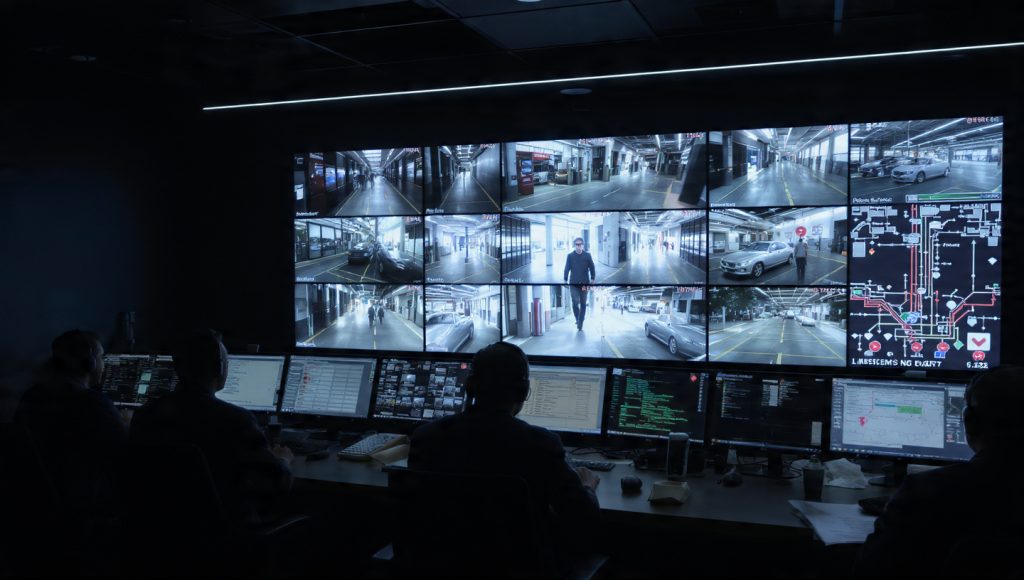
In addition to CCTV, comprehensive monitoring systems play a crucial role in ensuring staff safety after hours. These systems can include alarm systems, access control measures, and emergency response protocols that work together to create a secure environment. Alarm systems can alert security personnel or law enforcement in case of unauthorized access or other emergencies, providing an immediate response to potential threats.
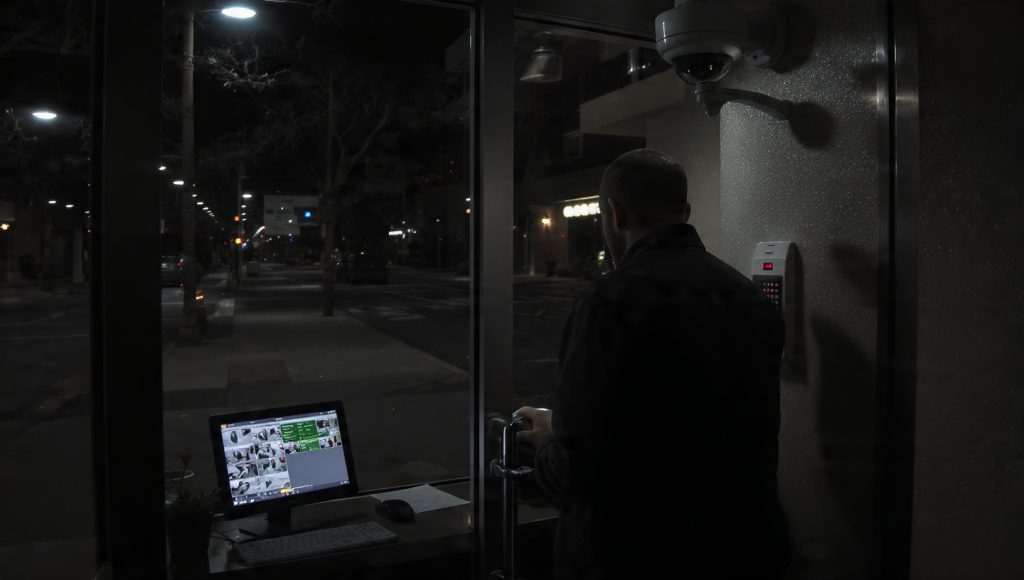
Access control measures, such as keycard systems or biometric scanners, help regulate who can enter specific areas of a facility after hours. By limiting access to authorized personnel only, organizations can reduce the risk of theft or violence. Furthermore, integrating these monitoring systems with mobile applications allows managers to receive real-time alerts and updates on security status, enabling them to respond swiftly to any incidents. By implementing robust monitoring systems, businesses can create a layered approach to security that prioritizes staff safety at all times.
Ensuring staff safety after hours in Sydney is a critical concern for many businesses, and a related article discusses the importance of comprehensive security measures, including effective lighting, CCTV, and monitoring systems. For more insights on how to enhance security and protect your workforce, you can read about the services offered by Alpha Security Corp, which focuses on tailored solutions for various environments. Their expertise in this field can provide valuable guidance for implementing robust safety protocols. For more information, visit Alpha Security Corp.
Best Practices for Staff Safety After Hours
Establishing best practices for staff safety after hours is essential for creating a secure work environment. One effective strategy is to implement a buddy system where employees are encouraged to leave the premises in pairs or groups whenever possible. This simple practice not only enhances personal safety but also fosters camaraderie among staff members. Additionally, organizations should encourage employees to report any suspicious behavior or concerns they may have regarding their safety.
Regular safety audits and assessments can also help identify potential vulnerabilities within the workplace. By conducting these evaluations, businesses can proactively address issues such as inadequate lighting or poorly maintained security systems before they become significant problems. Furthermore, organizations should establish clear communication channels for employees to voice their concerns about safety and provide feedback on existing protocols. By involving staff in the development of safety practices, businesses can create a culture of vigilance and accountability that prioritizes employee well-being.
Legal Responsibilities for Staff Safety After Hours
Enhance your peace of mind with Alpha Security Corp‘s tailored residential security systems.
Organizations have legal responsibilities to ensure the safety of their employees while they are on duty, including after-hours work. Various labor laws and regulations mandate that employers provide a safe working environment free from hazards that could cause harm to employees. Failure to comply with these regulations can result in legal repercussions, including fines and lawsuits.
Employers must also be aware of their duty of care towards employees when it comes to after-hours work arrangements. This includes assessing risks associated with late shifts or remote work and implementing appropriate measures to mitigate those risks. For instance, if employees are required to work late in isolated areas or during high-crime periods, employers should take extra precautions such as providing transportation services or ensuring adequate security measures are in place. By understanding and fulfilling their legal responsibilities regarding staff safety after hours, organizations can protect both their employees and their business interests.
Training and Education for Staff Safety After Hours
Training and education are vital components of any effective safety strategy for staff working after hours. Organizations should provide comprehensive training programs that cover various aspects of workplace safety, including emergency procedures, conflict resolution techniques, and personal safety tips. Employees should be well-informed about how to respond in case of an emergency or security threat and be familiar with the resources available to them.
Regular refresher courses can help reinforce safety protocols and keep staff updated on any changes in procedures or technology. Additionally, organizations should encourage open discussions about safety concerns during team meetings or training sessions. This collaborative approach not only empowers employees but also fosters a culture of safety awareness within the organization. By investing in training and education initiatives, businesses can equip their staff with the knowledge and skills necessary to navigate potential risks confidently.
Creating a Culture of Staff Safety After Hours
Creating a culture of staff safety after hours requires commitment from all levels of an organization. Leadership must prioritize safety as a core value and demonstrate this commitment through actions and policies that support employee well-being. This includes investing in security measures, providing training opportunities, and actively seeking employee input on safety concerns.
Encouraging open communication about safety issues is essential for fostering a culture where employees feel comfortable discussing their concerns without fear of reprisal. Regularly soliciting feedback from staff on existing safety protocols can help identify areas for improvement and demonstrate that management values their input. Additionally, recognizing and rewarding employees who contribute to enhancing workplace safety can further reinforce this culture.
Ultimately, creating a culture of staff safety after hours is an ongoing process that requires continuous evaluation and adaptation. By prioritizing employee well-being and actively engaging staff in safety initiatives, organizations can cultivate an environment where everyone feels secure and supported while working late or during off-peak hours.