


Temporary Security During Fit-Outs: CCTV, Alarms and Access
When embarking on a fit-out project, whether for a new office space, retail outlet, or any other commercial establishment, the importance of temporary security cannot be overstated. Fit-outs often involve significant investments in materials, equipment, and labor, making them prime targets for theft and vandalism. The chaotic environment of construction sites can create vulnerabilities that are easily exploited by opportunistic criminals. Therefore, implementing robust temporary security measures is essential to safeguard assets and ensure the smooth progression of the project.
Temporary security serves as a protective barrier during the fit-out phase, providing peace of mind to project managers and stakeholders. It not only deters potential intruders but also fosters a sense of safety among workers on-site. With the right security measures in place, businesses can focus on completing their projects without the constant worry of theft or damage. This proactive approach to security can ultimately save companies from costly delays and losses, allowing them to meet deadlines and stay within budget.
In the context of ensuring safety during fit-outs, it is essential to consider various security measures, including CCTV, alarms, and controlled access. For a deeper understanding of how to protect your property effectively, you may find the article on back-to-base security systems particularly insightful. It discusses comprehensive strategies for safeguarding your premises, which can complement the temporary security solutions implemented during fit-out projects. You can read more about it in the article here: Back-to-Base Security Systems: The Ultimate Protection for Your Property.
CCTV: A Key Tool for Monitoring and Deterrence
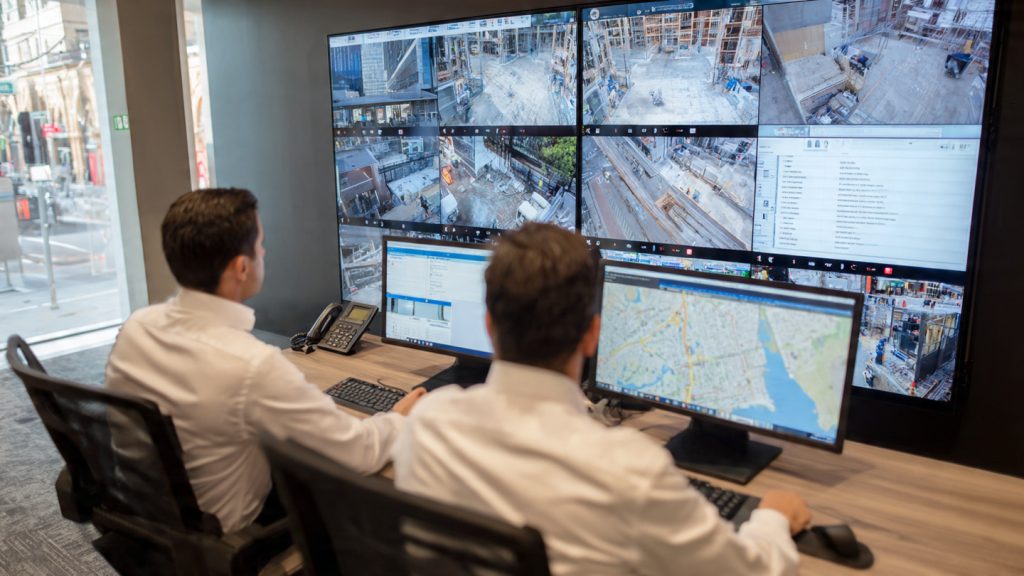
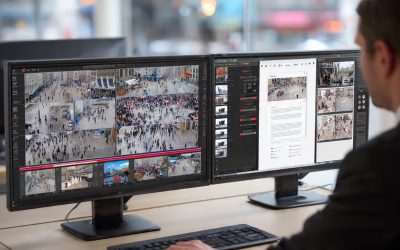
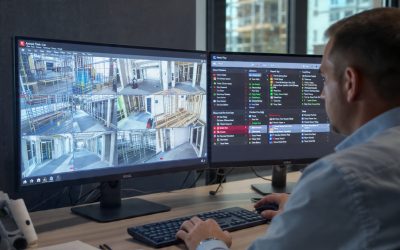
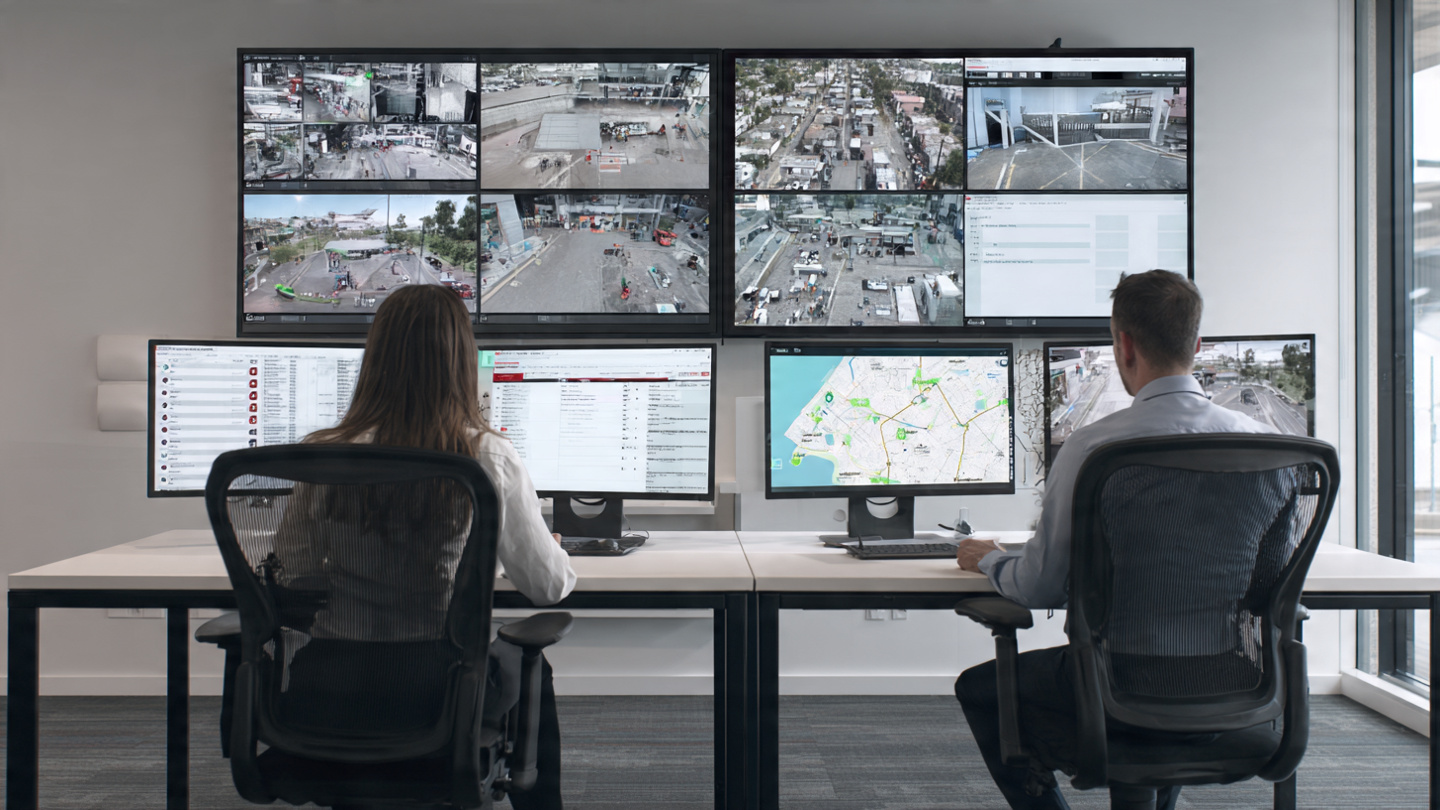
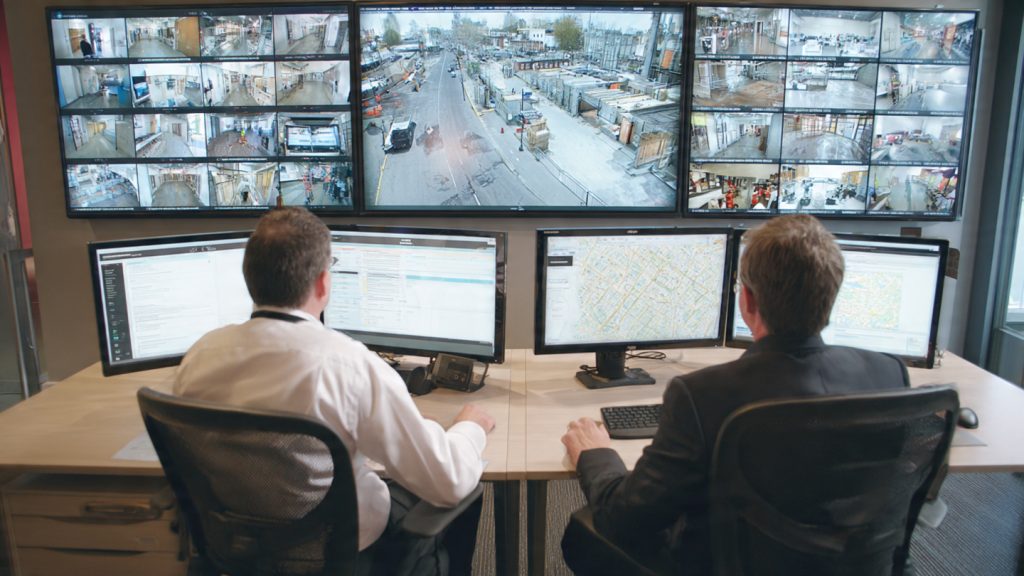
Closed-circuit television (CCTV) systems have become an indispensable tool in the realm of temporary security during fit-outs. These systems provide continuous monitoring of the site, allowing security personnel to keep a watchful eye on activities around the clock. The presence of visible cameras alone can act as a powerful deterrent against criminal activity. Knowing they are being watched often dissuades would-be thieves from attempting to breach the site.
Moreover, modern CCTV technology has evolved significantly, offering high-definition video quality and remote access capabilities. This means that project managers can monitor their sites in real-time from anywhere in the world using mobile devices or computers. In the event of an incident, recorded footage can be invaluable for investigations and insurance claims. The ability to review past events can help identify patterns of suspicious behavior and inform future security strategies, making CCTV an essential component of any temporary security plan.
Alarms: Ensuring Immediate Response to Unauthorized Entry
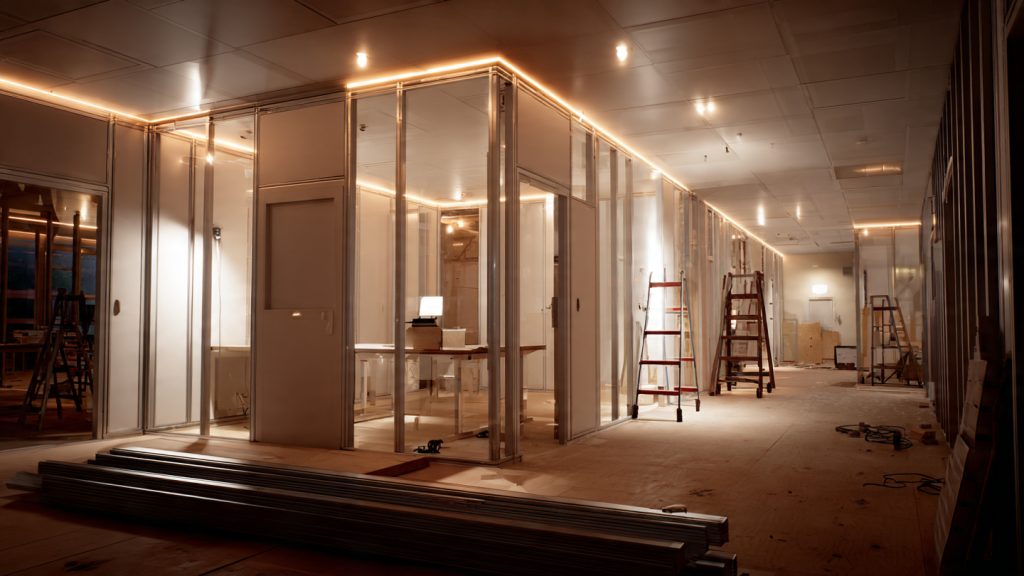
Alarm systems play a crucial role in enhancing the security of fit-out projects by ensuring immediate response to unauthorized entry. These systems are designed to detect breaches in real-time, alerting security personnel or law enforcement as soon as an intrusion is detected. The rapid response facilitated by alarm systems can significantly mitigate potential losses and damage caused by theft or vandalism.
In addition to traditional alarm systems, advancements in technology have led to the development of smart alarms that integrate with mobile applications. This allows project managers to receive instant notifications on their smartphones if an alarm is triggered, enabling them to take swift action even when they are off-site. The combination of immediate alerts and rapid response capabilities makes alarm systems an essential element of temporary security during fit-outs, ensuring that any unauthorized access is dealt with promptly.
Access Control: Limiting Entry to Authorized Personnel
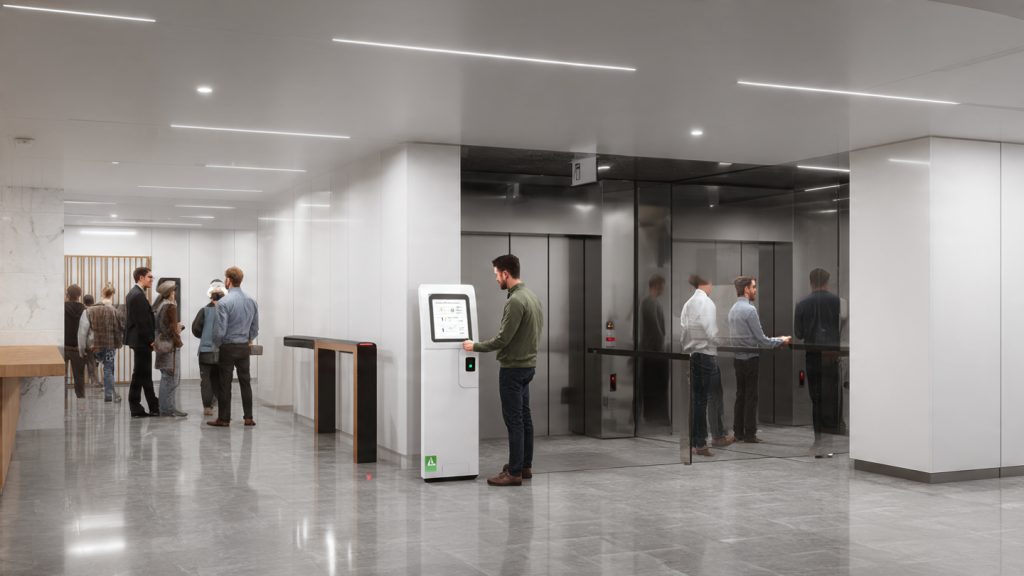
Access control systems are vital for maintaining security during fit-outs by limiting entry to authorized personnel only. These systems can range from simple lock-and-key mechanisms to sophisticated biometric scanners that require fingerprints or facial recognition for access. By implementing access control measures, businesses can ensure that only those who are supposed to be on-site can enter the premises, reducing the risk of theft and unauthorized activities.
In addition to enhancing security, access control systems also provide valuable insights into who is on-site at any given time. This information can be crucial for managing labor resources and ensuring compliance with safety regulations. Furthermore, in the event of an incident, having a record of who accessed the site can aid investigations and help identify potential suspects. Overall, access control is a fundamental aspect of temporary security that contributes to a safer working environment during fit-outs.
When considering the importance of temporary security during fit-outs, it is crucial to explore various options such as CCTV systems, alarms, and access control measures. A related article that delves deeper into the benefits of installing CCTV in commercial spaces can provide valuable insights. For more information on this topic, you can read about it in this CCTV installation guide. Implementing these security measures not only protects your assets but also ensures a safer working environment during the construction phase.
Temporary Security Measures for Protecting Equipment and Materials
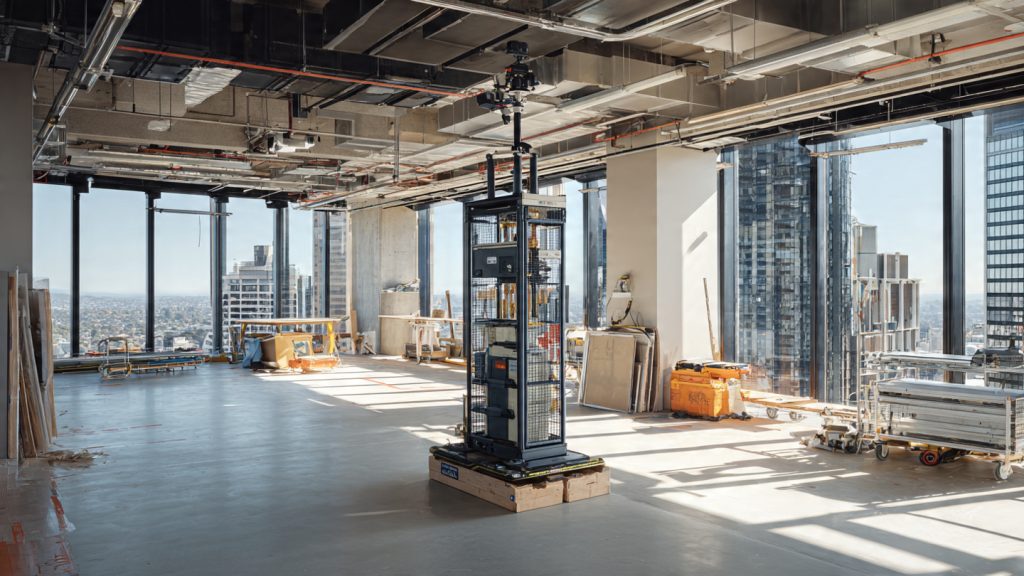
During fit-out projects, valuable equipment and materials are often left on-site, making them vulnerable to theft or damage. Implementing temporary security measures specifically designed to protect these assets is essential for minimizing risks. This may include securing tools and machinery in locked containers or designated areas when not in use, as well as employing physical barriers such as fencing or gates around the perimeter of the site.
In addition to physical security measures, it is also important to establish protocols for inventory management. Keeping detailed records of all equipment and materials on-site can help track assets and identify any discrepancies quickly. Regular audits can further enhance security by ensuring that all items are accounted for and that any missing equipment is reported immediately. By combining physical security measures with effective inventory management practices, businesses can significantly reduce the risk of loss during fit-out projects.
Integrating Temporary Security with Existing Building Systems
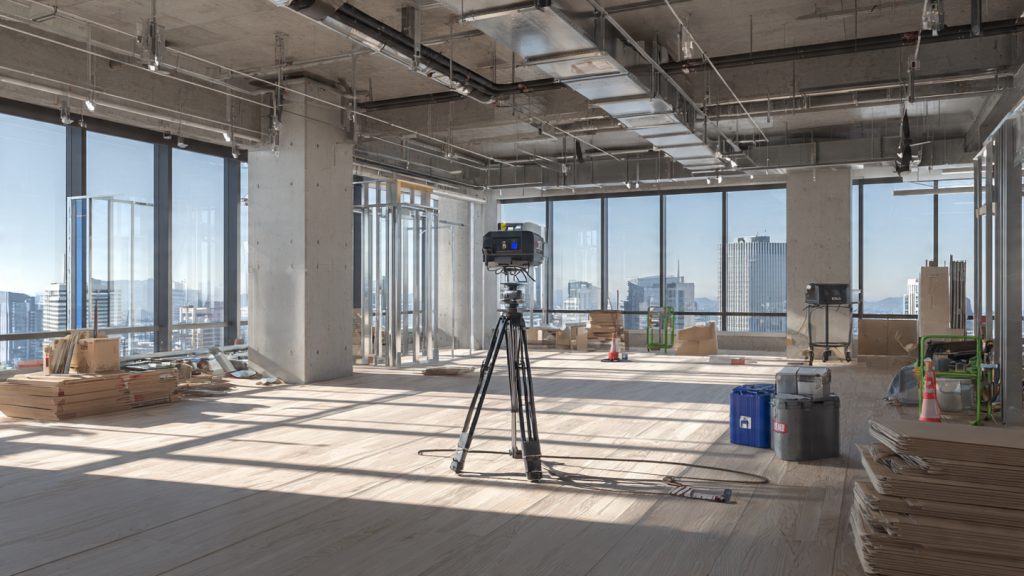
Peace of mind is our priority.Integrating temporary security measures with existing building systems can enhance overall safety and efficiency during fit-outs. Many modern buildings are equipped with advanced security infrastructure that can be leveraged to support temporary measures. For instance, utilizing existing surveillance cameras or alarm systems can reduce costs while maintaining a high level of security.
Collaboration between contractors and building management is essential for successful integration. By working together, they can identify potential vulnerabilities and develop comprehensive security strategies that address both temporary and permanent needs. This collaborative approach not only streamlines the fit-out process but also ensures that all security measures are cohesive and effective in protecting the site.
Considerations for Choosing Temporary Security Solutions
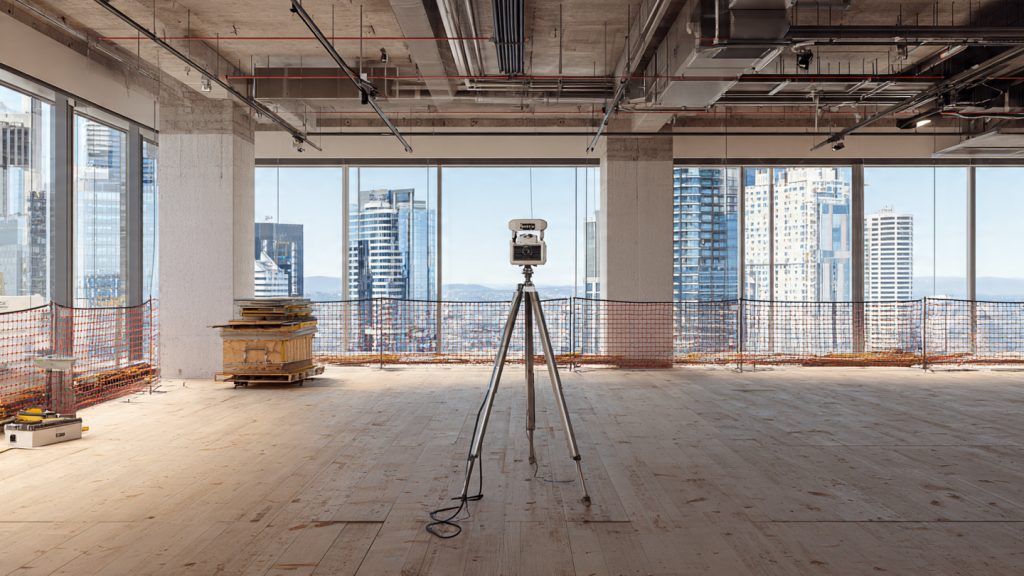
When selecting temporary security solutions for fit-out projects, several factors must be considered to ensure effectiveness and efficiency. First and foremost, businesses should assess the specific risks associated with their site and project scope. Understanding potential vulnerabilities will help determine which security measures are most appropriate.
Budget constraints are another critical consideration. While it is essential to invest in adequate security measures, businesses must also balance costs with their overall project budget. Exploring options such as rental agreements for equipment or hiring temporary security personnel can provide flexibility while still ensuring robust protection. Additionally, it is important to evaluate the reputation and reliability of security providers before making a decision, as partnering with experienced professionals can make a significant difference in the success of temporary security efforts.
Best Practices for Maintaining Temporary Security During Fit-Outs
Maintaining effective temporary security during fit-outs requires ongoing vigilance and adherence to best practices. Regularly reviewing and updating security protocols is essential to adapt to changing circumstances on-site. As construction progresses and new risks emerge, businesses must remain proactive in addressing potential vulnerabilities.
Training staff on security procedures is another critical aspect of maintaining temporary security. Ensuring that all personnel understand their roles in safeguarding the site can foster a culture of security awareness among workers. Regular communication about potential threats and updates on security measures will keep everyone informed and engaged in protecting the project.
In conclusion, temporary security during fit-outs is a multifaceted endeavor that requires careful planning and execution. By leveraging tools such as CCTV, alarms, access control systems, and physical barriers while integrating these measures with existing building systems, businesses can create a secure environment that protects valuable assets throughout the construction process. With thoughtful consideration of risks and ongoing maintenance of security protocols, companies can successfully navigate the challenges associated with fit-outs while safeguarding their investments.