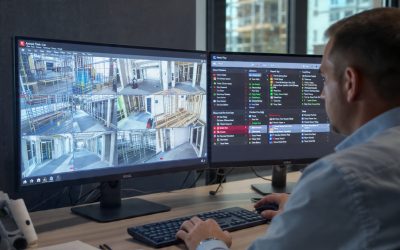




Workplace Safety and Robust Security Measures.
In today’s fast-paced and ever-evolving work environment, the significance of workplace safety and robust security measures cannot be overstated. Organizations are increasingly recognizing that a safe and secure workplace is not just a legal obligation but also a moral imperative. Ensuring the safety of employees fosters a sense of trust and loyalty, which can lead to higher job satisfaction and retention rates.
Moreover, a secure environment minimizes the risk of accidents, injuries, and potential liabilities, ultimately contributing to the overall success of the organization. Workplace safety encompasses a wide range of practices and protocols designed to protect employees from physical harm, while security measures focus on safeguarding personnel and assets from external threats. Both aspects are interlinked, as a secure environment can significantly reduce the likelihood of accidents and incidents.
By prioritizing safety and security, organizations can create a culture that values employee well-being, leading to a more productive and engaged workforce. Peace of mind is our priority.
Understanding the Relationship Between Workplace Safety and Security
The relationship between workplace safety and security is complex yet crucial for any organization. Safety measures are primarily concerned with preventing accidents and injuries that may arise from workplace hazards, such as slips, trips, falls, or equipment malfunctions. On the other hand, security measures aim to protect employees and assets from intentional harm, such as theft, vandalism, or violence.
While these two areas may seem distinct, they are inherently connected; a secure workplace is often a safer workplace. For instance, an organization that invests in robust security measures—such as surveillance systems, access control, and emergency response protocols—can deter potential threats that could lead to unsafe situations. Conversely, a lack of security can create an environment where employees feel vulnerable, which may lead to increased stress and anxiety.
By understanding the interplay between safety and security, organizations can develop comprehensive strategies that address both aspects effectively.
The Role of Security Measures in Preventing Workplace Accidents and Incidents
Security measures play a pivotal role in preventing workplace accidents and incidents by creating an environment where employees feel safe and protected. For example, implementing access control systems can restrict unauthorized personnel from entering sensitive areas, reducing the risk of accidents caused by untrained individuals interacting with hazardous equipment. Additionally, surveillance cameras can serve as both a deterrent to potential wrongdoers and a tool for investigating incidents that do occur.
Moreover, security measures can enhance emergency preparedness by ensuring that employees are trained to respond effectively to various situations. Regular drills and training sessions can familiarize staff with emergency protocols, enabling them to act swiftly in the event of an incident. By integrating security measures into the overall safety strategy, organizations can significantly reduce the likelihood of accidents while fostering a culture of vigilance among employees.
How Workplace Safety and Security Measures Impact Employee Well-being
The impact of workplace safety and security measures on employee well-being is profound. When employees feel safe in their work environment, they are more likely to be engaged, motivated, and productive. A secure workplace reduces stress levels associated with potential threats or hazards, allowing employees to focus on their tasks without distraction.
Furthermore, organizations that prioritize safety demonstrate their commitment to employee welfare, which can enhance morale and foster loyalty. Conversely, neglecting safety and security can lead to feelings of anxiety and fear among employees. A workplace that lacks adequate safety protocols or security measures may create an atmosphere of uncertainty, leading to decreased job satisfaction and increased turnover rates.
By investing in comprehensive safety and security measures, organizations not only protect their employees but also contribute to their overall well-being and mental health.
The Connection Between Workplace Safety and Security Measures and Productivity
There is a clear connection between workplace safety and security measures and overall productivity. A safe work environment allows employees to perform their tasks efficiently without the fear of accidents or threats looming over them. When employees feel secure in their surroundings, they are more likely to take initiative, collaborate with colleagues, and contribute positively to the organization’s goals.
Moreover, organizations that prioritize safety and security often experience fewer disruptions caused by accidents or incidents. This continuity allows for smoother operations and less downtime, ultimately leading to increased productivity levels. Additionally, when employees perceive their organization as committed to their safety, they are more likely to invest their time and energy into their work, resulting in higher quality outputs.
Implementing Effective Security Measures to Improve Workplace Safety

To improve workplace safety through effective security measures, organizations must first conduct a thorough assessment of their current security protocols. This evaluation should identify potential vulnerabilities and areas for improvement. Once these gaps are recognized, organizations can implement tailored solutions that address specific needs.
For instance, investing in advanced surveillance technology can enhance monitoring capabilities while providing peace of mind for employees. Additionally, establishing clear communication channels for reporting safety concerns or suspicious activities can empower employees to take an active role in maintaining a secure environment. Regular training sessions on safety protocols and emergency response procedures further reinforce the importance of security measures in promoting workplace safety.
The Impact of Workplace Safety and Security Measures on Company Reputation
The reputation of an organization is closely tied to its commitment to workplace safety and security measures. Companies that prioritize these aspects are often viewed more favorably by clients, customers, and potential employees. A strong reputation for safety can serve as a competitive advantage in attracting top talent while also instilling confidence in clients who value responsible business practices.
Conversely, organizations that neglect safety and security may face significant reputational damage if incidents occur. Negative publicity resulting from accidents or security breaches can tarnish an organization’s image and lead to loss of business opportunities. By fostering a culture of safety and security, organizations not only protect their employees but also enhance their reputation in the marketplace.
The Legal and Financial Implications of Neglecting Workplace Safety and Security
Neglecting workplace safety and security measures can have serious legal and financial implications for organizations. Failure to comply with safety regulations can result in hefty fines, legal liabilities, and increased insurance premiums. Additionally, organizations may face lawsuits from injured employees or their families if adequate safety measures were not in place at the time of an incident.
The financial impact extends beyond legal costs; workplace accidents can lead to lost productivity due to employee absences or decreased morale among staff who witness or experience incidents firsthand. Investing in comprehensive safety and security measures is not only a legal obligation but also a sound financial decision that can save organizations from costly repercussions down the line.
Creating a Culture of Safety and Security in the Workplace
Creating a culture of safety and security within the workplace requires commitment from all levels of the organization. Leadership must prioritize safety as a core value and actively promote it through policies, training programs, and open communication channels. Employees should feel empowered to voice concerns about safety issues without fear of retaliation.
Regular training sessions on safety protocols should be conducted to ensure that all employees are aware of best practices for maintaining a secure environment. Additionally, recognizing and rewarding employees who demonstrate a commitment to safety can reinforce positive behaviors within the organization. By fostering a culture that values safety and security, organizations can create an environment where employees feel supported and protected.
The Role of Technology in Enhancing Workplace Safety and Security Measures
Technology plays an increasingly vital role in enhancing workplace safety and security measures. From advanced surveillance systems equipped with artificial intelligence to smart access control solutions that monitor entry points in real-time, technological advancements have revolutionized how organizations approach safety and security. Moreover, technology enables organizations to streamline communication during emergencies through mass notification systems that alert employees about potential threats or hazards instantly.
Wearable devices equipped with sensors can monitor employee health metrics in high-risk environments, providing real-time data that can prevent accidents before they occur. By leveraging technology effectively, organizations can create safer workplaces while also improving overall operational efficiency.

The Future of Workplace Safety and Security: Trends and Innovations
As we look toward the future of workplace safety and security, several trends and innovations are emerging that promise to reshape how organizations approach these critical areas. One notable trend is the increasing integration of artificial intelligence (AI) into security systems. AI-powered surveillance cameras can analyze footage in real-time to detect unusual behavior or potential threats automatically.
Additionally, remote monitoring solutions are becoming more prevalent as organizations adapt to hybrid work models. These technologies allow employers to maintain oversight of both on-site and remote workers’ safety while ensuring compliance with established protocols. Furthermore, the growing emphasis on mental health awareness is leading organizations to incorporate psychological well-being into their safety strategies.
In conclusion, workplace safety and security measures are essential components of any successful organization. By understanding their importance, fostering a culture that prioritizes these aspects, leveraging technology effectively, and staying informed about emerging trends, organizations can create safe environments that promote employee well-being while enhancing productivity and reputation in the marketplace.
In exploring the critical relationship between workplace safety and robust security measures, it’s essential to consider how vulnerabilities in security systems can impact overall safety. A related article that delves into this topic is Is Your Business Vulnerable? Common Mistakes in Business Security Systems, which highlights common pitfalls that businesses face in their security protocols and offers insights on how to strengthen them. By addressing these vulnerabilities, organizations can create a safer work environment for their employees.
FAQs
What is the relationship between workplace safety and security measures?
Workplace safety and security measures are interconnected because effective security protocols help prevent unauthorized access, theft, and violence, which directly contribute to a safer work environment for employees.
Why are robust security measures important for workplace safety?
Robust security measures are important because they help identify and mitigate potential threats, reduce risks of accidents or incidents, and ensure that employees feel protected, which enhances overall safety and productivity.
What are some common security measures that improve workplace safety?
Common security measures include access control systems, surveillance cameras, employee identification badges, emergency response plans, and regular security training for staff.
How do security measures help in emergency situations at the workplace?
Security measures such as alarm systems, clear evacuation routes, and communication protocols enable quick and organized responses during emergencies, minimizing harm and ensuring employee safety.
Can workplace safety be improved without security measures?
While some aspects of workplace safety, like ergonomic practices and hazard controls, can be improved independently, security measures are essential to address risks related to unauthorized access, violence, and theft, which are critical for comprehensive safety.
Who is responsible for implementing workplace safety and security measures?
Employers are primarily responsible for implementing and maintaining workplace safety and security measures, but employees also play a role by following protocols and reporting potential hazards or security concerns.
How often should workplace security measures be reviewed or updated?
Workplace security measures should be reviewed regularly, at least annually, or whenever there are changes in the work environment, technology, or after any security incidents to ensure they remain effective.
What role does employee training play in linking workplace safety and security?
Employee training is crucial as it educates staff on recognizing security threats, following safety protocols, and responding appropriately during incidents, thereby strengthening the overall safety and security culture.