



Upgrading Venue Access: From Keys to Mobile Credentials
Venue access methods have evolved significantly through technological advancement. Historically, physical keys served as the primary entry mechanism, though this approach presented security vulnerabilities and operational inefficiencies. The introduction of electronic locks and keycards represented a major advancement, enabling more sophisticated security protocols and improved user convenience.
These systems provided additional benefits, including the ability to create audit trails documenting who accessed a venue and at what time, thereby strengthening overall security measures. The digital era has further accelerated access control innovation. Mobile technology has fundamentally changed venue access approaches, with smartphones now serving as primary access devices.
Mobile credentials allow users to unlock doors through their devices, eliminating the need for physical keys or cards. This development reflects both evolving consumer expectations and the practical demand for flexible, secure access solutions across diverse settings, including residential properties and commercial facilities.
Key Takeaways
- Venue access has evolved from traditional keys to advanced mobile credentials.
- Traditional keys have limitations in security, convenience, and management.
- Mobile credentials offer enhanced security features and seamless user experience.
- Implementing mobile credentials improves cost efficiency and integrates with other systems.
- Future trends focus on expanding mobile credential use and adopting best upgrade practices.
The Limitations of Traditional Keys
Traditional keys, while once the standard for securing venues, come with a host of limitations that can compromise both security and convenience. One of the most significant drawbacks is the risk of loss or theft. When a key is misplaced, it can lead to unauthorized access, necessitating costly rekeying or lock replacement.
Additionally, managing multiple keys for different areas can become cumbersome, especially in larger venues where staff may require access to various locations. Moreover, traditional keys lack the ability to provide detailed access logs. In an era where accountability and transparency are paramount, the inability to track who accessed a venue and when can pose serious security risks.
Furthermore, traditional locks can be vulnerable to picking or bumping, making them less secure than modern alternatives. As security threats evolve, it has become increasingly clear that relying solely on physical keys is no longer sufficient for ensuring safety in both residential and commercial settings. Protect your smart home with confidence by choosing Alpha Security Corp.
The Rise of Mobile Credentials
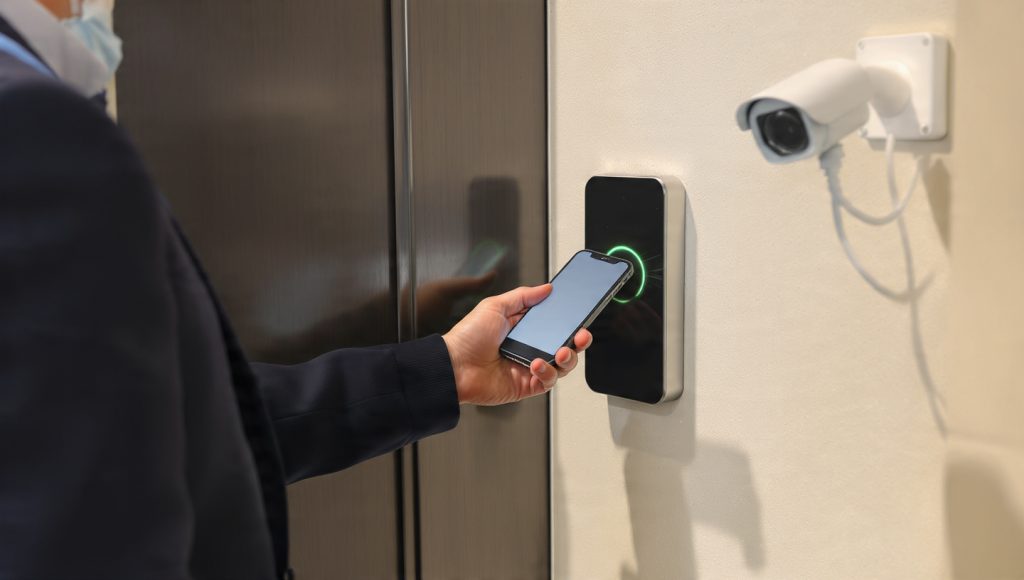
In response to the limitations of traditional keys, mobile credentials have emerged as a powerful alternative for venue access. This innovative solution leverages the capabilities of smartphones to provide a seamless and secure method of entry. By utilizing Bluetooth or NFC technology, users can unlock doors with their mobile devices, eliminating the need for physical keys altogether.
This shift not only enhances convenience but also aligns with the growing trend of digitalization in our daily lives. The rise of mobile credentials is also driven by the increasing demand for flexibility in access control systems. Businesses and organizations are seeking solutions that can easily adapt to changing needs, such as temporary access for visitors or contractors.
Mobile credentials offer this flexibility by allowing administrators to grant or revoke access remotely through a centralized management system. This capability not only streamlines operations but also enhances security by ensuring that only authorized individuals can enter specific areas.
Advantages of Mobile Credentials
The advantages of mobile credentials extend beyond mere convenience; they encompass a range of benefits that enhance security and operational efficiency. One of the most notable advantages is the ability to manage access permissions in real-time. Administrators can easily grant or revoke access to individuals as needed, reducing the risk associated with lost or stolen keys.
This level of control is particularly valuable in environments where personnel changes frequently, such as in commercial settings. Additionally, mobile credentials can improve user experience by simplifying the entry process. Users no longer need to fumble through their pockets or bags for keys; instead, they can simply use their smartphones to gain access.
This ease of use can lead to increased satisfaction among employees and visitors alike. Furthermore, mobile credentials can be integrated with other technologies, such as visitor management systems or time and attendance tracking, creating a comprehensive solution that enhances overall operational efficiency.
Security Features of Mobile Credentials
Security is paramount when it comes to access control, and mobile credentials offer several features that enhance safety compared to traditional methods. One key advantage is encryption; mobile credentials utilize advanced encryption protocols to protect data during transmission between the smartphone and the locking mechanism. This ensures that even if a hacker intercepts the signal, they cannot gain unauthorized access.
Moreover, mobile credentials can incorporate multi-factor authentication (MFA) for an added layer of security. By requiring users to verify their identity through multiple means—such as a password or biometric verification—organizations can significantly reduce the risk of unauthorized access. Additionally, many mobile credential systems allow for remote monitoring and alerts, enabling administrators to respond quickly to any suspicious activity.
Implementation of Mobile Credentials
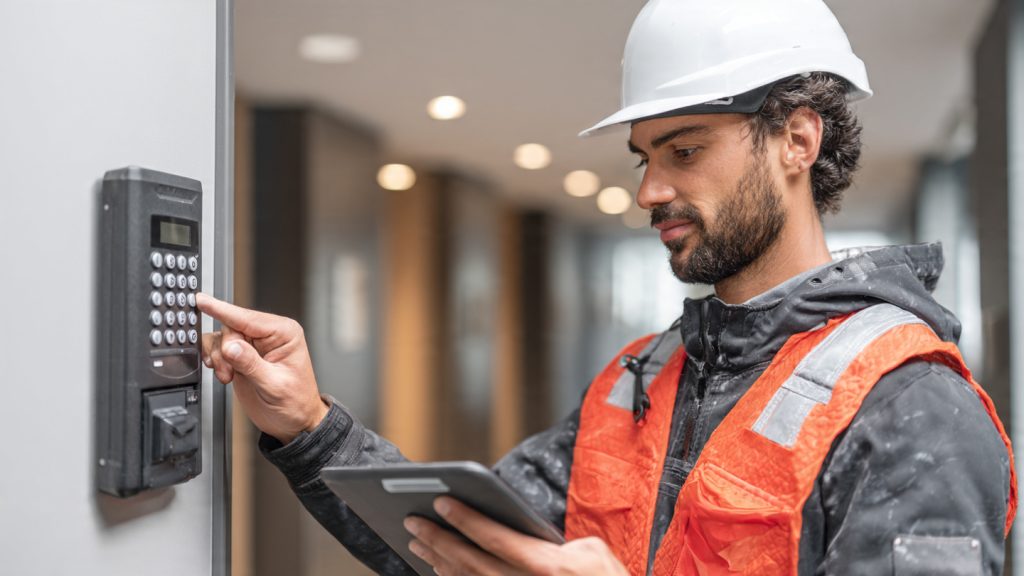
Implementing mobile credentials requires careful planning and consideration to ensure a smooth transition from traditional access methods. Organizations must first assess their current security infrastructure and identify areas where mobile credentials can be integrated effectively. This may involve upgrading existing locks or installing new hardware that supports mobile technology.
Training staff on how to use mobile credentials is also crucial for successful implementation. Users must understand how to download and manage their digital credentials on their smartphones, as well as how to troubleshoot any potential issues that may arise. Additionally, organizations should establish clear policies regarding access permissions and usage guidelines to ensure that mobile credentials are used securely and responsibly.
User Experience with Mobile Credentials
The user experience associated with mobile credentials is often cited as one of its most significant advantages. Users appreciate the convenience of having their access control integrated into their smartphones, eliminating the need for physical keys or cards. This streamlined experience not only saves time but also enhances overall satisfaction with the access process.
Furthermore, mobile credential systems often come with user-friendly applications that allow individuals to manage their access rights easily. Users can receive notifications about their access status, view logs of their entry history, and even request temporary access for guests—all from their smartphones. This level of engagement fosters a sense of ownership over security measures and encourages responsible usage among users.
Cost and Efficiency Considerations
While the initial investment in mobile credential technology may seem daunting, organizations must consider the long-term cost savings associated with this solution. Traditional key management often involves expenses related to rekeying locks, replacing lost keys, and managing physical access cards. In contrast, mobile credentials reduce these costs by minimizing the need for physical replacements and streamlining administrative tasks.
Moreover, mobile credential systems can enhance operational efficiency by automating various processes related to access control. For instance, organizations can eliminate time-consuming manual checks by utilizing digital logs that track entry and exit times automatically. This not only saves time but also allows staff to focus on more critical tasks rather than managing physical keys or cards.
Integration with Other Systems
One of the standout features of mobile credentials is their ability to integrate seamlessly with other security systems and technologies. Organizations can connect mobile credential solutions with video surveillance systems, alarm monitoring services, and visitor management platforms to create a comprehensive security ecosystem. This integration enhances situational awareness and allows for more effective responses to potential security threats.
Additionally, integrating mobile credentials with existing building management systems can lead to improved energy efficiency and resource management. For example, organizations can program access controls to adjust lighting or HVAC systems based on occupancy levels detected through mobile credential usage. This not only enhances security but also contributes to sustainability efforts by reducing energy consumption.
Future Trends in Venue Access
As technology continues to evolve, so too will the landscape of venue access control. One emerging trend is the increased adoption of biometric authentication methods alongside mobile credentials. Fingerprint scanning or facial recognition technology can provide an additional layer of security while maintaining user convenience.
This trend reflects a growing emphasis on personalized security measures that cater to individual users’ needs. Another trend is the rise of cloud-based access control solutions that allow organizations to manage their security systems remotely from anywhere in the world. This flexibility enables businesses to respond quickly to changing circumstances and adapt their security measures as needed without being tied down by physical infrastructure limitations.
Best Practices for Upgrading to Mobile Credentials
Upgrading to mobile credentials requires careful planning and execution to ensure a successful transition from traditional methods. Organizations should begin by conducting a thorough assessment of their current security infrastructure and identifying areas where mobile technology can be integrated effectively. Engaging stakeholders throughout this process is crucial; input from employees who will be using the system can provide valuable insights into user experience considerations.
Training staff on how to use mobile credentials effectively is another essential step in this process. Providing comprehensive training sessions that cover everything from downloading apps to troubleshooting common issues will empower users and foster confidence in adopting this new technology. Additionally, establishing clear policies regarding access permissions and usage guidelines will help ensure that mobile credentials are used securely and responsibly within the organization.
In conclusion, the evolution of venue access has led us from traditional keys to innovative solutions like mobile credentials that enhance security while improving user experience. As organizations continue to embrace this technology, they will benefit from increased flexibility, efficiency, and peace of mind knowing that they are utilizing cutting-edge security measures tailored to meet their unique needs.
In the evolving landscape of security technology, the transition from traditional keys to mobile credentials is a significant upgrade for modern access control systems in venues. For those interested in understanding the broader implications of these advancements, a related article titled “Why Sydney Businesses Are Upgrading Their Business Security Systems in 2025” provides valuable insights into the motivations behind these upgrades. You can read more about it here.