


Wireless Access Control
Heritage buildings are invaluable treasures that tell the story of our past, embodying the architectural styles and cultural significance of their time. Preserving these structures is not merely about maintaining their physical appearance; it involves safeguarding the history and identity they represent. The challenge lies in implementing modern security measures without compromising the aesthetic and historical integrity of these buildings.
Innovative security solutions can be designed to blend seamlessly with the existing architecture, ensuring that the character of the building remains intact while providing essential protection against potential threats. Moreover, the preservation of heritage buildings often requires a delicate balance between modern needs and historical authenticity. This is where specialized security systems come into play.
By utilizing discreet technologies such as hidden cameras and unobtrusive alarm systems, property owners can enhance security without detracting from the building’s original charm. The goal is to create a protective environment that respects the past while embracing the future, ensuring that these architectural gems continue to be appreciated by generations to come.
Key Takeaways
- Heritage building security can be enhanced without compromising architectural integrity.
- Modern systems offer flexible, easy installation suitable for historic structures.
- Remote access and integration with other technologies improve monitoring and control.
- Solutions are customizable, scalable, and cost-effective for long-term use.
- Compliance with heritage regulations ensures preservation alongside improved visitor experience.
Flexibility and Ease of Installation
One of the most significant advantages of modern security systems is their flexibility and ease of installation. Unlike traditional systems that often require extensive modifications to existing structures, contemporary solutions can be tailored to fit a variety of environments, including heritage buildings. This adaptability means that property owners can implement security measures without undergoing disruptive renovations or compromising the building’s integrity.
The installation process itself has also evolved, with many systems designed for quick and efficient setup. Wireless technology, for instance, eliminates the need for extensive wiring, allowing for a more straightforward installation that minimizes disruption to the building’s interior and exterior. This ease of installation is particularly beneficial for heritage sites, where preserving the original materials and design is paramount.
As a result, property owners can enjoy peace of mind knowing that their security needs are met without sacrificing the beauty and history of their cherished buildings. Protect your smart home with confidence by choosing Alpha Security Corp for comprehensive and reliable security.
Enhanced Security Features
In an age where security threats are becoming increasingly sophisticated, enhanced security features are essential for protecting valuable assets, especially in heritage buildings. Modern security systems offer a range of advanced features, including motion detection, facial recognition, and real-time alerts, which work together to create a comprehensive security solution. These technologies not only deter potential intruders but also provide property owners with valuable insights into their premises’ safety.
Furthermore, enhanced security features can be customized to meet the specific needs of each heritage building. For instance, certain areas may require more stringent monitoring due to their historical significance or value. By integrating advanced security measures tailored to these unique requirements, property owners can ensure that their heritage sites are adequately protected while maintaining their historical integrity.

Remote Access and Monitoring
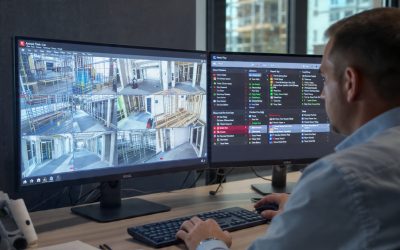
The advent of smart technology has revolutionized how we approach security, particularly in heritage buildings. Remote access and monitoring capabilities allow property owners to keep an eye on their premises from anywhere in the world. This feature is especially beneficial for those who may not be on-site regularly or who manage multiple properties.
With just a few taps on a smartphone or tablet, users can access live feeds from security cameras, receive alerts about unusual activity, and even control alarm systems remotely. This level of accessibility not only enhances security but also provides peace of mind for property owners. Knowing that they can monitor their heritage buildings in real-time allows them to respond quickly to potential threats or emergencies.
Additionally, remote access can facilitate better communication with security personnel or local authorities, ensuring that any incidents are addressed promptly and effectively.
Integration with Other Systems
Modern security solutions are designed to integrate seamlessly with other systems within a building, creating a cohesive approach to safety and management. For heritage buildings, this integration can be particularly advantageous, as it allows for a more comprehensive understanding of the property’s overall security landscape. For example, integrating fire alarms, access control systems, and environmental monitoring can provide a holistic view of potential risks and vulnerabilities.
By combining various systems into one unified platform, property owners can streamline their security management processes. This integration not only enhances efficiency but also allows for better data analysis and reporting. In the context of heritage buildings, where preserving historical integrity is crucial, having a comprehensive understanding of all security aspects ensures that any interventions are carefully considered and executed with respect for the building’s legacy.
Cost-Effective Solution

Investing in modern security solutions for heritage buildings may seem daunting at first glance; however, it can prove to be a cost-effective decision in the long run. While there may be initial costs associated with installing advanced security systems, the potential savings from preventing theft, vandalism, or damage far outweigh these expenses. Heritage buildings often house valuable artifacts or historical documents that could be irreparably harmed if proper security measures are not in place.
Additionally, many modern security systems are designed with energy efficiency in mind, which can lead to reduced operational costs over time. For instance, smart lighting systems can be programmed to activate only when needed, minimizing energy consumption while still providing adequate illumination for safety and security purposes. By considering both immediate and long-term financial implications, property owners can make informed decisions that protect their heritage buildings while also being mindful of their budgets.
Reduced Maintenance and Upkeep
One of the often-overlooked benefits of modern security systems is their potential for reduced maintenance and upkeep. Traditional security measures may require frequent manual checks and updates, leading to increased labor costs and time commitments. In contrast, contemporary systems often come equipped with self-monitoring capabilities and automated alerts that notify property owners when maintenance is needed or when components require attention.
For heritage buildings, where preserving original materials and features is paramount, this reduction in maintenance demands is particularly advantageous. Property owners can focus on protecting their investments without being burdened by constant upkeep of outdated security measures. This efficiency allows for more resources to be allocated toward other essential aspects of building preservation and management.
Customization and Scalability
Every heritage building is unique, with its own set of challenges and requirements when it comes to security. Modern security solutions offer a high degree of customization and scalability, allowing property owners to tailor their systems to meet specific needs effectively. Whether it’s adjusting camera angles to capture critical areas or implementing specialized access controls for sensitive locations within the building, these systems can be designed to fit any scenario.
Scalability is another crucial aspect of modern security solutions. As needs evolve over time—whether due to changes in occupancy levels or shifts in threat landscapes—property owners can easily expand or modify their systems without starting from scratch. This adaptability ensures that heritage buildings remain secure in an ever-changing environment while preserving their historical significance.
Improved Visitor Experience
Security measures often evoke thoughts of barriers and restrictions; however, modern solutions can enhance rather than detract from the visitor experience in heritage buildings. By implementing discreet surveillance systems and access controls, property owners can create a safe environment that encourages exploration and appreciation of the site’s history. Visitors are more likely to engage with a space when they feel secure and protected.
Moreover, advanced technologies such as interactive displays or guided tours integrated with security systems can enrich the visitor experience further. These innovations allow guests to learn about the building’s history while ensuring their safety through monitored access points and emergency protocols. By prioritizing both security and visitor engagement, heritage sites can foster a deeper connection between people and history.
Environmental Benefits
In today’s world, environmental sustainability is a pressing concern across all sectors, including heritage preservation. Modern security solutions often incorporate eco-friendly technologies that minimize energy consumption and reduce carbon footprints. For instance, solar-powered cameras or energy-efficient alarm systems contribute to a greener approach to building management.
Additionally, by protecting heritage buildings from theft or vandalism through effective security measures, property owners help preserve not only the physical structure but also its environmental context. Many heritage sites are situated within ecologically sensitive areas; safeguarding these locations ensures that both cultural and natural resources are respected and maintained for future generations.
Compliance with Heritage Regulations
Navigating the complexities of heritage regulations can be challenging for property owners seeking to implement modern security solutions. However, many contemporary systems are designed with compliance in mind, ensuring that they meet local guidelines while still providing robust protection. By working closely with experts in both security technology and heritage preservation, property owners can find solutions that align with regulatory requirements without compromising on safety.
Furthermore, adhering to these regulations not only protects the building but also enhances its value within the community. A well-preserved heritage site contributes to local identity and tourism while demonstrating a commitment to responsible stewardship of cultural resources. By investing in compliant security measures, property owners can ensure that their heritage buildings remain safe havens for future generations to enjoy while honoring their historical significance.
In conclusion, modern security solutions offer numerous benefits for preserving heritage buildings while addressing contemporary challenges. From enhancing safety features to improving visitor experiences and ensuring compliance with regulations, these systems provide a comprehensive approach to protecting our architectural treasures without compromising their integrity. As we continue to navigate an ever-evolving landscape of threats and opportunities, embracing innovative security technologies will be essential in safeguarding our shared cultural heritage for years to come.
In exploring the benefits of wireless access control for heritage buildings, it’s also important to consider the broader context of security systems in commercial settings. For instance, the article Why Do You Need Professional Commercial Security Installation? discusses the significance of professional installation in ensuring the effectiveness of security measures, which can be particularly relevant when integrating modern technology into historically significant structures.