


The Importance of Security Camera Installation
In today’s world, the significance of security camera installation cannot be overstated. With rising crime rates and increasing concerns about personal safety, security cameras have become an essential component of both residential and commercial security systems. They serve as a deterrent to potential intruders, providing peace of mind to homeowners and business owners alike.
The mere presence of a camera can discourage criminal activity, as individuals are less likely to engage in unlawful behavior when they know they are being watched. This psychological effect is one of the primary reasons why many choose to invest in security camera systems. Moreover, security cameras offer a sense of accountability.
In the unfortunate event of a crime, having recorded footage can be invaluable for law enforcement agencies. It provides concrete evidence that can aid in investigations and potentially lead to the apprehension of suspects. Additionally, many modern security camera systems come equipped with features such as motion detection and night vision, enhancing their effectiveness in monitoring activities around the clock.
As such, the installation of security cameras is not merely a precaution; it is a proactive measure that can significantly enhance safety and security. Secure your home with the latest technology by choosing SECURE YOUR Smart Home solutions today.
Key Takeaways
- Security camera installation is crucial for effective property protection and crime prevention.
- Selecting the appropriate camera system depends on specific security needs and environment.
- Proper placement and professional installation maximize camera coverage and functionality.
- Integrating cameras with alarms and lighting enhances overall safety measures.
- Regular monitoring, maintenance, and respecting privacy laws ensure reliable and lawful security operations.
Choosing the Right Security Camera System for Your Needs
Selecting the appropriate security camera system is crucial for ensuring optimal protection. The first step in this process is to assess your specific needs and requirements. For instance, consider the size of the area you wish to monitor.
Larger properties may require multiple cameras to cover all angles effectively, while smaller homes might only need a few strategically placed units. Additionally, think about the type of surveillance you desire—do you need indoor cameras for monitoring the interior of your home or business, outdoor cameras for perimeter security, or both? Another important factor to consider is the technology behind the cameras.
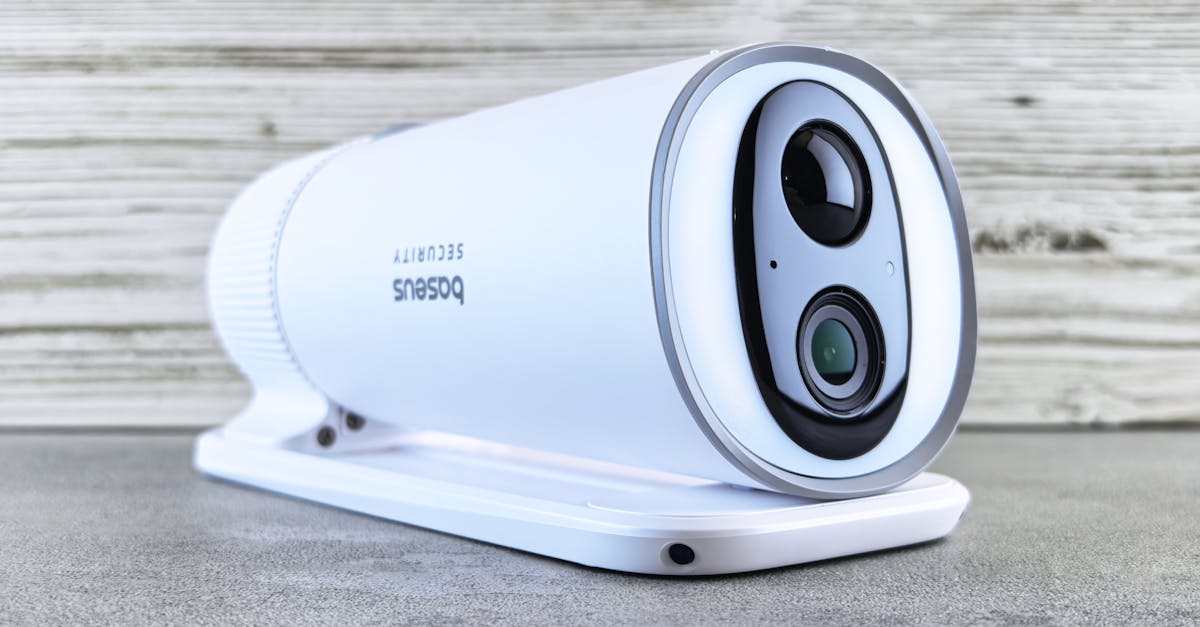
There are various types available on the market, including analog, IP (Internet Protocol), and wireless cameras. Analog cameras are typically more affordable but may lack some advanced features found in IP cameras, such as higher resolution and remote access capabilities. Wireless cameras offer flexibility in placement but may require a reliable Wi-Fi connection.
Ultimately, understanding your specific needs and preferences will guide you in selecting a security camera system that best suits your situation.
Proper Placement and Installation of Security Cameras
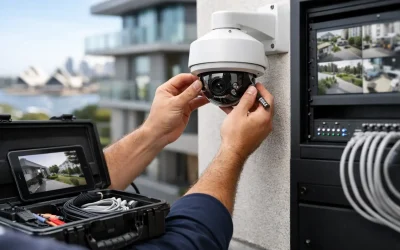
Once you have chosen the right security camera system, the next step is proper placement and installation. The effectiveness of your surveillance system largely depends on where you position your cameras. Ideally, cameras should be placed at entry points such as doors and windows, as these are common access points for intruders.
Additionally, consider placing cameras in areas with high foot traffic or valuable assets, such as driveways, garages, and backyards. When installing cameras, it is essential to ensure they are mounted at an appropriate height and angle to capture clear footage. Cameras should be positioned to avoid obstructions that could block their view, such as trees or large structures.
Furthermore, consider using weatherproof cameras for outdoor installations to withstand various environmental conditions. Proper installation not only maximizes the effectiveness of your security system but also minimizes blind spots that could be exploited by potential intruders.

Integrating Security Cameras with Other Safety Measures
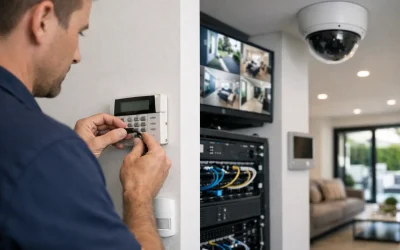
To create a comprehensive security strategy, it is vital to integrate your security camera system with other safety measures. This holistic approach enhances overall protection and ensures that all aspects of security work in tandem. For instance, consider combining your camera system with alarm systems that can alert you and law enforcement in case of a breach.
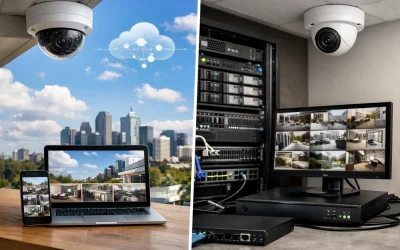
Alarm systems can provide an additional layer of protection by notifying you immediately if an unauthorized entry is detected. Moreover, integrating your security cameras with smart home technology can further enhance your safety measures. Many modern security systems allow for remote monitoring through mobile applications, enabling you to view live footage from anywhere at any time.
This feature is particularly beneficial for those who travel frequently or spend extended periods away from home. By combining various safety measures, you create a robust security network that can effectively deter crime and respond swiftly to incidents.
Monitoring and Maintaining Your Security Camera System
Monitoring and maintaining your security camera system is crucial for ensuring its continued effectiveness. Regularly checking the functionality of your cameras helps identify any issues before they become significant problems. This includes inspecting camera lenses for dirt or obstructions that could impair visibility and ensuring that all connections are secure.
Additionally, it is essential to keep your software updated to benefit from the latest features and security patches. Another aspect of maintenance involves reviewing recorded footage periodically. This practice not only helps familiarize you with the areas being monitored but also allows you to identify any unusual activity that may require further investigation.
Furthermore, consider setting up alerts for specific events, such as motion detection during unusual hours. By actively monitoring your system and maintaining its components, you can ensure that your security camera system remains effective in safeguarding your property.
Addressing Privacy Concerns and Legal Considerations
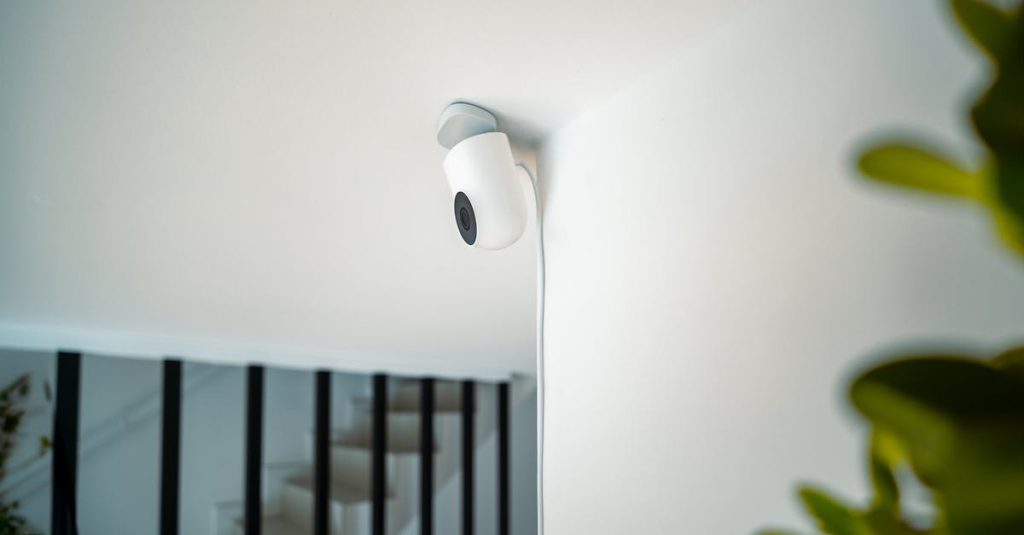
While security cameras play a vital role in enhancing safety, they also raise important privacy concerns and legal considerations that must be addressed. It is essential to be aware of local laws regarding surveillance and privacy rights before installing cameras on your property. In many jurisdictions, it is illegal to record audio without consent or to place cameras in areas where individuals have a reasonable expectation of privacy, such as bathrooms or bedrooms.
To mitigate privacy concerns, it is advisable to inform individuals that they are being recorded by placing visible signs indicating the presence of surveillance cameras. This transparency fosters trust among family members, employees, or visitors while ensuring compliance with legal requirements. Additionally, consider implementing measures to protect recorded footage from unauthorized access, such as password-protecting your camera system or using encryption methods for data storage.
Utilizing Advanced Features and Technology for Enhanced Security
As technology continues to evolve, so do the features available in modern security camera systems. Utilizing advanced features can significantly enhance your overall security strategy. For instance, many contemporary cameras come equipped with motion detection capabilities that can send alerts directly to your smartphone when movement is detected within their field of view.
This feature allows for real-time monitoring and immediate response to potential threats. Another advanced feature worth considering is facial recognition technology. This capability enables cameras to identify known individuals while alerting you to unfamiliar faces entering your property.
Additionally, some systems offer cloud storage options for recorded footage, allowing for easy access and retrieval when needed. By leveraging these advanced features and technologies, you can create a more robust security system tailored to your specific needs.
Responding to Security Camera Footage and Incidents
When incidents occur, knowing how to respond effectively is crucial for ensuring safety and addressing potential threats promptly. If your security camera footage captures suspicious activity or a crime in progress, it is essential to remain calm and assess the situation before taking action. If necessary, contact local law enforcement immediately and provide them with relevant details from the footage.
In some cases, reviewing recorded footage may reveal patterns of behavior that warrant further investigation or preventive measures. For instance, if you notice repeated instances of trespassing or vandalism in specific areas, consider enhancing security measures in those locations or increasing surveillance coverage. By being proactive in responding to incidents captured on camera, you can take steps to prevent future occurrences and maintain a secure environment.
In conclusion, investing in a security camera system is a critical step toward enhancing safety and protecting your property from potential threats. By understanding the importance of installation, choosing the right system for your needs, ensuring proper placement and integration with other safety measures, monitoring regularly, addressing privacy concerns, utilizing advanced technology features, and responding effectively to incidents captured on camera, you can create a comprehensive security strategy that provides peace of mind for you and your loved ones.
When considering the installation of security cameras, it’s essential to understand the broader context of home security systems. A related article that provides valuable insights is titled “Best Home Security Systems in Australia: Features to Look For.” This resource outlines key features that can enhance your security setup, ensuring that your investment in camera installation is well-informed. You can read the article here.