


Temporary Security During Fit-Outs: Practical Options for Alarms, Monitoring and Access Control
Fit-out projects, whether for commercial or residential spaces, often involve significant investments of time and resources. During this critical phase, the risk of theft, vandalism, and other security breaches can escalate dramatically. Temporary security measures are essential to safeguard the materials, equipment, and labor involved in these projects. Without adequate protection, businesses may face substantial financial losses, delays in project completion, and potential liability issues. Therefore, understanding the importance of temporary security during fit-outs is paramount for any project manager or property owner.
Moreover, the presence of a robust security system can instill confidence among contractors and workers. When employees feel secure in their work environment, they are more likely to perform efficiently and effectively. This sense of safety can lead to improved morale and productivity, ultimately contributing to the successful completion of the fit-out project. In essence, investing in temporary security is not merely a precaution; it is a strategic decision that can enhance the overall success of the project.
In the realm of ensuring safety during fit-outs, understanding the broader context of security management is essential. A related article that delves into the importance of selecting the right business process outsourcing (BPO) partner can provide valuable insights into how external expertise can enhance security measures. For more information on this topic, you can read the article here: Office Fit-Out Security Sydney. This resource highlights the significance of collaboration and strategic partnerships in optimizing security protocols during transitional phases like fit-outs.
Assessing the Risks and Vulnerabilities of Fit-Out Projects
Before implementing any security measures, it is crucial to conduct a thorough risk assessment of the fit-out project. This involves identifying potential vulnerabilities that could be exploited by intruders or vandals. Common risks include theft of valuable materials, damage to equipment, and unauthorized access to the site. By understanding these vulnerabilities, project managers can tailor their security strategies to address specific threats effectively.
Additionally, it is essential to consider the location of the fit-out project. Urban areas may present different challenges compared to rural settings, with higher crime rates often associated with densely populated regions. Factors such as the time of day when work is conducted and the presence of neighboring businesses can also influence security risks. By taking a comprehensive approach to risk assessment, stakeholders can develop a more effective security plan that mitigates potential threats and ensures a smoother fit-out process.
Choosing the Right Security Measures for Temporary Protection
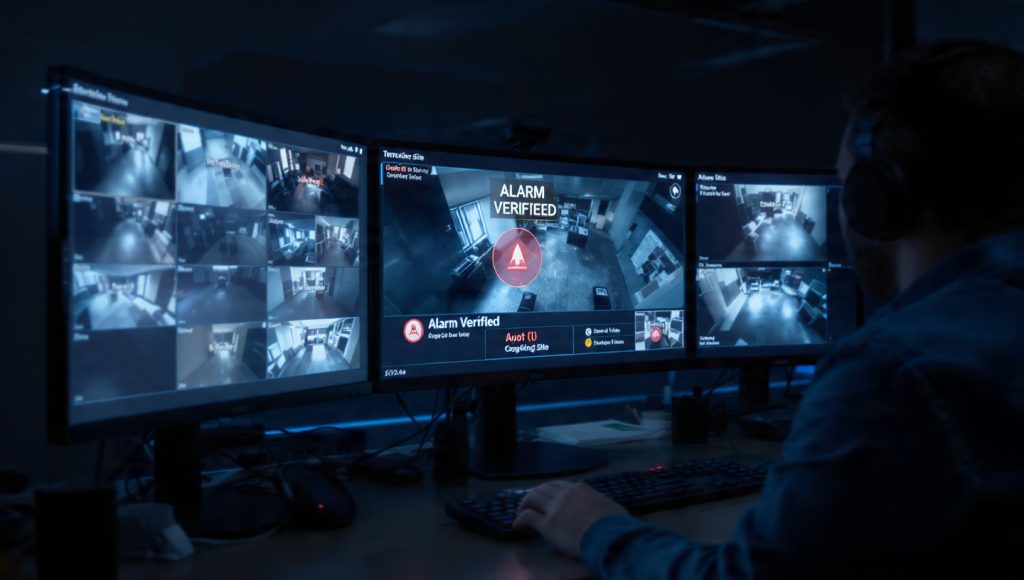
Once the risks have been assessed, the next step is to choose appropriate security measures for temporary protection. A combination of physical barriers, surveillance systems, and personnel can create a comprehensive security strategy. For instance, installing temporary fencing around the perimeter of the site can deter unauthorized access while also clearly marking the boundaries of the work area.
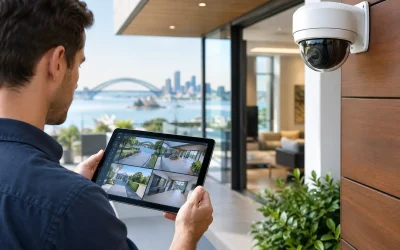
In addition to physical barriers, technology plays a vital role in enhancing security during fit-outs. Surveillance cameras can provide real-time monitoring of the site, allowing for quick responses to any suspicious activity. Furthermore, alarm systems can alert authorities in case of a breach, ensuring that help is on the way even if no personnel are present on-site. By carefully selecting a mix of these measures, project managers can create a robust security framework that addresses various threats effectively.
The Role of Alarms in Temporary Security During Fit-Outs
Alarms serve as a critical component of temporary security during fit-out projects. They act as both a deterrent and an alert system, providing peace of mind to project managers and workers alike. The mere presence of an alarm system can discourage potential intruders from attempting to breach the site. In cases where an unauthorized entry does occur, alarms can quickly notify law enforcement or security personnel, enabling a swift response.
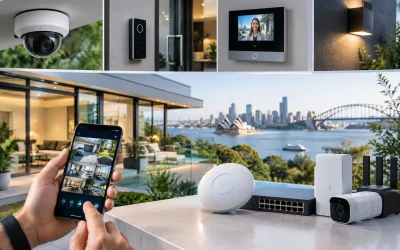
Moreover, modern alarm systems offer advanced features such as remote monitoring and smartphone notifications. This means that project managers can keep an eye on their site from anywhere, receiving alerts in real-time if any unusual activity is detected. This level of connectivity not only enhances security but also allows for better management of resources and personnel on-site. As such, integrating alarm systems into temporary security plans is essential for ensuring comprehensive protection during fit-outs.
In the context of ensuring safety during fit-out projects, it is essential to consider various aspects of security management. A related article discusses the importance of implementing effective measures for alarms, monitoring, and access control to protect valuable assets and maintain a secure environment. For insights into how businesses have successfully navigated these challenges, you can explore the experiences shared in our testimonials, which highlight practical solutions and
strategies.
Implementing Monitoring Systems for Enhanced Security
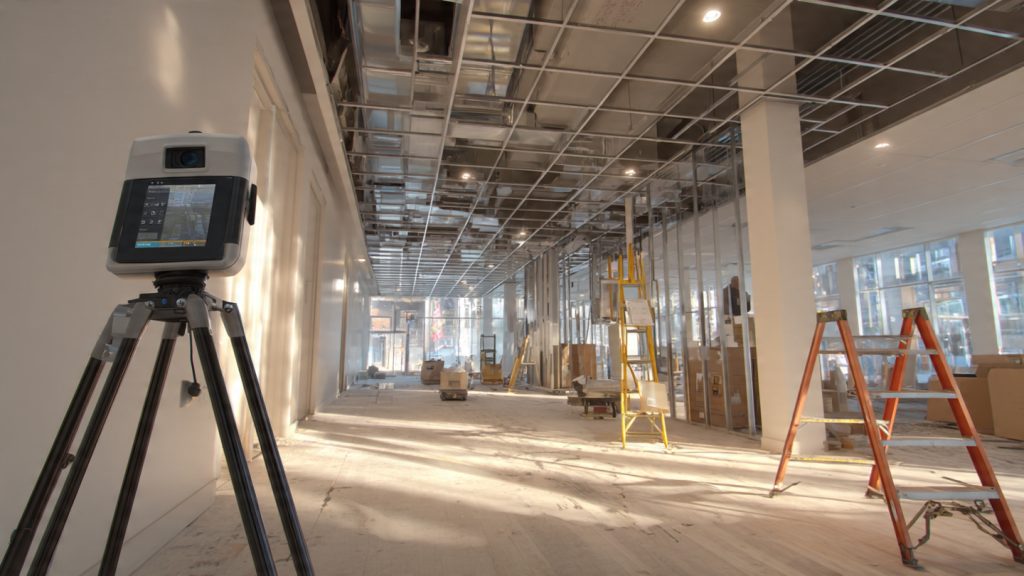
In addition to alarms, implementing monitoring systems can significantly enhance security during fit-out projects. Closed-circuit television (CCTV) cameras provide continuous surveillance of the site, capturing footage that can be invaluable in the event of a security breach. These systems allow for real-time monitoring and can be set up to record footage for later review if necessary.
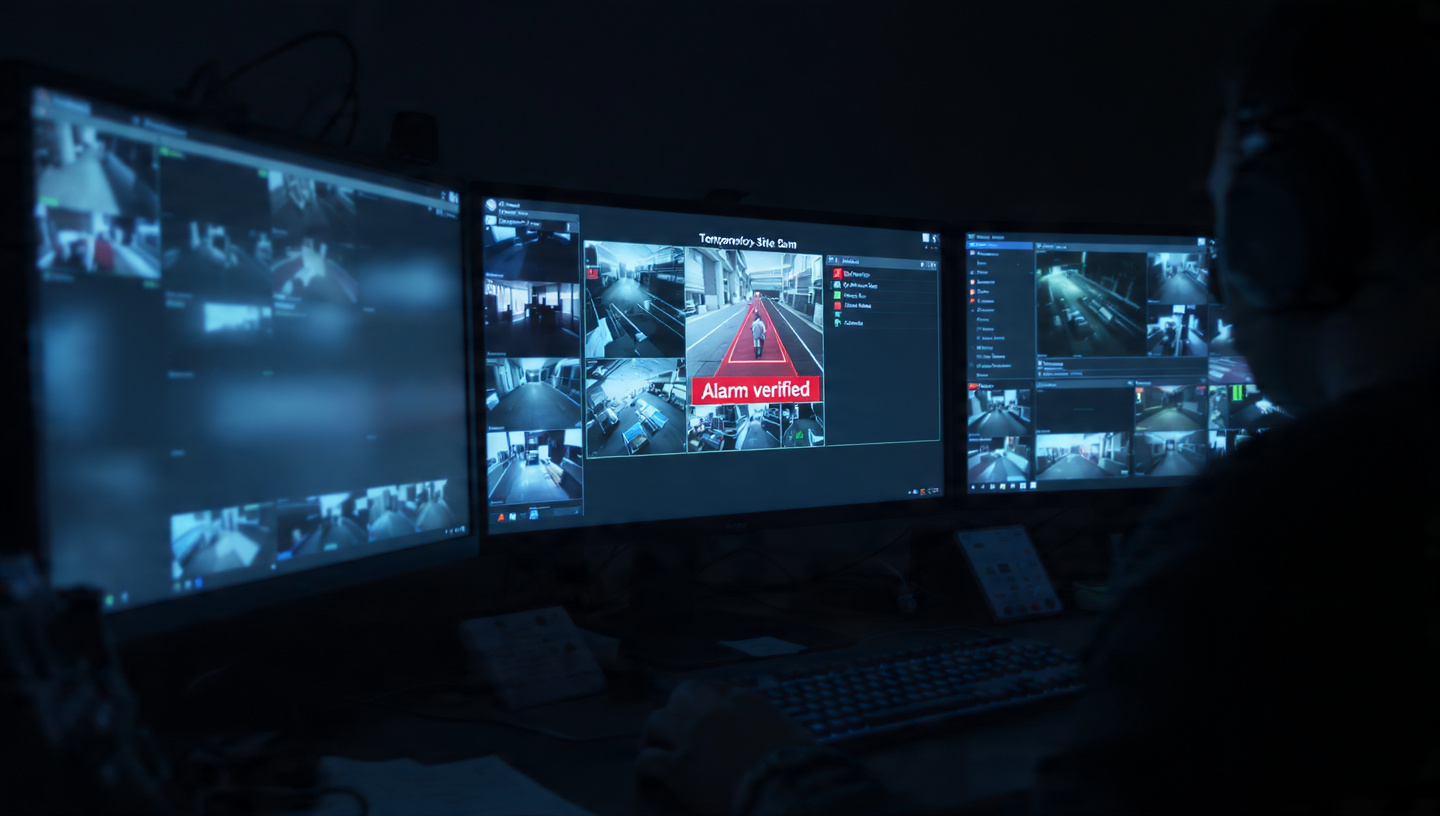
Furthermore, modern monitoring systems often come equipped with advanced analytics capabilities. These features can help identify unusual patterns or behaviors on-site, allowing for proactive measures to be taken before an incident occurs. For example, if a camera detects movement during off-hours when no personnel should be present, alerts can be sent out immediately. By leveraging technology in this way, project managers can create a safer environment for their fit-out projects.
Access Control Options for Controlling Entry and Exit
Experience peace of mind with Alpha Security Corp’s tailored residential security systems.
Controlling access to the fit-out site is another crucial aspect of temporary security. Implementing access control measures ensures that only authorized personnel can enter the premises while keeping potential intruders at bay. Various options are available for managing entry and exit points effectively.
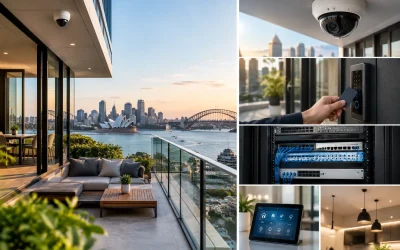
One common method is the use of keycard or fob systems that grant access only to individuals who have been pre-approved. This not only restricts entry but also allows for tracking who enters and exits the site at any given time. Additionally, employing security personnel at entry points can further enhance control over access. Trained guards can verify identities and ensure that only those with legitimate reasons for being on-site are allowed entry. By combining technology with human oversight, project managers can create a secure environment that minimizes risks associated with unauthorized access.
Temporary Fencing and Barriers for Site Security
Temporary fencing and barriers are fundamental components of any fit-out project’s security strategy. These physical structures serve as a first line of defense against unauthorized access and theft. By clearly delineating the boundaries of the work area, temporary fencing not only protects valuable materials but also helps prevent accidents by keeping unauthorized individuals away from potentially hazardous areas.
There are various types of temporary fencing available, including chain-link fences, mesh barriers, and solid panels. The choice of fencing will depend on factors such as budget constraints, site layout, and specific security needs. In some cases, additional features like barbed wire or privacy screens may be added for enhanced protection. Regardless of the type chosen, having a well-constructed barrier in place is essential for maintaining site security during fit-outs.
Utilizing Security Guards for Additional Protection
While technology plays a significant role in securing fit-out projects, human presence remains an invaluable asset in maintaining safety and security on-site. Employing security guards provides an additional layer of protection that cannot be replicated by cameras or alarms alone. Trained professionals can monitor activities in real-time, respond to incidents as they occur, and deter potential threats through their mere presence.
Security guards also serve as a point of contact for workers on-site who may have concerns about safety or security issues. Their expertise allows them to assess situations quickly and take appropriate action when necessary. Furthermore, having guards on-site can foster a sense of safety among workers, leading to increased productivity and morale throughout the fit-out process.
Integrating Technology for Remote Monitoring and Management
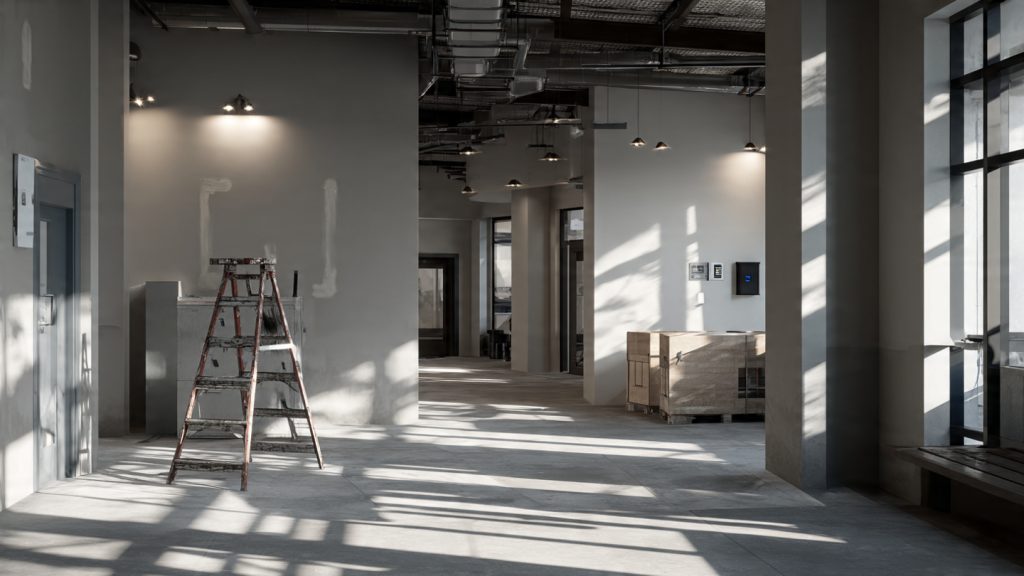
In today’s digital age, integrating technology into temporary security measures has become increasingly important. Remote monitoring systems allow project managers to oversee their sites from anywhere in real-time. This capability not only enhances security but also streamlines management processes by providing instant access to critical information.
For instance, many modern surveillance systems offer cloud-based storage solutions that enable easy retrieval of footage when needed. Additionally, mobile applications allow project managers to receive alerts directly on their smartphones if any unusual activity is detected on-site. This level of connectivity ensures that stakeholders remain informed about their project’s status at all times while enabling quick decision-making in response to potential threats.
Ensuring Compliance with Safety and Security Regulations
When implementing temporary security measures during fit-outs, it is essential to ensure compliance with relevant safety and security regulations. Various laws govern construction sites and workplace safety standards that must be adhered to in order to protect both workers and property. Failure to comply with these regulations can result in legal repercussions and financial penalties.
Project managers should familiarize themselves with local laws regarding site security and safety protocols before commencing work on a fit-out project. This may involve consulting with legal experts or industry professionals who specialize in construction regulations. By prioritizing compliance from the outset, stakeholders can mitigate risks associated with non-compliance while fostering a culture of safety on-site.
Cost-Effective Solutions for Temporary Security During Fit-Outs
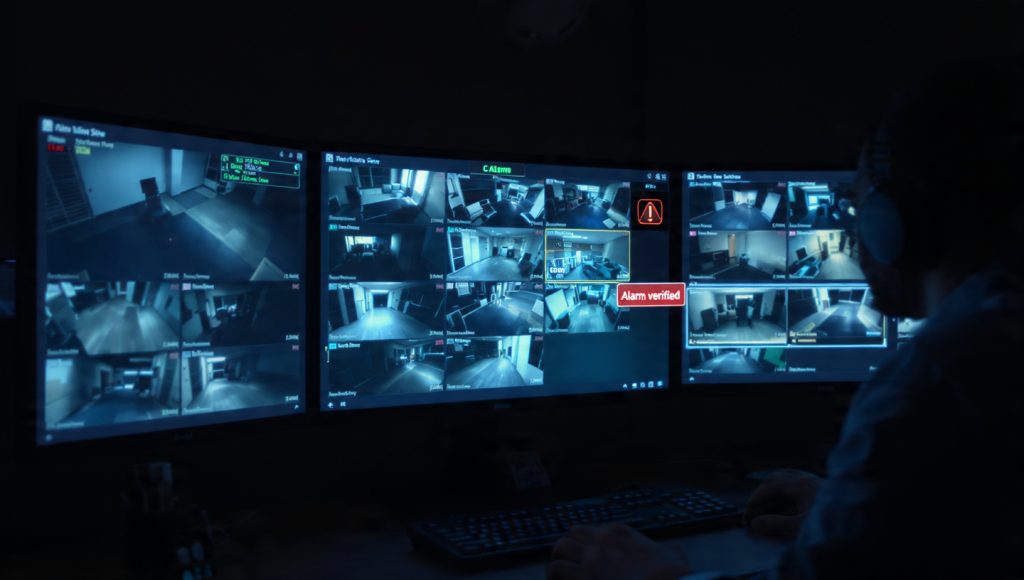
While investing in temporary security measures is crucial for protecting fit-out projects, it is also important to consider cost-effective solutions that do not compromise safety or effectiveness. Many businesses may be hesitant to allocate significant budgets toward security; however, there are various strategies available that provide robust protection without breaking the bank.
For example, utilizing a combination of technology and personnel can often yield better results than relying solely on one approach. Additionally, renting equipment such as surveillance cameras or hiring temporary security staff may be more economical than purchasing outright. By exploring different options and tailoring solutions based on specific needs and budgets, project managers can implement effective temporary security measures that safeguard their fit-out projects while remaining financially responsible.
In conclusion, ensuring adequate temporary security during fit-out projects is essential for protecting valuable assets and maintaining a safe working environment. By understanding risks, choosing appropriate measures, and integrating technology effectively, stakeholders can create comprehensive security strategies that address various threats while promoting efficiency throughout the project lifecycle.