


How Alarm Monitoring Systems Work: A Complete Guide for Sydney Residents
Understanding how alarm monitoring works helps homeowners make informed decisions about their security. The process combines advanced technology with human expertise to create a comprehensive protection system that responds to threats in real-time.
The Installation Process
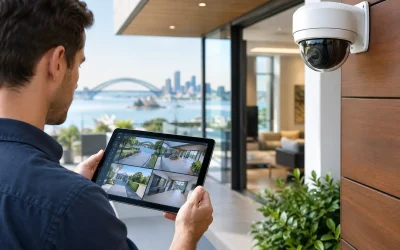
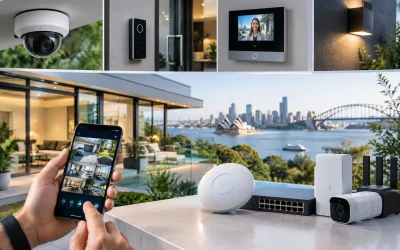
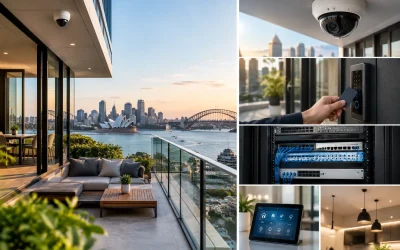
Alarm monitoring begins with strategic sensor and camera placement throughout your property. These devices connect to a central control panel that communicates directly with the monitoring center. Entry points, windows, motion zones, and other vulnerable areas receive sensors tailored to your home’s unique layout.
Professional installation ensures sensors are positioned optimally for maximum coverage while minimizing false alarms. The system is calibrated to distinguish between genuine threats and harmless triggers like pets or environmental factors.
Signal Detection and Response
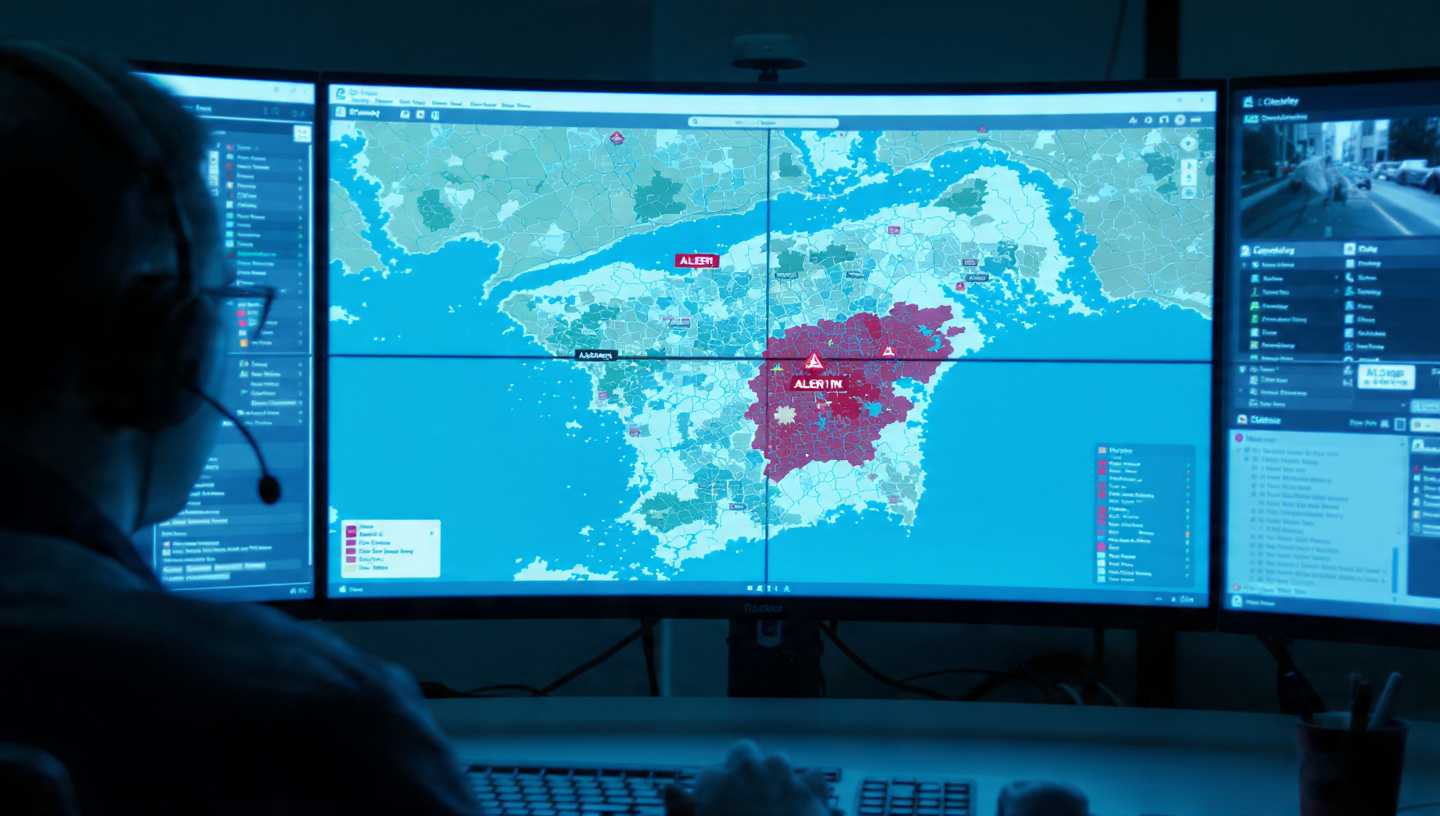
When sensors detect unusual activity, they immediately transmit signals to the monitoring center. Trained operators receive these alerts and assess the situation based on predetermined protocols. Response procedures vary depending on the threat type and severity.
For potential intrusions, operators may:
- Contact you directly to verify the alarm’s legitimacy
- Dispatch security personnel to your address
- Alert local law enforcement or emergency services
- Monitor the situation remotely through connected cameras
This multi-layered approach ensures threats are addressed quickly and effectively, minimizing risk to your home and family.

Handling False Alarms
False alarms occur with any security system, but professional monitoring centers handle them efficiently. When an alarm triggers, operators contact you first to verify whether it’s genuine. Regular maintenance, calibration, and testing significantly reduce false alarm frequency.
Modern systems incorporate advanced technology to distinguish between actual threats and harmless events. Motion sensors adjust to account for pets, while door sensors can differentiate between forced entry and normal usage patterns.
Continuous Communication
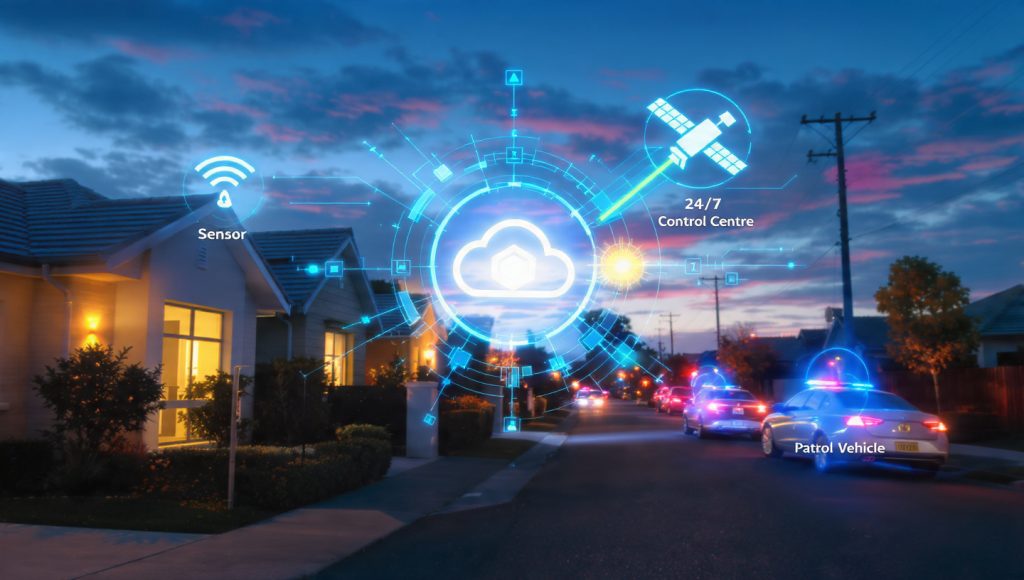
Monitoring centers maintain constant communication with your security system through multiple channels. Wireless technology, cellular networks, and internet connections provide redundancy—if one communication method fails, others ensure signals still reach the monitoring center.
This redundancy is crucial during emergencies when criminals might attempt to disable security systems by cutting phone lines or power supplies.
Technology Behind the Scenes
State-of-the-art monitoring centers utilize sophisticated software to manage thousands of security systems simultaneously. Automated systems prioritize alerts based on threat level, ensuring critical situations receive immediate attention. Cloud-based platforms enable seamless integration with smart home technology, providing homeowners with remote access and control.
Understanding these operational details helps Sydney homeowners appreciate the comprehensive protection professional alarm monitoring provides beyond simple alarm systems.
Read More: Home Security Sydney: Smart Sensors That Stop Burglars