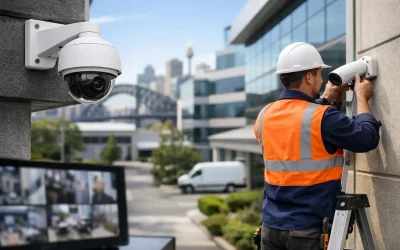




In today’s world, where security concerns are paramount, the significance of accurate alarm systems cannot be overstated. These systems serve as the first line of defense against potential threats, whether they stem from intruders, fire, or other emergencies. An effective alarm system not only protects property but also safeguards lives, providing peace of mind to homeowners and business operators alike. When an alarm system functions correctly, it can deter criminal activity, alert authorities promptly, and minimize damage during emergencies. Conversely, a malfunctioning or inaccurate alarm system can lead to devastating consequences, including property loss, injury, or even loss of life.
Moreover, the reliability of alarm systems plays a crucial role in fostering trust between security providers and their clients. When users feel confident that their alarm systems will respond accurately to genuine threats, they are more likely to invest in advanced security measures. This trust is essential for the overall effectiveness of security strategies, as it encourages individuals and businesses to remain vigilant and proactive in their safety efforts. Therefore, ensuring that alarm systems are accurate and dependable is not just a technical requirement; it is a fundamental aspect of creating a secure environment.
In the quest to enhance alarm accuracy and reduce false alarms, a related article titled “The Benefits of Active Back to Base Alarm Monitoring for Businesses and Homeowners” provides valuable insights into how effective monitoring can complement improved sensor placement and programming. This article discusses the advantages of having a dedicated monitoring service that can respond swiftly to genuine threats, thereby minimizing the impact of false alarms. For more information, you can read the article here: The Benefits of Active Back to Base Alarm Monitoring for Businesses and Homeowners.
Understanding the Causes of False Alarms
False alarms are a significant challenge in the realm of security systems. They can occur for various reasons, ranging from human error to technical malfunctions. One common cause is user error, where individuals inadvertently trigger alarms due to a lack of familiarity with the system or improper usage. For instance, forgetting to disarm the system before entering a property can lead to unnecessary alerts. Additionally, environmental factors such as pets moving within the detection range or changes in weather conditions can also contribute to false alarms.
Technical issues can further complicate the reliability of alarm systems. Faulty sensors, outdated equipment, or poor installation practices can lead to inaccurate readings and unwarranted alerts. For example, motion detectors may be overly sensitive or improperly calibrated, causing them to react to non-threatening movements. Furthermore, communication failures between components of the alarm system can result in delayed or erroneous notifications. Understanding these causes is essential for developing strategies to minimize false alarms and enhance the overall effectiveness of security systems.
The Role of Sensor Placement in Alarm Accuracy
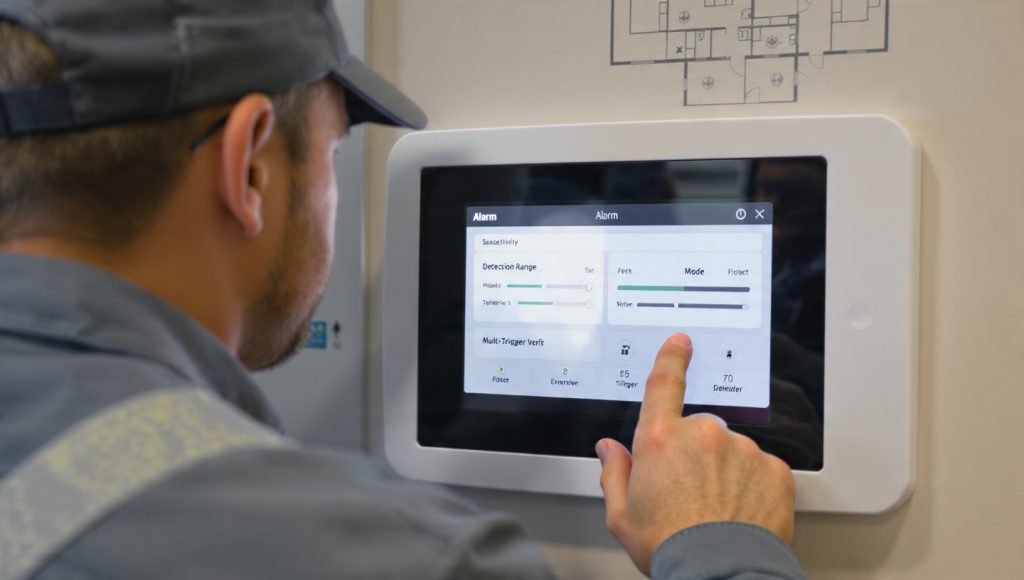
Sensor placement is a critical factor that directly influences the accuracy of alarm systems. Properly positioned sensors can significantly reduce the likelihood of false alarms while ensuring that genuine threats are detected promptly. For instance, motion detectors should be installed in areas with minimal foot traffic and away from objects that could trigger false alerts, such as curtains or plants that may sway with the wind. Additionally, ensuring that sensors are mounted at appropriate heights and angles can enhance their effectiveness in detecting intrusions.
Moreover, the strategic placement of sensors can create a comprehensive security network that covers vulnerable entry points without overlapping detection zones. This approach not only minimizes false alarms but also maximizes coverage, ensuring that all potential threats are monitored effectively. By conducting thorough assessments of the premises and understanding the unique characteristics of each environment, security professionals can optimize sensor placement to achieve the best possible results.
Programming Considerations for Reducing False Alarms
In addition to physical placement, programming considerations play a vital role in reducing false alarms. Alarm systems often come with customizable settings that allow users to tailor their responses based on specific needs and circumstances. For example, adjusting sensitivity levels for motion detectors can help prevent false triggers caused by pets or small movements in the environment. Additionally, implementing time delays for certain sensors can provide users with a grace period to disarm the system before an alert is triggered.
Furthermore, integrating user-friendly interfaces and mobile applications can empower users to manage their alarm systems more effectively. Providing clear instructions and training on how to use these features can significantly reduce instances of user error. By fostering a better understanding of how to interact with alarm systems, users can take proactive steps to minimize false alarms while maintaining robust security measures.
In the quest for enhancing alarm systems, the article on programmed maintenance offers valuable insights into how regular upkeep can significantly reduce false alarms. By focusing on better sensor placement and programming, businesses can ensure that their security measures are both effective and reliable. For more information on maintaining these systems to improve their accuracy, you can read the full article on programmed maintenance. This proactive approach not only minimizes disruptions but also optimizes the overall performance of alarm systems.
Best Practices for Sensor Placement and Programming
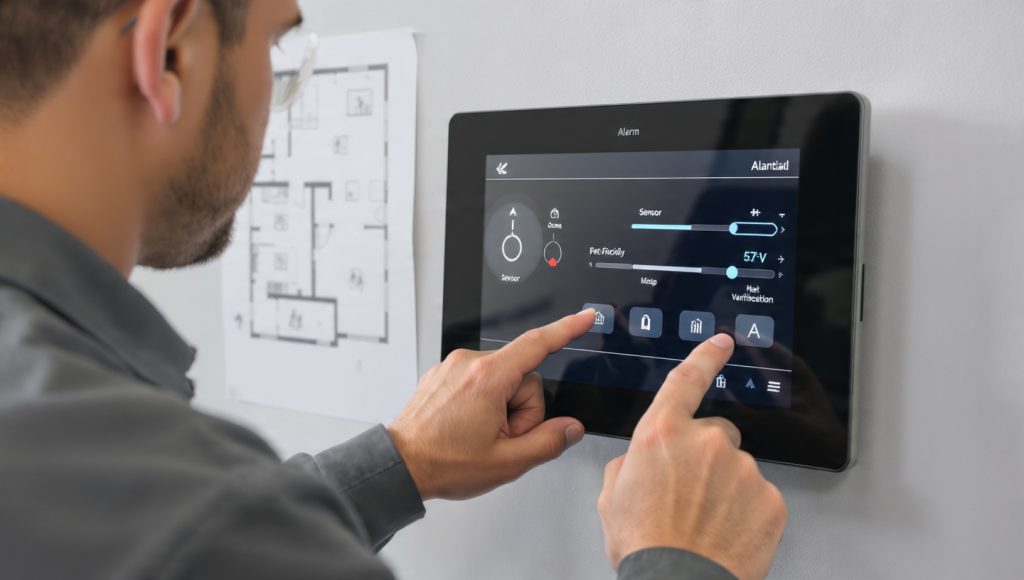
To achieve optimal performance from alarm systems, adhering to best practices for sensor placement and programming is essential. First and foremost, conducting a comprehensive risk assessment of the property is crucial. This assessment should identify vulnerable areas that require heightened surveillance and inform decisions regarding sensor types and placements. For instance, high-traffic areas may benefit from additional motion detectors or cameras to ensure thorough monitoring.
In terms of programming, regular updates and maintenance are vital for keeping alarm systems functioning optimally. Users should routinely check for software updates and ensure that all components are in good working order. Additionally, establishing clear communication channels with security providers can facilitate timely support and troubleshooting when issues arise. By implementing these best practices, property owners can significantly enhance the reliability of their alarm systems while minimizing the risk of false alarms.
Case Studies: Successful Implementation of Improved Sensor Placement and Programming
SECURE YOUR Smart Home with the latest technology from Alpha Security Corp to ensure safety and convenience.
Examining real-world case studies can provide valuable insights into the successful implementation of improved sensor placement and programming strategies. One notable example involves a retail store that experienced frequent false alarms due to improperly placed motion detectors near high-traffic areas. After conducting a thorough assessment, security professionals repositioned the sensors to focus on entry points while minimizing exposure to non-threatening movements within the store. As a result, the frequency of false alarms decreased significantly, allowing staff to focus on customer service rather than responding to unnecessary alerts.
Another case study highlights a residential community that faced challenges with false alarms triggered by pets roaming freely within homes. By adjusting the sensitivity settings on motion detectors and providing residents with training on how to manage their alarm systems effectively, the community saw a marked reduction in false alerts. This proactive approach not only improved overall security but also fostered a sense of trust among residents who felt more confident in their ability to manage their safety.
The Impact of Reduced False Alarms on Security and Safety
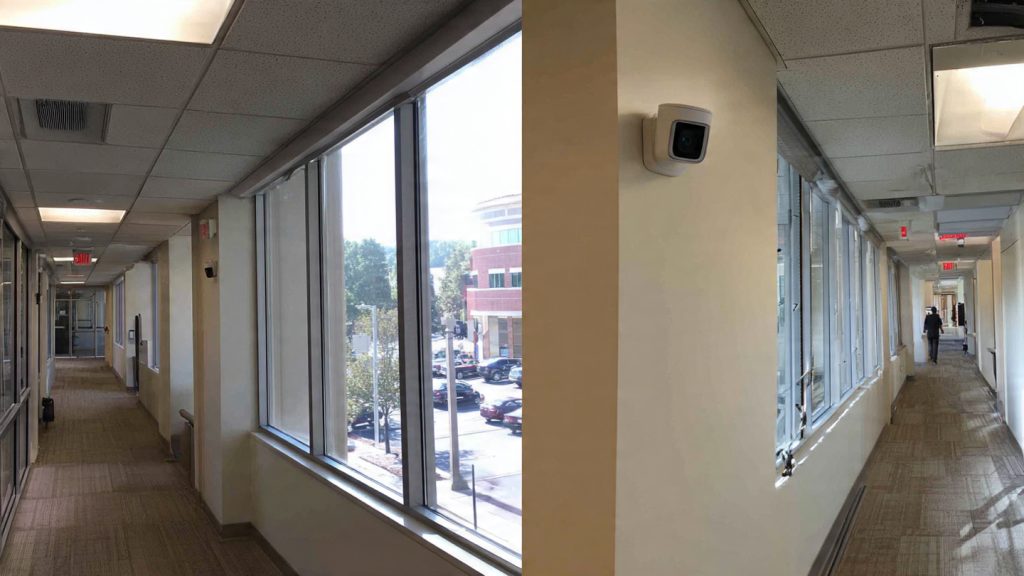
The impact of reduced false alarms extends beyond mere convenience; it has profound implications for overall security and safety. When alarm systems operate accurately, they enhance response times from law enforcement and emergency services during genuine threats. This swift action can be critical in preventing property damage or personal injury during emergencies. Moreover, reducing false alarms alleviates the burden on emergency responders who often face challenges when responding to repeated false alerts.
Additionally, minimizing false alarms contributes to a more secure environment by fostering trust among community members and businesses alike. When individuals feel confident that their alarm systems will respond appropriately to real threats, they are more likely to engage in proactive safety measures and collaborate with local law enforcement. This collective effort enhances community safety as residents become more vigilant and responsive to potential risks.
Future Trends in Sensor Technology for Enhanced Alarm Accuracy
As technology continues to evolve, so too does the potential for enhanced alarm accuracy through innovative sensor solutions. One promising trend is the integration of artificial intelligence (AI) into alarm systems. AI-powered sensors can analyze patterns in movement and behavior over time, allowing them to distinguish between normal activity and potential threats more effectively. This capability could significantly reduce false alarms while improving overall detection rates.
Another emerging trend is the development of multi-sensor systems that combine various detection methods into a single unit. For instance, integrating motion detection with video surveillance and environmental monitoring can create a comprehensive security solution that minimizes reliance on any single technology. These advancements hold great promise for enhancing alarm accuracy while providing users with greater control over their security environments.
In conclusion, accurate alarm systems are essential for ensuring safety and security in both residential and commercial settings. By understanding the causes of false alarms and implementing best practices for sensor placement and programming, property owners can significantly enhance the reliability of their security measures. As technology continues to advance, embracing innovative solutions will further improve alarm accuracy and contribute to safer communities overall.
Reducing False Alarms: How Better Sensor Placement and Programming Improves Alarm Accuracy
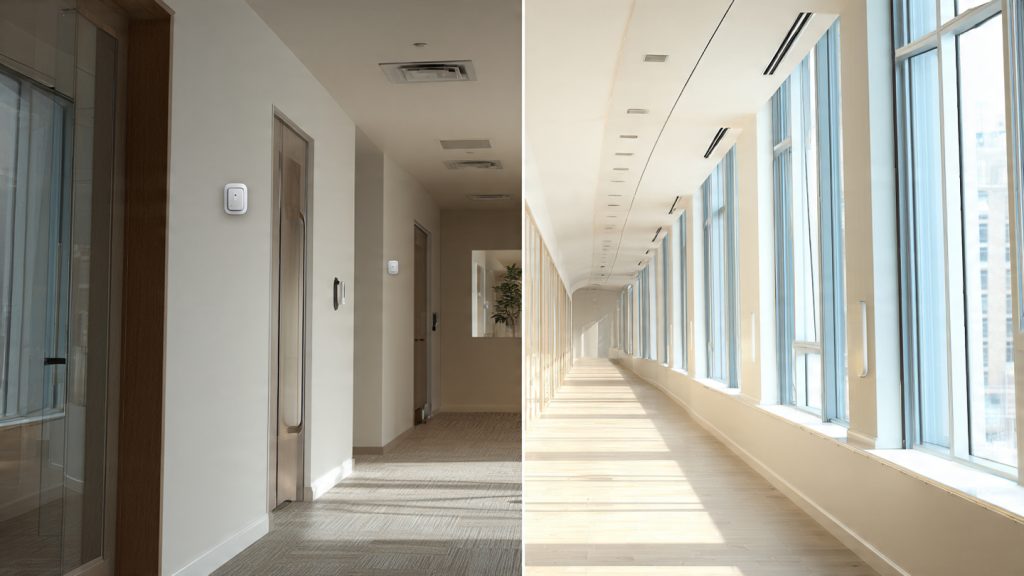
In today’s world, where security concerns are paramount, the significance of accurate alarm systems cannot be overstated. These systems serve as the first line of defense against potential threats, whether they stem from intruders, fire, or other emergencies. An effective alarm system not only protects property but also safeguards lives, providing peace of mind to homeowners and business operators alike. When an alarm system functions correctly, it can deter criminal activity, alert authorities promptly, and minimize damage during emergencies. Conversely, a malfunctioning or inaccurate alarm system can lead to devastating consequences, including property loss, injury, or even loss of life.
Moreover, the reliability of alarm systems plays a crucial role in fostering trust between security providers and their clients. When users feel confident that their alarm systems will respond accurately to genuine threats, they are more likely to invest in advanced security measures. This trust is essential for the overall effectiveness of security strategies, as it encourages individuals and businesses to remain vigilant and proactive in their safety efforts. Therefore, ensuring that alarm systems are accurate and dependable is not just a technical requirement; it is a fundamental aspect of creating a secure environment.
In the quest to enhance alarm accuracy and reduce false alarms, a related article titled “The Benefits of Active Back to Base Alarm Monitoring for Businesses and Homeowners” provides valuable insights into how effective monitoring can complement improved sensor placement and programming. This article discusses the advantages of having a dedicated monitoring service that can respond swiftly to genuine threats, thereby minimizing the impact of false alarms. For more information, you can read the article here: The Benefits of Active Back to Base Alarm Monitoring for Businesses and Homeowners.
Understanding the Causes of False Alarms
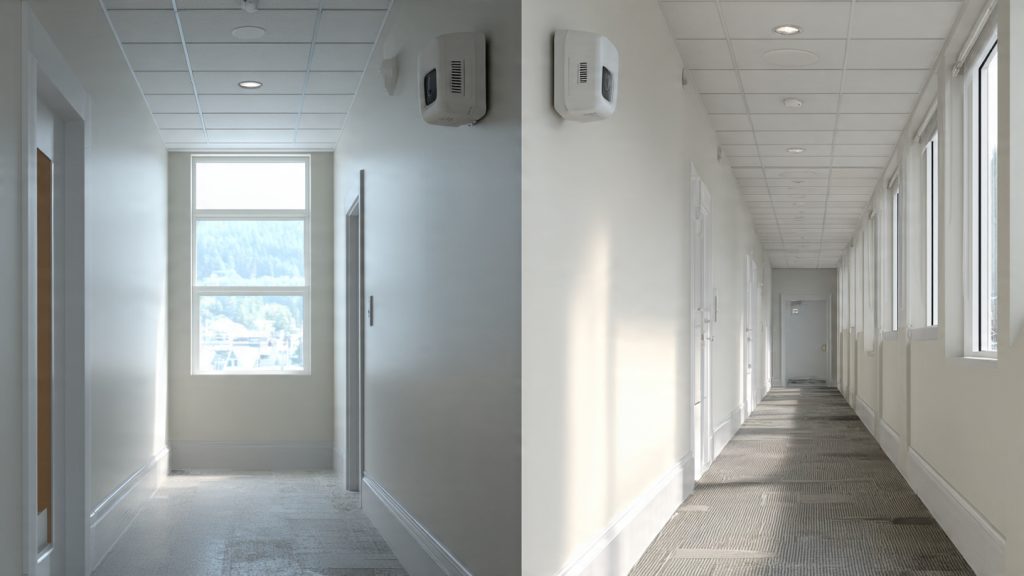
False alarms are a significant challenge in the realm of security systems. They can occur for various reasons, ranging from human error to technical malfunctions. One common cause is user error, where individuals inadvertently trigger alarms due to a lack of familiarity with the system or improper usage. For instance, forgetting to disarm the system before entering a property can lead to unnecessary alerts. Additionally, environmental factors such as pets moving within the detection range or changes in weather conditions can also contribute to false alarms.
Technical issues can further complicate the reliability of alarm systems. Faulty sensors, outdated equipment, or poor installation practices can lead to inaccurate readings and unwarranted alerts. For example, motion detectors may be overly sensitive or improperly calibrated, causing them to react to non-threatening movements. Furthermore, communication failures between components of the alarm system can result in delayed or erroneous notifications. Understanding these causes is essential for developing strategies to minimize false alarms and enhance the overall effectiveness of security systems.
The Role of Sensor Placement in Alarm Accuracy
Sensor placement is a critical factor that directly influences the accuracy of alarm systems. Properly positioned sensors can significantly reduce the likelihood of false alarms while ensuring that genuine threats are detected promptly. For instance, motion detectors should be installed in areas with minimal foot traffic and away from objects that could trigger false alerts, such as curtains or plants that may sway with the wind. Additionally, ensuring that sensors are mounted at appropriate heights and angles can enhance their effectiveness in detecting intrusions.
Moreover, the strategic placement of sensors can create a comprehensive security network that covers vulnerable entry points without overlapping detection zones. This approach not only minimizes false alarms but also maximizes coverage, ensuring that all potential threats are monitored effectively. By conducting thorough assessments of the premises and understanding the unique characteristics of each environment, security professionals can optimize sensor placement to achieve the best possible results.
Programming Considerations for Reducing False Alarms
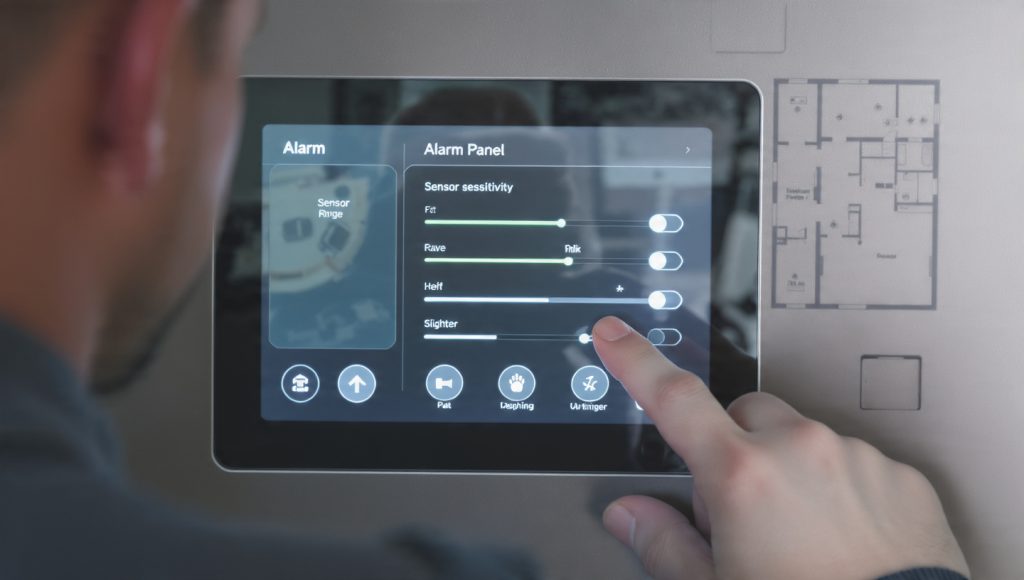
In addition to physical placement, programming considerations play a vital role in reducing false alarms. Alarm systems often come with customizable settings that allow users to tailor their responses based on specific needs and circumstances. For example, adjusting sensitivity levels for motion detectors can help prevent false triggers caused by pets or small movements in the environment. Additionally, implementing time delays for certain sensors can provide users with a grace period to disarm the system before an alert is triggered.
Furthermore, integrating user-friendly interfaces and mobile applications can empower users to manage their alarm systems more effectively. Providing clear instructions and training on how to use these features can significantly reduce instances of user error. By fostering a better understanding of how to interact with alarm systems, users can take proactive steps to minimize false alarms while maintaining robust security measures.
In the quest for enhancing alarm systems, the article on programmed maintenance offers valuable insights into how regular upkeep can significantly reduce false alarms. By focusing on better sensor placement and programming, businesses can ensure that their security measures are both effective and reliable. For more information on maintaining these systems to improve their accuracy, you can read the full article on programmed maintenance. This proactive approach not only minimizes disruptions but also optimizes the overall performance of alarm systems.
Best Practices for Sensor Placement and Programming
To achieve optimal performance from alarm systems, adhering to best practices for sensor placement and programming is essential. First and foremost, conducting a comprehensive risk assessment of the property is crucial. This assessment should identify vulnerable areas that require heightened surveillance and inform decisions regarding sensor types and placements. For instance, high-traffic areas may benefit from additional motion detectors or cameras to ensure thorough monitoring.
In terms of programming, regular updates and maintenance are vital for keeping alarm systems functioning optimally. Users should routinely check for software updates and ensure that all components are in good working order. Additionally, establishing clear communication channels with security providers can facilitate timely support and troubleshooting when issues arise. By implementing these best practices, property owners can significantly enhance the reliability of their alarm systems while minimizing the risk of false alarms.
Case Studies: Successful Implementation of Improved Sensor Placement and Programming

SECURE YOUR Smart Home with the latest technology from Alpha Security Corp to ensure safety and convenience.
Examining real-world case studies can provide valuable insights into the successful implementation of improved sensor placement and programming strategies. One notable example involves a retail store that experienced frequent false alarms due to improperly placed motion detectors near high-traffic areas. After conducting a thorough assessment, security professionals repositioned the sensors to focus on entry points while minimizing exposure to non-threatening movements within the store. As a result, the frequency of false alarms decreased significantly, allowing staff to focus on customer service rather than responding to unnecessary alerts.
Another case study highlights a residential community that faced challenges with false alarms triggered by pets roaming freely within homes. By adjusting the sensitivity settings on motion detectors and providing residents with training on how to manage their alarm systems effectively, the community saw a marked reduction in false alerts. This proactive approach not only improved overall security but also fostered a sense of trust among residents who felt more confident in their ability to manage their safety.
The Impact of Reduced False Alarms on Security and Safety
The impact of reduced false alarms extends beyond mere convenience; it has profound implications for overall security and safety. When alarm systems operate accurately, they enhance response times from law enforcement and emergency services during genuine threats. This swift action can be critical in preventing property damage or personal injury during emergencies. Moreover, reducing false alarms alleviates the burden on emergency responders who often face challenges when responding to repeated false alerts.
Additionally, minimizing false alarms contributes to a more secure environment by fostering trust among community members and businesses alike. When individuals feel confident that their alarm systems will respond appropriately to real threats, they are more likely to engage in proactive safety measures and collaborate with local law enforcement. This collective effort enhances community safety as residents become more vigilant and responsive to potential risks.

Future Trends in Sensor Technology for Enhanced Alarm Accuracy
As technology continues to evolve, so too does the potential for enhanced alarm accuracy through innovative sensor solutions. One promising trend is the integration of artificial intelligence (AI) into alarm systems. AI-powered sensors can analyze patterns in movement and behavior over time, allowing them to distinguish between normal activity and potential threats more effectively. This capability could significantly reduce false alarms while improving overall detection rates.
Another emerging trend is the development of multi-sensor systems that combine various detection methods into a single unit. For instance, integrating motion detection with video surveillance and environmental monitoring can create a comprehensive security solution that minimizes reliance on any single technology. These advancements hold great promise for enhancing alarm accuracy while providing users with greater control over their security environments.
In conclusion, accurate alarm systems are essential for ensuring safety and security in both residential and commercial settings. By understanding the causes of false alarms and implementing best practices for sensor placement and programming, property owners can significantly enhance the reliability of their security measures. As technology continues to advance, embracing innovative solutions will further improve alarm accuracy and contribute to safer communities overall.