



CCTV installation
In today’s world, the significance of CCTV installation cannot be overstated. With rising concerns about safety and security, both residential and commercial properties are increasingly turning to surveillance systems as a means of protection. CCTV cameras serve as a deterrent to potential criminals, providing a visible reminder that their actions are being monitored. This not only helps in preventing theft and vandalism but also fosters a sense of security among residents and employees alike. The presence of CCTV can significantly reduce crime rates in neighborhoods and business districts, making it an essential component of modern security strategies.
Moreover, the benefits of CCTV extend beyond mere deterrence. In the unfortunate event of a crime, having a surveillance system in place can provide crucial evidence that aids law enforcement in their investigations. High-quality footage can help identify suspects, clarify the sequence of events, and even exonerate innocent individuals. This capability is particularly vital for businesses, where theft or fraud can have devastating financial implications. By investing in a robust CCTV system, property owners not only protect their assets but also contribute to the overall safety of their communities.
When considering CCTV installation for enhanced security, it is essential to understand the broader context of security systems. A related article that provides valuable insights into this topic is available at Top Features of Commercial Alarm Systems for Total Business Protection. This article discusses various alarm system features that can complement CCTV systems, ensuring comprehensive protection for your business premises.
Choosing the Right Location for CCTV Cameras

Selecting the appropriate locations for CCTV cameras is a critical step in maximizing their effectiveness. The placement of cameras should be strategic, ensuring that they cover all vulnerable areas while minimizing blind spots. Common locations include entrances and exits, parking lots, and high-traffic areas within a property. For residential properties, it is advisable to install cameras near front doors, backyards, and driveways to monitor any suspicious activity. In commercial settings, focusing on cash registers, storage areas, and employee entrances can help safeguard against theft and unauthorized access.
In addition to identifying key locations, it is essential to consider the field of view for each camera. Cameras should be positioned at angles that allow for optimal coverage without obstructions. Furthermore, factors such as lighting conditions and potential environmental challenges should be taken into account. For instance, areas with low light may require cameras equipped with night vision capabilities to ensure clear footage at all times. By carefully evaluating these factors, property owners can create a comprehensive surveillance strategy that effectively addresses their security needs.
Types of CCTV Cameras and Their Features
When it comes to CCTV systems, there is a wide variety of camera types available, each with its unique features tailored to specific security requirements. One of the most common types is the dome camera, which is often used in indoor settings due to its discreet design. These cameras are typically mounted on ceilings and offer a 360-degree field of view, making them ideal for monitoring large areas without drawing attention. Additionally, many dome cameras come equipped with infrared capabilities for night vision, ensuring continuous surveillance even in low-light conditions.
Another popular option is the bullet camera, which is characterized by its elongated shape and robust construction. Bullet cameras are well-suited for outdoor use as they are often weatherproof and can withstand harsh environmental conditions. They typically offer high-resolution imaging and can be equipped with features such as zoom capabilities and motion detection. For those seeking advanced surveillance solutions, PTZ (pan-tilt-zoom) cameras provide the ability to remotely control the camera’s movement and zoom in on specific areas of interest. This versatility makes PTZ cameras an excellent choice for monitoring large outdoor spaces or high-security environments.
The Installation Process of CCTV Cameras
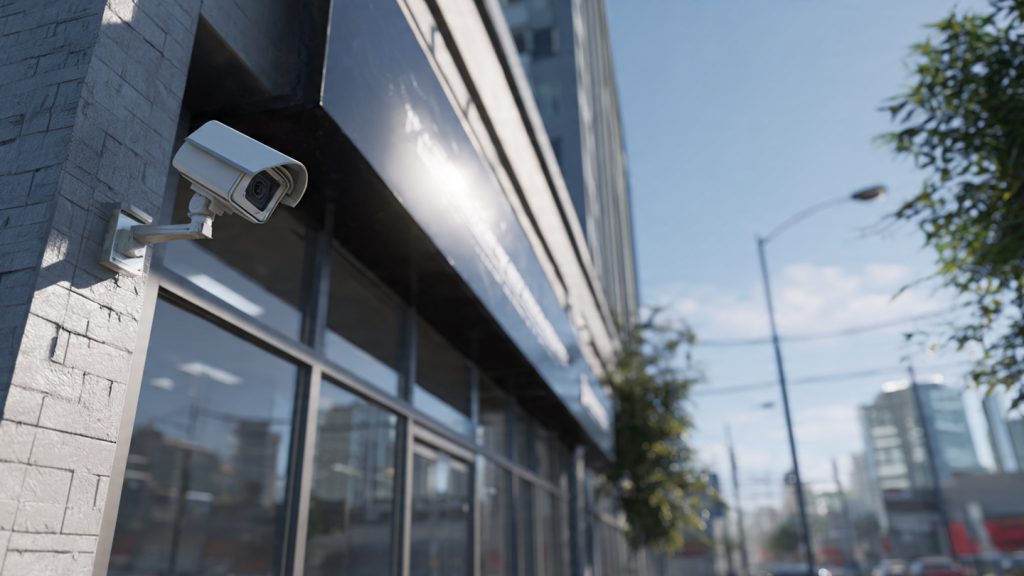
The installation process of CCTV cameras involves several key steps that ensure the system operates effectively and efficiently. Initially, a thorough assessment of the property is conducted to determine the best locations for camera placement based on security needs and potential vulnerabilities. Once the locations are identified, the next step involves selecting the appropriate equipment that aligns with the specific requirements of the property.
After selecting the equipment, the installation process begins with mounting the cameras securely in their designated locations. This may involve drilling holes and running cables to connect the cameras to a central recording unit or network. It is crucial to ensure that all connections are secure and that cameras are positioned correctly to capture the desired field of view. Following installation, the system must be tested to verify that all cameras are functioning properly and that footage is being recorded as intended. This comprehensive approach ensures that the CCTV system is set up for optimal performance from day one.
When considering the installation of CCTV systems, it’s essential to be aware of common pitfalls that can compromise your security efforts. A helpful resource on this topic can be found in the article about common mistakes in business security systems, which highlights various vulnerabilities that businesses often overlook. Understanding these mistakes can significantly enhance the effectiveness of your CCTV installation and overall security strategy. For more insights, you can read the article here.
Wiring and Connectivity for CCTV Systems
Wiring and connectivity play a vital role in the overall functionality of CCTV systems. The type of wiring used can significantly impact the quality of video transmission and the reliability of the system. Traditionally, coaxial cables were commonly used for analog CCTV systems; however, advancements in technology have led to the widespread adoption of IP (Internet Protocol) cameras that utilize Ethernet cables for connectivity. These modern systems offer higher resolution images and greater flexibility in terms of installation.
When installing a CCTV system, it is essential to consider cable management to prevent tangling or damage to wires. Properly securing cables along walls or ceilings not only enhances aesthetics but also protects them from environmental factors or accidental tampering. Additionally, ensuring that cables are run through conduits or protective sheathing can further safeguard against wear and tear over time. By prioritizing effective wiring and connectivity solutions, property owners can enhance the reliability and longevity of their CCTV systems.
Setting Up Remote Access and Monitoring for CCTV
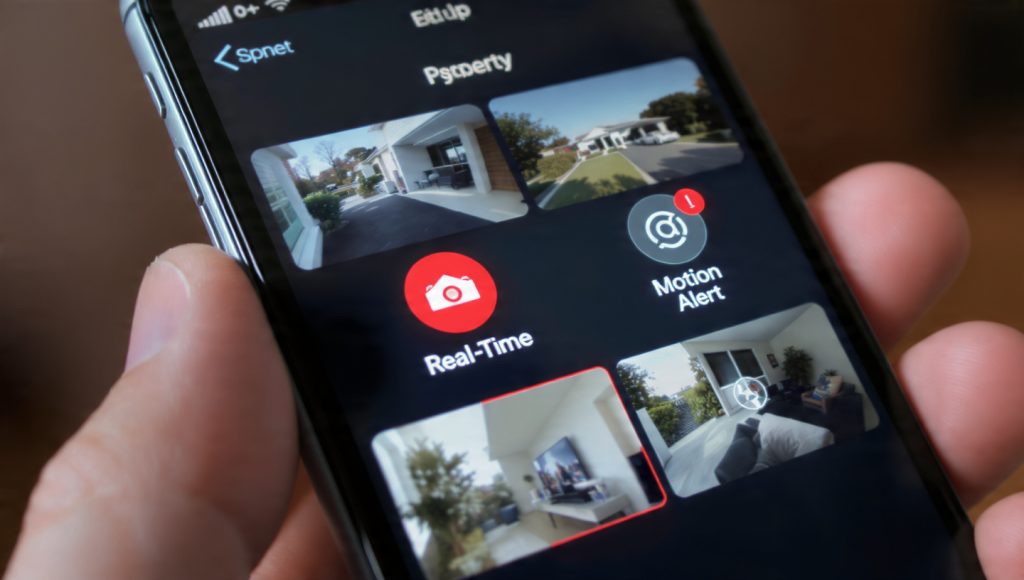
In an increasingly digital world, remote access and monitoring capabilities have become essential features of modern CCTV systems. These functionalities allow property owners to view live footage from their cameras via smartphones, tablets, or computers, providing peace of mind even when they are away from their premises. Setting up remote access typically involves configuring network settings and ensuring that the necessary software or applications are installed on devices.
To facilitate secure remote access, it is crucial to implement strong passwords and encryption protocols to protect against unauthorized access. Many modern CCTV systems also offer cloud storage options for recorded footage, allowing users to access their video archives from anywhere with an internet connection. This added layer of convenience not only enhances security but also enables property owners to respond quickly to any incidents or suspicious activities as they arise.
Maintenance and Troubleshooting of CCTV Systems
Regular maintenance is essential for ensuring that CCTV systems continue to operate effectively over time. Routine checks should include inspecting camera lenses for dirt or obstructions that may hinder image quality, as well as verifying that all connections remain secure. Additionally, it is important to periodically review recorded footage to ensure that cameras are capturing clear images and functioning as intended.
In the event of technical issues or malfunctions, troubleshooting steps should be taken promptly to minimize downtime. Common problems may include power outages, connectivity issues, or camera misalignment. By following manufacturer guidelines and consulting with professional technicians when necessary, property owners can address these challenges efficiently and maintain optimal performance from their CCTV systems.
Legal and Ethical Considerations for CCTV Installation
As with any surveillance technology, there are legal and ethical considerations associated with CCTV installation that must be taken into account. Privacy laws vary by region; therefore, it is essential for property owners to familiarize themselves with local regulations regarding video surveillance. In many jurisdictions, it is required to inform individuals that they are being recorded through signage or notifications.
Ethically speaking, it is important to strike a balance between security needs and individual privacy rights. Surveillance should be conducted in a manner that respects personal boundaries while still providing adequate protection for property and individuals within its vicinity. By adhering to legal guidelines and ethical standards, property owners can implement effective CCTV systems that enhance security without infringing on privacy rights.
In conclusion, investing in a comprehensive CCTV installation is crucial for enhancing security in both residential and commercial settings. By understanding the importance of proper camera placement, selecting suitable equipment, ensuring effective wiring and connectivity, setting up remote access capabilities, maintaining systems diligently, and adhering to legal considerations, property owners can create a robust surveillance strategy that safeguards their assets while promoting peace of mind within their communities.